
Chicago, the vibrant heart of the Midwest and a global hub for culture, architecture, and innovation, is a city shaped not only by its towering skyscrapers and expansive parks but also by its strong civic leadership. For anyone interested in the inner workings of this magnificent metropolis, whether you’re a prospective resident, a keen observer of urban politics, or simply a traveler curious about the forces that drive a major U.S. city, understanding its governance is key. A fundamental question often arises: “How long is a mayor’s term in Chicago?”
The answer is straightforward: a mayor’s term in Chicago is four years. This quadrennial cycle ensures a balance between continuity and accountability, allowing leaders sufficient time to implement their visions while remaining responsive to the needs of the city’s diverse population. This four-year mandate has profound implications for Chicago’s development, its appeal as a travel destination, and the daily lifestyle of its residents. It’s a period during which mayors tackle complex issues ranging from public safety and infrastructure to economic development and tourism promotion, leaving an indelible mark on the city’s landscape and identity.
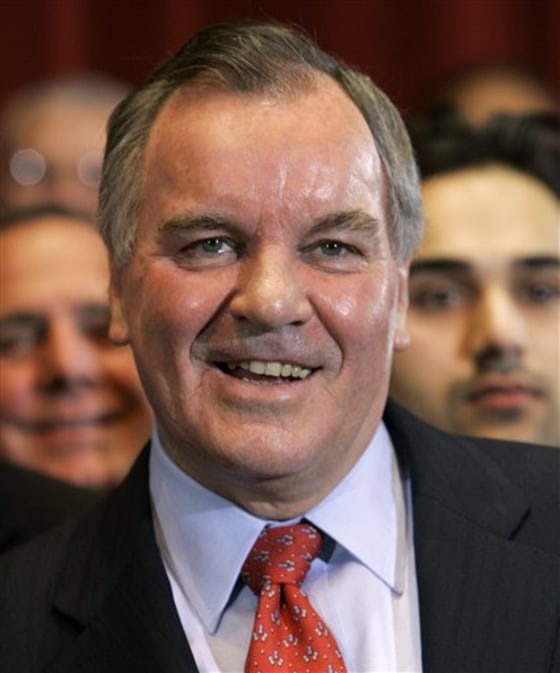
Understanding the Chicago Mayoral Term
The framework for the Chicago mayoral term is rooted in the city’s charter and state law, designed to provide a stable yet responsive leadership structure. Unlike some national or state offices, there are no term limits for the mayor of Chicago, allowing for extended periods of leadership that have, at times, become synonymous with specific eras of the city’s history.
The Four-Year Mandate: A Foundation for Stability
The standard four-year term for the mayor of Chicago aligns with the electoral cycles common across many United States municipalities. Elections are typically held in February, with a potential run-off in April if no candidate secures over 50% of the vote. This non-partisan election structure, while often highly politicized in practice, theoretically encourages candidates to appeal to a broad base of voters rather than strictly along party lines.
A four-year term is a critical duration. It’s long enough for a mayor to initiate and oversee significant projects, from large-scale infrastructure improvements like public transportation expansions or the redevelopment of key districts, to long-term policies impacting education, housing, and social services. Such initiatives often require multi-year planning and execution, making a shorter term less effective for impactful governance. For example, the transformation of Chicago’s waterfront or the establishment of major new cultural institutions are endeavors that span years, benefiting from consistent leadership.
Conversely, the four-year cycle is also short enough to ensure accountability. If a mayor’s policies prove unpopular or ineffective, voters have a regular opportunity to elect new leadership. This balance is crucial for a dynamic city like Chicago, which constantly evolves and faces new challenges. For visitors, understanding this cycle can provide context when observing the city’s current state — how recent mayoral priorities might have shaped its amenities, public spaces, and even its welcoming stance towards tourism and international engagement.
Evolution of the Office: A Historical Perspective
The history of Chicago’s mayoral office is as rich and complex as the city itself, marked by periods of immense growth, political upheaval, and transformative leadership. The long tenure of several mayors highlights the lack of term limits and the powerful influence individuals can wield over the city’s trajectory.
Perhaps the most iconic example is the Daley dynasty. Richard J. Daley served for 21 years, from 1955 until his death in 1976, overseeing massive urban renewal projects and consolidating political power. His tenure defined much of modern Chicago, shaping its expressways, airports, and a significant portion of its civic infrastructure. His son, Richard M. Daley, continued this legacy, holding the office for 22 years (1989-2011), becoming the longest-serving mayor in Chicago history. Richard M. Daley presided over a period of significant modernization, beautification, and an aggressive push for Chicago to become a global city, famously spearheading projects like Millennium Park and the Chicago Riverwalk. These two mayors, combined, governed Chicago for over four decades, their lengthy terms allowing them to pursue ambitious, generational projects that continue to define the city as a major destination.
Other notable figures include Harold Washington, Chicago’s first African American mayor, whose election in 1983 marked a historic turning point despite his tragically short term due to his untimely death. More recently, Lori Lightfoot became the first African American woman and first openly gay person to hold the office, serving one four-year term from 2019-2023. Each of these leaders, within their respective terms, contributed uniquely to the city’s social fabric, economic policies, and cultural vibrancy, making the mayor’s office a powerful focal point for change and continuity. When exploring Chicago’s landmarks and public spaces, particularly those within the Loop and surrounding areas, it’s almost impossible not to encounter the lasting physical and policy legacies of these mayoral tenures.
The Mayor’s Role in Shaping Chicago’s Landscape and Lifestyle
The responsibilities of the mayor of Chicago extend far beyond mere administrative duties. The office is a pivotal force in driving the city’s strategic direction, influencing everything from the daily commute of its residents to the global perception of Chicago as a premier travel destination.
Governance and Urban Development
A Chicago mayor’s primary duties encompass a vast array of governmental functions critical to a metropolitan area of 2.7 million residents (and over 9 million in the wider metropolitan area). They are responsible for overseeing the city budget, which dictates funding for everything from police and fire departments to sanitation and social programs. Public safety, a perennial concern in any large city, falls directly under mayoral leadership, influencing policies and resource allocation for the Chicago Police Department.

Beyond immediate services, mayors play a crucial role in urban planning and infrastructure development. Decisions about zoning, building permits, and large-scale construction projects directly shape the city’s physical landscape. Consider the Chicago Transit Authority (CTA), the extensive public transportation network of elevated trains and buses that serves millions. Mayoral administrations directly influence its expansion, modernization, and funding, impacting the ease with which both residents and visitors navigate the city. Improvements to roads, bridges, and public utilities are also continuous projects overseen by the mayor’s office.
These governance decisions have a direct impact on the lifestyle of Chicagoans and the experience of travelers. A well-maintained public transportation system makes exploring Chicago’s neighborhoods and attractions more accessible. Thoughtful urban planning can lead to the creation of beautiful public spaces like parks and plazas, enhancing the quality of life and providing appealing spots for locals and tourists alike to relax and gather. The four-year term provides the necessary runway for mayors to shepherd these complex and often controversial projects to completion.
Promoting Tourism and Economic Growth
The mayor is a chief ambassador for Chicago on the national and international stage, a role that directly impacts the city’s vital tourism and hospitality industries. Mayoral administrations actively court major conventions, sporting events, and cultural festivals, understanding their significant contribution to the local economy. Events like Lollapalooza, the Chicago Marathon, and the Taste of Chicago are often supported and promoted by the city, drawing millions of visitors annually.
Mayoral policies also influence the attractiveness of Chicago for businesses, which in turn creates jobs and stimulates economic growth. This extends to the flourishing food scene, the diverse hotel landscape, and the myriad of cultural institutions. A mayor committed to promoting tourism might invest in marketing campaigns, improve airport facilities like at O’Hare International Airport or Midway International Airport, or foster a supportive environment for new hotels and attractions. The goal is to ensure that Chicago remains a top-tier destination for both leisure and business travel, offering a wide range of accommodation options from luxury suites to boutique hotels and budget-friendly apartments. The continuous effort to enhance Chicago’s global image and welcoming atmosphere is a direct reflection of mayoral priorities, designed to attract more travelers seeking unique experiences, whether it’s exploring its local culture or indulging in its world-class culinary scene.
Experiencing Chicago Through Its Governance and History
For travelers with an interest in history, architecture, or civic life, Chicago offers unique opportunities to connect with its political past and present. Many of the city’s most iconic landmarks and vibrant public spaces are intertwined with mayoral decisions and the long history of the office.
Landmarks and Public Spaces Reflecting Civic Life
A prime example is the majestic Chicago City Hall and Cook County Building complex, located at 121 N. LaSalle Street in the Loop. This impressive Beaux-Arts structure serves as the seat of Chicago’s municipal government and Cook County administration. It’s where the mayor’s office is situated, and where many crucial decisions regarding the city’s future are made. While interior access might be limited to official business, its exterior is a stunning piece of architecture reflecting civic pride and power.
Just across the street lies Daley Plaza, named after Richard J. Daley. This expansive urban square is famous for its massive untitled Picasso Sculpture, a gift to the city that has become one of its most recognizable public art pieces. Daley Plaza is a hub of civic activity, hosting farmers’ markets, festivals, and public demonstrations, embodying the democratic spirit of the city.
Further south, the sprawling Grant Park, often referred to as “Chicago’s Front Yard,” and its crown jewel, Millennium Park, are testaments to the long-term vision of mayoral leadership. Millennium Park, opened under Richard M. Daley’s administration, transformed an old rail yard into a magnificent urban oasis featuring iconic structures like Cloud Gate (affectionately known as “The Bean”), Pritzker Pavilion, and Crown Fountain. These spaces not only provide recreation and cultural enrichment but also serve as vital social gathering places, reflecting the city’s commitment to public amenities. The Art Institute of Chicago, also bordering Grant Park, further cements the area’s status as a cultural nexus.
Exploring these areas offers a tangible connection to the city’s political history and current governance. From the grand scale of the Willis Tower and John Hancock Center that define the skyline, to the bustling energy of Navy Pier and the intellectual richness of the Museum Campus (home to the Field Museum, Shedd Aquarium, and Adler Planetarium), mayoral influence can be seen in the city’s commitment to large-scale projects that attract millions of visitors and improve urban life. Even a leisurely stroll along the Chicago Riverwalk provides insight into how strategic urban planning, often driven by mayoral directives, has transformed industrial spaces into beautiful recreational areas.

Accommodation and Travel Tips for Exploring Civic Chicago
For travelers looking to immerse themselves in Chicago’s civic heart, choosing the right accommodation is key. The Loop neighborhood, with its proximity to City Hall, Daley Plaza, and Millennium Park, is an ideal base. Here, you’ll find a wide range of hotels catering to various preferences and budgets.
For a luxury travel experience, consider boutique hotels or high-end hotel chains in the Loop or along the adjacent Magnificent Mile. Many offer stunning city views, premium amenities, and concierge services that can help arrange tours or provide insight into local events. These often come with suites and sophisticated dining options, perfect for those on a business stay or an indulgent getaway.
If you’re planning a budget travel adventure or a family trip, there are numerous hotels and serviced apartments offering excellent value, often just a short walk or CTA ride from the civic landmarks. Websites for accommodation booking provide tools for comparison and reviews, helping you find the perfect fit.
When exploring Chicago’s civic and historical sites, leveraging its efficient public transportation system is highly recommended. The “L” train (elevated train) and bus network connect all major attractions and neighborhoods, making it easy to navigate the city without a car. Consider a CTA Ventra Card for convenient travel. Many travel guides and tourism tips emphasize walking tours, which are particularly rewarding in architecturally rich areas like the Loop, offering a closer look at the intricate details of buildings influenced by decades of urban development and mayoral vision. From local culture tours to exploring the vibrant food scene, every aspect of your Chicago experience is subtly touched by the city’s leadership.
In conclusion, the four-year mayoral term in Chicago is more than just a chronological period; it’s a dynamic cycle that defines the city’s past, present, and future. It provides stability for ambitious projects while ensuring accountability to its residents. For any traveler venturing to this incredible city, understanding the role and impact of its mayor offers a deeper appreciation for the carefully curated landscape, the vibrant lifestyle, and the enduring spirit that makes Chicago a world-class destination. From its iconic landmarks to its welcoming accommodations, every aspect of the city reflects the governance decisions made within those four-year cycles.
LifeOutOfTheBox is a participant in the Amazon Services LLC Associates Program, an affiliate advertising program designed to provide a means for sites to earn advertising fees by advertising and linking to Amazon.com. Amazon, the Amazon logo, AmazonSupply, and the AmazonSupply logo are trademarks of Amazon.com, Inc. or its affiliates. As an Amazon Associate we earn affiliate commissions from qualifying purchases.