
Embarking on a journey from the architectural marvels of Chicago to the pulsating heart of New York City, often dubbed the Big Apple, is a popular route for both business travelers and leisure seekers alike. This bustling air corridor connects two of the United States’ most iconic metropolitan areas, making the question of flight duration a frequent query. While the exact time can fluctuate due to various factors, the direct answer for a non-stop flight is remarkably quick, bridging these vibrant cities in just a few hours. This article delves into the typical flight times, the elements that can influence your journey, crucial airport information for both cities, and essential tips for optimizing your travel experience, ensuring your trip is as seamless as it is memorable.
Unpacking the Flight Duration: The Quick Answer and Beyond
When planning your itinerary from the Windy City to the city that never sleeps, the flight itself is often the shortest segment of your travel day. Understanding the nuances of this relatively brief aerial transit can help you set realistic expectations and make the most of your time.
The Standard Non-stop Experience
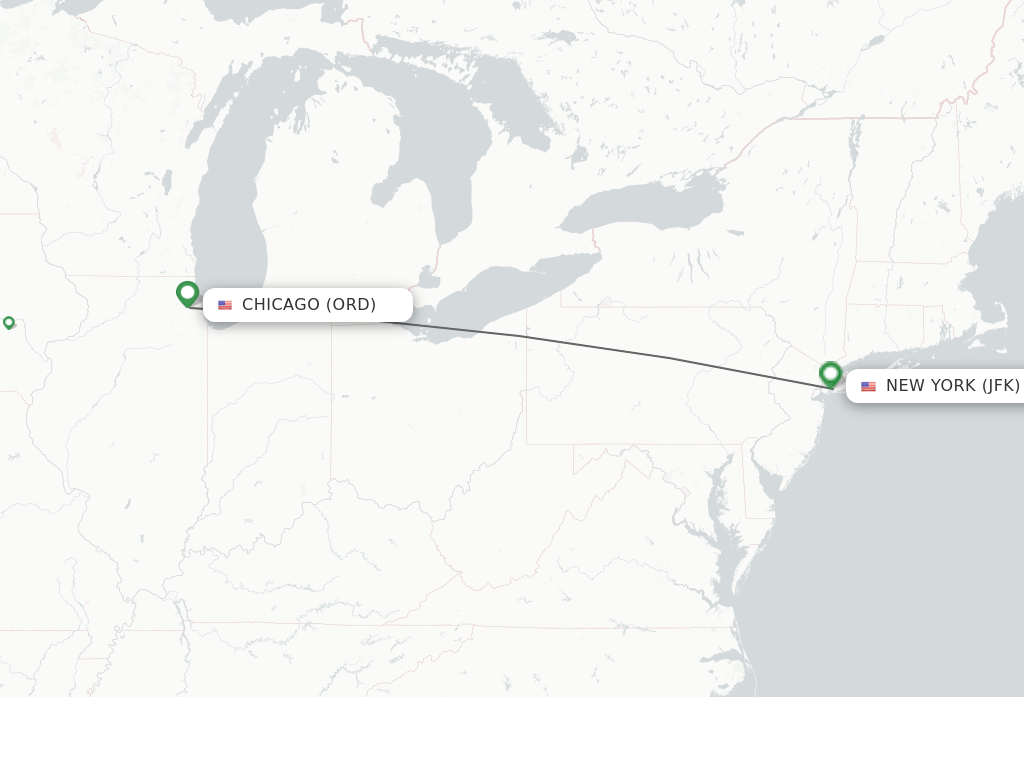
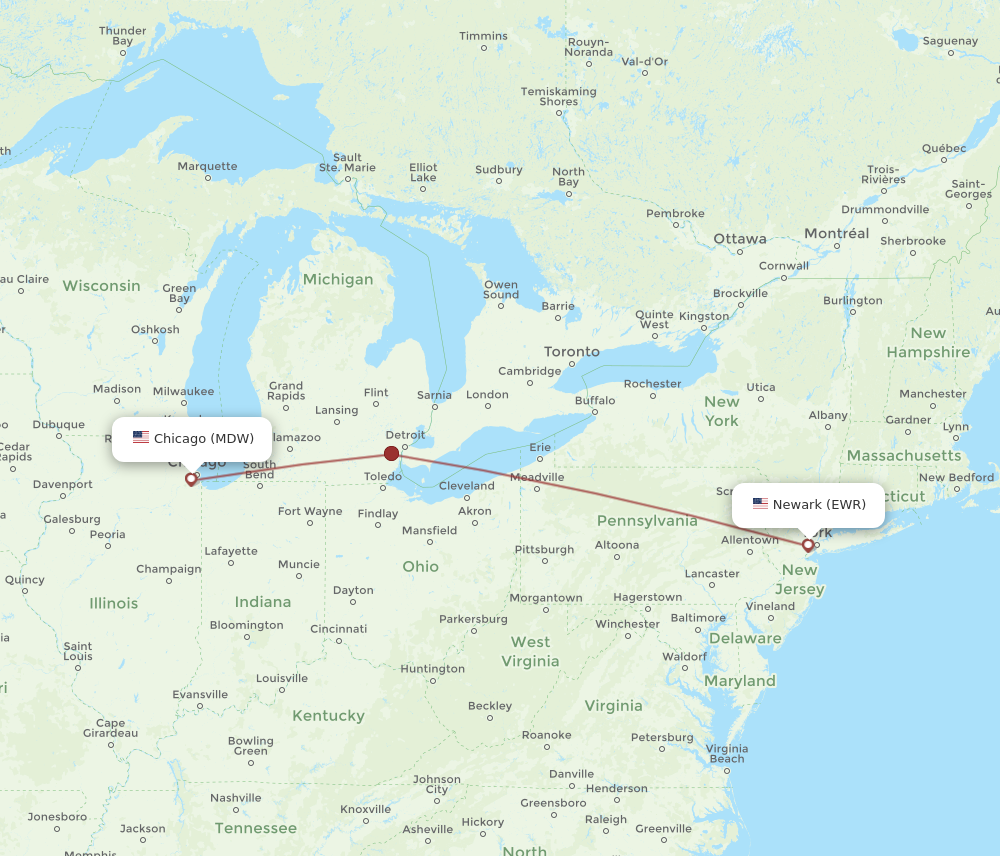
For the vast majority of travelers, a direct flight from Chicago to New York City typically clocks in at around 2 hours to 2 hours and 30 minutes. This duration accounts for the time spent airborne from wheels up to touchdown. Major airlines frequently servicing this route include industry giants such as United Airlines, American Airlines, Delta Air Lines, as well as budget carriers like Southwest Airlines, Spirit Airlines, and JetBlue Airways. Each offers a range of services and cabin classes, catering to different travel preferences and budgets. While the core flight time is consistent across most carriers, factors such as specific departure and arrival airports (e.g., O’Hare to JFK vs. Midway to LaGuardia) can introduce minor variations.
Factors Influencing Flight Time
While the base flight time is a good benchmark, several dynamic elements can slightly alter how long you actually spend in the air:
- Wind Conditions: One of the most significant natural influencers is the jet stream. Flights heading eastbound (from Chicago to NYC) often benefit from tailwinds, which can shave off precious minutes, sometimes reducing the flight to under two hours. Conversely, westbound flights might encounter headwinds, extending the duration.
- Air Traffic Control (ATC): Both Chicago and NYC host some of the busiest airspaces in the world. Air Traffic Control may issue different flight paths or hold patterns due to congestion, weather, or other operational necessities, potentially adding a few minutes to the flight.
- Aircraft Type: While less impactful on such a short route, different aircraft models have varying cruising speeds. A newer, more aerodynamic plane might complete the journey marginally faster than an older model.
- Departure/Arrival Delays: This is perhaps the most common reason for a perceived longer travel time. Delays can stem from weather conditions at either end, operational issues with the airline, or even mechanical checks. While these don’t extend the “flight time” itself, they certainly prolong your overall travel experience.
- Specific Route and Airport Pairings: The precise distance between airports can vary slightly. For instance, the distance from Midway International Airport (MDW) to LaGuardia Airport (LGA) might differ from O’Hare International Airport (ORD) to John F. Kennedy International Airport (JFK). These differences are usually minimal, often just a few minutes, but contribute to the overall variation.
- Taxi Time: Perhaps surprisingly, the time spent taxing on the ground at both departure and arrival airports can be substantial, especially at major hubs. Large airports like O’Hare or JFK can have lengthy taxiways, and congestion can mean planes wait for a gate or a runway, adding anywhere from 15 to 45 minutes to the total ground experience.
Navigating the Airports: Your Gateway to the Cities
Understanding the airport landscape at both ends of your journey is paramount for a smooth travel day. From check-in to ground transportation, each airport presents unique characteristics that can influence your overall travel time and experience.
Major Airports in Chicago
Chicago is served by two primary airports, each offering distinct advantages:
- O’Hare International Airport (ORD): As one of the world’s busiest airports, ORD serves as a major hub for United Airlines and American Airlines. It boasts extensive domestic and international connections, meaning a wide array of flight options to NYC. However, its size can also mean longer walks between gates, extensive taxi times, and potential for delays during peak periods or adverse weather. O’Hare is well-connected to downtown Chicago via the CTA Blue Line, offering an affordable and efficient transit option.
- Midway International Airport (MDW): Midway is significantly smaller and closer to downtown Chicago than O’Hare. It is a major hub for Southwest Airlines and often offers competitive fares, particularly for domestic routes like NYC. Its compact nature usually means shorter taxi times and easier navigation for passengers. Access to downtown is convenient via the CTA Orange Line. For many, Midway offers a less hectic travel experience, though with fewer airline and destination choices than ORD.
Major Airports Serving NYC
New York City is served by a triumvirate of airports, each with its own characteristics and strategic location:
- John F. Kennedy International Airport (JFK): Located in Queens, JFK is NYC’s largest and busiest airport, serving as a primary international gateway. It’s a hub for Delta Air Lines and American Airlines, among others. While it offers the most flight options, traveling to and from Manhattan can be time-consuming due to traffic. The AirTrain JFK connects to subway lines (A, E, J, Z) and the Long Island Rail Road (LIRR), providing public transit access.
- Newark Liberty International Airport (EWR): Situated in New Jersey, just across the Hudson River, EWR is a major hub for United Airlines and a significant international airport serving the NYC metropolitan area. Many travelers find EWR to be a viable alternative to JFK, particularly for flights on United. The AirTrain Newark connects to NJ Transit trains, which provide direct service to New York Penn Station in Manhattan.
- LaGuardia Airport (LGA): Also located in Queens, LGA is the closest airport to Midtown Manhattan and primarily handles domestic flights. While it historically suffered from a reputation for outdated facilities, extensive renovations have transformed it into a modern, efficient airport. LGA is a focus city for Delta Air Lines and American Airlines. Ground transportation mostly relies on buses connecting to subway lines, taxis, and ride-shares. Given its proximity to Manhattan, LGA is often favored for convenience despite not having a direct rail link.

Beyond the Flight: Optimizing Your Travel Experience
While the flight duration is important, the overall travel experience from door to door can be significantly longer. Thoughtful planning can transform your journey from a potential hassle into a smooth and enjoyable part of your trip.
Booking Smart: Tips for a Seamless Journey
The choices you make during the booking process can have a profound impact on your travel day:
- Flexibility with Dates and Times: If your schedule allows, flying on Tuesdays, Wednesdays, or Saturdays often yields lower fares and less crowded airports. Similarly, early morning or late-night flights tend to be less prone to delays.
- Booking in Advance: Especially for popular routes like Chicago to NYC, booking several weeks or months ahead can secure better prices and a wider selection of flight times and airlines.
- Consider Your Airline Choice: Budget airlines might offer lower base fares but could charge extra for baggage, seat selection, and in-flight amenities. Full-service carriers typically include these, potentially offering a more comfortable experience, especially if you value checked bags or complimentary snacks.
- Leverage Loyalty Programs: If you’re a frequent flyer, sticking with an airline alliance (Star Alliance, Oneworld, SkyTeam) can earn you perks like priority boarding, lounge access, and upgrades, enhancing your comfort and convenience.
- Review Baggage Policies: Before booking, always check the airline’s baggage allowance and fees. This is a common point of frustration and can quickly inflate the cost of an otherwise cheap ticket.
- Travel Insurance: For unexpected cancellations, delays, or lost luggage, travel insurance can provide peace of mind and financial protection. It’s a worthwhile consideration, especially if you have significant non-refundable bookings.
Minimizing Airport Stress and Maximizing Comfort
The actual journey through the airport and in the air can be made much more pleasant with a few strategic moves:
- Arrive Early: The general rule of thumb is two hours for domestic flights, but at major hubs like ORD or JFK, allowing extra time during peak hours or holidays is always a wise decision.
- Security Expediting Programs: Enrolling in programs like TSA PreCheck (for domestic travel) or Global Entry (which includes TSA PreCheck for international travelers) can significantly reduce your time in security lines, making the pre-flight experience smoother.
- In-flight Comfort Essentials: For a short flight, a good book, downloaded movies/shows, noise-canceling headphones, and a comfortable neck pillow can make all the difference. Remember to charge your devices and bring a portable charger.
- Airport Lounges: If you have elite status with an airline, a premium credit card, or are willing to purchase a day pass, airport lounges offer a quiet escape from the bustling terminals. These typically include complimentary Wi-Fi, food, drinks, and comfortable seating, aligning perfectly with a luxury travel lifestyle.
- Pre-arrange Ground Transportation: Planning your journey from the airport to your final destination in either Chicago or NYC is crucial. Public transportation options are efficient but can be confusing for first-timers. Pre-booked taxis, ride-shares, or private transfers offer convenience, though at a higher cost.
Exploring the Destinations: What Awaits You in Chicago and NYC
The true magic of traveling between Chicago and NYC lies not just in the journey but in the incredible experiences awaiting you at each destination. Both cities are global hubs of culture, cuisine, entertainment, and commerce, offering a diverse array of attractions, landmarks, and lifestyle experiences.
The Allure of the Windy City: Chicago
Chicago is a city of stunning architecture, world-class museums, and a vibrant culinary scene. As a premier travel destination, it offers something for every type of visitor.
- Landmarks & Attractions: Marvel at the iconic “Bean” sculpture (Cloud Gate) in Millennium Park, ascend to the Willis Tower Skydeck for breathtaking views, or enjoy family-friendly fun at Navy Pier. Art lovers will be captivated by the collections at the Art Institute of Chicago, while the Museum of Science and Industry and Shedd Aquarium offer immersive experiences. Don’t miss an architectural river cruise along the Chicago River for unparalleled perspectives on the city’s celebrated skyline.
- Culture & Food: Chicago’s culinary scene is legendary, from its famous deep-dish pizza to Michelin-starred restaurants. Explore vibrant neighborhoods like River North for upscale dining and nightlife, or Lincoln Park for charming boutiques and green spaces. The city also has a rich history in jazz and blues music, with numerous clubs offering live performances.
- Accommodation: Whether you’re planning a luxury travel experience, a budget trip, or a business stay, Chicago offers diverse accommodation options. High-end hotels like The Peninsula Chicago and The Langham Chicago provide exquisite services and suites, while boutique hotels and serviced apartments cater to varied preferences.
- Lifestyle: From shopping along the Magnificent Mile to enjoying a Cubs game at Wrigleyville, Chicago embraces a dynamic urban lifestyle that balances sophistication with Midwestern charm.
The Energy of the Big Apple: NYC
New York City is a global icon, a melting pot of cultures, and an undisputed tourism magnet. Its sheer energy and endless possibilities make it an unforgettable travel destination.
- Landmarks & Attractions: The list of must-see sights is exhaustive: the dazzling lights of Times Square, the majestic Statue of Liberty, the panoramic views from the Empire State Building or Top of the Rock at Rockefeller Center, and the serene expanses of Central Park. A visit to a Broadway show is a quintessential NYC experience. Explore the poignant 9/11 Memorial & Museum or gaze up at the impressive One World Trade Center.
- Culture & Food: NYC’s cultural institutions are unparalleled, including the Metropolitan Museum of Art, the Museum of Modern Art (MoMA), and countless galleries. The city’s food scene is equally diverse, from street food vendors to Michelin-starred establishments. Explore the unique vibes of neighborhoods like Greenwich Village, the artistic hub of SoHo, or the vibrant borough of Brooklyn.
- Accommodation: NYC boasts an incredibly wide range of accommodation options, from legendary luxury hotels like The Plaza Hotel, The St. Regis New York, and Ritz-Carlton Central Park, to stylish boutique hotels in SoHo or budget-friendly choices further afield. Serviced apartments and extended-stay options are also plentiful for long-term stays or business stays.
- Lifestyle: The lifestyle in NYC is as varied as its residents. Whether you’re seeking luxury travel with high-end shopping and fine dining, an adventurous budget travel experience exploring different boroughs, or planning a family trip filled with museums and parks, NYC caters to every desire with an energy that is truly one-of-a-kind.
In conclusion, the flight from Chicago to New York City is a swift journey, typically taking between 2 and 2.5 hours. However, a truly efficient and enjoyable travel experience extends beyond just the time spent airborne. By understanding the factors influencing flight duration, being knowledgeable about the respective airports, and applying smart booking and travel tips, you can ensure your trip is as stress-free as possible. Ultimately, this brief flight is merely the prelude to immersing yourself in the unparalleled vibrancy and endless possibilities that both Chicago and New York City so generously offer to every visitor.
LifeOutOfTheBox is a participant in the Amazon Services LLC Associates Program, an affiliate advertising program designed to provide a means for sites to earn advertising fees by advertising and linking to Amazon.com. Amazon, the Amazon logo, AmazonSupply, and the AmazonSupply logo are trademarks of Amazon.com, Inc. or its affiliates. As an Amazon Associate we earn affiliate commissions from qualifying purchases.