
The journey between New York, the bustling metropolis of the East Coast, and Chicago, the architectural marvel of the Midwest, is one of the most frequently traveled air routes in the United States. While the precise duration of a flight might seem like a simple query, it’s a multifaceted answer influenced by various factors, ranging from the specific departure and arrival airports to prevailing weather conditions and the type of aircraft. Beyond the mere time spent in the air, understanding the full scope of travel — from the moment you leave your accommodation to your arrival at your destination’s doorstep — is crucial for planning a seamless and enjoyable trip. This comprehensive guide will delve into the intricacies of this popular route, offering insights for both seasoned travelers and first-time flyers, ensuring you’re well-prepared for your next adventure between these two iconic American cities.
Understanding the New York to Chicago Air Route: More Than Just Miles
For many, the initial question of “how long is the flight?” primarily concerns the airborne segment. However, a true understanding of the journey involves recognizing the distance, the main hubs connecting these cities, and the airlines that facilitate millions of passenger movements each year. The air travel experience is a complex ballet of logistics, where every element plays a role in the total duration.
The Direct Flight Duration and Key Gateways
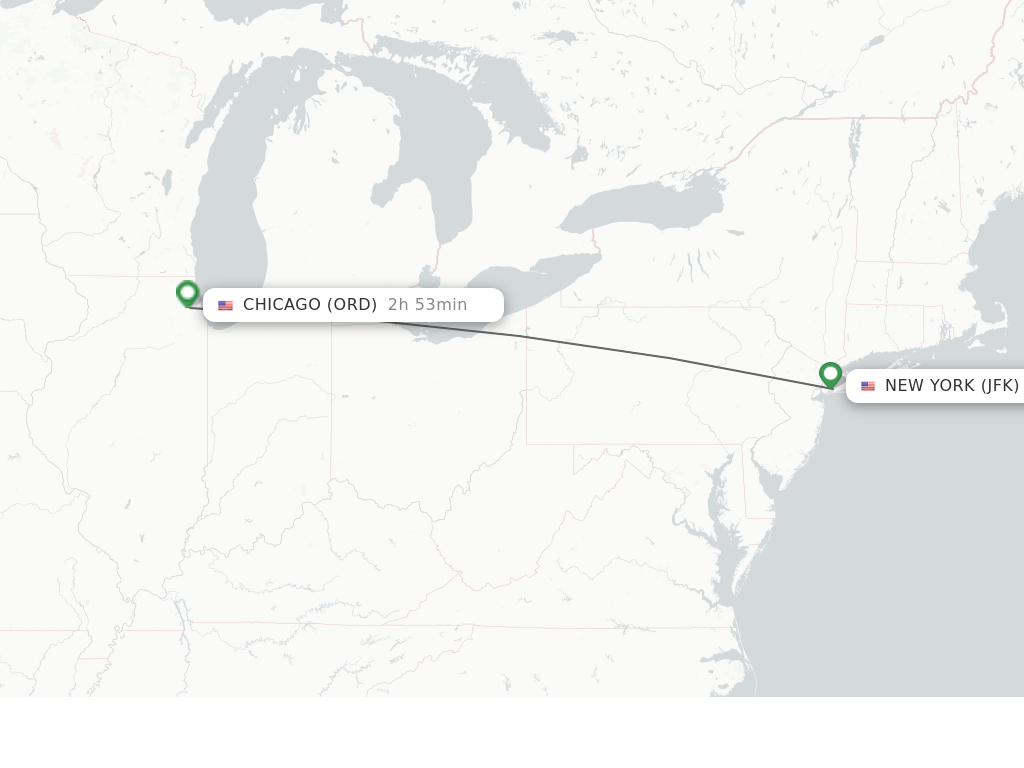
The direct flight time from New York to Chicago typically ranges from 2 hours to 2 hours and 30 minutes. This estimate accounts for the approximately 713-mile (1,147 km) distance between the two cities. This relatively short hop makes flying the most practical and efficient mode of transport for intercity travel between these hubs, far surpassing the time required for train or car journeys.
Travelers departing from the New York metropolitan area have a choice of three major international airports:
- John F. Kennedy International Airport (JFK): Located in Queens, JFK is a major international gateway, offering numerous flights to Chicago with various carriers.
- Newark Liberty International Airport (EWR): Situated in New Jersey but serving the New York City area, EWR is a significant hub for United Airlines and a convenient option for many.
- LaGuardia Airport (LGA): Also in Queens, LGA is predominantly an domestic airport known for its frequent short-haul flights, making it a popular choice for the Chicago route.
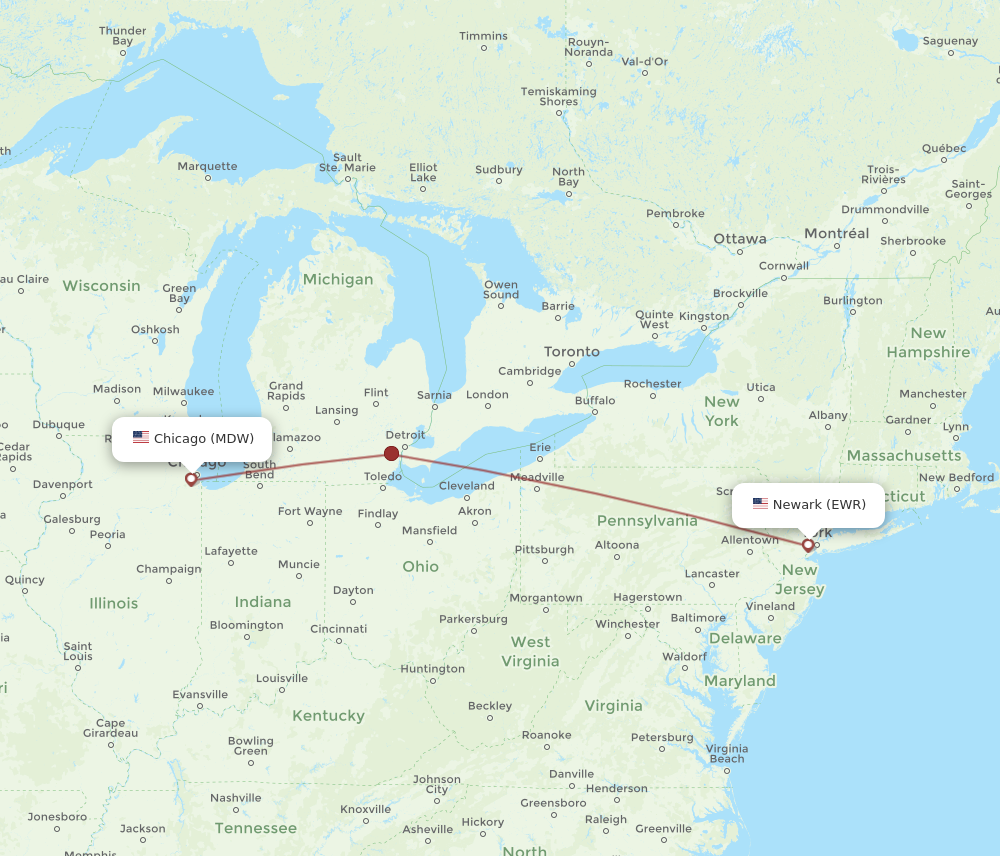
Upon arrival in Chicago, passengers typically land at one of two primary airports:
- O’Hare International Airport (ORD): One of the busiest airports in the world, O’Hare is a major hub for United Airlines and American Airlines, handling the majority of flights from New York.
- Midway International Airport (MDW): Closer to downtown Chicago, Midway is a key base for Southwest Airlines and generally offers a quicker exit to the city center.
Major airlines operating this route include American Airlines, United Airlines, Delta Air Lines, and Southwest Airlines, each offering multiple daily flights, catering to both business and leisure travelers.
Factors Influencing Flight Time
While the baseline flight duration is around two hours, several variables can cause deviations:
- Air Traffic Control (ATC) Delays: Both New York and Chicago airports are extremely busy. Congestion, ground stops, or rerouting due to ATC instructions can add significant time to the journey, especially during peak travel periods or adverse weather.
- Weather Conditions: Headwinds can increase flight duration, as the aircraft has to work harder against the opposing air currents. Conversely, tailwinds can shorten the flight. Storms, fog, or snow at either departure or arrival airport can also lead to delays or rerouting, impacting the overall travel time.
- Aircraft Type: While less impactful on such a short route, different aircraft models have varying cruising speeds. A newer, more efficient jet might shave a few minutes off the journey compared to an older model.
- Specific Flight Path: Airplanes don’t always fly in a straight line. Air traffic corridors, weather patterns, and military airspace restrictions can lead to slightly longer or shorter flight paths.
Beyond the Flight: Total Travel Time Considerations
Focusing solely on airborne time paints an incomplete picture. The door-to-door travel experience involves numerous stages before and after the flight itself, each contributing significantly to your overall journey duration. Smart planning for these segments can dramatically reduce stress and optimize your time.
Pre-Flight Essentials: From Your Door to the Gate
The journey begins long before you board the plane. How you prepare for and navigate the airport experience is paramount.
- Travel to the Airport: Depending on your starting point in the New York area, getting to JFK, LGA, or EWR can take anywhere from 30 minutes to over an hour, often longer during rush hour. Consider factors like traffic, public transportation availability (e.g., AirTrain JFK, PATH train to Newark), and the convenience of your chosen method (taxi, ride-share, shuttle).
- Check-in and Bag Drop: While online check-in streamlines the process, if you have checked baggage, you’ll need to allocate time for bag drop, which can vary from a quick automated process to a lengthy queue, especially with budget airlines or during peak times.
- Security Screening: This is often the most unpredictable segment. While programs like TSA PreCheck or Clear can significantly expedite the process, standard security lines can be lengthy, particularly at major airports like those serving New York. It’s advisable to arrive at least 1.5 to 2 hours before a domestic flight, especially if you don’t have expedited screening.
- Gate Transit and Boarding: After security, you’ll need time to navigate to your gate. Large airports mean considerable walking distances, potentially requiring shuttle buses or internal trains. Boarding typically begins 30-45 minutes before departure.
Post-Flight Logistics: Arrival and Your Final Destination
Once your plane touches down in Chicago, the journey isn’t over.
- Deplaning and Baggage Claim: Deplaning can take 10-20 minutes, depending on your seat location. If you checked a bag, retrieving it from baggage claim can add another 15-45 minutes.
- Ground Transportation in Chicago: Both O’Hare and Midway offer robust ground transport options.
- O’Hare: The CTA Blue Line provides direct access to downtown Chicago in about 45-60 minutes. Taxis and ride-shares will take a similar amount of time, depending on traffic.
- Midway: The CTA Orange Line connects to downtown in about 20-30 minutes, often a quicker option due to its closer proximity. Taxis and ride-shares are also readily available.
- Total Door-to-Door Time: Factoring in all these stages, a reasonable estimate for total travel time from a New York City accommodation to a Chicago downtown accommodation would be 4 to 6 hours, varying significantly based on traffic, airport efficiency, and personal preferences. This holistic view is essential for accurate trip planning.
Making the Journey Part of the Experience: Exploring New York and Chicago
Beyond the mechanics of travel, the journey between New York and Chicago connects two of America’s most vibrant cities, each offering a distinct array of destinations, attractions, and cultural experiences. For travelers, the flight is merely a bridge between opportunities for unforgettable adventures.
New York: The City That Never Sleeps
Before or after your flight, New York City beckons with its unparalleled energy and iconic landmarks. From the theatrical heart of Broadway to the serene pathways of Central Park, there’s an endless list of things to see and do.
- Landmarks & Attractions: Witness the dazzling lights of Times Square, take a ferry to see the Statue of Liberty and Ellis Island, explore world-class museums like the Metropolitan Museum of Art or the Museum of Modern Art (MoMA). Stroll across the Brooklyn Bridge for stunning skyline views or ascend the Empire State Building or Top of the Rock for panoramic vistas.
- Accommodation: New York offers an eclectic mix of hotels. For luxury travelers, historic gems like The Plaza Hotel or modern marvels such as The St. Regis New York provide unparalleled service. Boutique options like the Moxy Times Square or The Ludlow Hotel offer unique character. Budget-friendly choices can be found further afield in Brooklyn or Queens, or through apartment rentals for longer stays.
- Lifestyle & Culture: Dive into the diverse culinary scene, from Michelin-starred restaurants to street food carts. Catch a Broadway show, explore vibrant neighborhoods like Greenwich Village or Harlem, or enjoy the nightlife. The city’s energy is infectious, making every moment an experience.
Chicago: The Windy City’s Charms
Upon arrival in Chicago, travelers are greeted by stunning architecture, a vibrant arts scene, and a distinct Midwestern hospitality.
- Landmarks & Attractions: Marvel at the iconic Cloud Gate (The Bean) in Millennium Park, explore masterpieces at the Art Institute of Chicago, or enjoy family fun at Navy Pier. Ascend the Willis Tower Skydeck or 360 Chicago at the John Hancock Center for breathtaking views. Take an architectural boat tour along the Chicago River to appreciate the city’s unique skyline. Don’t forget the world-class museums in Museum Campus like Shedd Aquarium and Field Museum.
- Accommodation: Chicago offers a fantastic selection of hotels. Luxury options include The Langham Chicago or the Peninsula Chicago, often found along the Magnificent Mile. Trendy boutique hotels like Virgin Hotels Chicago or The Hoxton Chicago cater to modern tastes. Various mid-range and budget hotels, as well as serviced apartments, are available across different neighborhoods, from the Loop to River North.
- Lifestyle & Culture: Indulge in Chicago’s legendary deep-dish pizza, explore vibrant neighborhoods like Wrigleyville (home to Wrigley Field), or immerse yourself in the city’s rich blues and jazz scene. Chicago is also a fantastic destination for sports fans and has beautiful green spaces like Lincoln Park.
Planning Your Trip: Tips for a Seamless Experience
Effective planning can transform a potentially stressful journey into a smooth and enjoyable experience, maximizing your time in both New York and Chicago.
Best Time to Fly and Booking Strategies
- Seasonality: Flight times don’t change drastically with seasons, but prices and airport crowds do. Spring (April-May) and Fall (September-October) offer pleasant weather and manageable crowds. Summer is peak travel season, leading to higher fares and more congestion. Winter can bring snow delays but also lower prices.
- Booking in Advance: For the best fares and flight times, book your tickets several weeks, if not months, in advance. This is especially true for holidays and major events in either city.
- Flight Comparison Sites: Utilize platforms like Google Flights, Skyscanner, or Kayak to compare prices across different airlines and departure times. Be flexible with your travel dates to find the most economical options. Consider flying during off-peak hours (early morning or late night) for potentially shorter security lines and fewer delays.
Enhancing Your Comfort and Efficiency
- Airport Lounges: For frequent flyers or those seeking a more relaxed pre-flight experience, airport lounges offer a quiet escape with complimentary food, drinks, and Wi-Fi. Many credit cards offer lounge access, or you can purchase a day pass. Examples include the American Express Centurion Lounge or lounges accessible via Priority Pass.
- In-flight Comfort: On a relatively short flight, comfort is still key. Bring noise-canceling headphones, a good book, or download movies/shows to your device. Most major airlines offer in-flight Wi-Fi and entertainment on this route.
- Packing Smart: For short trips, consider traveling with only a carry-on to save time at baggage claim. Adhere to TSA liquid rules and ensure easy access to necessary documents.
Choosing the Right Accommodation
Whether you’re visiting New York or Chicago, selecting the right accommodation is vital for your overall experience.
- Hotel Booking Tips: Use reputable booking platforms and always check recent reviews. Look for hotels that align with your travel style – whether it’s a luxury resort with extensive amenities, a charming boutique hotel offering local character, or a budget-friendly option prioritizing convenience.
- Location, Location, Location: Consider the purpose of your trip. For business, proximity to your meeting location or public transport hubs is crucial. For leisure, being close to major attractions, dining, and entertainment can save significant travel time within the city.
- Amenities: Pay attention to amenities that matter to you, such as complimentary breakfast, fitness centers, reliable Wi-Fi, or pet-friendly policies. Many websites offer detailed comparisons to help you decide.
The flight from New York to Chicago is typically a quick and efficient journey, taking around 2 to 2.5 hours in the air. However, a truly seamless travel experience involves meticulously planning for all stages, from navigating bustling airports to exploring the vibrant offerings of these magnificent cities. By understanding the factors that influence travel time and employing smart planning strategies, you can transform a simple transit into an integral and enjoyable part of your overall adventure between the Big Apple and the Windy City.
LifeOutOfTheBox is a participant in the Amazon Services LLC Associates Program, an affiliate advertising program designed to provide a means for sites to earn advertising fees by advertising and linking to Amazon.com. Amazon, the Amazon logo, AmazonSupply, and the AmazonSupply logo are trademarks of Amazon.com, Inc. or its affiliates. As an Amazon Associate we earn affiliate commissions from qualifying purchases.