
Navigating the vibrant streets of Chicago, whether you’re a long-term resident or a first-time visitor, involves understanding various local regulations. Among the most crucial for anyone driving a vehicle within the city limits is the often-discussed Chicago City Sticker. This unassuming adhesive decal is more than just a piece of paper; it’s a mandatory permit that signifies your compliance with local vehicle tax laws and helps fund essential city services. For travelers planning an extended stay or those considering moving to the Windy City, comprehending the cost, necessity, and acquisition process of this sticker is paramount to a smooth and enjoyable experience, free from unexpected fines or inconveniences.
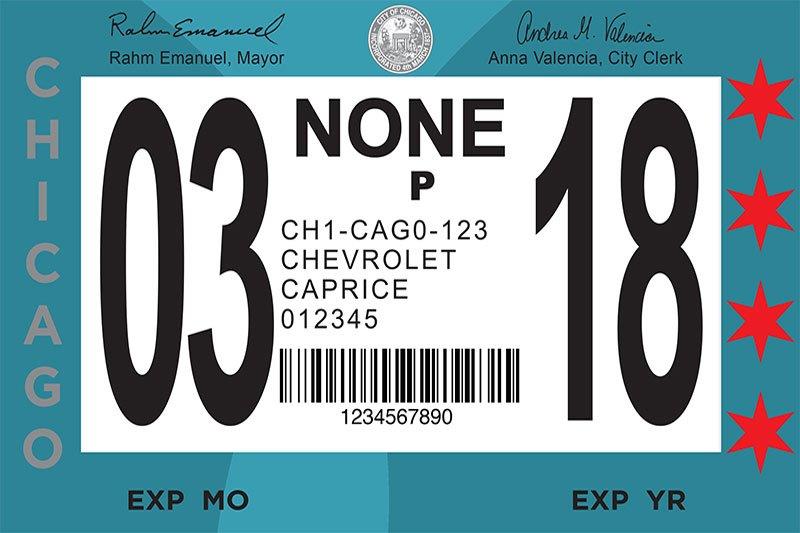
The Chicago City Sticker isn’t merely an administrative hurdle; it’s a critical component of urban infrastructure and lifestyle. Its fees contribute directly to the maintenance of Chicago’s extensive road network, public safety initiatives, and various community programs that enhance the quality of life for residents and the experience for tourists. From the bustling avenues of the Loop to the charming residential streets of Wicker Park or Lincoln Park, every vehicle registered to an address within Chicago or regularly parked on its streets is required to display this sticker. Failing to do so can quickly turn an otherwise pleasant trip or daily commute into a frustrating and costly encounter with municipal enforcement. This comprehensive guide will break down everything you need to know about the Chicago City Sticker, from its price tag and eligibility to the consequences of non-compliance, ensuring you’re well-prepared for your adventures in this iconic Illinois metropolis.
Understanding the Chicago City Sticker: What Every Driver Needs to Know
Before delving into the monetary aspects, it’s essential to grasp the fundamental nature and purpose of the Chicago City Sticker. This knowledge forms the bedrock of avoiding potential issues and understanding why this specific permit is a non-negotiable part of driving in Chicago.
What is the Chicago City Sticker?
At its core, the Chicago City Sticker is a vehicle tax, mandated by the City of Chicago ordinance. It acts as an annual registration for vehicles kept within the city, distinct from state vehicle registration or driver’s licenses. The revenue generated from these stickers is allocated to various municipal services, with a significant portion dedicated to maintaining the city’s vast network of streets, alleys, and traffic infrastructure. This ensures smoother commutes for residents and a more pleasant experience for visitors exploring attractions like Millennium Park, the Art Institute of Chicago, or Navy Pier. Each sticker is unique to a specific vehicle and typically expires on a predetermined date, often aligned with the owner’s state license plate renewal, making it easy to remember.
Who Needs a Chicago City Sticker?
The requirement for a Chicago City Sticker is broad and encompasses most vehicles operating within city limits. If you reside in Chicago and own a vehicle, it’s virtually guaranteed that you’ll need one. This includes cars, trucks, motorcycles, and even certain types of trailers. The rule generally applies to any vehicle that is primarily garaged or parked within the City of Chicago for at least 30 consecutive days. Even if your vehicle is registered elsewhere in Illinois or another state in the United States, but your primary residence is within Chicago, you are obligated to purchase and display the sticker.
There are a few key exceptions, primarily for temporary visitors. If you’re visiting Chicago for a short period – say, a vacation spanning a few days or weeks – and your vehicle is registered outside the city, you typically do not need a Chicago City Sticker. This is crucial for tourists flying into O’Hare International Airport or Midway International Airport and renting a car for their stay; generally, rental cars are handled by the rental company, and visitors don’t need to worry about purchasing a sticker themselves. However, if your “temporary” stay extends beyond 30 days, or if you establish residency, the requirement kicks in. This distinction is vital for those planning longer trips or considering a relocation, impacting both their travel budget and administrative checklist.
The Chicago City Sticker and Tourism in the Windy City
While the Chicago City Sticker is primarily a resident’s concern, its existence subtly influences the tourism and accommodation landscape. For visitors who drive into Chicago and stay for an extended period, perhaps for business or family reasons, understanding parking regulations becomes critical. Many hotels, especially those in prime locations like the Magnificent Mile or River North (e.g., Hyatt Regency Chicago, The Peninsula Chicago), offer valet or self-parking options. These services usually come with a daily fee that often includes the implicit cost of compliance with city regulations. For travelers on a budget or those opting for long-term apartment rentals, the responsibility of finding street parking or a residential parking spot may arise, at which point the sticker’s rules become relevant. Awareness of these nuances can help travelers plan their transportation and accommodation choices more effectively, whether they’re exploring Chicago’s famous landmarks or enjoying its diverse culinary scene.
Decoding the Costs: How Much Will You Pay?
The “how much” question is central to understanding the Chicago City Sticker. The cost varies based on several factors, primarily the type and weight of your vehicle. It’s not a one-size-fits-all fee, and understanding the different categories is essential for budgeting.
Standard Chicago City Sticker Fees
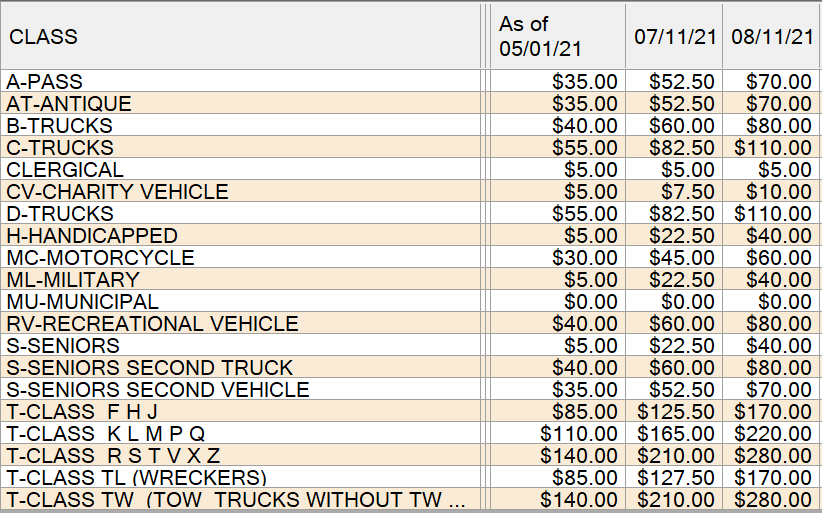
For most passenger vehicles, the standard annual fee for a Chicago City Sticker typically falls into a range. For example, a standard passenger vehicle weighing 4,500 lbs or less might cost around $87.75 per year. Heavier passenger vehicles, often exceeding 4,500 lbs, incur a higher fee, which can be around $136.26 annually. Motorcycles have a separate, generally lower fee, often around $48.83. Truck fees are considerably higher and are tiered based on gross vehicle weight. These prices are subject to change, so it’s always advisable to check the official Office of the City Clerk website for the most current rates. These costs represent an annual expense that must be factored into the overall lifestyle budget for anyone living in or considering a long-term stay in Chicago.
Understanding Prorated Rates and Discounts
The City of Chicago understands that not everyone purchases their vehicle or moves to the city at the start of the sticker’s validity period. Therefore, they offer prorated rates. If you purchase your sticker midway through its annual cycle, you will only pay a portion of the full annual fee. This is calculated based on the number of full months remaining until the sticker’s expiration date. This prorated system is particularly beneficial for new residents or those buying a vehicle partway through the year, as it prevents them from paying a full year’s fee for only a few months of coverage.
Additionally, certain discounts or exemptions may apply. Seniors (typically 65 years or older) are often eligible for a discounted rate on their primary passenger vehicle sticker, significantly reducing their annual cost to around $30. These discounts are an important consideration for budget travelers or retired individuals considering Chicago as a destination for long-term accommodation. Furthermore, persons with disabilities may also be eligible for certain considerations. Always verify eligibility requirements with the Office of the City Clerk.
Parking Permits vs. Chicago City Sticker: What’s the Difference?
It’s crucial not to confuse the Chicago City Sticker with a residential parking permit. While both are related to parking, they serve distinct purposes. The City Sticker is a general vehicle tax, signifying that your vehicle is registered to operate within the city. A residential parking permit, on the other hand, grants you the privilege to park on specific streets designated for residents only, typically within a particular zone (e.g., Lincoln Park or Gold Coast). You must possess a valid Chicago City Sticker before you can apply for a residential parking permit in a zoned area. This distinction is vital for tourists looking into apartment rentals or long-term stays where street parking might be their only option, as they’ll need to factor in both costs and administrative steps.
The Purchase Process: How and Where to Get Your Sticker
Acquiring a Chicago City Sticker is a straightforward process, designed for convenience. The Office of the City Clerk offers multiple avenues for purchase, catering to different preferences and schedules.
Online Purchase: Convenience at Your Fingertips

The most popular and convenient method for purchasing or renewing a Chicago City Sticker is online through the official Office of the City Clerk website. This option allows you to complete the entire transaction from the comfort of your home or accommodation, at any time. You’ll need your state license plate number, vehicle identification number (VIN), and sometimes a renewal reminder notice. Once purchased, the sticker is mailed to your registered address. This is particularly useful for busy professionals or those managing their travel plans and accommodations remotely. The online portal provides a clear, step-by-step guide, making it accessible even for those new to Chicago.
In-Person Options: City of Chicago Locations
For those who prefer face-to-face transactions or need immediate assistance, the Chicago City Sticker can be purchased in person at several locations across the city. The main Office of the City Clerk locations are available, along with designated currency exchanges and some aldermanic offices. Purchasing in person allows you to receive your sticker immediately, which is beneficial if you’re close to your expiration date or have just moved to the city. These locations are often strategically placed to serve various neighborhoods, ensuring accessibility for all residents. Be sure to check their operating hours and any specific requirements before visiting.
What Documents Do You Need?
Regardless of how you choose to purchase, you’ll need to have certain documents ready. Typically, this includes:
- Proof of Vehicle Ownership: Such as your vehicle’s registration card or title.
- Proof of Chicago Residency: A utility bill, lease agreement, or driver’s license showing a Chicago address.
- Valid Driver’s License: Your state-issued driver’s license.
- Payment Method: Credit card, debit card, or cash (for in-person purchases).
Having these documents prepared will streamline the process, allowing you to quickly acquire your sticker and continue exploring Chicago’s countless attractions, from the Shedd Aquarium to the Willis Tower.
Penalties and Enforcement: Avoiding Costly Mistakes
Ignoring the Chicago City Sticker requirement can lead to significant financial penalties and unnecessary stress, especially for those on a travel budget or managing a business stay. The City of Chicago actively enforces this ordinance, with tickets issued by the Chicago Police Department and parking enforcement officers.
Fines for Non-Compliance
The standard fine for failing to display a valid Chicago City Sticker is substantial, often starting at around $60. This fine can quickly escalate if not paid promptly. Moreover, if your vehicle is ticketed multiple times, the cumulative cost can become a significant burden. For travelers, an unexpected parking ticket can sour an otherwise enjoyable experience in a city known for its hospitality and rich cultural offerings. These fines are not merely an inconvenience; they are designed to encourage compliance and fund city services.
Towing and Impoundment: A Traveler’s Nightmare
Beyond fines, the most severe consequence of not displaying a valid sticker is having your vehicle towed and impounded. This nightmare scenario can arise if your vehicle is found without a sticker, particularly if it’s parked in a residential zone without the appropriate permit or left unattended for an extended period. The cost of retrieving an impounded vehicle can be astronomical, encompassing towing fees (often hundreds of dollars), daily storage fees, and the original parking violation fine. For visitors, this can mean a disruption to their travel plans, additional accommodation expenses, and a severe dent in their budget. It also highlights the importance of understanding local regulations when planning long-term accommodation.
Expiration Dates and Renewal: Stay Ahead of the Game
Each Chicago City Sticker has a specific expiration date, which is printed on the sticker itself. The Office of the City Clerk typically sends out renewal notices via mail or email well in advance. It is your responsibility to ensure timely renewal. Failing to renew before the expiration date carries the same penalties as not having a sticker at all. Setting a reminder on your calendar or opting for email notifications from the City of Chicago can help prevent oversight and ensure continuous compliance, allowing you to enjoy Chicago’s vibrant lifestyle without added stress.
Chicago City Sticker for Travelers and Visitors: Essential Tips
While primarily aimed at residents, the implications of the Chicago City Sticker extend to travelers and those considering an extended stay. Being prepared can save you time, money, and hassle.
Renting a Car in Chicago: What You Need to Know
For the vast majority of tourists visiting Chicago and renting a car from major agencies at airports like O’Hare International Airport or Midway International Airport, the Chicago City Sticker is usually not a concern. Reputable rental car companies operate fleets that are properly registered and compliant with all local ordinances, including displaying the necessary city stickers. Your rental agreement covers this. However, if you are planning to rent a car from a private individual or a less conventional service for an extended period, it would be prudent to inquire about their compliance to avoid any unexpected issues.
Long-Term Stays and Accommodation Considerations
If your visit to Chicago extends beyond 30 days, or if you plan to move to the city and bring your own vehicle, the Chicago City Sticker becomes your responsibility. When choosing accommodation, consider the parking situation. Many hotels, especially luxury hotels like Thompson Chicago, offer dedicated parking, often valet, for a daily fee. This is a convenient option for short stays, but for longer visits, the costs can add up.
For those in long-term apartment rentals or budget accommodations, street parking might be necessary. In such cases, understanding the Chicago City Sticker and whether your chosen neighborhood requires a separate residential parking permit is crucial. Factor these potential costs and administrative steps into your overall accommodation budget. Some areas, like the Loop or River North, have fewer residential parking options and relying on garages or paid lots is more common.
Exploring Chicago’s Attractions: Navigating with Ease
With your Chicago City Sticker (or rental car’s compliance) in order, you can confidently explore all that Chicago has to offer. Drive along the scenic shores of Lake Michigan, visit world-class museums like the Field Museum or the Adler Planetarium, or enjoy the free wonders of Lincoln Park Zoo and Grant Park. While public transport in Chicago is excellent, having a vehicle provides flexibility, especially for day trips outside the city center or carrying luggage. By being aware of and complying with the city sticker requirement, you ensure that your focus remains on enjoying the incredible experiences Chicago provides, from its stunning architecture (perhaps a Chicago Architecture Center river cruise!) to its iconic Cloud Gate sculpture.
In conclusion, while the Chicago City Sticker may seem like just another bureaucratic formality, it’s a fundamental aspect of driving in this vibrant metropolis. Understanding its costs, requirements, and the consequences of non-compliance is essential for both residents and long-term visitors. By staying informed and proactive, you can ensure a hassle-free experience, allowing you to fully immerse yourself in the rich culture, dynamic attractions, and unique lifestyle that make Chicago one of the world’s most beloved cities. Factor this small but significant detail into your travel plans and enjoy everything the Windy City has to offer without a hitch.
LifeOutOfTheBox is a participant in the Amazon Services LLC Associates Program, an affiliate advertising program designed to provide a means for sites to earn advertising fees by advertising and linking to Amazon.com. Amazon, the Amazon logo, AmazonSupply, and the AmazonSupply logo are trademarks of Amazon.com, Inc. or its affiliates. As an Amazon Associate we earn affiliate commissions from qualifying purchases.