
Navigating the vibrant streets of Chicago is an experience unlike any other, whether you’re a long-term resident, a new transplant, or a visitor embarking on an extended stay in the Windy City. From its iconic architecture to its world-class dining and bustling cultural scene, Chicago offers an endless array of attractions. However, for anyone considering driving or owning a vehicle within city limits, there’s a crucial piece of administrative detail that often catches people off guard: the Chicago City Sticker. This isn’t just another tax; it’s a mandatory permit that allows vehicles to operate and park on Chicago streets. Understanding its costs, requirements, and implications is essential for a smooth and penalty-free experience, contributing to the overall cost and convenience of your lifestyle in this dynamic metropolis.

The primary question on many minds is, “How much does a Chicago City Sticker actually cost?” The answer, as with many urban regulations, isn’t a simple flat fee. It varies based on several factors, including the type and weight of your vehicle, the time of year you purchase it, and even your eligibility for certain discounts. This comprehensive guide aims to demystify the Chicago City Sticker, providing you with all the information you need to budget for it, apply for it, and avoid costly fines, ensuring your travel or residency in Chicago is as enjoyable as possible.
Navigating Chicago’s Vehicle Regulations: Why a City Sticker Matters
For newcomers and long-term residents alike, the idea of a municipal vehicle sticker can seem like an added layer of bureaucracy. However, the Chicago City Sticker serves a vital purpose for the city. It’s a significant revenue source that helps fund essential city services, including road maintenance, public safety initiatives, and various community programs that contribute to the quality of life and attractiveness of Chicago as a destination. For a city as large and complex as Chicago, these funds are indispensable.
Who Needs a Chicago City Sticker?
The rule is quite clear: if your vehicle is primarily garaged within the city limits of Chicago, it needs a city sticker. This applies to a wide range of vehicles, including passenger cars, sport utility vehicles (SUVs), trucks, motorcycles, and even certain types of recreational vehicles. The requirement is not just for permanent residents; if you operate a business in Chicago and garage a company vehicle here, it also needs a sticker.
What about visitors? Generally, short-term visitors or tourists bringing their own cars for a brief vacation are not required to purchase a city sticker. If you’re staying at a hotel or accommodation for a few days or weeks and your vehicle is registered elsewhere, you typically won’t need one. However, if your stay extends for an indefinite period, or if you establish residency and change your mailing address to Chicago, the requirement kicks in. This distinction is crucial for understanding whether this cost impacts your budget travel plans or your long-term lifestyle expenses in the city. When moving to Chicago and registering your vehicle with the State of Illinois at a Chicago address, you are expected to purchase a city sticker.
Consequences of Non-Compliance: Don’t Get Fined!
Failing to display a current Chicago City Sticker is not merely an oversight; it’s a violation that can lead to significant financial penalties. The Chicago Police Department and parking enforcement officers regularly issue tickets for expired or missing stickers. A common fine for not having a valid sticker is around $200, but this can increase significantly if not paid promptly or if compounded with other parking violations.
Beyond the initial fine, persistent non-compliance can lead to more severe repercussions, including your vehicle being booted or even towed. The costs associated with booting and towing, including impoundment fees and daily storage charges, can quickly escalate into hundreds of dollars, far exceeding the cost of the sticker itself. Such an experience can be a major headache and a significant dent in your travel budget or monthly expenses, disrupting your plans to explore landmarks like Millennium Park or visit world-class attractions such as the Art Institute of Chicago. Therefore, understanding and adhering to the city’s regulations is not just about legality; it’s about financial prudence and hassle-free living or visiting.
Decoding the Costs: What You’ll Pay for Your Chicago City Sticker
The price of a Chicago City Sticker is not uniform. It’s determined by a tiered system, primarily based on the weight and type of your vehicle. This system aims to fairly distribute the cost based on the wear and tear vehicles impose on city infrastructure.
Standard Fees and Vehicle Classes
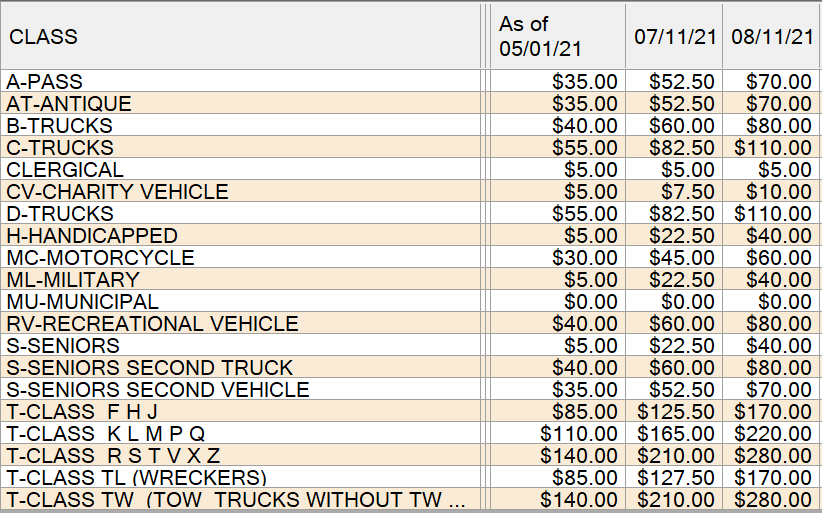
The city categorizes vehicles into several classes, each with its own annual fee structure. While exact figures are subject to change, here’s a general breakdown of typical costs (as of recent years, always verify with the Office of the City Clerk for the most current rates):
- Passenger Vehicles (Small/Standard): This category typically includes most sedans, small SUVs, and coupes. The annual fee usually falls in the range of $87.
- Passenger Vehicles (Large/Heavy): Larger SUVs, minivans, and heavier passenger vehicles generally incur a higher fee, often around $136.
- Trucks: Non-commercial trucks are also categorized by weight. Lighter trucks might fall into the higher passenger vehicle bracket, while heavier trucks can have annual fees ranging from $200 to over $400.
- Motorcycles: Motorcycles typically have a lower annual fee, often around $48.
- Specialty Vehicles: Other categories, such as recreational vehicles (RVs) or trailers, might have their own specific fee schedules.
These fees are typically for a full year. It’s important to remember that these are base rates. The actual amount you pay can be affected by when you purchase the sticker, as discussed in the next section.
Understanding Proration and Renewal
The Chicago City Sticker is valid for a 12-month period, but its expiration date is typically aligned with your Illinois license plate expiration, which means it aligns with your vehicle’s state registration. This synchronization simplifies the renewal process, as you often handle both at roughly the same time.
- Proration: If you purchase your city sticker mid-year, the fee is often prorated. This means you only pay for the remaining months until your next renewal cycle. For example, if your license plate expires in June and you buy a sticker in January, you’ll pay for six months of the sticker. This proration helps prevent new residents or vehicle owners from paying for a full year when they only need a portion of it.
- Renewal Process: Renewing your sticker is generally straightforward. You can typically renew online through the Office of the City Clerk website, by mail, or in person at various city locations or authorized retailers. Early renewal is often encouraged to avoid last-minute rushes and potential lapses in coverage. Planning for this annual expense is a key aspect of managing your lifestyle budget in Chicago.
Special Considerations and Discounts
Chicago offers specific discounts and exemptions for certain residents, reflecting the city’s commitment to supporting various community members.
- Seniors: Residents who are 65 years or older may be eligible for a discounted rate on one passenger vehicle city sticker per household. This discount is a valuable benefit for older adults managing fixed incomes.
- Disabled Veterans: Qualified disabled veterans may be eligible for a free city sticker. This benefit acknowledges their service and sacrifices.
- People with Disabilities: Residents with disabilities may also qualify for a reduced rate or other accommodations, often tied to their state-issued disability placards or license plates.
To qualify for these discounts, you generally need to provide proof of age, veteran status, or disability, along with valid vehicle registration and residency documentation. These programs are important considerations for those budgeting for a long-term stay or permanent residency in Chicago.
The Application Process: Getting Your Sticker Hassle-Free
Acquiring your Chicago City Sticker is a relatively simple process, designed to be accessible to all residents. Knowing the steps in advance can save you time and ensure you meet all requirements.
Where to Purchase Your City Sticker
The Office of the City Clerk oversees the issuance of city stickers and provides several convenient options for purchase:
- Online: The most convenient method for many is purchasing through the Office of the City Clerk’s official website. This allows you to apply and pay from home, with the sticker typically mailed to you within a few business days.
- In Person: You can visit one of the Office of the City Clerk’s locations throughout the city. This option is ideal if you need assistance, have questions, or prefer immediate receipt of your sticker.
- Authorized Retailers: Many currency exchanges and select grocery stores across Chicago are authorized to sell city stickers. These locations often offer extended hours, providing greater flexibility. Look for signs indicating “City Stickers Sold Here.”
- Mail: You can also renew by mail, though this method is generally slower and less common in the digital age.
Choosing the right purchasing method depends on your preference for convenience, speed, and any need for in-person assistance.
Required Documentation
Regardless of how you purchase your sticker, you’ll need to provide certain information and documentation to verify your eligibility and vehicle details. Typically, this includes:
- Vehicle Information: Your vehicle’s license plate number, Vehicle Identification Number (VIN), make, and model. This information is usually found on your state registration card.
- Proof of Residency: A valid Illinois Driver’s License or State ID with a Chicago address, or other documents proving your residency within city limits (e.g., utility bill).
- Proof of Ownership/Registration: Your current Illinois vehicle registration.
Having these documents ready will streamline your application process and prevent any delays.
Displaying Your Sticker Correctly
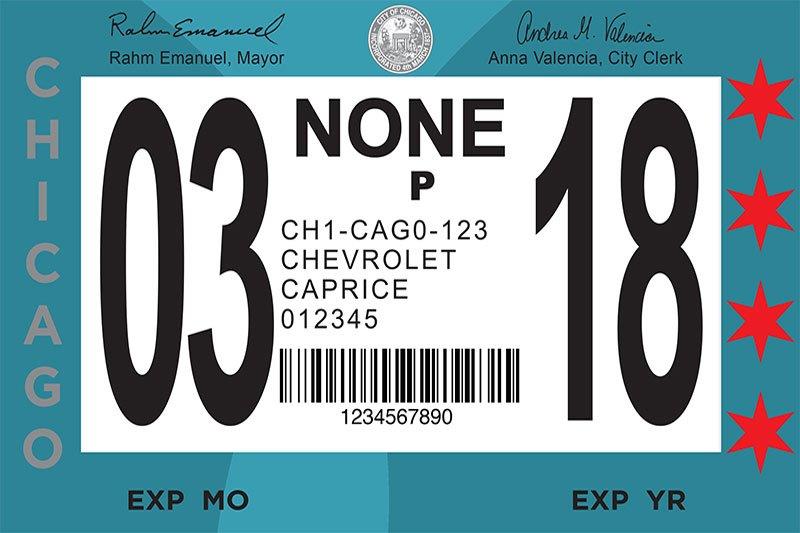
Once you receive your Chicago City Sticker, correct placement is paramount. The sticker must be affixed to the lower passenger-side corner of your front windshield. It should be fully visible from the outside of the vehicle and not obstructed by tint, other stickers, or objects. Improper display can lead to a ticket, even if you have a valid sticker. The intent is for parking enforcement officers to easily verify compliance. Carefully follow the instructions provided with the sticker for proper adhesion, ensuring it’s securely attached and not prone to falling off or being tampered with.
Beyond the Sticker: Driving and Parking in the Windy City
While the city sticker is a key requirement, it’s just one aspect of navigating Chicago’s automotive landscape. For residents and visitors alike, understanding parking regulations and alternative transportation options is equally important for a seamless experience. This is especially relevant for those staying in hotels or apartments where parking can be a premium amenity or a significant challenge.
Parking Regulations and Residential Parking Permits
Chicago is notorious for its stringent parking rules. Street parking can be particularly challenging in dense urban areas like The Loop, Wrigleyville, or near popular landmarks. Many residential neighborhoods have zoned parking, meaning only residents with specific parking permits are allowed to park on certain streets during designated hours.
- Residential Parking Permits: If you live in a zoned parking area, your city sticker is a prerequisite for purchasing a residential parking permit (often a separate decal) that allows you to park on your block. These permits are crucial for residents in areas with high demand for street parking. The cost of these permits is usually separate from the city sticker fee.
- Metered Parking: Throughout the city, metered parking is widely available. Rates vary depending on the location and time of day, often being highest in commercial districts. Always check the signage carefully, as parking restrictions can change hourly. Many meters are now paid via mobile apps like ParkChicago, offering convenience for tourism and local errands.
- Garages and Lots: For guaranteed parking, especially when visiting attractions or staying at hotels, commercial parking garages and lots are abundant. While more expensive than street parking, they offer peace of mind and security, particularly for those on a luxury travel itinerary or business stay. Many hotels offer valet parking, which, while convenient, can significantly add to accommodation costs.
Exploring Chicago: Transportation Alternatives for Tourists
For visitors, and even many residents, driving in Chicago isn’t always the most efficient or cost-effective way to get around. The city boasts an excellent public transportation system, making it an ideal choice for exploring destinations without the hassles of parking and traffic.
- CTA (Chicago Transit Authority): The CTA operates an extensive network of ‘L’ trains and buses that cover almost every part of the city. A Ventra Card provides easy access, and multi-day passes are available, making it perfect for tourists visiting Navy Pier, Museum Campus, or Lincoln Park.
- Metra: For those venturing into the suburbs or arriving from surrounding Cook County areas, Metra commuter rail offers convenient service to and from downtown Chicago.
- Ride-Sharing & Taxis: Services like Uber and Lyft, as well as traditional taxis, are readily available throughout the city, providing a convenient door-to-door option, especially late at night or when carrying luggage to or from O’Hare International Airport or Midway International Airport.
- Biking & Walking: For shorter distances, especially in pedestrian-friendly areas like the Magnificent Mile or along the lakefront, walking and biking (using Divvy bike-share) are fantastic ways to experience the city’s culture and vibrant atmosphere.
Considering these alternatives can significantly reduce the need for personal vehicles, potentially alleviating the burden of a city sticker for those whose primary reason for driving is beyond essential local errands.
Making the Most of Your Chicago Visit (or Residency)
Ultimately, navigating the requirements for a Chicago City Sticker is just one part of integrating into or visiting one of the United States’ most captivating cities. Whether you’re planning a thrilling family trip, a focused business stay, or making Chicago your new home, understanding these local regulations contributes to a smoother and more enjoyable experience.
Balancing Convenience and Compliance
For many, the convenience of having a personal vehicle in Chicago outweighs the associated costs and regulations. It offers flexibility for weekend getaways, grocery runs, or visits to areas less served by public transit. However, this convenience comes with responsibilities, and the city sticker is one of the most fundamental. By proactively understanding the requirements, budgeting for the fees, and ensuring timely renewals, you can avoid unnecessary stress and financial penalties, allowing you to focus on all the incredible experiences Chicago has to offer.
Key Takeaways for Drivers in Chicago
- Mandatory for Residents: If your vehicle is primarily garaged in Chicago, a city sticker is required.
- Cost Varies: Fees depend on vehicle type, weight, and purchase timing (proration). Always check the official Office of the City Clerk website for current rates.
- Don’t Risk Fines: Non-compliance leads to hefty fines and potential towing, significantly impacting your budget.
- Easy Purchase Options: Buy online, in person, or at authorized retailers.
- Display Correctly: Ensure the sticker is properly affixed to the passenger-side windshield.
- Consider Alternatives: Chicago’s public transit is excellent; evaluate if driving is truly necessary for your travel or daily lifestyle.
By keeping these points in mind, you’re well-equipped to navigate Chicago’s vehicle regulations. The cost of a Chicago City Sticker is a necessary investment for vehicle owners in the city, but with proper planning and awareness, it’s a manageable part of enjoying everything this magnificent destination has to offer.
LifeOutOfTheBox is a participant in the Amazon Services LLC Associates Program, an affiliate advertising program designed to provide a means for sites to earn advertising fees by advertising and linking to Amazon.com. Amazon, the Amazon logo, AmazonSupply, and the AmazonSupply logo are trademarks of Amazon.com, Inc. or its affiliates. As an Amazon Associate we earn affiliate commissions from qualifying purchases.