
Chicago, a city celebrated for its towering architecture, deep-rooted cultural heritage, and vibrant urban energy, stands proudly on the shores of Lake Michigan in the United States. Often referred to as the “Windy City,” its reputation extends far beyond its meteorological quirks, drawing millions of travelers from around the globe to experience its unique blend of history, innovation, and genuine Midwestern hospitality. For those planning a visit, or simply curious about what makes this metropolis so iconic, Chicago offers a compelling narrative of ambition, artistry, and an unwavering spirit.
From its pivotal role in the development of modern architecture to its unparalleled contributions to music, cuisine, and sports, Chicago has carved out a distinct identity on the world stage. It’s a destination that caters to every interest, whether you’re an art enthusiast, a food lover, a history buff, a sports fanatic, or simply seeking an unforgettable urban adventure. The city’s diverse neighborhoods, each with its own character and charm, invite exploration, promising a rich tapestry of experiences that reflect the multicultural fabric of its population.
This article delves into the various facets that define Chicago’s global fame, exploring its iconic landmarks, its gastronomic delights, its groundbreaking cultural institutions, and the dynamic lifestyle that pulsates through its streets. We’ll uncover why Chicago is not just a place to visit, but a place to experience, remember, and revisit. Whether you’re considering a luxurious getaway, a budget-friendly trip, a family vacation, or a business stay, understanding what makes Chicago famous is the first step toward crafting your perfect itinerary in this extraordinary city.
A City of Architectural Marvels and Iconic Landmarks
One of Chicago’s most undeniable claims to fame is its breathtaking skyline and pioneering architecture. Following the Great Chicago Fire of 1871, the city rebuilt itself with an audacious vision, becoming the birthplace of the skyscraper and a living museum of architectural innovation. This legacy continues to define its urban landscape, making it a paradise for anyone interested in design, history, and engineering marvels.
Soaring Skyscrapers and Unique Design
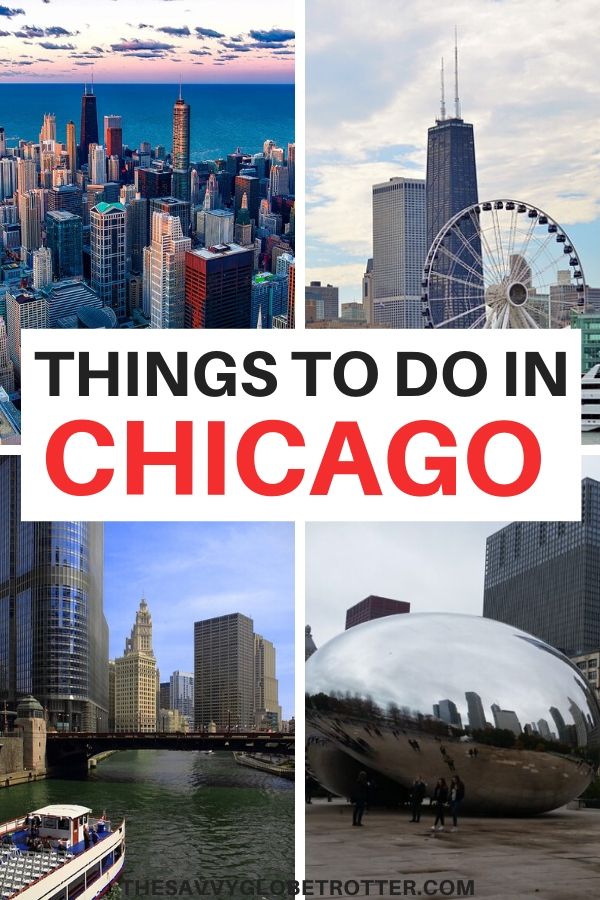
The city’s commitment to groundbreaking architecture is immediately apparent. The majestic Willis Tower (formerly Sears Tower), for decades the tallest building in the world, remains an engineering marvel and offers unparalleled panoramic views from its Skydeck. Equally iconic is 875 North Michigan Avenue (formerly the John Hancock Center), instantly recognizable by its distinctive X-braced exterior. These structures are not just buildings; they are symbols of Chicago’s ambition and its enduring influence on urban development.
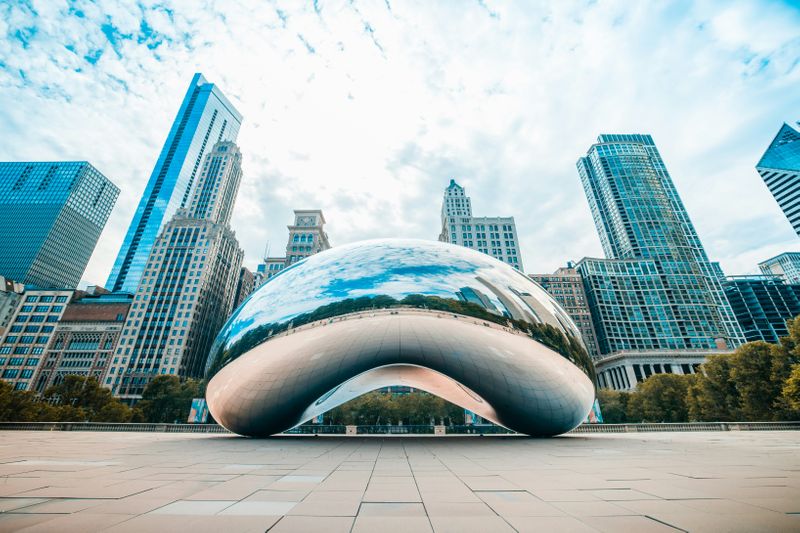
Beyond the skyscrapers, Millennium Park stands as a testament to public art and innovative urban planning. Its crown jewel, Cloud Gate, affectionately known as “The Bean,” is a reflective, elliptical sculpture by Anish Kapoor that warps the city skyline into captivating reflections, drawing countless visitors for photographs and contemplation. Nearby, the Jay Pritzker Pavilion, designed by Frank Gehry, hosts free concerts and cultural events throughout the year, adding a vibrant dimension to the park.
Art lovers will find themselves at home at the Art Institute of Chicago, one of the oldest and largest art museums in the United States. Its vast collection spans centuries and continents, featuring masterpieces from Impressionism to contemporary art. The museum’s Beaux-Arts architecture itself is a sight to behold, complementing the treasures held within its walls.
Historic Districts and Scenic Riverwalks
The Magnificent Mile, a stretch of Michigan Avenue running from the Chicago River to Oak Street, embodies the city’s blend of historic grandeur and modern luxury. Lined with upscale boutiques, department stores, luxury hotels, and world-class restaurants, it’s a premier shopping and dining destination. Historic buildings like the Chicago Water Tower and Pumping Station, which miraculously survived the Great Chicago Fire, stand as enduring symbols amidst the contemporary splendor.
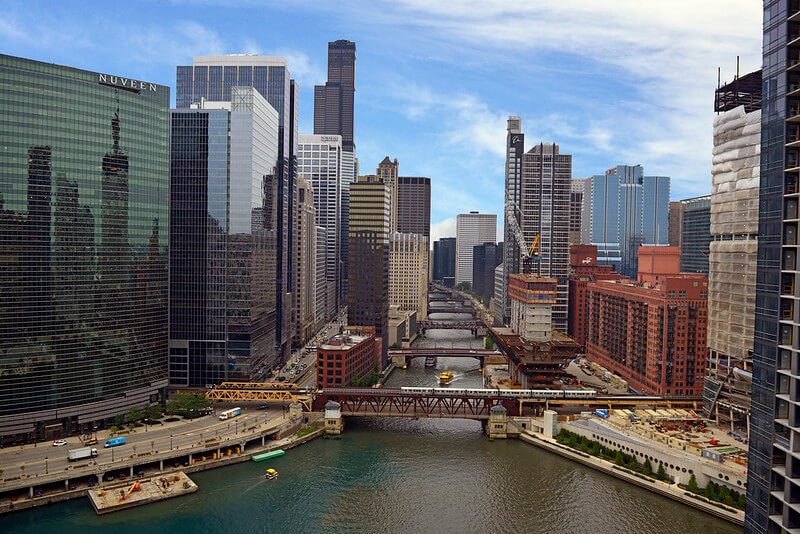
For a unique perspective on Chicago’s architectural prowess, a boat tour along the Chicago River is essential. These tours provide fascinating insights into the designs and history of the buildings that line the riverbanks, narrated by expert guides. The recently developed Chicago Riverwalk offers another delightful way to experience the urban waterscape, with its lively restaurants, bars, and public art installations. It’s an ideal spot for a leisurely stroll, offering stunning views and a bustling atmosphere.
Further south, Grant Park, often called “Chicago’s front yard,” is a massive urban green space that hosts major events like Lollapalooza and features the iconic Buckingham Fountain, one of the largest fountains in the world. This park, along with its sister Millennium Park, provides a vital green lung for the city, offering residents and visitors alike a refuge from the urban hustle and bustle. The blend of impressive structures and thoughtfully designed public spaces underscores Chicago’s commitment to both grandeur and livability, solidifying its reputation as an architectural and landmark destination.
A Culinary Hotspot and Vibrant Cultural Scene
Chicago’s fame extends far beyond its physical structures, diving deep into the realms of taste, sound, and artistic expression. It is a city that stimulates all the senses, renowned globally for its distinctive culinary traditions and its profound contributions to music and the arts. From comforting local staples to sophisticated fine dining, and from the soulful wails of the blues to the improvisational brilliance of jazz, Chicago offers an unparalleled cultural immersion.
Deep-Dish Pizza and Beyond: A Gastronomic Journey
No discussion of what Chicago is famous for would be complete without mentioning its culinary prowess, starting, of course, with the legendary deep-dish pizza. This iconic dish, with its thick, buttery crust, generous layers of cheese, and chunky tomato sauce, is more than just a meal; it’s a Chicago institution. Establishments like Lou Malnati’s, Giordano’s, and Pequod’s Pizza are pilgrimage sites for pizza aficionados seeking an authentic taste of the city.
But the city’s culinary identity is far richer than just its signature pizza. The Chicago-style hot dog, a steamed or grilled all-beef frankfurter “dragged through the garden” with yellow mustard, chopped white onions, bright green sweet pickle relish, a dill pickle spear, tomato slices or wedges, pickled sport peppers, and a dash of celery salt, all on a poppy seed bun, is another local delicacy that captures the city’s unique flavor profile. Vendors across the city offer this vibrant, flavorful treat, making it a must-try for any visitor.
Beyond these staples, Chicago boasts a world-class dining scene that rivals any major global city. It’s home to numerous Michelin-starred restaurants, showcasing innovative cuisine from renowned chefs. The city’s diverse neighborhoods also offer an incredible array of international eateries, from authentic Mexican taquerias in Pilsen to vibrant Vietnamese restaurants in Argyle Street, reflecting the rich tapestry of immigrant cultures that have shaped Chicago’s identity. Food tours are a popular way to explore this gastronomic landscape, allowing visitors to sample various delights and learn about the city’s culinary history.
The Birthplace of Blues and Jazz, and World-Class Museums
Chicago holds a revered place in the history of American music, particularly as a pivotal center for blues and jazz. The Great Migration brought African American musicians from the South to Chicago in the early 20th century, transforming the raw Delta blues into the electric Chicago Blues sound. Legendary venues like Kingston Mines and Buddy Guy’s Legends continue to host live blues performances nightly, keeping this soulful tradition alive. Similarly, the city’s jazz clubs, with their intimate settings and incredible talent, offer a captivating glimpse into another crucial chapter of American music. The Chicago Blues Festival and Chicago Jazz Festival are annual highlights, drawing artists and fans from across the globe.
In addition to its musical heritage, Chicago is home to an impressive collection of museums that cater to every intellectual curiosity. The previously mentioned Art Institute of Chicago is just one gem within the city’s cultural crown. The Museum of Science and Industry, housed in the beautifully preserved Palace of Fine Arts from the 1893 World’s Columbian Exposition, offers interactive exhibits ranging from a real German U-505 submarine to a working coal mine replica.
The Field Museum showcases natural history wonders, including “Sue,” the most complete Tyrannosaurus Rex skeleton ever discovered, alongside extensive collections covering anthropology, biology, and geology. Completing the city’s “Museum Campus” are the Shedd Aquarium, a leading indoor aquarium, and the Adler Planetarium, offering immersive celestial explorations. These institutions provide not only entertainment but also invaluable educational experiences, cementing Chicago’s reputation as a cultural powerhouse. The city’s thriving theater scene, anchored by institutions like Steppenwolf Theatre Company and the iconic improv hub The Second City, further enriches its cultural landscape, ensuring there’s always a captivating performance to discover.
Green Spaces, Sports Culture, and Urban Lifestyle
Chicago’s allure is not confined to its architectural grandeur or its indoor cultural institutions; the city famously embraces its natural surroundings and fosters a vibrant outdoor and community-oriented lifestyle. Despite its status as a major metropolis, Chicago seamlessly integrates vast green spaces and a passionate sports culture into the fabric of daily life, creating a unique urban experience that blends bustling city energy with refreshing natural escapes and fervent team spirit.
Parks, Waterfronts, and Outdoor Activities
One of Chicago’s most remarkable features is its expansive park system and its accessible waterfront along Lake Michigan. The city’s commitment to preserving public access to the lakefront means miles of beaches, bike paths, and open spaces are available for recreation. From North Avenue Beach to Ohio Street Beach, sunbathers, swimmers, and volleyball players flock to the sandy shores during the warmer months, enjoying stunning skyline views as a backdrop. The Lakefront Trail, a multi-use path stretching for 18 miles, is a favorite for cyclists, joggers, and walkers, offering continuous scenic views of the lake and city.
Beyond the lakefront, Lincoln Park stands as one of the city’s largest and most beloved parks, encompassing not only vast green areas but also the Lincoln Park Zoo. This free-admission zoo is a cherished institution, home to hundreds of animals and providing educational experiences for families and wildlife enthusiasts. Within Lincoln Park, visitors can also find the Peggy Notebaert Nature Museum and a historic conservatory, adding to the park’s appeal as a diverse recreational and educational hub.
Millennium Park and Grant Park, as previously mentioned, are not just sites for iconic art and fountains; they are also integral to Chicago’s outdoor lifestyle. They serve as venues for outdoor concerts, festivals, and community events throughout the year, transforming into vibrant gathering spaces that reflect the city’s dynamic public life. Whether it’s ice skating in the winter, picnicking in the summer, or simply enjoying a leisurely stroll, Chicago’s parks and waterfronts offer endless opportunities for relaxation and engagement with nature in an urban setting.
Passion for Sports and Unique Neighborhoods
Chicago is famously a city of passionate sports fans, with a deep-seated loyalty to its professional teams. Baseball holds a special place in the hearts of Chicagoans, divided between supporters of the Chicago Cubs and the Chicago White Sox. A visit to Wrigleyville, the historic neighborhood surrounding Wrigley Field, home of the Cubs, is an experience in itself, even outside of game day. The vibrant atmosphere, historic stadium, and dedicated fan base create an unforgettable sporting spectacle. Similarly, the White Sox at Guaranteed Rate Field draw a fiercely loyal South Side crowd.
Beyond baseball, the city rallies behind its other major league teams: the legendary Chicago Bulls in basketball, who dominated the NBA with Michael Jordan in the 1990s; the Chicago Blackhawks in hockey, a perennial contender; and the Chicago Bears in American football, with their rich history and dedicated fan base. Attending a game is more than just watching sports; it’s an immersion into Chicago’s collective spirit and competitive pride.
The city’s urban lifestyle is further enriched by its distinct and diverse neighborhoods, each offering a unique character and set of attractions. From the bohemian charm of Wicker Park and Bucktown with their independent boutiques and vibrant nightlife, to the historic elegance of the Gold Coast and the cultural richness of Chinatown, exploring these areas provides a deeper understanding of Chicago’s multifaceted identity. These neighborhoods are where local culture truly thrives, offering everything from quaint cafes and independent bookstores to bustling markets and community festivals, making Chicago famous not just for its grand landmarks, but for its lively and livable communities.
Planning Your Chicago Experience: Hotels and Accommodation
For any journey to a city as vast and varied as Chicago, meticulous planning of accommodation and overall travel logistics is key to maximizing the experience. Whether you’re seeking the opulent comfort of a luxury hotel, the personalized touch of a boutique stay, or the convenience of a budget-friendly option, Chicago offers a comprehensive range of choices designed to cater to every preference and purpose of visit.
Diverse Options for Every Traveler
Chicago is home to an impressive array of hotels and accommodation options, reflecting its status as a major global destination for both tourism and business. For those seeking the pinnacle of luxury, the city boasts world-renowned establishments such as The Langham Chicago and The Peninsula Chicago, consistently ranked among the best hotels globally. These properties offer exquisite amenities, unparalleled service, and often breathtaking views of the city skyline or Lake Michigan, perfect for a lavish travel experience or a significant business stay. Other notable luxury choices include Four Seasons Hotel Chicago and the Waldorf Astoria Chicago, providing exceptional comfort and sophisticated environments.
Mid-range hotels, including popular chains like Marriott, Hilton, and Hyatt properties, are abundant, offering a balance of comfort, convenience, and value. Many are strategically located near major attractions like the Magnificent Mile, the Loop, or Navy Pier, making it easy to access the city’s famous sights. For travelers on a budget, Chicago also provides a good selection of hostels, budget hotels, and extended-stay apartments, particularly in areas slightly outside the immediate city center, offering affordable yet comfortable options.
Beyond traditional hotels, the rise of short-term rental apartments and villas provides alternatives for those seeking a more local experience, more space for family trips, or amenities like a full kitchen for longer stays. Websites dedicated to booking and comparing accommodation options are invaluable resources for finding the perfect match, with detailed reviews and comprehensive comparison tools to aid in the decision-making process. Whether you’re looking for suites with stunning views, resorts with extensive amenities, or cozy apartments for a long-term stay, Chicago’s accommodation scene is diverse enough to meet every traveler’s needs.
Maximizing Your Stay in the Windy City
To truly immerse yourself in what Chicago is famous for, consider the timing of your visit. The summer months (June to August) offer warm weather, bustling outdoor festivals, and vibrant street life, but also higher prices and larger crowds. Spring and fall provide milder temperatures and often fewer tourists, making them ideal for exploring the city’s outdoor attractions and enjoying comfortable strolls. Winter transforms Chicago into a festive wonderland, with ice skating rinks, holiday markets, and cozy indoor attractions, though it requires preparedness for cold weather.
Navigating Chicago is made easy by its excellent public transportation system, the CTA (Chicago Transit Authority), which includes the iconic ‘L’ train and extensive bus routes. Purchasing a multi-day pass can be a cost-effective and convenient way to explore. For specific guided experiences, consider joining specialized tours – from architectural boat tours along the Chicago River to food tours that delve into the city’s culinary history.
In terms of lifestyle choices, Chicago caters to all. Luxury travelers can indulge in high-end shopping on the Magnificent Mile and fine dining experiences. Budget travelers can enjoy free attractions like Millennium Park and the Lincoln Park Zoo, alongside affordable eateries. Family trips will find countless kid-friendly activities at museums like the Museum of Science and Industry and the Shedd Aquarium. Business stays are well-supported by hotels with excellent amenities, conference facilities, and convenient access to the financial district. By leveraging these tips and exploring the wide range of options available, every visitor can craft a truly personalized and unforgettable Chicago experience, delving deep into all the reasons this extraordinary city is famous.
LifeOutOfTheBox is a participant in the Amazon Services LLC Associates Program, an affiliate advertising program designed to provide a means for sites to earn advertising fees by advertising and linking to Amazon.com. Amazon, the Amazon logo, AmazonSupply, and the AmazonSupply logo are trademarks of Amazon.com, Inc. or its affiliates. As an Amazon Associate we earn affiliate commissions from qualifying purchases.