
When planning a trip to a vibrant metropolis like Chicago, understanding local nuances, including communication essentials, is key to a smooth and enjoyable experience. Whether you’re coordinating with tour guides, booking last-minute reservations, or simply staying in touch with loved ones, knowing the correct area code for the Windy City is a fundamental piece of information. This guide delves into Chicago’s area codes, but also expands to cover everything a traveler needs to know about visiting this iconic Midwest gem, from its legendary landmarks and diverse culinary scene to top-tier accommodation options and the unique lifestyle it offers. Prepare to discover how to navigate not just the phone lines, but the entire urban landscape of one of the United States’ most captivating cities.

Navigating Communication in the Windy City: Chicago’s Area Codes
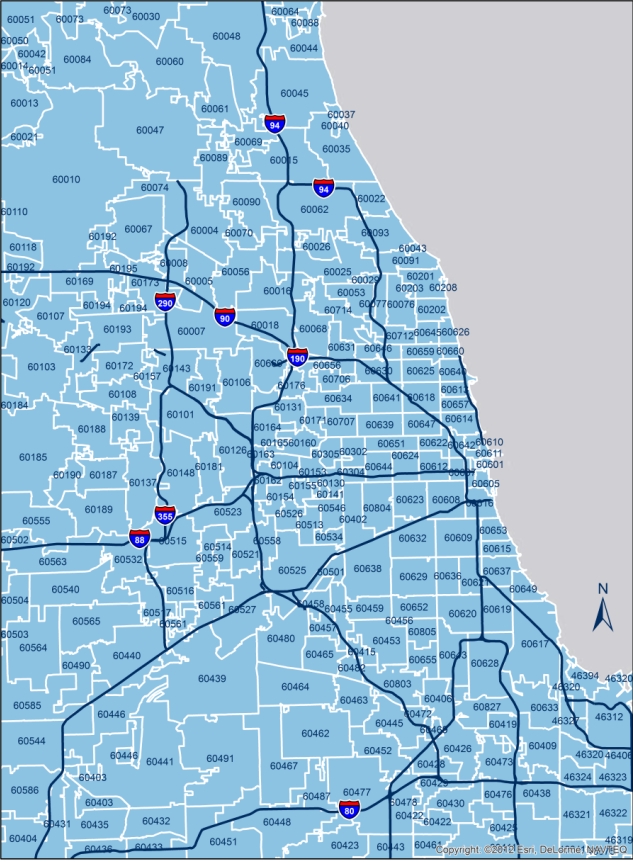
Understanding the area codes for Chicago is surprisingly straightforward, yet crucial for anyone planning to connect with local businesses or individuals. Unlike some cities that are served by a single, monolithic area code, Chicago and its immediate surrounding areas utilize a system of multiple codes, primarily due to its vast population and extensive infrastructure. This reflects the city’s growth and the demand for a plentiful supply of phone numbers.
The Primary Area Codes Serving Chicago
Historically, the city of Chicago was solely served by the 312 area code. This particular code holds a special significance, as it is largely reserved for the city’s bustling downtown core, often referred to as “the Loop.” If you’re contacting a business or resident within the central business district, or many of the iconic skyscrapers, you’re likely dialing a 312 number. This concentration in the heart of the city gives 312 a certain prestige and immediate recognition among locals.
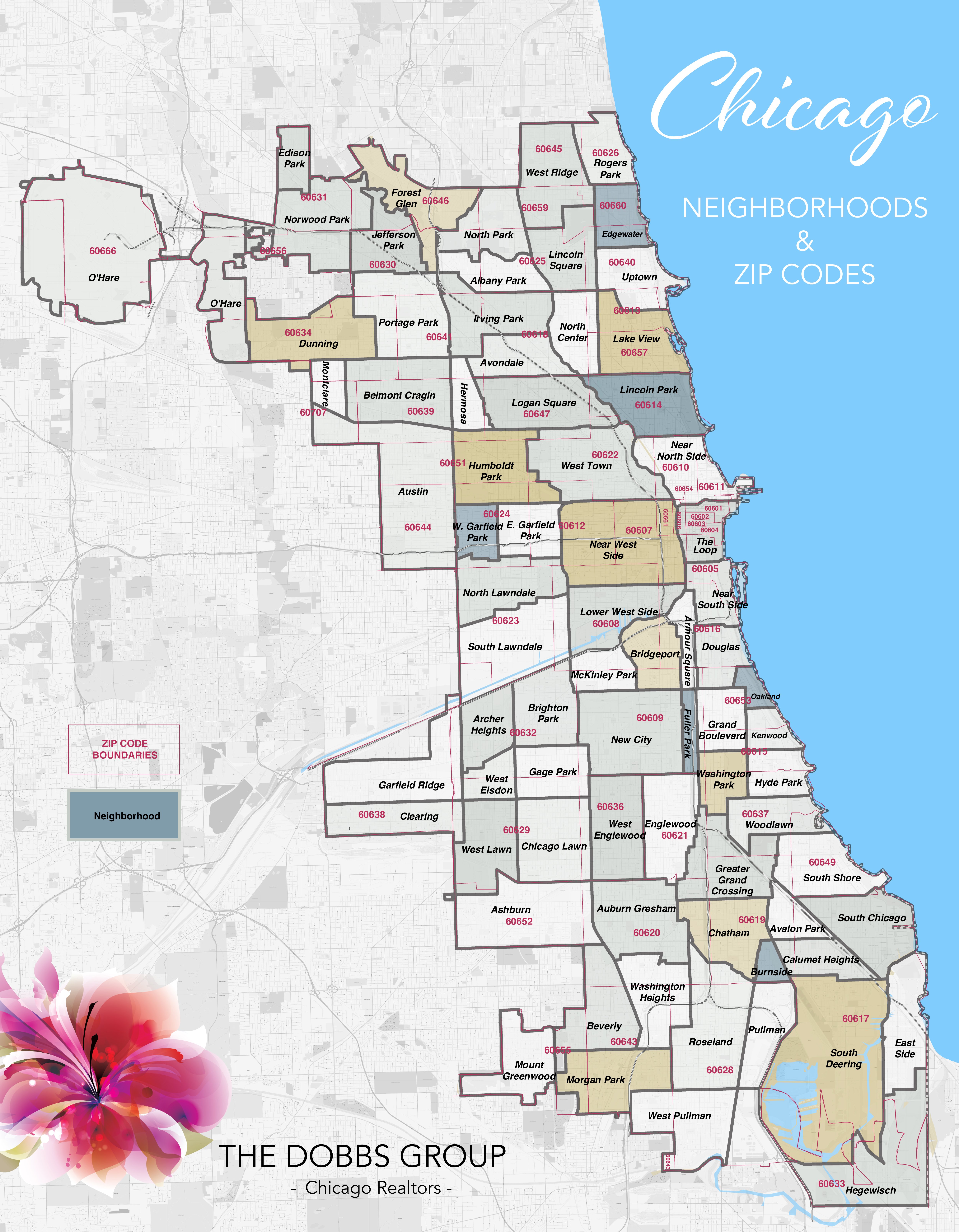
As Chicago expanded beyond its central limits, and the demand for new phone numbers grew exponentially, new area codes were introduced. The 773 area code was established to cover the majority of the city’s neighborhoods outside of the downtown core. So, if you’re looking for an authentic deep-dish pizza joint in Lincoln Park or a blues club in Uptown, you’ll likely encounter a 773 number. This geographical split ensures that the historic 312 code remains dedicated to the iconic city center, while 773 serves the vibrant tapestry of residential and commercial areas that make up the rest of the city proper.
More recently, due to continued growth and the proliferation of mobile devices, an overlay area code, 872, was introduced. This means that 872 numbers can be assigned to new lines anywhere within both the 312 and 773 service areas. It’s an “overlay” because it doesn’t represent a distinct geographical region but rather adds more available numbers across the existing footprint. This requires ten-digit dialing (area code + seven-digit number) even for local calls within Chicago, which has become standard practice for residents and visitors alike. When making a call, always include the full ten-digit number, regardless of which area code you’re contacting within the Chicagoland area.
Beyond the Call: Essential Communication for Travelers
While knowing the area codes is practical, modern travel communication extends far beyond making phone calls. For visitors to Chicago, seamless connectivity often hinges on reliable internet access and a strategic approach to mobile usage. Most hotels in Chicago, from luxury resorts to budget-friendly apartments, offer complimentary Wi-Fi, which is an excellent way to stay connected, access maps, book attractions, and communicate via messaging apps without incurring roaming charges. Many popular tourist spots, cafes, and public libraries also provide free Wi-Fi access.
If you’re traveling internationally, consider purchasing a local SIM card upon arrival or utilizing an eSIM service that offers affordable data plans for the United States. This often proves more cost-effective than international roaming plans provided by your home carrier. For emergencies, remember the universal emergency number in the United States is 911 for police, fire, or medical assistance. Always keep your phone charged, or carry a portable power bank, especially when exploring, to ensure you can stay connected and navigate safely through the bustling streets of Chicago.
Chicago Awaits: Planning Your Unforgettable Journey
Beyond the practicalities of communication, Chicago is a city that beckons with an unparalleled blend of architectural marvels, world-class museums, vibrant cultural scenes, and an unforgettable culinary landscape. Planning your visit involves selecting from an abundance of experiences that cater to every interest, from art lovers and history buffs to foodies and sports enthusiasts. To truly immerse yourself in the spirit of the Windy City, it’s helpful to have a roadmap of its most iconic offerings.
Iconic Landmarks and Must-See Attractions
Chicago’s skyline is instantly recognizable, defined by a legacy of innovative architecture. No visit is complete without marveling at the awe-inspiring structures that pierce the sky. Start your architectural journey with a famed Chicago Riverwalk architectural boat tour, offering unique perspectives on buildings like the Tribune Tower, Merchandise Mart, and the Marina City towers. For panoramic views, ascend to the Skydeck Chicago at the Willis Tower, where “The Ledge” glass boxes offer an exhilarating perspective over the city.
The city’s green spaces are just as captivating. Millennium Park is a modern urban oasis, home to the iconic Cloud Gate sculpture (affectionately known as “The Bean”), the interactive Crown Fountain, and the stunning Jay Pritzker Pavilion. Adjacent to it lies Grant Park, Chicago’s “front yard,” hosting the magnificent Buckingham Fountain and serving as a venue for major festivals.
Culture vultures will be in paradise with Chicago’s array of world-class museums. The Art Institute of Chicago boasts an encyclopedic collection spanning centuries and continents, while the Field Museum captivates with natural history exhibits, including “Sue,” the most complete T-Rex skeleton ever found. Next door, the Shedd Aquarium offers immersive aquatic experiences, and the Museum of Science and Industry provides fascinating interactive exhibits for all ages. For a free and family-friendly outing, the Lincoln Park Zoo is a cherished urban sanctuary.
Don’t forget the lively Navy Pier, offering Ferris wheel rides, boat cruises, and entertainment, or the upscale shopping, dining, and luxury hotels along the Magnificent Mile. For sports fans, catching a Cubs game at historic Wrigley Field in the lively Wrigleyville neighborhood is an iconic Chicago experience.
Culinary Delights and Local Culture
Chicago’s culinary scene is as diverse as its population, but two dishes stand out as quintessential Chicago experiences: deep-dish pizza and the Chicago-style hot dog. Indulge in a hearty slice at institutions like Lou Malnati’s or Giordano’s, where the cheese and crust are just as famous as the sauce. For the hot dog, remember: no ketchup allowed! Look for vibrant yellow mustard, chopped white onions, bright green sweet pickle relish, a dill pickle spear, tomato slices or wedges, pickled sport peppers, and a dash of celery salt, all nestled in a poppy seed bun.
Beyond these staples, Chicago offers an incredible array of dining, from Michelin-starred establishments to authentic ethnic eateries in neighborhoods like Pilsen (Mexican), Argyle Street (Vietnamese), and Andersonville (Swedish and diverse).
The city’s cultural heartbeat can be felt in its legendary jazz and blues clubs. Venues like Kingston Mines and Andy’s Jazz Club offer unforgettable nights of live music, a testament to Chicago’s profound influence on American music. Explore the unique boutiques and lively nightlife of neighborhoods like Wicker Park and Logan Square, or catch a show at one of the many renowned theaters. Public art installations are scattered throughout the city, adding to its vibrant and dynamic atmosphere, making every walk an artistic discovery.
Choosing Your Perfect Chicago Accommodation
Finding the right accommodation in Chicago is crucial for enhancing your travel experience. The city offers an extensive range of options, from opulent five-star hotels that define luxury travel to charming boutique stays and practical, budget-friendly choices. Your selection will likely depend on your travel style, budget, desired amenities, and the specific neighborhoods you wish to explore. Booking in advance, especially during peak seasons or major events like Lollapalooza or the Taste of Chicago, is highly recommended to secure the best rates and locations.
Luxury Stays and Boutique Experiences
For travelers seeking an indulgent escape, Chicago boasts an impressive collection of luxury hotels that epitomize sophistication and world-class service. These establishments often feature gourmet dining, award-winning spas, state-of-the-art fitness centers, and impeccable concierge services. Consider the unparalleled elegance of The Langham Chicago, renowned for its river views and refined ambiance, or the timeless grandeur of the Four Seasons Hotel Chicago, perched atop the Magnificent Mile. The Peninsula Chicago offers an exquisite blend of Asian hospitality and urban chic, while boutique options like Thompson Chicago in Gold Coast provide a more intimate, stylish experience with personalized touches. These hotels often serve as landmarks themselves, offering not just a place to sleep, but a destination within a destination.
Mid-Range Comfort and Family-Friendly Options
If you’re looking for a balance between comfort, amenities, and value, Chicago’s mid-range hotel market is robust and varied. Many of these hotels are conveniently located near major attractions and offer excellent facilities for families, business travelers, or couples. The Hyatt Regency Chicago, situated right on the Chicago Riverwalk, offers expansive rooms and multiple dining options, making it ideal for both leisure and business. The Embassy Suites Chicago Downtown is a popular choice for families, providing spacious suites, complimentary breakfast, and an evening reception. The Loews Chicago Hotel near Navy Pier offers modern comforts and fantastic city views, often including pools and other amenities that enhance a longer stay. These hotels typically provide a blend of comfort, convenience, and services like gyms, business centers, and accessible public transport connections, ensuring a comfortable stay without breaking the bank.
Budget-Conscious Choices and Unique Stays
For travelers keeping a close eye on their budget, Chicago still delivers quality options. The city offers a range of hostels that provide clean, secure, and socially vibrant environments, often located in central areas close to public transit. Additionally, numerous extended-stay apartments and guesthouses can be found in various neighborhoods, offering more space and the flexibility of self-catering, which can significantly reduce food costs. Websites for booking, reviews, and comparison tools are invaluable for finding the best deals and understanding what past guests have experienced. Consider exploring neighborhoods slightly outside the immediate downtown core, such as those in Lincoln Park, Lakeview, or Wicker Park, which often provide more affordable rates while still offering excellent access to the city’s attractions via the efficient CTA public transportation system. For a unique experience, look into boutique hotels outside the downtown area, or even guesthouses that reflect the local character, allowing you to live like a local during your visit.
Lifestyle in Chicago: Beyond Tourism
Chicago is not just a collection of sights and sounds; it’s a dynamic city with a distinct lifestyle that changes with the seasons and offers endless opportunities for engagement beyond the typical tourist itinerary. Embracing the local rhythm, from community events to efficient transportation, enriches any visitor’s experience, providing a deeper connection to the city’s soul.
Seasonal Experiences and Events
The city truly transforms throughout the year, offering unique experiences with each changing season. Summer in Chicago is legendary, bursting with outdoor festivals. Lollapalooza draws music lovers from around the globe to Grant Park, while the Taste of Chicago celebrates the city’s diverse culinary landscape. The beaches along Lake Michigan become vibrant hubs for relaxation and recreation, and countless neighborhood street festivals offer local food, art, and music.
As fall arrives, the city’s parks and tree-lined streets erupt in stunning foliage, providing picturesque backdrops for strolls along the Chicago Riverwalk or through Lincoln Park. The cooler weather is perfect for exploring indoor attractions and enjoying cozy dining experiences.
Winter in Chicago brings a magical transformation, despite the cold. Outdoor ice skating rinks pop up in places like Millennium Park, and the charming Christkindlmarket at Daley Plaza offers a festive German-inspired shopping and culinary experience. The holiday decorations along the Magnificent Mile are spectacular, and indoor cultural institutions provide a warm escape.
Spring sees the city reawaken with blooming flowers and the anticipation of summer. Outdoor patios reopen, and the city’s energy is palpable as residents emerge to enjoy the milder temperatures and vibrant atmosphere. Checking local event calendars before your trip can reveal a wealth of community-specific activities, concerts, and markets that offer a glimpse into local life.
Getting Around and Practical Tips
Navigating Chicago is remarkably easy thanks to its comprehensive public transportation system, the CTA (Chicago Transit Authority). The iconic “L” train system (elevated and subway lines) connects virtually every neighborhood and major attraction, including direct links to both O’Hare International Airport and Midway International Airport. Buses complement the train lines, providing extensive coverage throughout the city. Purchasing a Ventra card for easy tap-and-go access to trains and buses is highly recommended for visitors.
Beyond public transit, rideshare services like Uber and Lyft are readily available, as are traditional taxis. For those who enjoy exploring on foot, many of Chicago’s key attractions, particularly in the downtown area, are within walking distance of each other. The city is also bike-friendly, with numerous dedicated lanes and a popular Divvy bike-sharing program.
A few practical tips for your visit:
- Weather: Chicago’s weather can be unpredictable. Pack layers, regardless of the season, and always check the forecast before heading out.
- Tipping: Standard tipping practices apply in the United States (15-20% for service staff in restaurants, taxis, etc.).
- Safety: While generally safe, like any large city, it’s wise to be aware of your surroundings, especially at night, and stick to well-lit, populated areas.
- Best Time to Visit: Late spring (May-June) and early fall (September-October) offer pleasant weather, fewer crowds, and a full calendar of events, making them ideal times to experience Chicago at its best.
In conclusion, understanding Chicago’s area codes is just one small but important detail in planning an incredible journey. This city offers a tapestry of experiences, from its towering architecture and world-class cultural institutions to its delectable cuisine and lively neighborhoods. With thoughtful planning regarding accommodation, transportation, and local immersion, your visit to Chicago is sure to be an unforgettable adventure.
LifeOutOfTheBox is a participant in the Amazon Services LLC Associates Program, an affiliate advertising program designed to provide a means for sites to earn advertising fees by advertising and linking to Amazon.com. Amazon, the Amazon logo, AmazonSupply, and the AmazonSupply logo are trademarks of Amazon.com, Inc. or its affiliates. As an Amazon Associate we earn affiliate commissions from qualifying purchases.