
Nestled on the southwestern shores of Lake Michigan, Chicago stands as a beacon of urban dynamism, a sprawling metropolis renowned for its iconic skyline, rich cultural tapestry, and unparalleled hospitality. As a premier destination for travelers worldwide, understanding the pulse of the city often begins with a fundamental question: What is the population of Chicago? More than just a number, the city’s population is the living, breathing force that shapes its vibrant neighborhoods, fuels its diverse economy, and creates the unforgettable experiences that draw millions of visitors each year.
For anyone planning a trip, considering a longer stay, or simply curious about what makes the “Windy City” tick, grasping its demographic landscape provides invaluable insight. It helps illustrate the demand for world-class hotels and diverse accommodation options, the sheer variety of culinary delights, the expansive network of public transportation, and the sheer energy that permeates every street and attraction. From its bustling downtown core to its charming residential enclaves, Chicago’s population is the invisible architect of its unique character, influencing everything from local culture and groundbreaking architecture to the myriad of lifestyle choices available to residents and tourists alike.

This comprehensive guide will delve into the latest population figures for Chicago and its broader metropolitan area, exploring the demographic trends that define this global city. We’ll also uncover how these numbers directly impact the travel and tourism industry, highlighting the array of landmarks, activities, and accommodations that cater to a city of millions. Whether you’re seeking luxury travel experiences, budget-friendly options, or a deep dive into local life, the narrative of Chicago’s population is intrinsically woven into the fabric of your potential adventure.
Chicago’s Dynamic Demographics: A Snapshot of a Global City
To truly appreciate Chicago as a travel destination and a hub of activity, it’s essential to understand the scale of its population. The city is not merely a collection of buildings; it’s a vibrant ecosystem sustained by millions of individuals, each contributing to its unique character and allure.
The Core Numbers: City, County, and Metro Area
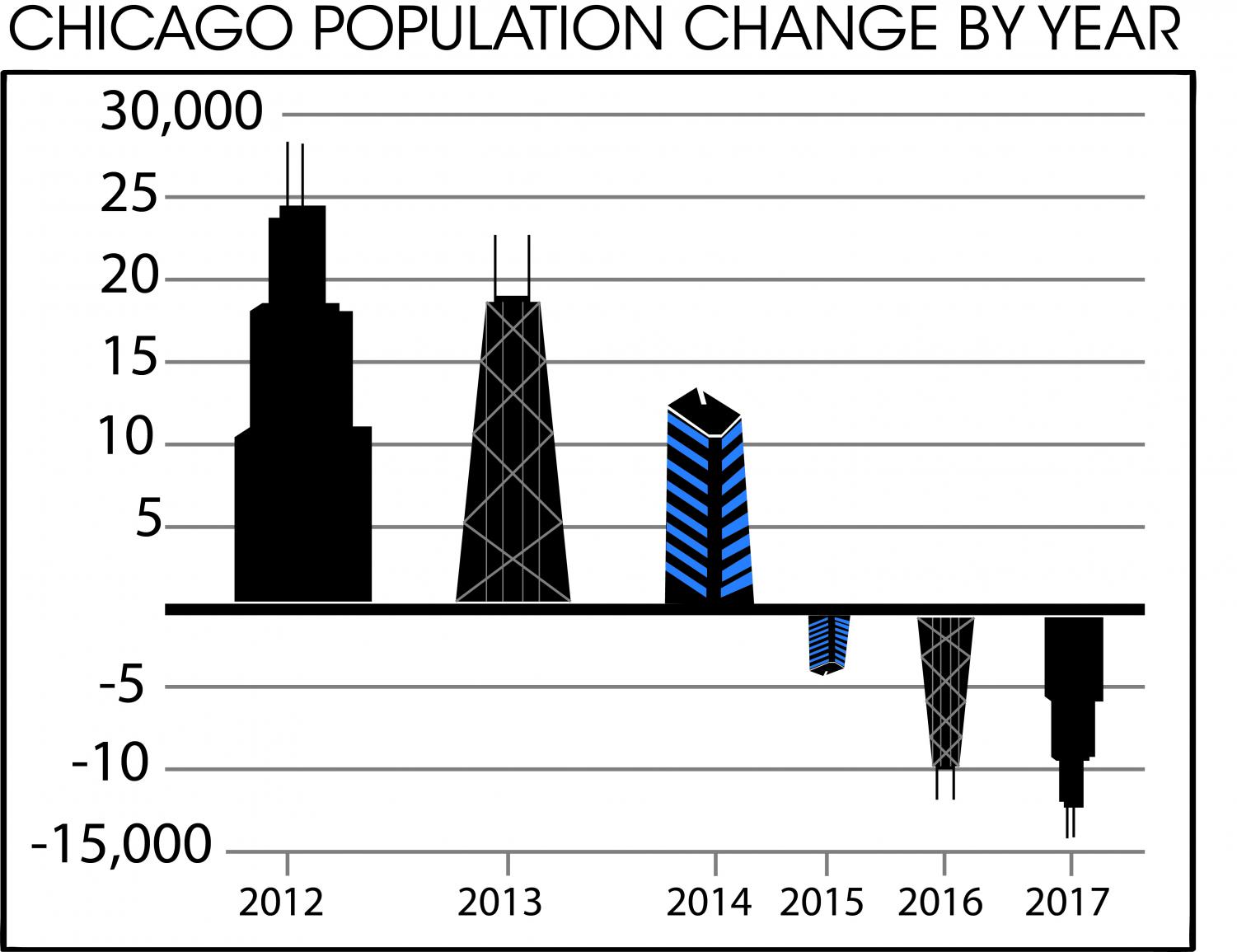
As of the most recent estimates, the population of the City of Chicago is approximately 2.7 million residents. This makes it the most populous city in the state of Illinois and the third most populous city in the United States, trailing only New York City and Los Angeles.
However, the influence and reach of Chicago extend far beyond its official city limits. The city serves as the economic and cultural anchor of Cook County, which is one of the most populous counties in the United States with a population of around 5.2 million. When considering the broader economic and social footprint, it’s crucial to look at the Chicago Metropolitan Area, often referred to as Chicagoland. This vast region, encompassing several counties in Illinois, Indiana, and Wisconsin, boasts a staggering population of nearly 9.5 million people. This makes Chicagoland the third-largest metropolitan area in the United States by population, further solidifying Chicago’s status as a global economic powerhouse and a major center for travel and commerce.
Understanding these figures is vital for travelers. The city’s population density means a bustling urban environment, efficient public transportation systems, and a high concentration of services, restaurants, and attractions within accessible reach. The metropolitan area’s immense size, on the other hand, hints at a vast network of suburbs, parks, and diverse communities, each offering unique experiences for those willing to explore beyond the downtown core.
A Tapestry of Cultures: How Diversity Shapes Chicago
Beyond the raw numbers, the demographic composition of Chicago is a story of incredible diversity. The city has historically been a melting pot, attracting immigrants and migrants from across the globe, each group contributing to its unique cultural mosaic. Today, Chicago is home to a vibrant mix of ethnicities and cultures, reflected in its neighborhoods, culinary scene, festivals, and arts.
Major ethnic groups include significant populations of African Americans, Hispanic/Latino residents (with strong Mexican and Puerto Rican communities), and a growing Asian population, alongside a historically robust European heritage. This diversity isn’t just a statistical fact; it’s a living, breathing aspect of the Chicago experience for any traveler.
- Culinary Delights: The diverse population directly translates into an incredible array of food options, from authentic Mexican taquerias in Pilsen and vibrant Vietnamese eateries in Uptown to traditional Polish delis and world-class fine dining. Food tourism is a huge draw, and it’s deeply rooted in the city’s multicultural fabric.
- Neighborhood Character: Each neighborhood tells a story of immigration and community. Stroll through Little Italy or Chinatown, and you’ll encounter distinct architectural styles, languages, and traditions that create a genuinely immersive experience.
- Festivals and Events: The year-round calendar of festivals celebrates Chicago’s diversity, from the St. Patrick’s Day parade and the Taste of Chicago to numerous ethnic street fairs and music festivals like Lollapalooza and the Chicago Blues Festival. These events offer fantastic opportunities for visitors to engage with local culture and traditions.
This rich tapestry of cultures makes Chicago an endlessly fascinating place to visit, offering a window into global traditions right in the heart of the Midwest.
The Pulse of the City: How Population Fuels Chicago’s Travel Scene
The sheer volume of people who call Chicago home, combined with the millions who visit annually, directly influences every facet of its travel and tourism industry. This dynamic interplay creates a vibrant and competitive market for accommodation, a diverse range of attractions, and a bustling culinary and cultural landscape.
Accommodation Landscape: Catering to Millions
With a metropolitan area housing almost 9.5 million people and attracting upwards of 60 million visitors each year (pre-pandemic figures), Chicago’s demand for accommodation is immense and varied. This robust demand has fostered a thriving hotel industry that caters to every conceivable travel style and budget.
- Luxury Hotels: For those seeking an opulent lifestyle experience, Chicago offers an impressive array of five-star properties, primarily concentrated along the Magnificent Mile and in River North. Names like The Peninsula Chicago, Waldorf Astoria Chicago, and Thompson Chicago provide unparalleled service, exquisite dining, and sophisticated amenities. These resorts and boutique hotels are perfect for business stays, romantic getaways, or travelers desiring a lavish escape.
- Business and Convention Hotels: As a major business hub, Chicago hosts countless conferences and conventions. Hotels like the Hyatt Regency Chicago and the Palmer House Hilton in the Loop cater to this segment with extensive meeting facilities, comfortable suites, and convenient access to corporate offices and event venues.
- Boutique and Lifestyle Hotels: Reflecting Chicago’s innovative spirit, numerous boutique hotels offer unique designs and localized experiences. These establishments often integrate local art, provide curated services, and immerse guests in the specific vibe of their neighborhood, appealing to travelers looking for more than just a place to sleep.
- Budget-Friendly Options and Long-Term Stays: The large resident population also means a healthy supply of more affordable hotels, hostels, and serviced apartments for longer stays or budget travelers. These are scattered throughout the city, providing excellent value without sacrificing access to public transport or key attractions. Platforms for booking and comparison thrive here, making it easier for visitors to find exactly what they need, from a quick overnight stay to an extended relocation.
This diverse accommodation landscape ensures that whether you’re traveling for leisure, business, or a family trip, Chicago has a suitable and memorable place for you to rest your head.
Iconic Landmarks and Vibrant Attractions for Every Visitor
The significant population of Chicago contributes to the constant demand for and development of world-class attractions and landmarks. These aren’t just for tourists; they’re integral parts of the local lifestyle, drawing residents out to play, learn, and engage.
- Architectural Marvels: Chicago is a mecca for architecture enthusiasts. The Willis Tower (Skydeck Chicago) and 875 North Michigan Avenue (360 Chicago) offer breathtaking panoramic views of the city and Lake Michigan. The famous Chicago Architecture Foundation Center River Cruise provides an unparalleled perspective on the city’s groundbreaking buildings, showcasing its history of innovation in design.
- Cultural Institutions: The city’s large population supports an incredible array of museums and cultural centers. The Art Institute of Chicago, one of the oldest and largest art museums in the United States, boasts a collection spanning centuries. The Museum Campus is home to the Field Museum (natural history), Shedd Aquarium (aquatic life), and Adler Planetarium (astronomy), offering educational experiences for all ages.
- Parks and Recreation: Despite its urban density, Chicago is known for its beautiful green spaces. Millennium Park, with its iconic “Cloud Gate” (the Bean), and the sprawling Lincoln Park, which houses a free zoo, botanical garden, and beaches, provide vital recreational areas for residents and picturesque spots for tourists. Navy Pier, a bustling waterfront destination, offers rides, restaurants, and entertainment.

These attractions, developed and maintained to serve millions, offer something for every interest, cementing Chicago’s reputation as a world-class travel destination.
Culinary Journeys and Cultural Experiences
The vast population also ensures a dynamic and ever-evolving culinary scene, from street food to Michelin-starred restaurants. Chicago is synonymous with its deep-dish pizza, with iconic establishments like Lou Malnati’s and Giordano’s drawing crowds daily. But the city’s food offerings extend far beyond this famous dish, reflecting its diverse demographics.
- Foodie Paradise: The West Loop has emerged as a gastronomic hotspot, boasting a concentration of some of the city’s finest dining establishments. Ethnic enclaves across the city offer authentic flavors from around the globe.
- Arts and Entertainment: The city’s population supports a thriving arts and entertainment scene. From world-renowned theater productions in the Theatre District to intimate jazz and blues clubs in Uptown and Hyde Park, there’s always a performance or show to catch. Sports culture is also deeply ingrained, with passionate fans supporting teams like the Chicago Cubs at Wrigley Field and the Chicago White Sox.
- Shopping Extravaganza: The Magnificent Mile on Michigan Avenue is a testament to the city’s consumer base, offering blocks of high-end boutiques, department stores, and flagship brands, making it a dream destination for shoppers.
These experiences are amplified by the city’s significant population, ensuring a vibrant atmosphere and a constant stream of new developments and offerings for both residents and visitors.
Navigating Chicago: Neighborhoods Shaped by Community
Chicago’s considerable population doesn’t just reside in one monolithic urban block; it spreads across dozens of distinct neighborhoods, each with its own character, history, and community feel. For travelers, understanding these unique enclaves is key to unlocking the true essence of the city and finding the perfect base for your exploration.
From Bustling Downtown to Charming Residential Enclaves
The city’s neighborhoods are a microcosm of its demographic diversity and economic activity.
- The Loop: This is the beating heart of downtown Chicago, home to corporate headquarters, iconic landmarks like the Art Institute of Chicago and Millennium Park, and a concentration of major hotels. During weekdays, it’s bustling with office workers, tourists, and theater-goers.
- River North & Streeterville: Just north of the Chicago River, these areas are synonymous with luxury, high-end dining, art galleries, and upscale hotels. They cater to a sophisticated urban lifestyle and are prime locations for visitors seeking convenience and amenities.
- Gold Coast & Lincoln Park: These affluent neighborhoods blend historic mansions with trendy boutiques and restaurants. Lincoln Park offers extensive green spaces, a popular free zoo, and a more residential, family-friendly vibe, while still being very much part of the urban fabric.
- Wicker Park & Logan Square: Known for their bohemian roots, these neighborhoods have evolved into trendy hotspots. They attract a younger, creative demographic, evident in their independent boutiques, vibrant nightlife, thriving music scene, and diverse culinary offerings.
- Pilsen & Hyde Park: These areas showcase Chicago’s cultural depth. Pilsen is a historically Mexican-American community renowned for its colorful murals, authentic cuisine, and art galleries. Hyde Park, home to the University of Chicago and the Museum of Science and Industry, has a rich intellectual and cultural heritage.
Each neighborhood’s unique atmosphere is a direct reflection of the communities that have settled and thrived there, creating distinct micro-cultures within the larger city.
Finding Your Perfect Stay Amidst the Urban Buzz
The diversity of Chicago’s neighborhoods means travelers have a wealth of options when it comes to accommodation, aligning with various budgets and desired experiences.
- For first-time visitors keen on seeing the major landmarks and enjoying central accessibility, staying in the Loop, River North, or Magnificent Mile is ideal. Here, you’ll find a concentration of luxury hotels, business-friendly suites, and well-connected public transport options.
- Travelers seeking a more local, bohemian, or culinary-focused experience might prefer areas like Wicker Park, Logan Square, or the West Loop. While perhaps requiring a short train ride to downtown, these neighborhoods offer unique boutique hotels, vibrant apartment rentals, and an authentic taste of Chicago life.
- Family trips might benefit from the proximity to parks and museums in areas like Lincoln Park or Hyde Park, offering a balance of attractions and greener spaces.
Understanding the demographic make-up and local vibe of each area is crucial for booking the right accommodation and planning an itinerary that truly resonates with your travel style. It allows you to move beyond typical tourist traps and immerse yourself in the authentic daily life of Chicago’s residents.
Planning Your Chicago Adventure: Leveraging Local Insights
Armed with an understanding of Chicago’s population and how it shapes the city, you are better equipped to plan an unforgettable journey. The city’s scale offers endless possibilities, but also warrants thoughtful preparation to maximize your experience.
Best Times to Visit and Essential Travel Tips
The rhythm of Chicago’s population directly influences the city’s seasonal appeal and crowd levels.
- Summer (June-August): This is peak tourist season. The city comes alive with festivals, outdoor dining, and bustling attractions. While the weather is beautiful, be prepared for larger crowds and higher prices for hotels and flights. Booking accommodation well in advance is essential during this period.
- Spring (April-May) and Fall (September-October): These shoulder seasons often offer the best balance. The weather is pleasant, crowds are thinner than in summer, and hotel rates can be more favorable. You can still enjoy outdoor activities and many cultural events without the intense summer rush.
- Winter (November-March): Chicago winters can be harsh, but the city sparkles during the holiday season with festive markets and light displays. If you don’t mind the cold, you’ll find significantly fewer tourists and potentially great deals on hotels. Many indoor attractions, museums, and the renowned theater scene offer warmth and entertainment.
Essential Tips for Navigating a City of Millions:
- Utilize Public Transportation: Chicago’s ‘L’ train and bus system is efficient and extensive. It’s the best way to navigate the city, especially during peak hours. Consider purchasing a Ventra card for easy access.
- Book in Advance: Especially for popular attractions, high-demand restaurants, and certainly for accommodation, booking ahead is highly recommended to secure your preferred choices and often better rates.
- Explore Beyond Downtown: While the Loop and Magnificent Mile are must-sees, venturing into neighborhoods like Wicker Park, Lincoln Park, or Pilsen will provide a deeper, more authentic insight into local Chicago life.
- Embrace the Culinary Scene: Don’t just stick to deep-dish pizza. Explore the diverse ethnic eateries, world-class fine dining, and lively casual spots that reflect the city’s multicultural population.
- Stay Aware of Events: Check the local event calendar before your trip. A major sporting event, festival, or convention can impact hotel availability and prices.
By keeping these points in mind, travelers can seamlessly integrate into the flow of Chicago’s vibrant population, ensuring a rich and rewarding travel experience that balances iconic sightseeing with authentic local immersion.
In conclusion, the question “What is the population of Chicago?” opens a fascinating window into the soul of this remarkable American city. At approximately 2.7 million within its city limits and nearly 9.5 million in the greater metropolitan area, Chicago’s vast and diverse population is the fundamental engine driving its appeal as a global travel destination. It shapes the magnificent skyline, fuels the demand for a spectacular range of hotels and accommodations, inspires an unparalleled culinary scene, and enriches every cultural landmark and neighborhood experience. From the bustling Loop to the charming residential streets of Lincoln Park, every corner of Chicago tells a story woven by its millions of residents and the millions more who visit. To truly experience Chicago is to engage with this dynamic demographic energy, making every trip not just a visit, but an immersion into one of the world’s most captivating urban landscapes.
LifeOutOfTheBox is a participant in the Amazon Services LLC Associates Program, an affiliate advertising program designed to provide a means for sites to earn advertising fees by advertising and linking to Amazon.com. Amazon, the Amazon logo, AmazonSupply, and the AmazonSupply logo are trademarks of Amazon.com, Inc. or its affiliates. As an Amazon Associate we earn affiliate commissions from qualifying purchases.