
For any traveler planning a visit to the dynamic metropolis of Chicago, Illinois, understanding the local time zone is more than just a trivial detail—it’s a fundamental aspect of seamless travel planning, efficient sightseeing, and fully immersing oneself in the city’s vibrant lifestyle. Whether you’re coordinating flight arrivals, booking hotel accommodations, reserving a table at a Michelin-starred restaurant, or ensuring you don’t miss the opening hours of a world-class museum, being aware of Chicago’s time is paramount. This guide will not only answer the straightforward question of “What time is Chicago, Il?” but will also explore the profound ways local time impacts every facet of your Chicago experience, drawing on insights from travel, hotels, tourism, accommodation, landmarks, and lifestyle perspectives to help you master your schedule in the Windy City.

Understanding Chicago’s Time Zone: Central Time
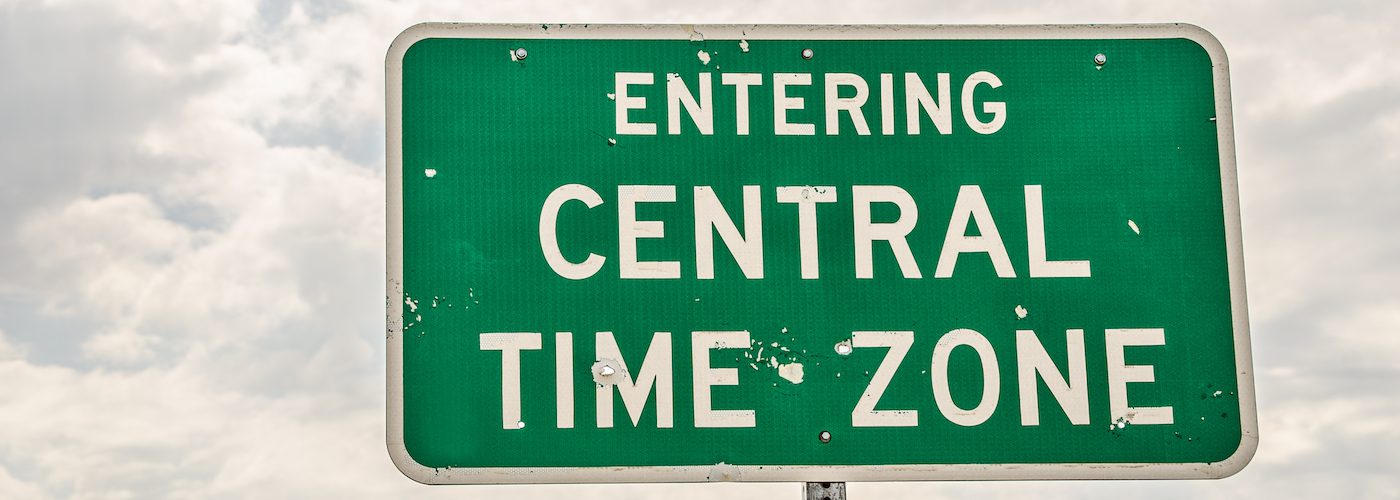
At its core, Chicago, Illinois operates on Central Time (CT). This time zone is observed across the central portion of the United States, and for travelers, it’s a critical piece of information that dictates the rhythm of their entire trip. Chicago’s position within the Central Time zone means it is typically six hours behind Coordinated Universal Time (UTC-6). However, the specific designation of this time zone fluctuates throughout the year due to the observance of Daylight Saving Time.
Central Standard Time (CST) vs. Central Daylight Time (CDT)
The key to truly understanding Chicago’s time lies in distinguishing between Central Standard Time (CST) and Central Daylight Time (CDT).
- Central Standard Time (CST): This is the default time zone during the colder months, roughly from early November to mid-March. During this period, Chicago is UTC-6.
- Central Daylight Time (CDT): From mid-March to early November, the city observes Central Daylight Time, which means clocks are advanced by one hour. During CDT, Chicago is UTC-5. This shift provides an extra hour of daylight in the evenings, which is particularly beneficial for tourism and outdoor activities during the warmer seasons.
This transition, commonly referred to as Daylight Saving Time, requires travelers to be vigilant. When the clocks “spring forward” in March and “fall back” in November, it has implications for arrival and departure times, tour bookings, and even jet lag management if you’re traveling from a significantly different time zone. Always confirm whether the current date falls under CST or CDT when planning your itinerary.
Why Knowing the Time Zone is Crucial for Travelers
The seemingly simple question of what time it is in Chicago opens up a cascade of considerations for anyone looking to optimize their visit. From the moment you begin planning your journey to the minute you depart, the local time zone governs practical decisions and shapes your overall experience. For those arriving from different time zones, especially international travelers or those crossing multiple time zones within the United States, the potential for jet lag is real. An understanding of Central Time helps in anticipating these physiological adjustments, allowing for a smoother transition and more enjoyable exploration of the city. Beyond personal comfort, time awareness directly impacts logistical arrangements, ensuring that your precious travel hours are spent enjoying Chicago rather than navigating scheduling mishaps.
Navigating Chicago by the Clock: Planning Your Visit
Efficient planning is the cornerstone of any successful trip, and in Chicago, this means syncing your itinerary with the local clock. Every aspect of your visit, from transportation to cultural immersion, is time-dependent.
Travel Logistics and Transportation
Your journey to Chicago typically begins and ends with transportation, where time precision is non-negotiable. If you’re flying, your arrival and departure times at major hubs like O’Hare International Airport or Midway International Airport are always quoted in local Central Time. Missing a connecting flight or an important meeting because of a time zone miscalculation can be a costly mistake. Similarly, if you’re traveling by train, Amtrak schedules to and from Union Station adhere strictly to CST or CDT.
Once in the city, navigating Chicago’s extensive public transportation system, the CTA (Chicago Transit Authority), also requires an understanding of local time, especially during peak hours. Buses and ‘L’ trains run on precise schedules, and being punctual means more time exploring and less time waiting. For travelers, especially those coming from different time zones, factoring in potential jet lag is also crucial. While a few hours’ difference might not seem significant, it can impact your energy levels and ability to keep up with a packed itinerary in the initial days. Arriving a day early to adjust or scheduling less demanding activities on your first day can be excellent strategies for a smoother transition.
Accommodation: Check-ins, Check-outs, and Reservations
Hotels and other accommodation providers operate on strict schedules, and knowing the local time is essential for seamless check-ins, check-outs, and any other services you might require. Most Chicago hotels, from luxury resorts like The Langham Chicago and Four Seasons Hotel Chicago to boutique hotels and serviced apartments, typically have a check-in time of 3:00 PM or 4:00 PM and a check-out time of 11:00 AM or 12:00 PM. Arriving too early might mean a wait, while checking out late could incur additional fees.
Furthermore, if you’re planning to book activities, tours, or dining experiences in advance from a different time zone, always double-check the time difference to ensure your reservations are set for the correct local time in Chicago. Many popular attractions and restaurants, especially during peak season, require reservations well in advance, and a timing error could lead to disappointment. Confirming your arrival time with your accommodation and making special requests for early check-in or late check-out (if available) can help align your lodging with your travel schedule.
Tourism & Attractions: Making the Most of Your Hours
Chicago is a treasure trove of world-class attractions, and their operating hours are intrinsically linked to the local time. From museums to observation decks, each landmark has specific opening and closing times that must be factored into your daily itinerary.
- Museums and Cultural Institutions: Iconic institutions like the Art Institute of Chicago, the Field Museum, and the Shedd Aquarium typically open in the morning, around 9:00 AM or 10:00 AM, and close in the late afternoon or early evening. Planning your visits to coincide with these hours is crucial, and arriving shortly after opening can often help you beat the crowds.
- Landmarks and Observation Decks: Visiting famous landmarks such as Millennium Park, home to the iconic Cloud Gate (often referred to as “The Bean”), can be enjoyed at almost any time. However, for breathtaking city views, the Skydeck Chicago at Willis Tower and the 360 CHICAGO Observation Deck at 875 North Michigan Avenue (formerly the John Hancock Center) have specific operating hours, often extending later into the evening, especially on weekends and during peak tourist seasons. Timing your visit to coincide with sunset can offer spectacular photographic opportunities.
- Guided Tours and Experiences: Popular experiences like the Chicago Architecture Foundation Center River Cruise operate on fixed schedules. Pre-booking tickets and arriving punctually are essential to secure your spot.
- Seasonal Variations: It’s also important to note that operating hours for many attractions can vary by season. Summer months generally see extended hours, while off-peak seasons might have reduced hours. Always check the official websites for the most up-to-date schedule. By meticulously planning your daily activities around these timed parameters, you can ensure a smooth, enjoyable, and comprehensive exploration of Chicago’s rich cultural and architectural landscape.
Chicago Lifestyle: From Dawn to Dusk (and Beyond)
The pulse of Chicago’s lifestyle is deeply intertwined with its local time, influencing everything from dining habits to nightlife and business operations. To truly experience the city like a local, understanding these temporal rhythms is key.
Dining and Culinary Experiences
Chicago is a gastronomic paradise, and its dining scene operates on a distinct Central Time schedule. Breakfast is typically served from 7:00 AM to 10:00 AM, with many cafes opening even earlier for the morning rush. Lunch hours usually run from 11:30 AM to 2:00 PM, and dinner service often begins around 5:00 PM, peaking between 7:00 PM and 9:00 PM. Weekend brunch, a beloved Chicago tradition, is generally available from 10:00 AM to 2:00 PM.
For those craving Chicago-style pizza, establishments like Lou Malnati’s and Giordano’s often have varied hours, with kitchens staying open later into the night. Many bars and diners also offer late-night menus for post-show or after-hours cravings. Given the popularity of Chicago’s culinary scene, especially for sought-after dinner reservations, booking well in advance and adhering to your scheduled time is highly recommended. Understanding these dining windows allows you to plan your meals around your sightseeing, ensuring you never miss a delicious bite.
Entertainment and Nightlife
As the sun sets over Lake Michigan, Chicago transforms into a vibrant hub of entertainment and nightlife. The city’s theater district, often showcasing Broadway In Chicago productions, typically has evening performances starting around 7:30 PM or 8:00 PM. Live music venues, from legendary blues clubs like Kingston Mines and Buddy Guy’s Legends to rock and jazz clubs, usually kick off their sets later in the evening, often around 9:00 PM or 10:00 PM, and keep the party going until the early hours of the morning.
Bars and lounges across neighborhoods like River North, Lincoln Park, and Wicker Park tend to stay open until 2:00 AM on weekdays and 3:00 AM or 4:00 AM on weekends, offering ample opportunities for late-night revelry. If you’re looking to experience Chicago’s famous comedy scene, improv shows often have multiple late-night slots. Always check showtimes and performance schedules in advance, as they are strictly enforced, ensuring you make the most of your evenings in the city.
Business and Events
Chicago is a major global business and convention hub, attracting professionals from around the world. For business travelers, adhering to Central Time is critical. Conferences and trade shows at expansive venues like McCormick Place run on tight schedules, with keynote speeches, workshops, and networking events all precisely timed. Meeting schedules, whether in corporate offices or hotel conference rooms, are also strictly managed by the local clock.
Beyond business, Chicago is a passionate sports city. Game times for the Chicago Cubs at Wrigley Field, the Chicago Bears at Soldier Field, or the Chicago Bulls and Chicago Blackhawks at the United Center are always listed in Central Time. Attending these events requires planning around start times, travel to the venues, and factoring in pre-game or post-game activities. For both business and leisure, understanding Chicago’s temporal rhythm ensures you’re always in the right place at the right time, fully engaged with the city’s dynamic pulse.
Maximizing Your Chicago Experience: Time Management Tips
A well-managed schedule, informed by a clear understanding of Chicago’s time zone, can transform a good trip into an unforgettable one. These practical tips will help you make the most of every moment.
Pre-Trip Planning
The groundwork for excellent time management begins long before you set foot in Chicago. Start by thoroughly researching the operating hours of all attractions, restaurants, and tours you intend to visit. Pay close attention to seasonal changes, holiday hours, and especially the shift between Central Standard Time and Central Daylight Time. Many popular experiences, such as the Skydeck Chicago or dinner reservations at acclaimed eateries, require advance booking. Securing these ahead of time not only guarantees your spot but also helps you build a structured itinerary. When communicating with hotels or tour operators from a different time zone, always clarify whether the times being discussed are local to your location or to Chicago to avoid any misunderstandings. Creating a detailed daily itinerary that accounts for travel time between locations will also prove invaluable.

On-the-Ground Strategies
Once you arrive in Chicago, smart time management continues to be crucial. Ensure all your devices—smartphones, watches, and laptops—are automatically updated to Central Time to prevent any confusion. Leverage technology by using navigation apps to estimate travel times between attractions and public transport apps like those for the CTA to track real-time schedules. While planning is vital, maintaining a degree of flexibility in your itinerary is equally important. Chicago’s weather can be unpredictable, or you might discover a charming side street or a hidden gem that warrants an unplanned stop.
Prioritize your must-see attractions and allocate ample time for them, allowing for spontaneous detours around less critical items. If you’re coming from a significantly different time zone, actively combat jet lag. Stay hydrated, try to get some sun exposure, and adjust your sleep schedule as quickly as possible to Chicago time. Consider starting your first day with lighter activities to ease into the city’s pace. By combining meticulous planning with on-the-ground adaptability, you can effectively navigate Chicago’s temporal landscape and ensure a fulfilling and stress-free travel experience.
In conclusion, the simple question, “What time is Chicago, Il?” unlocks a multifaceted understanding of how time influences every aspect of a visit to this magnificent city. From orchestrating smooth travel logistics and timely accommodation arrangements to maximizing your sightseeing opportunities at world-renowned landmarks and fully embracing the city’s vibrant dining and entertainment scene, an awareness of Central Time is indispensable. By diligently planning and adapting to Chicago’s clock, travelers can confidently navigate its dynamic pulse, ensuring that every moment spent in Illinois‘s largest city is cherished and perfectly timed.
LifeOutOfTheBox is a participant in the Amazon Services LLC Associates Program, an affiliate advertising program designed to provide a means for sites to earn advertising fees by advertising and linking to Amazon.com. Amazon, the Amazon logo, AmazonSupply, and the AmazonSupply logo are trademarks of Amazon.com, Inc. or its affiliates. As an Amazon Associate we earn affiliate commissions from qualifying purchases.