
When planning a trip to the vibrant metropolis of Chicago, the seemingly simple question, “What time is Chicago?” holds a surprising depth of meaning for any seasoned traveler. Beyond merely pinpointing the current hour, understanding Chicago’s temporal rhythm is crucial for seamless travel, effective itinerary planning, and a truly immersive experience. From its definitive place within the global time zone system to the optimal seasons for exploration and the daily cadence of its bustling urban life, mastering the concept of “time in Chicago” is fundamental.
This guide delves into the specifics of Chicago’s time zone, offering practical insights for coordinating your arrival, managing jet lag, and maximizing your stay. We’ll explore how different times of the year offer unique experiences, aligning with the city’s rich calendar of events and diverse attractions. Furthermore, we’ll provide a glimpse into the daily operational hours of key landmarks, museums, dining establishments, and transportation services, ensuring you’re perfectly aligned with the heartbeat of this magnificent Midwestern city. Whether you’re a first-time visitor or a returning enthusiast, knowing “what time is the Chicago” is your first step towards unlocking an unforgettable journey.

Understanding Chicago’s Time Zone: Central Standard Time (CST) and Central Daylight Time (CDT)
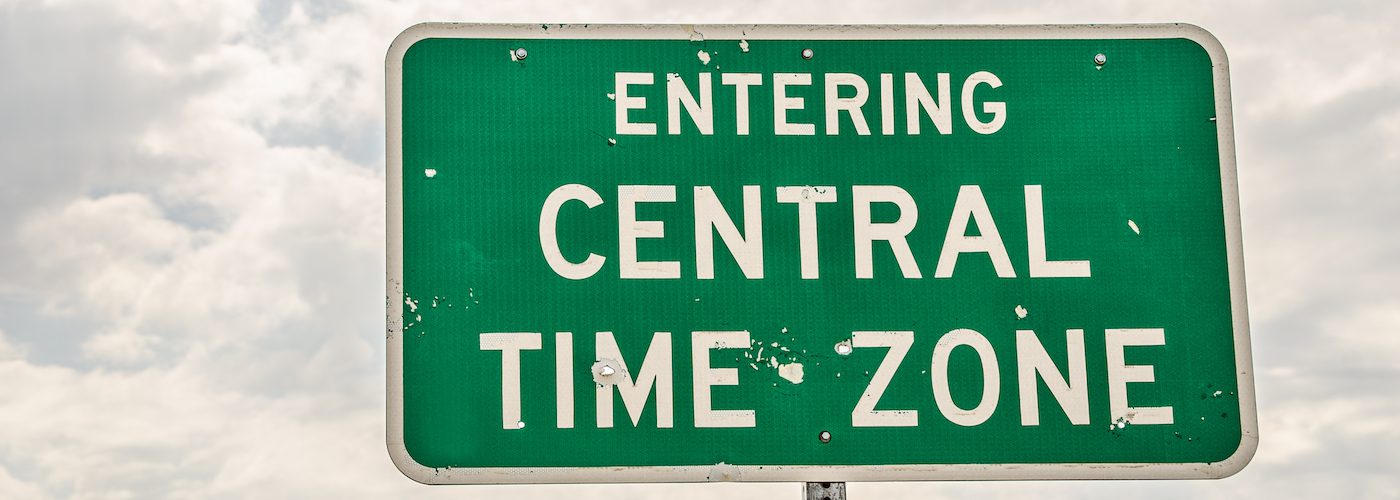
At its most literal, “What time is the Chicago?” refers to its official time zone. Chicago, like much of the Midwest in the United States, observes the Central Time Zone (CT). This time zone alternates between Central Standard Time (CST) during the cooler months and Central Daylight Time (CDT) during the warmer period, a practice known as Daylight Saving Time.
Decoding Daylight Saving Time in Chicago
From early November to early March, Chicago operates on CST, which is UTC-6 (six hours behind Coordinated Universal Time). When Daylight Saving Time commences, typically on the second Sunday in March, clocks “spring forward” one hour, shifting Chicago to CDT, which is UTC-5. This change provides an extra hour of daylight in the evenings, a welcome boost for outdoor activities and extended sightseeing during the prime tourist season. The clocks “fall back” to CST on the first Sunday in November. For travelers, especially those arriving from other time zones, being aware of these shifts is crucial for avoiding missed flights, misinterpreting hotel check-in times, or arriving late for pre-booked tours and events.
Time Differences: A Global and National Perspective
Understanding Chicago’s time in relation to other major cities worldwide is essential for international travelers and those coordinating business across continents.
-
Within the United States:
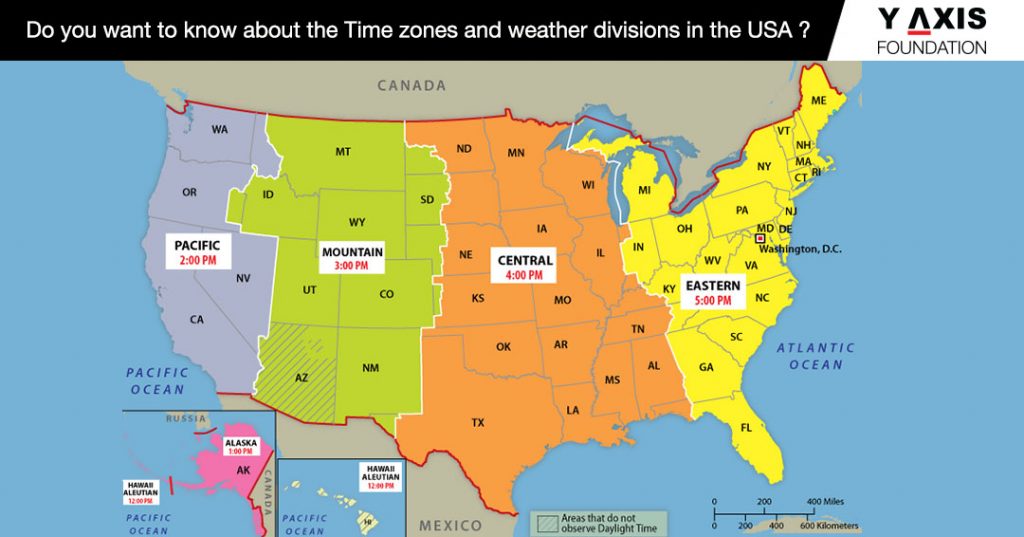
- Chicago is one hour behind Eastern Standard Time (EST/EDT), meaning that if it’s 3:00 PM in New York City, it’s 2:00 PM in Chicago.
- Chicago is one hour ahead of Mountain Standard Time (MST/MDT).
- Chicago is two hours ahead of Pacific Standard Time (PST/PDT), so if it’s 12:00 PM in Los Angeles, it’s 2:00 PM in Chicago.
-
International Comparisons:
This temporal context is not just academic; it directly impacts flight arrival and departure times, hotel booking systems (which often display local time), and the coordination of any remote work or personal calls back home. Always confirm times in the local zone when making reservations or setting up appointments.
Timing Your Visit: Best Seasons and Events in Chicago
Beyond the daily hour, “What time is the Chicago?” also refers to the optimal season to experience the city’s unique charm. Chicago is a city of four distinct seasons, each offering a different atmosphere and set of activities. The “best time” to visit often depends on your interests, budget, and tolerance for crowds or weather conditions.
Spring’s Awakening (March to May)
As the winter chill begins to recede, Chicago awakens with a vibrant energy. March still carries a brisk edge, but by April and May, the weather becomes mild and pleasant, ideal for strolling through parks and enjoying outdoor cafes. This is an excellent time for those who prefer fewer crowds and moderate temperatures.
- Highlights: The iconic dyeing of the Chicago River green for St. Patrick’s Day in March is a spectacle not to be missed. The city’s many museums like the Art Institute of Chicago and the Field Museum are less crowded, offering a more serene exploration of their world-class collections.
- Accommodation: Hotel prices begin to rise from their winter lows but are generally more affordable than in summer. Consider booking boutique hotels in neighborhoods like River North or West Loop for a blend of comfort and local culture.
Summer’s Peak (June to August)
Summer is arguably the most popular time to visit Chicago, characterized by warm weather, abundant sunshine, and a packed calendar of festivals and outdoor events. The city truly comes alive, making it perfect for those who thrive on bustling energy and outdoor exploration.
- Highlights: The city’s lakefront beaches beckon, Millennium Park and Grant Park host free concerts and events, and major festivals like Lollapalooza and the Taste of Chicago draw massive crowds. An architectural boat tour on the Chicago River is a must, offering unparalleled views of the city’s iconic skyline. Baseball fans can catch a Chicago Cubs game at historic Wrigley Field.
- Accommodation: This is peak season, so expect higher prices and limited availability for hotels and serviced apartments. Booking several months in advance is highly recommended, especially for luxury properties like The Peninsula Chicago or The Langham Chicago.
Autumn’s Charm (September to November)
Autumn in Chicago offers a delightful balance: pleasant, crisp weather, beautiful fall foliage, and fewer crowds than summer. It’s an ideal time for cultural exploration and enjoying the city’s culinary scene without the summer rush.
- Highlights: Enjoy serene walks through Lincoln Park or along the lakefront. Chicago Marathon takes place in October. Halloween festivities add a spooky charm to the city’s neighborhoods.
- Accommodation: Hotel rates tend to be more reasonable than in summer, but still competitive. This can be a great time for budget travel without compromising on experiences.
Winter Wonderland (December to February)
While Chicago’s winters are notoriously cold and snowy, the city transforms into a festive wonderland, offering a unique charm for those who embrace the chill.
- Highlights: The Christkindlmarket in Daley Plaza brings a touch of German holiday magic, while ice skating in Millennium Park is a quintessential winter experience. Indoor attractions like the Shedd Aquarium, Adler Planetarium, and a vibrant theater scene (Broadway in Chicago) provide warmth and entertainment.
- Accommodation: Winter generally offers the best hotel deals, making it an attractive option for budget-conscious travelers or those seeking luxury hotels at a discounted rate.
A Day in Chicago: Navigating Local Hours and Rhythms
Understanding “what time is the Chicago” on a daily basis is crucial for navigating its local culture, public transit, and operational hours of various establishments. Chicago operates on a rhythm typical of large American cities, but with its own unique pulse.
Morning in the Windy City (6:00 AM – 11:00 AM)
Mornings in Chicago begin early, especially on weekdays. Commuters fill the CTA trains and buses, heading to their workplaces in the Loop and other business districts.
- Breakfast & Coffee: Many cafes and diners open by 6:00 AM or 7:00 AM. Popular breakfast spots in neighborhoods like Lincoln Park or the West Loop start bustling around 7:30 AM.
- Attraction Openings: Most major museums and attractions, such as the Art Institute of Chicago, Field Museum, Shedd Aquarium, and Skydeck Chicago at the Willis Tower, typically open between 9:00 AM and 10:00 AM. Arriving shortly after opening can help you avoid initial crowds. Lincoln Park Zoo, a free attraction, often opens earlier.
Afternoon Adventures (11:00 AM – 5:00 PM)
The afternoon is prime time for sightseeing, shopping, and enjoying Chicago’s outdoor spaces.
- Lunch Rush: Lunch often peaks between 12:00 PM and 1:30 PM. From deep-dish pizza joints to upscale eateries, Chicago’s culinary scene offers endless options. Consider grabbing a Chicago-style hot dog from a street vendor for an authentic quick bite.
- Shopping Excursions: The Magnificent Mile, home to flagship stores and luxury boutiques, is typically bustling throughout the afternoon. Shopping malls and individual stores generally operate until 7:00 PM or 8:00 PM.
- Park Life & Tours: This is an ideal time for activities like visiting Millennium Park to see Cloud Gate (The Bean) or taking an architectural boat tour, which typically run throughout the day until early evening.
Evening Entertainment and Dining (5:00 PM – Late)
As the day transitions to evening, Chicago’s nightlife and dining scene come alive.
- Dinner Reservations: Dinner typically starts from 5:00 PM or 6:00 PM, with peak dining hours between 7:00 PM and 9:00 PM. For popular restaurants, especially those featured in Michelin Guides or on “best of” lists, making reservations days or even weeks in advance is highly recommended.
- Arts & Culture: Broadway in Chicago performances usually start around 7:30 PM or 8:00 PM. Many music venues, comedy clubs, and bars open in the early evening and remain active until late.
- Night Views: Experiencing the city skyline illuminated at night from Skydeck Chicago or 360 CHICAGO at 875 North Michigan Avenue (formerly the John Hancock Center) is a breathtaking way to end your day.
Optimizing Your Chicago Experience: Time-Saving Tips and Planning
Effectively managing your time in Chicago is key to a rewarding travel experience. From booking your accommodation to navigating the city, strategic planning can save you precious hours and enhance your journey.
Strategic Booking and Accommodation Choices
- Hotels and Flights: For the best rates on hotels, resorts, or apartments and flights to O’Hare International Airport or Midway International Airport, generally book 2-3 months in advance, especially for peak seasons or major events. Utilize accommodation comparison websites to find the best deals and read recent reviews.
- Check-in/Check-out Times: Standard hotel check-in is typically 3:00 PM or 4:00 PM, with check-out around 11:00 AM or 12:00 PM CT. Confirm these times with your specific hotel (Hyatt, Marriott, Hilton, etc.) to avoid any surprises. Many offer luggage storage if you arrive early or depart late.
Navigating the City Efficiently
- Public Transportation: The Chicago Transit Authority (CTA) ‘L’ train and bus system is efficient. Avoid rush hour (typically 7:00 AM-9:00 AM and 4:00 PM-6:00 PM on weekdays) for less crowded rides, especially if you’re traveling with luggage. Consider purchasing a multi-day pass for convenience and savings.
- Walking and Biking: Chicago is a very walkable city, particularly downtown and along the lakefront. Consider renting a bike to explore the 18-mile Lakefront Trail, especially during pleasant weather.
Maximizing Attraction Visits
- Timed Entry and CityPASS: Many popular attractions now require or recommend timed entry tickets, especially post-pandemic. Book these online in advance to guarantee entry and save time waiting in lines. Purchasing a Chicago CityPASS can offer significant savings and often includes expedited entry to several top attractions like the Shedd Aquarium, Skydeck Chicago, and the Field Museum.
- Early Bird or Late Riser: Visit popular spots first thing in the morning or later in the afternoon/early evening to avoid the busiest mid-day crowds. This applies particularly to attractions like Cloud Gate (The Bean) in Millennium Park.
Managing Jet Lag
For those arriving from distant time zones, jet lag can significantly impact your initial days.
- Adjust Gradually: Try to adjust your sleep schedule a few days before your trip.
- Stay Hydrated: Drink plenty of water and avoid excessive alcohol or caffeine.
- Embrace Daylight: Spend time outdoors in the daylight upon arrival to help reset your internal clock.
- Nap Strategically: If you must nap, keep it short (20-30 minutes) to avoid deeper sleep cycles that can worsen jet lag.
Understanding “What time is the Chicago?” encompasses more than just a quick glance at the clock; it’s about aligning your travel plans with the city’s temporal rhythms. From knowing its official time zone and adjusting for Daylight Saving Time to strategically choosing your visiting season and navigating daily schedules, every aspect of time plays a crucial role in shaping your Chicago experience. By leveraging these insights and tips, you’re not just visiting a city; you’re immersing yourself in its flow, ensuring every moment of your journey is as rich and memorable as the city itself.
LifeOutOfTheBox is a participant in the Amazon Services LLC Associates Program, an affiliate advertising program designed to provide a means for sites to earn advertising fees by advertising and linking to Amazon.com. Amazon, the Amazon logo, AmazonSupply, and the AmazonSupply logo are trademarks of Amazon.com, Inc. or its affiliates. As an Amazon Associate we earn affiliate commissions from qualifying purchases.