
Chicago, a vibrant metropolis renowned for its stunning architecture, world-class museums, and diverse culinary scene, offers an unparalleled experience for travelers and residents alike. From the shimmering shores of Lake Michigan to its bustling downtown core, the Windy City consistently ranks as a top destination in the United States. But beyond the iconic Millennium Park and the bustling Magnificent Mile, the intricate fabric of Chicago’s neighborhoods is shaped by local governance, specifically by its aldermen. For anyone looking to truly understand the pulse of this dynamic city, whether you’re planning an extended stay, considering a permanent move, or simply curious about the forces that shape your favorite attractions and local hotspots, knowing “who is my alderman” offers a unique lens through which to appreciate Chicago’s complex beauty and function.

An alderman in Chicago serves as a local representative on the Chicago City Council, acting as the voice for a specific geographic area known as a ward. With 50 wards across the city, each represented by an alderman, these individuals play a pivotal role in everything from zoning decisions and local business permits to public safety initiatives and the maintenance of neighborhood parks. For visitors, understanding the alderman’s influence can shed light on why certain areas flourish with vibrant street art and independent boutiques, or how major infrastructural projects impacting travel and accommodation come to fruition. For those looking for long-term accommodation or considering a lifestyle change in Chicago, knowing your alderman can be instrumental in navigating local services, understanding community development, and engaging with the civic life of your chosen neighborhood. This article delves into the significance of Chicago’s aldermanic system, revealing how these local leaders shape the tourism, accommodation, landmarks, and lifestyle experiences that define this truly remarkable global city.
Understanding Chicago’s Ward System and Your Alderman
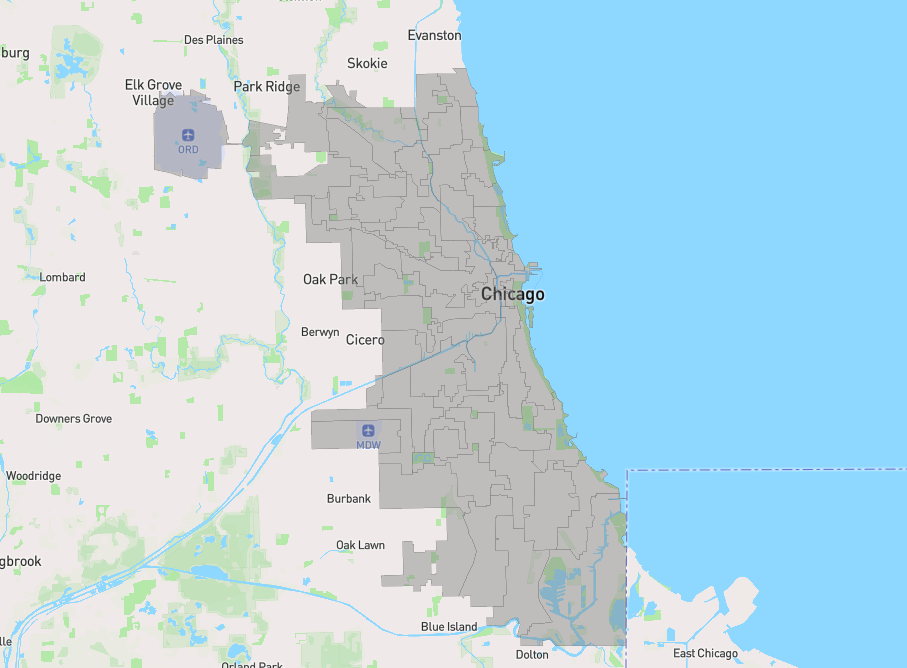
At the heart of Chicago’s local governance is its unique ward system, a territorial division of the city into 50 distinct electoral districts. Each ward elects one alderman to represent its residents on the Chicago City Council. These aldermen are more than just politicians; they are community leaders deeply embedded in the daily lives of their constituents. Their responsibilities are vast, encompassing legislative duties, oversight of city departments, and, critically, acting as a direct point of contact for residents regarding local issues. For anyone exploring Chicago’s diverse neighborhoods, from the historic brownstones of Lincoln Park to the bustling streets of Pilsen or the artistic vibe of Wicker Park, recognizing the influence of the local alderman is key to understanding the distinctive character and ongoing development of each area.
The ward system ensures that local concerns are addressed at a hyper-local level. Whether it’s advocating for better street cleaning, influencing decisions about new developments, or supporting community events, the alderman’s office is often the first stop for residents seeking assistance or change. This system, while sometimes complex, is designed to foster responsive local government, ensuring that the unique needs and aspirations of each neighborhood are heard and represented in the broader city-wide discourse.
How Aldermen Shape Chicago’s Urban Landscape
Aldermen wield considerable power over the physical and social landscape of Chicago, particularly through their influence on zoning and development. Every new building, every change in land use, and every major construction project within a ward typically requires the alderman’s approval, or at least their strong endorsement, to pass through the City Council. This directly impacts the city’s tourism and lifestyle sectors. For example, the decision to approve a new luxury hotel development, a vibrant mixed-use complex with retail and residential spaces, or even a local park expansion falls under their purview.
Consider the ongoing transformation of areas like the West Loop from an industrial zone into a culinary and residential hotspot. Such a dramatic shift wouldn’t have been possible without the active participation and strategic decisions made by the area’s alderman, working alongside developers and community groups. These decisions dictate where new businesses can open, where hotels can be built, and how public spaces are utilized, all of which directly affect the visitor experience and the quality of life for residents.
Local Governance and Visitor Experience
The impact of aldermen on the visitor experience in Chicago is often subtle but profound. They play a critical role in fostering the conditions that make Chicago an attractive destination. Public safety initiatives, for instance, are often championed and overseen by local aldermen, ensuring that neighborhoods remain safe and welcoming for both residents and tourists. Clean streets, well-maintained parks like those along the Lakefront Trail, and efficient public services are all areas where an alderman’s advocacy can make a significant difference.
Moreover, aldermen are instrumental in supporting and approving many of the beloved street festivals and cultural events that define Chicago’s summer season. From the Taste of Chicago to local art fairs in Andersonville or music festivals in Lincoln Square, these events require permits, logistical support, and community buy-in, all of which are facilitated by the local alderman’s office. Their support for small businesses, local restaurants, and boutique hotels through zoning and licensing can also contribute to the unique charm and vibrancy of specific neighborhoods, making them attractive destinations for travelers seeking authentic local experiences away from the main tourist hubs.
Connecting with Your Alderman: Resources for Residents and Visitors
While the primary role of an alderman is to serve their constituents, understanding how to connect with these local leaders can be beneficial for a broader audience, including long-term visitors, potential new residents, or even those simply interested in civic engagement during their travels. Aldermen are valuable resources for information about local developments, community initiatives, and the unique characteristics of their wards. Engaging with their offices can offer insights into Chicago’s complex urban fabric.
Finding Your Ward and Alderman in Chicago
Identifying your specific ward and alderman in Chicago is a straightforward process, thanks to readily available public resources. The official website of the City of Chicago provides an interactive map where you can simply enter an address (whether it’s your current residence, a hotel, or a prospective neighborhood) to pinpoint its ward number and the name of the corresponding alderman. This tool also provides contact information for the alderman’s office, including phone numbers, email addresses, and office locations.
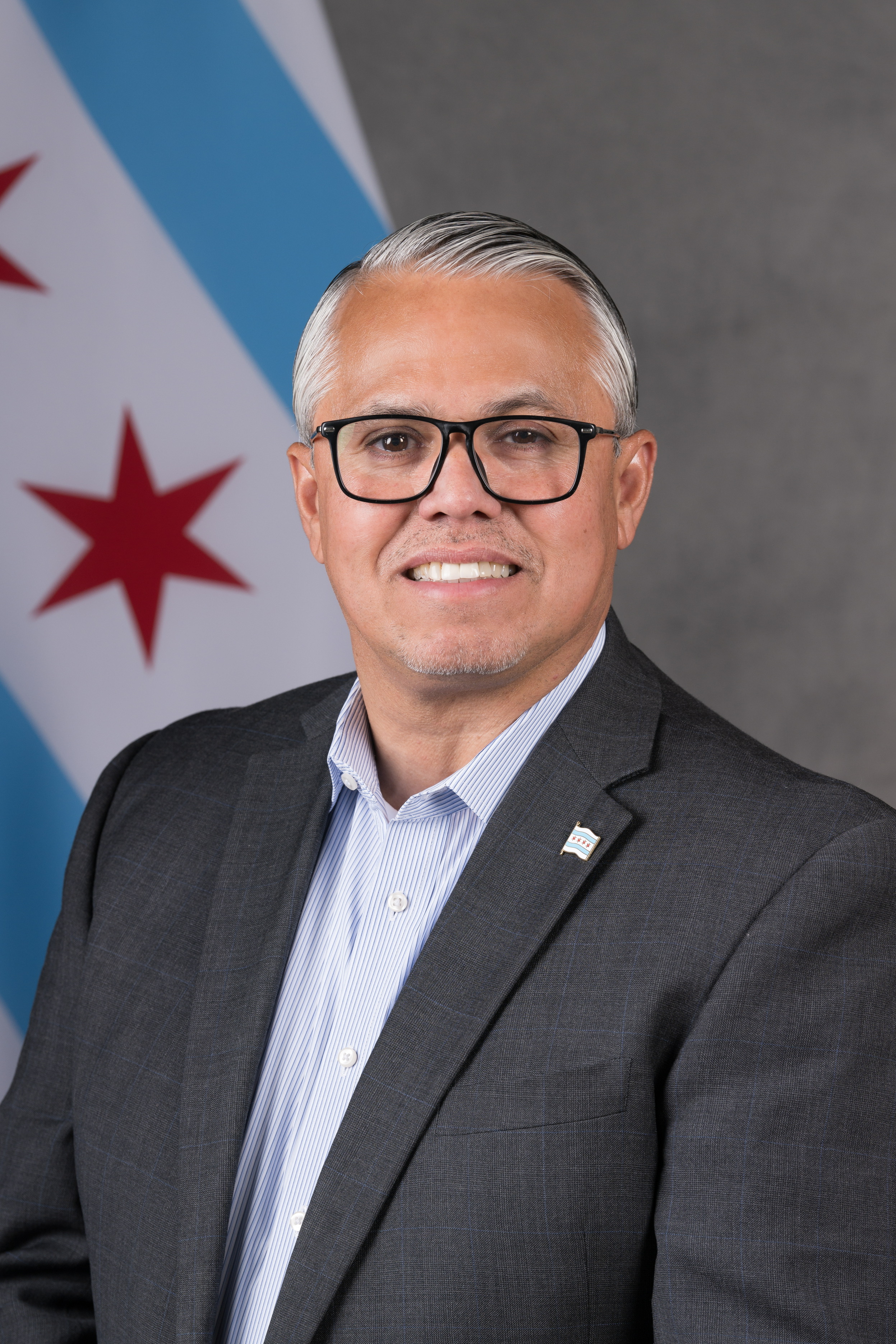
For tourists, this can be particularly useful if you’re staying in a specific neighborhood for an extended period and want to understand the local political landscape, or if you’re encountering a neighborhood-specific issue that might fall under local governance, such as a noise complaint affecting your accommodation or a question about a local permit for a street vendor. For those considering moving to Chicago, knowing the alderman for potential neighborhoods can provide valuable insights into community priorities and responsiveness.
Aldermanic Offices as Community Hubs
Beyond their legislative duties, aldermanic offices often function as informal community hubs, offering a range of services and information that can indirectly benefit visitors and residents alike. These offices are typically staffed by knowledgeable individuals who can assist with various city-related inquiries, from public works issues to information about local events and community programs. While you might not walk into an alderman’s office as a tourist with a general query about the Art Institute of Chicago, understanding their role highlights the localized support system that shapes Chicago’s distinct neighborhoods.
For instance, if you’re planning a unique event or trying to understand local regulations for a pop-up experience in a particular area, the alderman’s office can be an invaluable source of information regarding permits and community engagement. They often have the pulse of their ward, knowing about upcoming neighborhood festivals, local business initiatives, and ongoing development projects that could impact your travel plans or lifestyle choices within that area. This deep local knowledge helps to build the vibrant, interconnected communities that make Chicago such a compelling place to visit and live.
The Alderman’s Role in Chicago’s Tourism and Lifestyle Scene
The relationship between Chicago’s aldermen and the city’s thriving tourism and lifestyle sectors is more profound than many might realize. From the preservation of historic landmarks to the promotion of bustling entertainment districts, aldermen play a crucial role in shaping the experiences that draw millions of visitors annually and enrich the lives of residents. Their influence extends to the very fabric of urban life, making them key players in the ongoing narrative of Chicago’s appeal.
Influencing Chicago’s Landmarks and Attractions
Many of Chicago’s most iconic landmarks and attractions owe their existence, preservation, or ongoing development to the dedicated work of aldermen. Zoning decisions, funding allocations for public art, and support for historical preservation initiatives often originate or gain momentum at the ward level. Consider the ongoing development around the Museum Campus, home to the Field Museum, Shedd Aquarium, and Adler Planetarium. Any significant changes or improvements to the surrounding public spaces, infrastructure, or even the museums themselves often involve dialogue and support from the aldermen representing that area.
Similarly, the transformation of the Chicago Riverwalk into a vibrant promenade, complete with cafes, public art, and boat docks, was a multi-faceted project that required extensive collaboration across various city departments and, importantly, the approval and advocacy of the aldermen whose wards border the river. These local leaders champion projects that enhance the city’s appeal, ensuring that Chicago’s rich history and architectural grandeur continue to be celebrated and accessible. From the preservation of historic theaters to the creation of new public parks, aldermen are often at the forefront of decisions that maintain and enhance Chicago’s status as a global tourism destination.
Fostering Vibrant Neighborhoods: Food, Culture, and Accommodation
Chicago’s reputation as a world-class culinary destination and a city of diverse cultural experiences is heavily influenced by the local policies and initiatives championed by its aldermen. They play a vital role in approving licenses for new restaurants, bars, and entertainment venues, directly impacting the dynamic food scenes in neighborhoods like West Loop or Logan Square. An alderman’s support can be crucial for a small business looking to open a new boutique hotel or a unique eatery, helping to foster the very independent spirit that many tourists seek.
Furthermore, aldermen actively support local cultural initiatives, including community art projects, farmers’ markets, and neighborhood festivals. These events, which are often free and open to the public, offer a deep dive into Chicago’s local culture and provide unique experiences for travelers. For example, the alderman for Hyde Park would be instrumental in facilitating community events surrounding the development of the Obama Presidential Center, blending historical significance with local lifestyle. By cultivating a favorable environment for local businesses and cultural expression, aldermen contribute directly to the diverse and enriching experiences that define Chicago’s neighborhoods.
Impact on Chicago’s Hotel and Accommodation Sector
The accommodation landscape in Chicago, ranging from luxurious downtown hotels like The Langham, Chicago and Hotel Monaco Chicago to charming Airbnb rentals in residential areas, is significantly shaped by aldermanic decisions. Aldermen have a direct say in zoning changes that permit the construction of new hotels or the conversion of existing buildings into hospitality venues. Their approval is crucial for large-scale projects that can bring hundreds of new hotel rooms to the city, impacting both the economy and the availability of lodging options for visitors.
Beyond new developments, aldermen are also involved in setting local regulations concerning short-term rentals. In recent years, cities across the globe have grappled with how to balance the burgeoning short-term rental market with the needs of residential communities. Chicago’s aldermen have been at the forefront of these discussions, crafting ordinances that aim to ensure fair housing practices, maintain neighborhood character, and collect appropriate taxes from these services. These decisions directly affect the options available to travelers seeking alternative accommodations and influence the overall cost and accessibility of stays in Chicago. Understanding these dynamics offers a deeper appreciation for the complex interplay between local governance, urban development, and the vibrant hospitality industry that supports Chicago’s position as a premier travel destination.
In conclusion, “Who is my alderman Chicago?” is far more than a simple civic question. It’s a gateway to understanding the intricate mechanisms that build, preserve, and enhance the city’s appeal as a global hub for travel, tourism, and lifestyle. Whether you’re a first-time visitor marveling at the skyline from Navy Pier, a repeat guest exploring hidden culinary gems in Chinatown, or someone contemplating a new chapter in one of Chicago’s many unique neighborhoods, recognizing the profound influence of the alderman adds another rich layer to your appreciation of this magnificent city. These local leaders are the unsung architects of Chicago’s urban experience, ensuring that its landmarks shine, its neighborhoods thrive, and its vibrant culture continues to attract and inspire people from all corners of the world.
LifeOutOfTheBox is a participant in the Amazon Services LLC Associates Program, an affiliate advertising program designed to provide a means for sites to earn advertising fees by advertising and linking to Amazon.com. Amazon, the Amazon logo, AmazonSupply, and the AmazonSupply logo are trademarks of Amazon.com, Inc. or its affiliates. As an Amazon Associate we earn affiliate commissions from qualifying purchases.