
Chicago, the bustling metropolis on the shores of Lake Michigan, is famously known as the “Windy City” – a nickname often attributed to its political history but equally fitting for its dynamic and often dramatic weather patterns. As a prominent global hub for travel, tourism, and lifestyle experiences, understanding Chicago’s climate is paramount for any visitor planning their itinerary, whether for a quick business stay or an extended family trip. The city experiences four distinct seasons, each offering a unique charm and presenting specific considerations for accommodation choices, activity planning, and packing essentials. From sun-drenched summers brimming with outdoor festivals to snowy winters perfect for cozy museum visits, Chicago’s weather dictates the rhythm of urban life and shapes the visitor experience.
Chicago’s Dynamic Climate: A City of Four Seasons
Chicago’s climate is classified as humid continental, characterized by wide seasonal temperature variations. Its proximity to Lake Michigan significantly moderates temperatures, particularly in late spring and early summer when the cooler lake water can delay the onset of heat, and in late fall and early winter, when the warmer lake can temper the cold. However, the lake also contributes to lake-effect snow in winter and can make summer humidity feel more intense. The infamous wind is a year-round factor, adding a biting chill in winter and a welcome breeze in summer, always reminding visitors why the “Windy City” moniker is well-earned. Regardless of the season, preparedness for changing conditions is key to enjoying Chicago’s myriad attractions and vibrant urban landscape.
Spring in Chicago: A Gradual Awakening (March – May)
Spring in Chicago is a season of transition, often characterized by unpredictable weather that swings between lingering winter chills and hints of summer warmth. It’s a time when the city slowly shakes off its snowy slumber, and the anticipation of vibrant outdoor life builds with each passing week. For travelers looking for budget travel opportunities or fewer crowds at popular landmarks, early spring can be an excellent choice, though careful packing is essential.
March: The Transition Begins
March often feels like an extension of winter in Chicago. Average high temperatures hover in the low 40s°F (4-7°C), with lows frequently dipping into the 20s°F (-7 – -1°C). While the days gradually lengthen, the air remains crisp, and late-season snowfalls are not uncommon, often mixing with rain. Despite the chill, the city begins to stir. The iconic St. Patrick’s Day celebration, featuring the dyeing of the Chicago River green, draws large crowds, signaling the end of winter dormancy. This is an ideal time to explore Chicago’s world-class indoor attractions, such as the Art Institute of Chicago or the Field Museum, which offer a warm refuge from the brisk outdoors. Packing multiple layers, a warm waterproof coat, and sturdy, comfortable shoes is highly recommended.
April: Blooming Prospects
As April unfolds, Chicago begins to show more definitive signs of spring. Average high temperatures climb into the 50s°F (10-15°C), with lows typically in the 30s-40s°F (0-7°C). While still unpredictable, with occasional chilly days and cool nights, the threat of heavy snow diminishes, replaced by more frequent rain showers. The city’s parks and trees start to bud, and outdoor patios at restaurants slowly begin to emerge. It’s a pleasant time for a stroll along the Chicago Riverwalk or through neighborhoods like Lincoln Park, albeit with a light jacket or umbrella close at hand. This shoulder season offers a sweet spot for travelers seeking a balance between comfortable temperatures and manageable crowds, making it a good time to find deals on hotels and accommodation.
May: Embracing the Outdoors
May truly ushers in spring, with noticeably warmer and generally more stable weather. Average highs reach the 60s-70s°F (16-24°C), and lows are in the comfortable 40s-50s°F (4-10°C). The city bursts into full bloom, and outdoor activities become the norm. Millennium Park, Navy Pier, and various neighborhood parks become vibrant hubs of activity. Boat tours on the river and lake resume full schedules, offering unique perspectives of Chicago’s stunning architecture. Light rain showers are still possible, so a light jacket or cardigan is advisable, but the overall feeling is one of excitement for the coming summer. May is an excellent month for family trips, as the mild weather is conducive to exploring Chicago’s numerous outdoor attractions without the extreme heat or cold.

Summer in Chicago: Sun, Festivals, and Lakeside Bliss (June – August)
Summer is arguably Chicago’s most vibrant season, a time when the city truly comes alive with a packed calendar of outdoor festivals, bustling beaches, and al fresco dining. The weather is generally warm to hot, making it the peak season for tourism and travel, which means higher prices for hotels and accommodation and larger crowds at popular destinations.
June: The Start of Summer Fun
June kicks off summer with pleasant warmth, typically seeing average high temperatures in the 70s-80s°F (21-27°C) and comfortable lows in the 50s-60s°F (10-16°C). While sunshine is abundant, afternoon thunderstorms can roll in quickly, adding a dramatic flair to the cityscape. This month is perfect for enjoying Chicago’s extensive lakefront, from cycling paths to beaches along Lake Michigan. Outdoor concerts, movie nights in parks, and preparations for major events like Lollapalooza create an electric atmosphere. Packing light, breathable clothing, sunglasses, and sunscreen is essential, along with a light jacket for cooler evenings or air-conditioned indoors.
July: Peak Heat and Humidity
July is generally the hottest month in Chicago, with average highs often climbing into the 80s-90s°F (27-32°C) and lows rarely dropping below the 60s-70s°F (16-21°C). High humidity can make temperatures feel even warmer, and heatwaves are not uncommon. Brief but intense afternoon thunderstorms are a regular occurrence, providing temporary relief from the heat. This is prime time for beach days, rooftop bars, and major outdoor events like the Taste of Chicago. Baseball season is in full swing, with fans flocking to Wrigleyville or Guaranteed Rate Field. Staying hydrated and seeking shade or air-conditioned spaces is crucial. Many hotels with pools or close proximity to the lake are highly sought after during this period.
August: Continued Warmth and Festivities
August maintains the summer warmth, with average temperatures similar to July, though a slight cooling trend begins towards the end of the month. Highs typically range from the 70s-80s°F (24-30°C), and lows are in the 60s°F (16-21°C). Thunderstorms remain a possibility, particularly in the afternoon. The city continues its packed schedule of street festivals, outdoor dining, and family-friendly attractions like the Lincoln Park Zoo. It’s an ideal time for family trips before the start of the school year. Travelers should continue to pack summer attire, including shorts, t-shirts, and swimwear, along with lightweight layers for evenings.
Autumn in Chicago: A Canvas of Color (September – November)
Autumn in Chicago is a truly magical time, offering a beautiful blend of comfortable temperatures, vibrant fall foliage, and a slightly less frenetic pace than summer. It’s often considered one of the best times to visit for pleasant sightseeing, outdoor activities, and enjoying the city’s rich local culture before the winter chill sets in. This season is particularly appealing for those interested in luxury travel or a more relaxed tourism experience.
September: Indian Summer
September often brings what locals affectionately call “Indian Summer,” characterized by warm, sunny days and crisp, cool nights. Average highs are in the delightful 60s-70s°F (16-24°C), with lows in the 50s°F (10-15°C). The humidity of summer begins to dissipate, making outdoor activities incredibly enjoyable. This is prime time for walking tours, extended boat cruises, and lingering on outdoor patios. The trees begin their slow transformation, offering early glimpses of fall colors. Packing layers, including a light jacket or sweater for evenings, is perfect for enjoying the pleasant days and cool nights.
October: Crisp Air and Fall Foliage
October showcases Chicago’s stunning fall foliage, especially in parks and tree-lined neighborhoods. The air becomes noticeably crisper, with average high temperatures ranging from the 50s-60s°F (10-16°C) and lows dipping into the 30s-40s°F (0-10°C). The first frost of the season usually occurs this month. Rainfall is typically moderate, and skies are often clear, making it perfect for exploring outdoors. Nearby apple orchards and pumpkin patches become popular attractions for family trips. A medium-weight coat, sweaters, and scarves become essential additions to your packing list. This is also a fantastic time to explore the city’s history through architectural tours.
November: Preparing for Winter
November marks a distinct shift towards winter, with temperatures dropping considerably. Average highs are in the 30s-40s°F (0-10°C), and lows often fall into the 20s-30s°F (-7 – 0°C). Increased rainfall and the first significant snowfalls of the season become more common. While outdoor activities are still possible, they require warm clothing. The city prepares for the holidays, with festive markets beginning to open, such as the famous Christkindlmarket at Daley Plaza. Indoor attractions like the Museum of Science and Industry become more appealing. A warm winter coat, hat, gloves, and a scarf are necessary to stay comfortable. This transitional month can offer good value for accommodation before the holiday rush.
Winter in Chicago: A Snowy Wonderland (December – February)
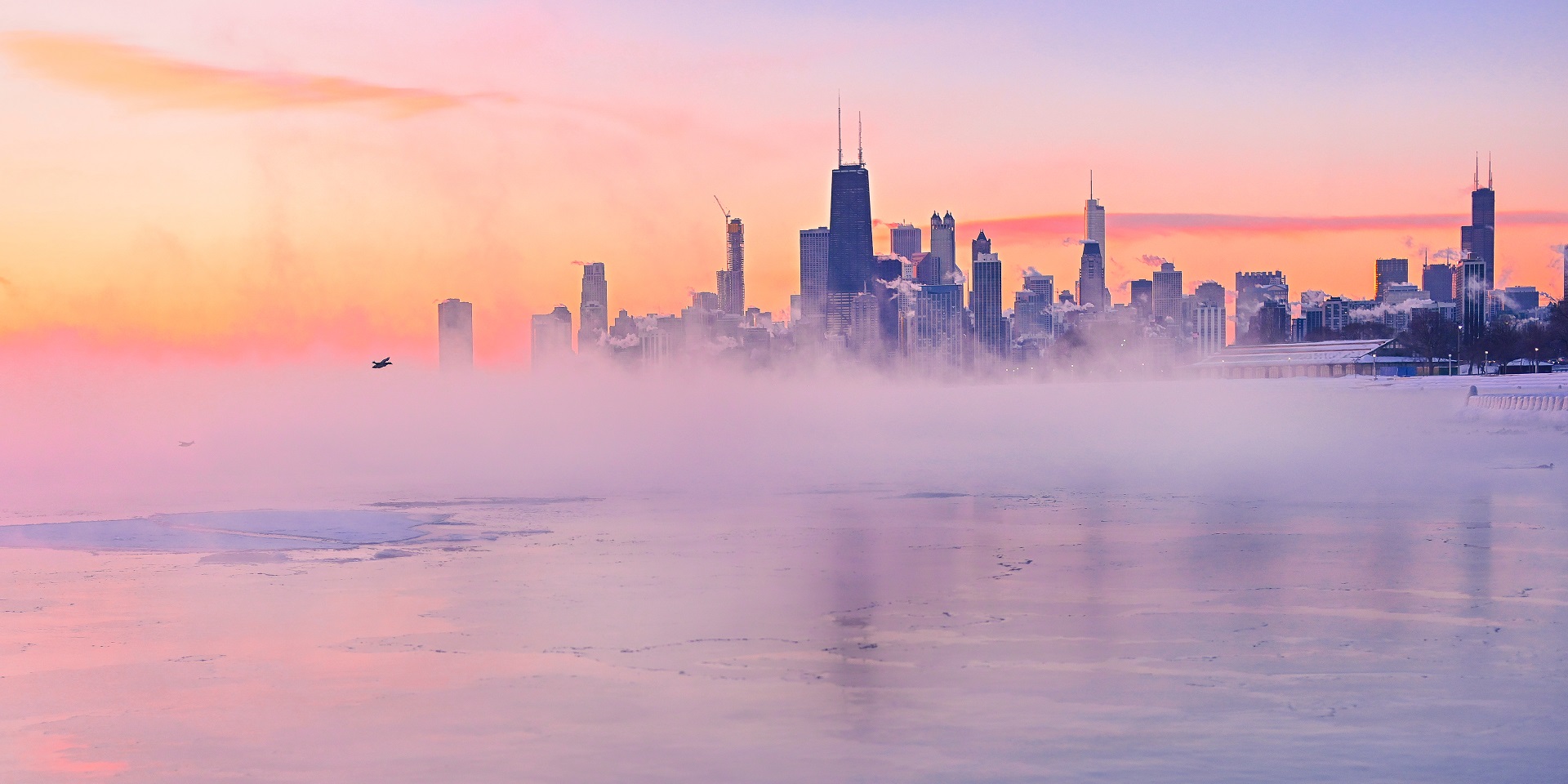
Winter in Chicago is a season of dramatic beauty, transforming the cityscape into a snowy wonderland. While undeniably cold, the winter months offer a unique charm, festive activities, and the chance to experience the city’s world-class indoor attractions with fewer crowds. For those prepared for the chill, it can be a surprisingly rewarding time for travel, especially for budget travel opportunities outside of holiday periods.
December: Festive and Frozen
December ushers in the official start of winter, bringing colder temperatures and frequent snow. Average highs are typically in the 20s-30s°F (-7 – -1°C), with lows in the 10s-20s°F (-12 – -7°C). Snowfalls, ranging from light dustings to heavy blizzards, are common, creating a picturesque holiday setting. The city glitters with holiday lights along the Magnificent Mile, ice skating rinks open in Millennium Park and other locations, and the Christkindlmarket is in full swing. This is a magical time for family trips focused on holiday festivities. Essential packing includes a heavy winter coat, layers of warm clothing, waterproof boots, a hat, gloves, and a scarf. Many hotels and resorts offer special holiday packages, and those with indoor pools or direct access to the city’s pedestrian tunnel system (Pedway) are particularly appealing.
January: The Deep Freeze
January is typically the coldest month in Chicago. Average high temperatures struggle to reach the low 20s°F (-7 – -1°C), and lows frequently dip into the single digits or even below 0°F (-18°C). The wind chill factor can make it feel even colder. Snow is common, contributing to Chicago’s reputation as a winter city. This is the ideal time to delve into Chicago’s incredible array of indoor attractions: the Shedd Aquarium, the Adler Planetarium, and numerous theaters offering Broadway-caliber shows. Chicago Restaurant Week often takes place in January/February, offering excellent dining experiences. Packing for extreme cold is non-negotiable: thermal base layers, a heavy down coat, waterproof insulated boots, a warm hat, gloves or mittens, and a face covering are crucial. Many hotels and suites focus on providing luxurious indoor comfort during this time, like the Hyatt Park Chicago.
February: Lingering Cold, Glimpses of Spring
February continues the pattern of cold weather, though with slightly longer daylight hours and occasional milder days offering a hint of spring. Average highs are similar to January, in the low 20s°F (-7 – -1°C), with lows in the 10s°F (-12 – -7°C). Snow and sometimes freezing rain are still common. While the deep freeze persists, many locals begin to anticipate the coming thaw. Indoor activities remain popular, from exploring the Garfield Park Conservatory to catching a Chicago Blackhawks game. Winter gear remains essential for travelers venturing out. This can be one of the quietest months for tourism, offering the best deals on accommodation and a chance to experience the city without the usual crowds.
Planning Your Trip to Chicago: Weather-Wise Travel & Lifestyle
Successfully navigating Chicago’s diverse weather patterns is key to an enjoyable travel experience. By understanding the seasonal nuances, you can tailor your itinerary, packing, and accommodation choices to best suit your preferences and the prevailing conditions.
Best Times to Visit for Specific Experiences
- Summer (June-August): Ideal for outdoor festivals, lakefront activities, boat tours, al fresco dining, and soaking up the lively city atmosphere. Be prepared for heat, humidity, and peak crowds.
- Spring (April-May) & Fall (September-October): These shoulder seasons offer the most comfortable temperatures for sightseeing, walking tours, and enjoying the city’s parks. Fall provides stunning foliage. They are excellent for those seeking moderate weather and slightly fewer crowds.
- Winter (December-February): Perfect for holiday festivities, indoor cultural attractions, enjoying cozy hotels, and potentially finding budget travel deals. Requires careful planning for extreme cold.
Packing Essentials for Every Season
Regardless of when you visit, layering is always a smart strategy in Chicago due to its often unpredictable weather and the significant temperature differences between indoor and outdoor environments.
- Spring/Fall: A versatile, waterproof jacket, sweaters, long-sleeved shirts, comfortable walking shoes, and an umbrella are crucial.
- Summer: Lightweight, breathable clothing, sunglasses, a hat, sunscreen, and a light jacket or cardigan for cooler evenings or air-conditioned spaces.
- Winter: A heavy, insulated, waterproof winter coat, thermal base layers, waterproof boots with good grip, a warm hat, gloves or mittens, and a scarf or neck gaiter.
Accommodation Choices Based on Weather
Your choice of accommodation can significantly impact your comfort, especially during extreme weather.
- Summer: Consider hotels with outdoor pools, those offering great views of Lake Michigan, or those with accessible rooftop bars.
- Winter: Look for hotels that are connected to Chicago’s Pedway system, like the Hyatt Regency Chicago or the Palmer House Hilton, allowing you to navigate downtown without stepping outside. Luxury hotels such as The Langham Chicago or the Four Seasons Hotel Chicago offer exceptional indoor amenities and services, perfect for a cozy escape. Many apartments and villas available for long-term stays also provide excellent indoor comforts.
Navigating Chicago’s Weather as a Tourist
- Public Transportation: The CTA (Chicago Transit Authority) train and bus system is efficient and reliable year-round, making it easy to get around regardless of the weather.
- Indoor Alternatives: Always have a backup plan for outdoor activities. Chicago boasts an incredible array of museums, galleries, theaters, shopping districts like the Magnificent Mile and State Street, and world-class dining, ensuring there’s always something to do indoors.
- Embrace the “Windy City”: Understand that wind is a constant factor. It can amplify the cold in winter and make sunny days feel cooler in spring and fall, especially near the lakefront or between skyscrapers. Dressing in layers and wearing wind-resistant outerwear will make your experience much more comfortable.
In conclusion, while Chicago’s weather can be extreme and change rapidly, it’s also an integral part of the city’s character and charm. By planning thoughtfully and packing appropriately, visitors can fully embrace the unique experiences each season offers, ensuring an unforgettable trip to this magnificent city.
LifeOutOfTheBox is a participant in the Amazon Services LLC Associates Program, an affiliate advertising program designed to provide a means for sites to earn advertising fees by advertising and linking to Amazon.com. Amazon, the Amazon logo, AmazonSupply, and the AmazonSupply logo are trademarks of Amazon.com, Inc. or its affiliates. As an Amazon Associate we earn affiliate commissions from qualifying purchases.