
Colorado is a state renowned for its majestic Rocky Mountains, vibrant cities, and unparalleled outdoor adventures. At the heart of its most populated region, the Colorado Front Range, lie two of its most iconic cities: Denver, Colorado and Colorado Springs. For travelers planning a visit to the Centennial State, understanding the proximity and connectivity between these urban hubs is often a crucial first step. Whether you’re a first-time visitor eager to explore North America’s diverse landscapes or a seasoned adventurer seeking new experiences, the journey between the Mile-High City and the Gateway to the Rockies offers convenience, scenic beauty, and a wealth of attractions.
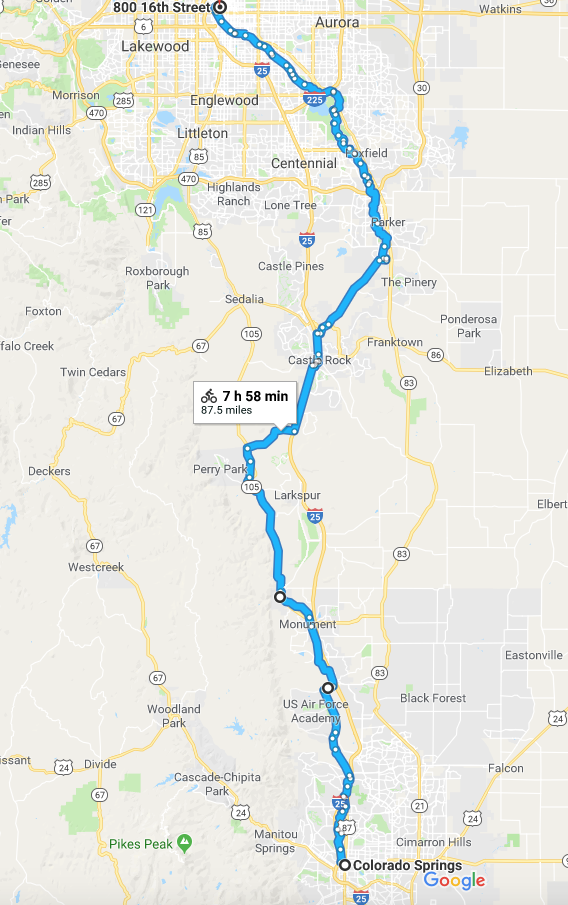
The question “How far is Denver, Colorado from Colorado Springs?” is frequently asked by those designing their itineraries. In essence, these two dynamic cities are remarkably close, making a combined exploration not just feasible but highly recommended. They represent distinct facets of Colorado’s appeal, with Denver offering a cosmopolitan urban experience and Colorado Springs serving as a direct portal to dramatic natural wonders. This guide will delve into the precise distance, explore various travel options, highlight the unique attractions and accommodation choices in each city, and provide essential tips to ensure your Colorado journey is seamless and unforgettable.
The Journey Between Cities: Distance and Travel Options
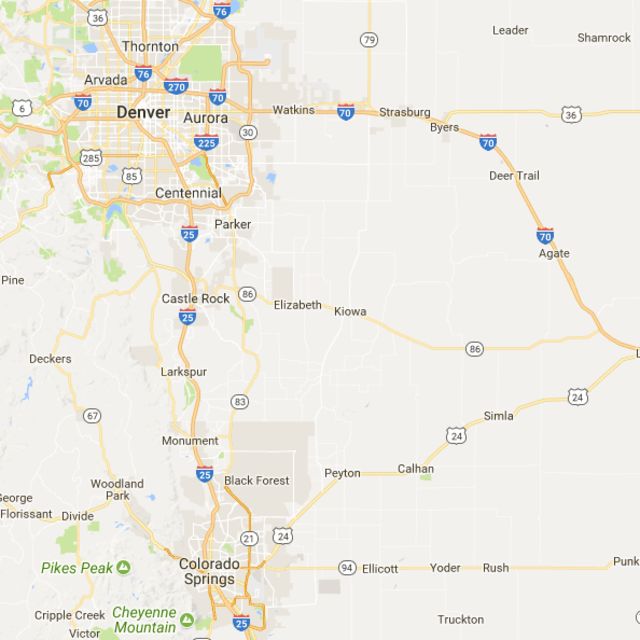
The distance between Denver, Colorado and Colorado Springs is a manageable stretch, typically making the trip between the two cities a relatively quick and straightforward affair. This proximity is a significant advantage for tourists who wish to experience both the urban vibrancy of Denver and the natural grandeur surrounding Colorado Springs within a single trip.
By Car: The Most Popular Route
For most travelers, driving is the preferred method of transit between Denver and Colorado Springs. The distance is approximately 60 to 70 miles (96 to 113 kilometers), depending on your exact starting and ending points within each city. The primary artery connecting the two is Interstate 25 (I-25), a well-maintained highway that runs north-south through the Front Range.
The estimated driving time usually ranges from 1 hour to 1 hour and 30 minutes under ideal conditions. However, it’s crucial to factor in potential traffic, especially during peak commute hours (morning and late afternoon weekdays) or on weekends when many residents head to the mountains or return home. Construction, which is common in a rapidly growing state like Colorado, can also add to travel times. Despite these variables, the drive itself is largely straightforward, offering views of the expansive plains to the east and the towering Rocky Mountains to the west. A car provides the ultimate flexibility, allowing travelers to explore attractions at their own pace and venture off the main highway to discover charming towns or scenic overlooks. For those without their own vehicle, numerous car rental agencies are available at Denver International Airport (DIA) and within both cities.
Public Transportation: Bustling Between Hubs
While driving offers unparalleled freedom, public transportation options are also available for those who prefer not to rent a car or navigate traffic. These services provide an economical and often stress-free alternative.
- Bus Services: The most common public transport option is intercity bus travel. Services like Greyhound and Bustang operate regular routes between Denver’s Union Station and Colorado Springs. Bustang, in particular, is a popular choice for commuters and travelers, offering comfortable coaches with amenities like Wi-Fi and power outlets. The travel time by bus is generally comparable to driving, ranging from 1.5 to 2 hours, depending on the number of stops. Bus fares are typically very affordable, making it a budget-friendly option.
- Train Services: While Amtrak does not offer a direct, convenient route between Denver and Colorado Springs for this specific short distance (their main line, the California Zephyr, runs through Denver but not Colorado Springs), it’s worth noting for longer United States itineraries. For the purposes of this specific journey, buses are the primary public transport option.
Other Options: Rideshares and Regional Connections
For those seeking door-to-door convenience without the commitment of a rental car, rideshare services like Uber and Lyft are readily available in both cities. While more expensive than bus travel, they offer a comfortable and flexible way to get between Denver and Colorado Springs, particularly if you’re traveling with luggage or a small group. Always check fare estimates before booking, as prices can fluctuate based on demand and time of day.
Although both cities have their own airports (Denver International Airport and Colorado Springs Airport), flying between them is not a practical option due to the short distance. The time spent checking in, going through security, and flying would far exceed the driving or bus travel time. These airports primarily serve as gateways for travelers arriving from or departing to other states and countries.
Discovering Denver: The Mile-High City’s Allure
Denver, Colorado, the state capital and its most populous city, sits exactly one mile above sea level, earning it the moniker, the Mile-High City. It’s a vibrant metropolis that seamlessly blends its Old West heritage with a progressive, outdoor-oriented culture. From world-class museums to bustling breweries, Denver offers a rich tapestry of experiences for every type of traveler.
Iconic Landmarks and Attractions
Denver’s array of landmarks and attractions caters to diverse interests, from art and history enthusiasts to sports fans and nature lovers.
- Red Rocks Amphitheatre: Just west of Denver in Morrison, this legendary outdoor concert venue is carved into towering red rock formations. Even if you’re not attending a show, a visit to Red Rocks for its stunning geology, hiking trails, and panoramic city views is a must.
- Downtown Denver and LoDo: The lower Downtown Denver district, or LoDo, is a historic neighborhood brimming with Victorian architecture, trendy restaurants, art galleries, and lively nightlife. Here, you’ll find Union Station, a beautifully restored Beaux-Arts train station that now serves as a vibrant transportation hub, hotel, and dining destination.
- 16th Street Mall: A mile-long pedestrian promenade that cuts through Downtown Denver, offering shops, restaurants, and free shuttle bus service.
- Arts and Culture: The Denver Art Museum, known for its striking architecture and extensive collection of Native American art, is a cultural gem. Other notable institutions include the Denver Museum of Nature & Science and the Denver Botanic Gardens, an urban oasis showcasing diverse plant collections and stunning landscapes.
- Sports Venues: For sports enthusiasts, Denver boasts professional teams in every major league. Catch a baseball game at Coors Field, home of the Colorado Rockies, or visit the Ball Arena for basketball (Nuggets) or hockey (Avalanche).
Accommodation Choices in Denver
Denver’s accommodation landscape is as diverse as its attractions, catering to luxury travelers, budget-conscious explorers, families, and business guests alike.
- Luxury Stays: For an opulent experience, consider the historic The Brown Palace Hotel and Spa, a landmark in itself offering timeless elegance. The Four Seasons Hotel Denver provides modern luxury with exceptional service and amenities in the heart of Downtown Denver.
- Boutique Hotels: Hotel Teatro, located across from the Denver Center for the Performing Arts, offers a sophisticated, intimate experience with unique design and personalized service.
- Mid-Range and Budget-Friendly Options: Numerous well-known hotel chains populate Denver’s various neighborhoods, from comfortable stays in Cherry Creek to convenient options near Denver International Airport. For those seeking extended stays, a variety of apartments and suites cater to different budgets and needs.
- Neighborhood Focus: Staying in LoDo puts you at the center of the action, within walking distance of many attractions and nightlife. Cherry Creek offers an upscale shopping and dining experience, while areas like Uptown provide a more residential feel with access to great local eateries.
Culinary Scene and Nightlife
Denver’s culinary scene is booming, reflecting its diverse population and innovative spirit. From farm-to-table restaurants to international cuisine, there’s something to satisfy every palate. The city is also a mecca for craft beer, boasting more breweries than almost any other city in the United States. Explore neighborhoods like Larimer Square for historic charm and gourmet dining, or RiNo (River North Art District) for trendy eateries, street art, and vibrant bars. The nightlife is equally dynamic, offering everything from live music venues and comedy clubs to sophisticated cocktail lounges.
Exploring Colorado Springs: Gateway to the Rockies
Just south of Denver, Colorado Springs provides a striking contrast with its direct access to some of Colorado’s most breathtaking natural formations. Often hailed as the Gateway to the Rocky Mountains, this city is a paradise for outdoor enthusiasts and those seeking awe-inspiring landscapes.
Must-Visit Natural Wonders and Sites
Colorado Springs is defined by its dramatic scenery, offering a plethora of natural and man-made attractions.
- Garden of the Gods: This National Natural Landmark is arguably the most famous attraction, featuring towering sandstone rock formations against the backdrop of Pikes Peak. It’s a free public park perfect for hiking, biking, rock climbing, and photography.
- Pikes Peak: Known as “America’s Mountain,” Pikes Peak stands majestically at 14,115 feet. Visitors can reach the summit via the scenic Pikes Peak Highway, the newly rebuilt Pikes Peak Cog Railway, or by hiking the challenging Barr Trail. The views from the top, especially at sunrise, are legendary.
- United States Air Force Academy: A stunning military institution with impressive architecture, including the iconic Cadet Chapel. Visitors can explore the campus, visitor center, and various scenic overlooks.
- Cheyenne Mountain Zoo: Perched on the side of Cheyenne Mountain, this zoo offers spectacular views of Colorado Springs and the surrounding area, alongside an impressive array of animals in naturalistic habitats.
- Broadmoor Seven Falls: A series of seven cascading waterfalls located in a magnificent box canyon. Visitors can climb 224 steps alongside the falls for incredible views or take an elevator to an observation platform.
Where to Stay in Colorado Springs
Accommodation options in Colorado Springs range from historic luxury resorts to comfortable family-friendly hotels, all providing excellent bases for exploring the area.
- Luxury Resort: The Broadmoor is a world-renowned, five-star resort that exemplifies luxury travel. With its historic charm, championship golf courses, award-winning spa, and exquisite dining, it’s an destination in itself.
- Family-Friendly Hotels: Many hotels offer amenities catering to families, often with pools and easy access to attractions like the Cheyenne Mountain Zoo or Garden of the Gods. Look for options along North Academy Boulevard or near the I-25 corridor for convenience.
- Unique Stays: For a taste of history and charm, consider staying in Old Colorado City or Manitou Springs, both historic districts with boutique hotels, inns, and a vibrant arts scene.
- Accommodation Variety: Like Denver, Colorado Springs offers a wide selection of hotels, suites, and vacation rentals through various booking platforms, allowing travelers to compare prices and find the perfect fit for their budget and preferences.
Outdoor Adventures and Local Experiences
Beyond the major landmarks, Colorado Springs is a hub for outdoor adventure. Hiking and mountain biking trails abound, from leisurely strolls in Palmer Park to challenging ascents on Cheyenne Mountain or the Manitou Incline. For a dose of local culture, explore the historic streets of Old Colorado City with its unique shops and art galleries, or visit Manitou Springs to sample the mineral waters from its natural springs. The local food scene, while perhaps less extensive than Denver’s, offers a range of options from classic American fare to international flavors, with many establishments embracing the craft beer culture prevalent throughout Colorado.
Maximizing Your Colorado Journey: Tips for Travelers
Making the most of your trip between Denver and Colorado Springs, and indeed throughout Colorado, involves thoughtful planning and an awareness of local conditions.
Planning Your Trip and Seasonal Considerations
Colorado’s weather can vary significantly by season and elevation.
- Summer (June-August): Popular for hiking, outdoor festivals, and exploring Pikes Peak and Garden of the Gods under warm, sunny skies. Expect larger crowds and higher accommodation prices.
- Fall (September-October): A truly spectacular time for scenic drives as the aspen trees turn golden. Cooler temperatures are ideal for hiking, and crowds begin to thin.
- Winter (November-March): While prime for skiing in mountain towns like Breckenridge or Vail, Denver and Colorado Springs can experience snow and cold, though sunny days are frequent. Road conditions, particularly on I-25 and towards Pikes Peak, can be affected.
- Spring (April-May): Characterized by unpredictable weather, with possibilities of snow, rain, and warm sunny days. It’s a quieter time to visit, but some higher elevation attractions might still be inaccessible.
Always check local weather forecasts before heading out and book accommodations, especially luxury hotels or popular resorts like The Broadmoor, well in advance, particularly during peak seasons.
Travel Between Cities: Making the Most of It
The journey along Interstate 25 offers a few points of interest if you choose to make a stop. The town of Castle Rock, roughly halfway between the two cities, is known for its large outlet mall, providing an opportunity for some retail therapy. For those with more time, a slight detour east or west could reveal hidden gems, though most travelers opt for the direct route given the short distance.
Consider your overall itinerary. If you’re flying into Denver International Airport, it might be strategic to head straight to Colorado Springs first to minimize backtracking, especially if you plan to explore the southern Front Range and then finish your trip with Denver’s urban attractions before flying out.
Budgeting and Lifestyle Choices
Colorado can accommodate a range of budgets. From luxury travel experiences at resorts like The Broadmoor or high-end dining in Denver’s Cherry Creek, to budget-friendly adventures like hiking in Garden of the Gods (which is free) and enjoying craft brewery tours, there’s something for everyone.
- Accommodation: Compare hotel prices and consider alternatives like vacation rentals or serviced apartments, especially for long-term stays or family trips. Booking in advance often secures better rates.
- Dining: Balance fine dining with local eateries, food trucks, and picnic options, particularly if exploring natural parks.
- Activities: Many outdoor activities are free or low-cost, like hiking and exploring parks. Consider purchasing attraction passes if you plan on visiting multiple paid attractions.
- Family and Business Travel: Both cities offer excellent infrastructure for family trips, with numerous kid-friendly attractions. For business stays, Denver boasts a large convention center and numerous business-class hotels, while Colorado Springs provides a more relaxed setting often favored for corporate retreats.
In conclusion, the journey from Denver, Colorado to Colorado Springs is not just a short drive but an integral part of experiencing the diverse beauty and culture of Colorado. With an approximate distance of 60-70 miles, these two cities are easily accessible, offering a perfect blend of urban excitement and breathtaking natural wonders. By understanding the travel options, exploring the unique attractions, and utilizing practical tips, you can craft a memorable and enriching itinerary that captures the true spirit of the Centennial State.
LifeOutOfTheBox is a participant in the Amazon Services LLC Associates Program, an affiliate advertising program designed to provide a means for sites to earn advertising fees by advertising and linking to Amazon.com. Amazon, the Amazon logo, AmazonSupply, and the AmazonSupply logo are trademarks of Amazon.com, Inc. or its affiliates. As an Amazon Associate we earn affiliate commissions from qualifying purchases.