
For travelers drawn to the majestic allure of the Rocky Mountains and the thrill of world-class skiing, the question of “How far is Vail, Colorado from Denver?” is often the first step in planning an unforgettable journey. As one of the premier ski destinations in the United States, Vail beckons with its legendary back bowls, charming European-inspired villages, and an abundance of year-round recreational activities. Meanwhile, Denver, the vibrant Mile High City, serves as the primary gateway for millions of visitors heading to Colorado’s mountain playgrounds. Understanding the distance, travel time, and various transportation options between these two iconic Colorado locations is crucial for a smooth and enjoyable trip, whether you’re seeking a luxurious escape, a family adventure, or an efficient business stay.
This comprehensive guide will delve into every aspect of the journey, from detailed driving routes and alternative transport methods to the captivating reasons why Vail remains a top-tier destination for tourists worldwide. We’ll explore how to make the most of your travel, highlighting scenic stops, essential planning tips, and the diverse accommodation options that await you in Vail.
The Journey Between Denver and Vail: Distance and Driving Time
The most common and picturesque way to travel from Denver to Vail is by car, offering travelers the flexibility to explore at their own pace and soak in the stunning mountain vistas. This segment will break down the specifics of this popular route.
Understanding the Route
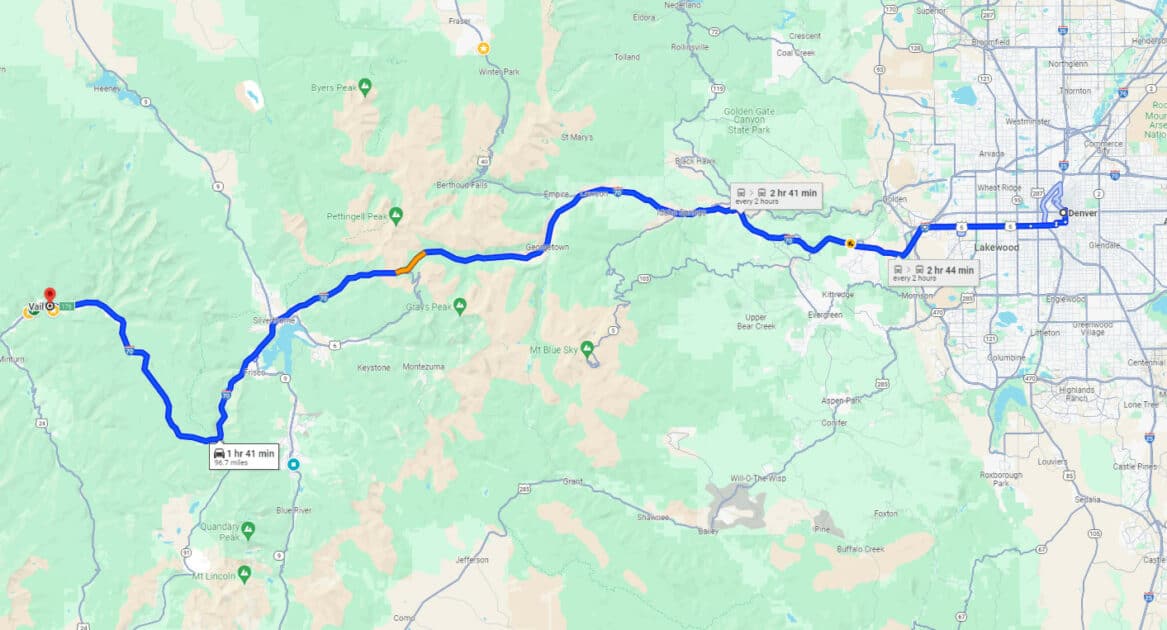
The primary route connecting Denver to Vail is Interstate 70 (I-70) West. This major highway is an engineering marvel, winding through canyons, over high mountain passes, and through the iconic Eisenhower Memorial Tunnel. The journey begins by heading west from Denver, quickly transitioning from urban sprawl to breathtaking mountain landscapes.
The drive takes you past several charming mountain towns, each offering a glimpse into Colorado’s rich history and natural beauty. Towns like Georgetown, Silverthorne, Frisco, and Dillon dot the landscape, providing potential stops for refreshments, photo opportunities, or simply to stretch your legs. After passing through the Eisenhower Memorial Tunnel, a critical choke point and engineering feat, the road descends into the scenic Vail Valley, leading directly to Vail.
While I-70 is the most direct route, some adventurous travelers might consider Loveland Pass (U.S. Highway 6) as an alternative to the Eisenhower Tunnel, particularly when the tunnel is congested or for those seeking even more dramatic views. However, Loveland Pass is a challenging drive with steep grades and tight turns, often closed in severe winter weather, and is generally not recommended for those unfamiliar with mountain driving or in adverse conditions.
Calculating the Distance
The approximate driving distance from Downtown Denver to Vail is 97 miles (about 156 kilometers). This measurement can vary slightly depending on your exact starting point in Denver and your specific destination within Vail’s villages. This relatively short distance makes Vail an accessible and popular weekend getaway or a quick escape for Denver residents and visitors alike.
Estimating Driving Time
Under ideal conditions, with clear roads and no traffic, the drive from Denver to Vail typically takes between 1 hour and 45 minutes to 2 hours. However, “ideal conditions” can be a rare commodity on I-70, especially during peak travel seasons. Several factors significantly impact travel time:
- Traffic: Weekends, particularly Friday evenings and Sunday afternoons during ski season, can see heavy traffic congestion, especially westbound on Friday and eastbound on Sunday. Holiday weekends are also notoriously busy. Travel times can easily double, sometimes even triple, during these peak periods.
- Weather Conditions: Colorado mountain weather is unpredictable. Snowstorms, blizzards, and icy roads are common in winter, leading to reduced speeds, road closures, and requiring four-wheel drive or traction devices (like chains or snow tires). Even in summer, thunderstorms can cause temporary slowdowns.
- Road Construction: As a vital artery, I-70 frequently undergoes maintenance and construction, which can lead to lane closures and delays, particularly during warmer months.
- Time of Day/Year: Traveling early in the morning or late in the evening generally avoids the heaviest traffic. Mid-week travel is usually smoother than weekend travel.
- Accidents: Unfortunately, accidents on I-70 can bring traffic to a standstill for extended periods, as there are limited alternative routes through the mountains.
It is always advisable to check real-time traffic updates and weather forecasts before embarking on your journey, especially during winter months. Websites like cotrip.org are excellent resources for road conditions.
Scenic Stops and Detours
The drive along I-70 is more than just a means to an end; it’s an experience in itself. Planning a stop can break up the drive and add another layer of enjoyment to your trip.
- Georgetown: A historic silver mining town, Georgetown offers a charming main street, the Georgetown Loop Railroad, and opportunities for a quick bite.
- Dillon/Silverthorne/Frisco: These adjacent towns surrounding Dillon Reservoir are popular hubs. You can find outlets for shopping in Silverthorne, enjoy lakeside views and activities in Dillon, or explore the quaint main street of Frisco. They make excellent spots for lunch or a quick coffee.
- Scenic Overlooks: Numerous pull-offs along I-70 offer breathtaking views of the surrounding mountains, including the Gore Range as you approach Vail. Take a moment to capture the beauty of the Blue River and the vast expanse of the Colorado wilderness.
Beyond the Wheel: Alternative Transportation Options
While driving is the most common method, not everyone wishes to navigate mountain roads or deal with parking in Vail. Fortunately, several convenient alternative transportation options connect Denver and Vail.
Shuttle Services
For those who prefer to relax and let someone else handle the driving, dedicated shuttle services are an excellent choice. Companies like Epic Mountain Express (formerly Colorado Mountain Express, CME) offer comfortable, reliable, shared-ride, and private transportation directly from Denver International Airport (DIA) or various Denver locations to your specific accommodation in Vail.
- Benefits: Stress-free travel, professional drivers experienced with mountain conditions, luggage handling (including ski/snowboard equipment), and the ability to enjoy the scenery without driving.
- Cost: Generally more expensive than driving your own car or taking a bus, but cost-effective compared to private car services or flying into EGE for solo travelers or small groups.
- Convenience: Door-to-door service often available, making it seamless from the airport to your hotel.
Booking these services in advance, especially during peak season, is highly recommended to secure your preferred times and rates.
Public Transportation/Buses
For budget-conscious travelers, public bus services offer a more economical way to reach Vail. Bustang, Colorado’s interregional express bus service, operates routes connecting Denver to various mountain towns, including a stop near Vail.
- Pros: Significantly more affordable than shuttles or private cars. Provides a direct connection from downtown Denver or DIA to the mountain corridor.
- Cons: Less flexible schedules, fewer stops, and you might need to arrange local transportation from the bus stop to your final destination in Vail. Luggage limits might also apply.
- Experience: While not as luxurious as a private shuttle, Bustang buses are comfortable and equipped with amenities like Wi-Fi and power outlets, making for a pleasant ride.
Private Car Services and Taxis
For the utmost in convenience, privacy, and luxury, private car services or taxis can be booked. These services offer direct, personalized transportation from any location in Denver, including DIA, directly to your lodging in Vail.
- Benefits: Highly flexible scheduling, direct non-stop travel, privacy, and often luxury vehicles. Ideal for families with young children, business travelers, or those seeking a premium experience.
- Cost: This is typically the most expensive ground transportation option due to the personalized service and vehicle exclusivity.
- Booking: Requires advance booking, especially for larger vehicles or specific luxury models.
Air Travel (Denver International Airport to Eagle County Regional Airport)
While not a direct flight from Denver to Vail (as Vail itself doesn’t have an airport), a significant number of travelers opt to fly into Eagle County Regional Airport (EGE), which serves the Vail and Beaver Creek Resort areas. EGE is located about 35 miles (56 kilometers) west of Vail.
- Connection: While there are no direct commercial flights from DIA to EGE (it’s too short a distance to be efficient, and often faster by ground), many visitors fly into DIA from their origin city, then catch a connecting flight from DIA to EGE if available from specific airlines, or more commonly, fly directly from major U.S. cities to EGE. Alternatively, if flying into DIA, a ground shuttle or private transfer is then required for the remaining 35-mile journey from EGE to Vail.
- Benefits: Significantly reduces travel time from the airport to the slopes if you can get a direct flight from your origin city to EGE, especially for those coming from distant locations.
- Considerations: Flights into EGE can be more expensive than flying into DIA, and flight schedules might be limited, particularly during off-peak seasons. The final leg from EGE to Vail still requires ground transportation, which can be arranged through shuttles, taxis, or rental cars.
This multi-modal approach showcases the diverse ways travelers can tailor their journey to Vail based on budget, time constraints, and preference for comfort or adventure.
Why Make the Trip? Exploring Vail’s Allure
Now that we’ve covered how to get there, let’s explore why millions of people make the journey to Vail each year. Vail is more than just a ski town; it’s a vibrant destination offering a luxurious lifestyle, world-class outdoor activities, and unique cultural experiences year-round.
A World-Class Ski Destination
Vail’s reputation as a premier ski destination is legendary, drawing enthusiasts from across the globe. Vail Ski Resort boasts over 5,300 acres of skiable terrain, making it one of the largest ski resorts in North America. Its famous “Back Bowls” offer an unparalleled expanse of ungroomed powder skiing, while the front side caters to all skill levels with impeccably groomed runs and beginner-friendly areas.
The resort comprises two main base areas, each with its distinct character:
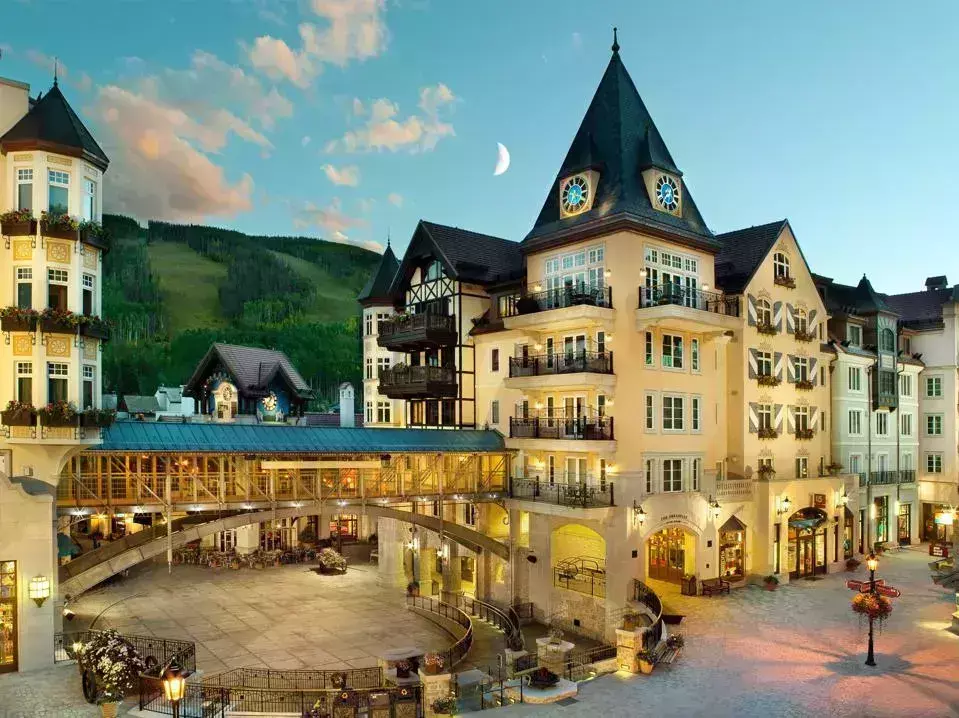
- Vail Village: The heart of Vail, known for its European-style pedestrian village, upscale boutiques, gourmet restaurants, and vibrant nightlife. It offers a luxurious and charming atmosphere, reminiscent of an alpine village in Switzerland or Austria.
- Lionshead Village: A more modern and family-friendly village, Lionshead features a bustling gondola, various shops, restaurants, and direct access to ski school. It provides convenient lodging and amenities, often a favorite for families due to its accessibility.
Beyond skiing and snowboarding, Vail offers a plethora of winter activities, including ice skating, snowshoeing, cross-country skiing, and tubing, ensuring there’s an adventure for every type of winter sports enthusiast.
Summer Adventures and Year-Round Appeal
While famous for its winter sports, Vail transforms into a vibrant playground during the warmer months, offering a completely different set of adventures and maintaining its status as a top year-round destination.
- Hiking and Biking: Miles of scenic trails cater to all levels, from leisurely strolls along Gore Creek to challenging ascents with panoramic mountain views. Mountain biking is also hugely popular, with lift-served access to downhill trails.
- Fly Fishing: The pristine waters of Gore Creek and nearby rivers are renowned for excellent fly fishing opportunities.
- Golf: Several championship golf courses offer stunning backdrops for a round of golf amidst the mountains.
- Festivals and Events: Summer in Vail is abuzz with activity, hosting numerous music festivals (like the Vail Jazz Festival), art shows, food and wine events, and outdoor concerts at the Gerald R. Ford Amphitheater.
- Betty Ford Alpine Gardens: The highest botanical garden in the world, it’s a serene oasis showcasing alpine plants from around the globe, offering a tranquil escape and educational experience.
- White Water Rafting: Nearby rivers provide thrilling white-water rafting experiences for various skill levels.
This diverse array of activities ensures that Vail remains a compelling destination throughout the year, attracting visitors who seek both high-adrenaline adventures and relaxing cultural experiences.
Luxury Lifestyle and Accommodation
Vail is synonymous with luxury. The village experience is meticulously crafted, offering a high-end lifestyle with world-class dining, shopping, and spa facilities. The accommodation options reflect this commitment to excellence, catering to discerning travelers with a wide range of preferences.
- Five-Star Resorts: Properties like The Lodge at Vail, a RockResort, or the Four Seasons Resort and Residences Vail offer unparalleled service, amenities, and direct ski-in/ski-out access. These resorts feature luxurious suites, exquisite dining, rejuvenating spas, and concierge services tailored to every guest’s need, perfect for a luxury travel experience.
- Boutique Hotels and Condominiums: Beyond the grand resorts, Vail offers a selection of charming boutique hotels and upscale condominiums, providing a more intimate atmosphere while still offering premium amenities. Many are ideal for family trips or those seeking self-catering options.
- Vacation Rentals: For longer stays, larger groups, or those desiring a home-away-from-home feel, numerous villas and apartments are available for rent, often equipped with full kitchens, multiple bedrooms, and spacious living areas.
- Amenities: Regardless of the type of accommodation, expect high-quality amenities such as heated pools, hot tubs, fitness centers, ski valets, and shuttle services to navigate the village.
Vail’s commitment to providing exceptional hospitality ensures that every visitor, from the luxury traveler to the family on a budget, finds an accommodation option that meets their needs and enhances their overall experience.
Making the Most of Your Denver-Vail Journey
To ensure your trip from Denver to Vail and your stay in the resort town are as smooth and enjoyable as possible, a bit of strategic planning goes a long way.
Planning Your Trip: Timing and Logistics
- Best Time to Visit: For skiing, late January through March often provides the best snow conditions and fewer extreme cold days. For summer activities, July and August offer warm, sunny days. Shoulder seasons (late spring/early fall) offer fewer crowds and often better deals on accommodation, making them ideal for budget travel.
- Check Road Conditions: Always, always check cotrip.org for real-time traffic and weather conditions on I-70 before you leave, especially in winter. Plan extra time for potential delays.
- Book in Advance: Whether it’s accommodation, shuttle services, or even popular dining reservations, booking well in advance is crucial, particularly during peak ski season and major holiday weekends. This can also help secure better rates for hotels and other travel components.
- Pack Appropriately: Mountain weather can change quickly. Layered clothing is essential, regardless of the season. In winter, ensure you have appropriate gear for cold and snow.
- Altitude Sickness: Denver’s altitude is already high (5,280 feet), and Vail is even higher (8,150 feet at the base). Stay hydrated, avoid excessive alcohol upon arrival, and take it easy on your first day to acclimate.
Accommodation Choices in Vail
Vail offers a spectrum of accommodation to suit various preferences and budgets, though it tends to lean towards the higher end.
- Luxury Resorts: As mentioned, The Lodge at Vail and the Four Seasons Resort and Residences Vail represent the pinnacle of luxury. Other high-end options include The Arrabelle at Vail Square and Hotel Talisa (soon to be Grand Hyatt Vail). These are perfect for those seeking indulgent suites, comprehensive resort amenities, and unparalleled service.
- Mid-Range Hotels: For a balance of comfort and value, consider options like the Evergreen Lodge at Vail or the Vail International Condominiums. These offer comfortable rooms, convenient locations, and often amenities like pools and hot tubs.
- Vacation Rentals/Condos: Websites like VRBO and Airbnb list numerous apartments, condos, and villas, ideal for families or groups. They often come with full kitchens, multiple bedrooms, and living areas, offering a home-like experience. This can be a smart choice for long-term stays or family trips.
- Budget-Friendly Options: While Vail is generally upscale, more budget-friendly options can be found slightly outside the main villages in areas like West Vail or by staying in nearby towns like Avon or Eagle and commuting. However, transport logistics need to be considered.
Booking platforms often allow for comparison and reviews, helping you find the perfect fit for your lifestyle and travel needs.
Exploring Denver Before or After Vail
Since Denver serves as the primary arrival point for many visitors, consider adding a day or two to explore the city before or after your Vail adventure. Denver offers a rich tapestry of urban attractions that complement the mountain experience.
- Cultural Attractions: Visit the Denver Art Museum, the Denver Museum of Nature & Science, or explore the historic neighborhoods like LoDo (Lower Downtown) with its Victorian architecture and Union Station.
- Craft Beer Scene: Denver is a mecca for craft beer lovers, with numerous breweries offering tours and tastings.
- Red Rocks Park and Amphitheatre: Just a short drive west of Denver, Red Rocks Park and Amphitheatre is a stunning natural landmark and world-renowned concert venue, offering hiking trails and breathtaking views even if you’re not attending a show.
- Dining and Nightlife: Denver boasts a vibrant culinary scene, from farm-to-table restaurants to diverse international cuisine, alongside lively bars and entertainment venues.
Integrating Denver into your itinerary can enhance your overall Colorado experience, providing a contrast between urban sophistication and mountain wilderness.
In conclusion, the journey from Denver to Vail, though relatively short in distance, is packed with stunning scenery and varied transportation choices. Whether you opt for the classic drive along I-70, a convenient shuttle, or a combination of air and ground travel, arriving in Vail promises access to a world of adventure, luxury, and unparalleled natural beauty. Planning ahead and choosing the right mode of transport and accommodation will ensure your focus remains on enjoying all that this magnificent Colorado destination has to offer.
LifeOutOfTheBox is a participant in the Amazon Services LLC Associates Program, an affiliate advertising program designed to provide a means for sites to earn advertising fees by advertising and linking to Amazon.com. Amazon, the Amazon logo, AmazonSupply, and the AmazonSupply logo are trademarks of Amazon.com, Inc. or its affiliates. As an Amazon Associate we earn affiliate commissions from qualifying purchases.