
The allure of the Centennial State, Colorado, is undeniable. From its majestic Rocky Mountains to its vibrant cities like Denver and Boulder, Colorado offers an unparalleled blend of adventure, culture, and natural beauty. Whether you’re planning a temporary visit, a longer-term relocation for work or study, or even considering making this picturesque state your permanent home, understanding the practicalities of navigating daily life here is crucial. One of the most fundamental aspects of establishing yourself or simply enhancing your ability to explore this diverse landscape is obtaining a Colorado License.
For many, the term “license” immediately conjures images of driving. Indeed, a Colorado driver’s license is a vital document for personal mobility, allowing you to traverse scenic byways, commute to work, or simply pick up groceries. However, a state-issued identification goes beyond just driving; it serves as a primary form of identification for countless daily interactions, from checking into a hotel to accessing various services, and even proving your age. This comprehensive guide will walk you through the process of securing your very own Colorado Driver’s License or State Identification Card, ensuring a smoother transition into the Colorado lifestyle, whether your stay is brief or permanent.
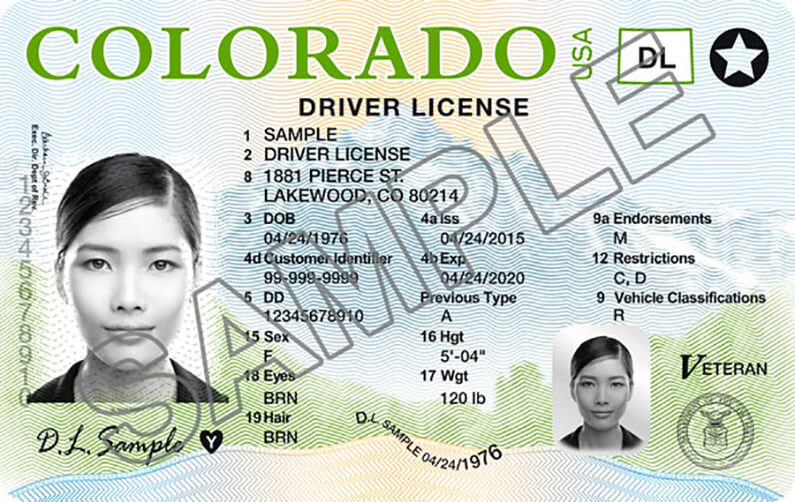
Understanding Your Need for a Colorado License
Before diving into the procedural specifics, it’s important to understand why a Colorado License is more than just a piece of plastic. Its utility extends across various facets of travel, tourism, and daily lifestyle, making it an indispensable asset for residents and long-term visitors alike.
Why a Colorado Driver’s License or State ID Matters for Travelers and Residents
For residents, a Colorado Driver’s License or State ID is practically non-negotiable. It’s the official document that proves your identity and residency within the state. This is critical for everything from opening a bank account, registering children for school, securing employment, or even voting in local elections. Beyond these essential civic functions, it facilitates myriad everyday transactions. Imagine needing to confirm your age at a local brewery in Fort Collins or verifying your identity when picking up a package. Your Colorado ID streamlines these processes, making daily life significantly more convenient.
For travelers, particularly those planning extended stays or even short trips that involve activities requiring identification, a Colorado State ID can be incredibly useful. While an out-of-state driver’s license or passport typically suffices for most tourist activities, having a local ID can simplify interactions, especially if you intend to participate in activities that might have age restrictions or require local verification, such as renting specific equipment for outdoor adventures in Aspen or Vail. For those relocating, obtaining a Colorado license within a certain timeframe is often a legal requirement once you establish residency, typically 30-90 days, depending on the specifics of your move and prior licensing.
Different Types of Colorado Licenses: Driver’s vs. State ID
When we talk about a “Colorado License,” we are generally referring to two primary types issued by the Colorado Department of Motor Vehicles (DMV):
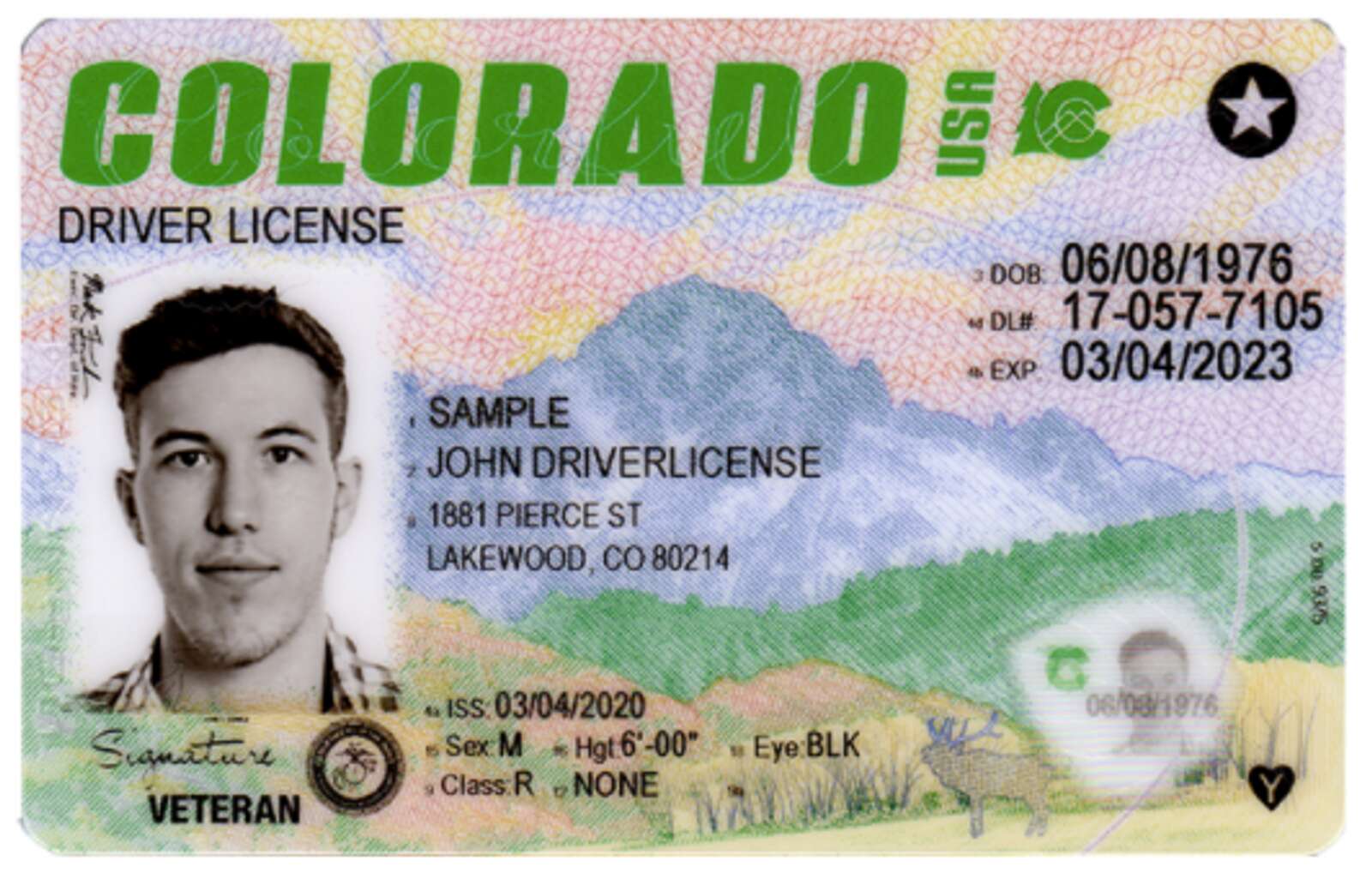
- Colorado Driver’s License: This is the most common type and serves as official proof of identity, age, and, most importantly, your authorization to operate a motor vehicle on public roads. It comes in various classes depending on the type of vehicle you intend to drive (e.g., Class R for standard passenger vehicles, Commercial Driver’s Licenses (CDL) for larger vehicles). To obtain a driver’s license, you must pass a written knowledge test and a driving skills test, in addition to meeting all identity and residency requirements.
- Colorado State Identification Card: For individuals who do not drive or do not wish to obtain a driver’s license, a State ID card serves as a valid, government-issued form of identification. It carries the same weight as a driver’s license for identity verification purposes but does not authorize you to operate a vehicle. This is an excellent option for non-drivers, seniors, or those who prefer not to drive but still require official identification for various accommodation bookings, financial transactions, or simply proving who they are. The application process for a State ID is generally simpler as it does not involve driving tests.
Both types of licenses in Colorado are available in Real ID-compliant formats, indicated by a star at the top of the card. A Real ID is required for boarding domestic flights in the United States and accessing certain federal facilities.
The Essential Steps to Obtaining Your Colorado License
The process of obtaining a Colorado License involves several key stages, from gathering the necessary paperwork to passing the required tests. Diligent preparation will significantly streamline your experience.
Gathering Required Documentation
The most crucial step in applying for any Colorado license is compiling the correct documentation. The Colorado DMV adheres to strict guidelines to ensure identity and residency verification. It’s always best to check the official DMV website for the most current and detailed list, as requirements can sometimes change. However, generally, you will need to provide:
- Proof of Identity and Date of Birth: This typically requires two documents. Primary documents include a valid U.S. passport or passport card, a certified birth certificate (original or certified copy), or a foreign passport with a valid U.S. visa and I-94 form (for non-citizens). Secondary documents might include an out-of-state driver’s license, a U.S. military ID, or a marriage certificate (if using to link names).
- Proof of Social Security Number (SSN): You’ll need to present your Social Security card (original), a W-2 form, or a pay stub with your name and SSN. If you do not have an SSN (e.g., certain non-citizens), you may be required to provide a letter from the Social Security Administration indicating non-eligibility.
- Proof of Colorado Residency: This is essential to demonstrate that you legitimately reside in Colorado. Typically, two documents are required. Acceptable proofs include a utility bill (gas, electric, water) in your name and current address, a bank statement, a printed pay stub, a mortgage statement or rental agreement, or a Colorado property tax bill. These documents must be recent, usually within 60 days. For those new to the state and residing in temporary accommodation, such as a short-term apartment rental in Colorado Springs or a resort in Breckenridge, it can be challenging to secure immediate proof of residency. It’s advisable to establish a bank account or get a utility bill quickly.
- Proof of Signature: Documents like a valid U.S. passport, out-of-state driver’s license, or a valid state identification card can serve this purpose.
- Current Driver’s License (if applicable): If you’re transferring an out-of-state license, you’ll need to surrender your old license.
Ensuring you have original documents, not photocopies, is critical. The DMV will often not accept digital copies or non-certified duplicates.
Navigating the Application Process
Once your documents are in order, the application process unfolds in a structured manner.
Scheduling Your Visit to the Colorado DMV
In many parts of Colorado, especially in larger metropolitan areas like Denver or Aurora, DMV offices operate by appointment. It is highly recommended to schedule your appointment online through the official Colorado DMV website. This significantly reduces wait times and ensures you are seen promptly. Walk-ins are often accommodated only if there is availability, which can lead to long waits or being turned away. When booking, select the service you need (e.g., “New Driver’s License,” “State ID Card”) to ensure you are directed to the correct counter and have enough time allocated for your transaction.
Upon arrival at the DMV office, you will typically check in and wait for your number to be called. An agent will review your documents, verify your identity, and take your photograph for the license. You will also be required to pay the applicable fees at this stage.
The Written and Driving Tests (for Driver’s License)
If you are applying for a Colorado Driver’s License and do not have a valid out-of-state license to transfer (e.g., you are a first-time driver or your previous license has expired beyond a grace period), you will need to pass two tests:
- Written Knowledge Test: This multiple-choice test assesses your understanding of Colorado traffic laws, road signs, and safe driving practices. The questions are derived directly from the official Colorado Driver Handbook, which is available online. Studying this handbook thoroughly is essential for success. Many online practice tests can also help you prepare.
- Driving Skills Test: This practical test evaluates your ability to operate a vehicle safely and competently. It covers basic maneuvers, adherence to traffic laws, parallel parking, and overall road awareness. You must provide your own vehicle for the test, and it must be properly insured and registered. In some cases, you may be able to take the driving skills test through an authorized third-party testing facility, which can offer more flexible scheduling.
If you are transferring a valid driver’s license from another U.S. state, you generally will not need to take the written or driving tests, though a vision screening is always required.
Fees and Issuance
There are various fees associated with obtaining a Colorado License. These typically include an application fee, an issuance fee, and sometimes additional fees for specific endorsements or services. The exact amounts can be found on the DMV website, but expect to pay in the range of $20-$30 for a standard driver’s license or state ID. Most DMV offices accept cash, checks, and major credit/debit cards.
After successfully completing all requirements, your temporary paper license will be issued on the spot. The permanent plastic card will then be mailed to your Colorado address within several weeks. Ensure your mailing address is accurate to avoid delays.
Special Considerations for Newcomers and International Visitors
The process for obtaining a Colorado License can vary slightly depending on your background and immigration status.
Transferring an Out-of-State License to Colorado
If you’ve recently moved to Colorado from another U.S. state or territory, the process to transfer your existing driver’s license is relatively straightforward. You are generally required to obtain a Colorado Driver’s License within 30-90 days of establishing residency, although specific rules may apply.
You will need to visit a Colorado DMV office, surrender your out-of-state license, pass a vision screening, and provide all the necessary proof of identity, SSN, and Colorado residency as outlined above. As mentioned, the written and driving tests are typically waived if your out-of-state license is valid and unexpired. This streamlined process makes integrating into the Colorado lifestyle much easier for domestic relocations.
Guidelines for International Travelers and Temporary Residents
For international visitors, students, or temporary workers, obtaining a Colorado License has specific requirements.
- Valid Foreign License: If you hold a valid driver’s license from your home country, you can typically drive in Colorado for up to one year from your date of entry into the United States, provided you are at least 16 years old. An International Driving Permit (IDP) is highly recommended as it translates your license into multiple languages, making it easier for law enforcement to understand. However, an IDP is only valid when presented with your actual foreign driver’s license.
- Obtaining a Colorado License as a Non-Citizen: If you plan to reside in Colorado for more than a year or wish to obtain a local ID for convenience, you can apply for a Colorado Driver’s License or State ID. The documentation requirements are more stringent for non-citizens. You will need to provide proof of your legal presence in the United States, such as a valid passport with a U.S. visa, I-94 arrival/departure record, Employment Authorization Document (EAD), or a Green Card. The DMV will verify your immigration status through the Systematic Alien Verification for Entitlements (SAVE) program, which can add a few days to the processing time. Depending on your visa type, the license issued might be temporary and expire concurrently with your authorized stay in the U.S..
It is crucial for international residents to consult the Colorado DMV website or visit an office in person to understand the specific documents required based on their individual immigration status.
Beyond the License: Exploring Colorado’s Wonders
Once you have your Colorado License in hand, a whole new world of exploration opens up. This piece of identification not only facilitates your daily life but also enhances your ability to fully immerse yourself in the state’s renowned travel and tourism offerings.
Unlocking Colorado’s Destinations and Attractions
With a valid Colorado Driver’s License, you gain the freedom to explore the state at your own pace. Imagine embarking on a scenic drive through Rocky Mountain National Park, a true landmark of natural beauty, or venturing south to the otherworldly landscape of Great Sand Dunes National Park. Your license means you can rent a car to traverse the majestic Million Dollar Highway near Ouray, or easily navigate to unique attractions like the Garden of the Gods in Colorado Springs or a concert at the iconic Red Rocks Amphitheatre outside Denver.
Beyond simply driving, your license serves as a gateway to local culture and experiences. It simplifies entry to museums, art galleries, and cultural centers in cities like Boulder or Grand Junction. For those interested in outdoor activities, it can be used for proving identity when renting gear for skiing in Steamboat Springs, rafting on the Arkansas River, or hiking trails in various national forests. This freedom of mobility and verified identity allows you to fully engage with Colorado’s diverse destinations and attractions, fostering deeper and more authentic travel experiences.
The Role of Your Colorado License in Accommodation and Travel Logistics
Your Colorado License also plays a critical role in seamless accommodation and general travel logistics. When checking into a hotel, whether it’s a luxury resort in Beaver Creek or a cozy apartment rental in Durango, a government-issued photo ID is almost always required. Your Colorado Driver’s License or State ID serves this purpose perfectly, confirming your identity for secure booking and check-in processes. This is true whether you are staying in traditional hotels, quaint bed and breakfasts, or even long-term stay accommodations while relocating.
Furthermore, a Real ID-compliant Colorado License simplifies domestic air travel. With the heightened security measures at airports, having a Real ID means smoother passage through security checkpoints at Denver International Airport (DIA) or smaller regional airports like Aspen/Pitkin County Airport. This convenience is a significant benefit for anyone who plans to fly within the United States from their Colorado base. Even for non-driving related aspects of tourism, such as purchasing tickets for events, verifying age for certain activities, or simply as a readily accepted form of identification, your Colorado License proves invaluable.
In conclusion, obtaining a Colorado License, whether it’s a driver’s license or a state identification card, is a foundational step for anyone looking to truly experience and thrive in the Centennial State. It’s not merely a bureaucratic requirement but a key that unlocks seamless travel, effortless navigation of daily life, and deeper immersion into the rich lifestyle and vibrant culture that Colorado has to offer. By following the outlined steps and preparing diligently, you’ll soon be equipped with the necessary credentials to explore every peak, valley, and urban gem this remarkable state holds.
LifeOutOfTheBox is a participant in the Amazon Services LLC Associates Program, an affiliate advertising program designed to provide a means for sites to earn advertising fees by advertising and linking to Amazon.com. Amazon, the Amazon logo, AmazonSupply, and the AmazonSupply logo are trademarks of Amazon.com, Inc. or its affiliates. As an Amazon Associate we earn affiliate commissions from qualifying purchases.