
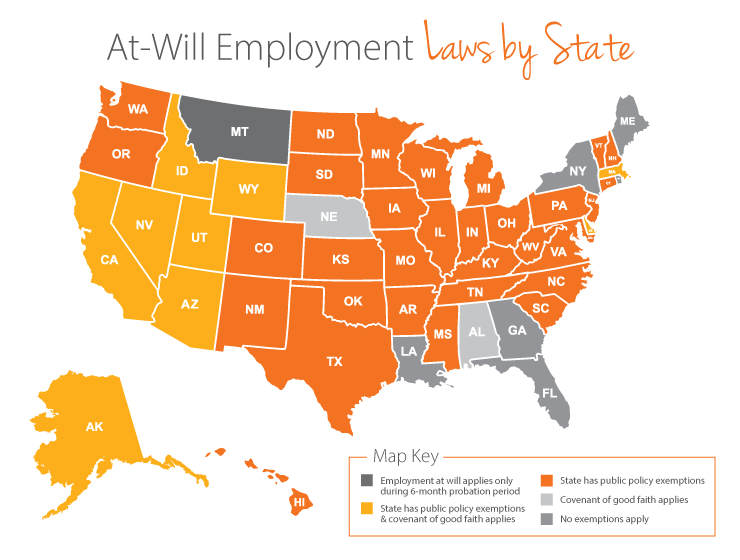
For anyone considering a move to the picturesque landscapes of Colorado, exploring its vibrant tourism scene, or simply seeking temporary employment in one of its renowned ski resorts or bustling cities, understanding the state’s employment laws is paramount. The question, “Is Colorado an at-will state?” is a fundamental one that impacts everything from seasonal job opportunities in Vail or Aspen to long-term career planning in Denver’s burgeoning tech industry. The short answer is yes, Colorado operates under the principle of at-will employment, much like the majority of the United States. However, delving deeper into what this truly means, its implications, and the various exceptions and protections that exist, provides a comprehensive picture for anyone looking to live, work, or travel within the Centennial State.
The concept of at-will employment is a cornerstone of American labor law, defining the basic relationship between employers and employees in many states. For those drawn to Colorado for its unique lifestyle offerings, from luxury travel experiences in mountain towns to budget-friendly adventures in its national parks, understanding this legal framework is not just a matter for legal professionals but a practical consideration for managing one’s career and financial stability. Whether you’re booking a long-term stay in a Denver apartment, considering a job at a Breckenridge resort, or exploring entrepreneurial opportunities, the nuances of at-will employment will invariably play a role in your professional journey.
Understanding At-Will Employment in Colorado
At its core, at-will employment provides both employers and employees with significant flexibility in their working relationships. This principle simplifies the process of hiring and separation, aligning with a dynamic economy where businesses and individuals often need to adapt quickly. However, this flexibility comes with specific responsibilities and limitations, especially for employees who might feel vulnerable to arbitrary decisions. For visitors and potential residents, particularly those involved in the tourism and hospitality sectors, knowing these basic tenets is crucial.
The Basics of At-Will Employment
In an at-will employment state like Colorado, either the employer or the employee can terminate the employment relationship at any time, for any reason or no reason at all, as long as the reason is not illegal. This means an employer does not typically need to demonstrate “just cause” for dismissal, and an employee is not obligated to provide advance notice when resigning (though professional courtesy often dictates doing so).
This default rule applies unless there is an express contract that specifies a duration of employment or outlines specific conditions under which an employee can be terminated. For example, a high-level executive at a Colorado Springs resort might have an employment contract guaranteeing a certain term of employment or requiring severance pay if terminated without cause. Similarly, a unionized employee working for a major airline based out of Denver International Airport would be subject to the terms of their collective bargaining agreement, which typically includes provisions for “just cause” termination.
The intention behind at-will employment is to foster a free market for labor, allowing businesses to operate efficiently and individuals to pursue new opportunities without undue legal burden. For individuals seeking temporary work during ski season in places like Vail or summer guide positions in Rocky Mountain National Park, this flexibility can be both a blessing and a challenge. It facilitates quick hiring for seasonal roles but also means job security might be limited to the duration of the season or the employer’s immediate needs.
Exceptions to the At-Will Doctrine
While Colorado embraces at-will employment, it’s not an absolute rule. Several crucial exceptions provide important protections for employees, preventing employers from abusing the at-will doctrine. Understanding these exceptions is vital for anyone working in or considering employment in the state, whether in a luxury hotel, a bustling local restaurant, or a tech startup in Boulder.
-
Public Policy Exception: This is perhaps the most significant exception. An employer cannot terminate an employee for reasons that violate a clear public policy. This includes, but is not limited to, firing someone for:
- Refusing to commit an illegal act.
- Performing a public duty (like jury service).
- Exercising a statutory right (such as filing a workers’ compensation claim or reporting unlawful workplace conduct under whistleblower protection laws).
- Engaging in lawful off-duty activities, a specific protection Colorado offers to its employees, which can be particularly relevant for those enjoying the state’s numerous outdoor activities and vibrant social scene.
-
Implied Contract Exception: Although an explicit written contract overrides at-will status, an “implied contract” can also alter the at-will relationship. This might arise from employer handbooks, policies, oral assurances, or a consistent course of conduct by the employer. If, for instance, an employee handbook at a boutique hotel in Aspen outlines a specific progressive disciplinary process that must be followed before termination, and that process is not adhered to, an implied contract might be argued to exist.
-
Promissory Estoppel: This exception applies when an employer makes a clear and unambiguous promise that an employee reasonably relies upon to their detriment. For example, if a manager at the Four Seasons Resort Vail promises a new hire that they will have a job for at least two years if they relocate from another state, and the employee quits their old job and moves based on that promise, they might have a claim if terminated without cause shortly after starting.
-
Anti-Discrimination Laws: Both federal and state laws prohibit termination based on protected characteristics such as race, color, religion, sex (including pregnancy and sexual orientation), national origin, age (40 and older), disability, genetic information, veteran status, and, in Colorado, marital status. The Colorado Anti-Discrimination Act (CADA) provides robust protections, ensuring that even in an at-will environment, discriminatory dismissals are illegal. This is a crucial safeguard for the diverse workforce that supports Colorado’s tourism, hospitality, and growing tech industries.
Employment Landscape for Travelers and Newcomers in Colorado
Colorado’s allure as a top travel destination and a desirable place to live means many individuals are exploring employment opportunities within its borders. From the seasonal staff needed to run ski slopes and summer adventure tours to the year-round professionals supporting its thriving cities, the state offers a wide array of jobs. Understanding at-will employment within this context is particularly important for those arriving from other states or countries, seeking to blend lifestyle aspirations with career goals.
Opportunities in Colorado’s Tourism and Hospitality Sector
The tourism and hospitality sector is a cornerstone of Colorado’s economy, generating thousands of jobs across the state. From front-desk staff at the historic Broadmoor Hotel in Colorado Springs to ski instructors in Aspen, and restaurant workers in Denver’s bustling culinary scene, these roles are frequently subject to at-will employment principles. Many of these positions are seasonal, particularly in mountain towns like Telluride, Steamboat Springs, and Winter Park, where the influx of tourists creates a high demand for temporary labor.
For those planning a lifestyle that combines work with easy access to outdoor activities – like hiking in Garden of the Gods or skiing the Rocky Mountains – seasonal jobs in hospitality can be ideal. However, candidates should be aware that while the hiring process might be streamlined, job security is typically tied to the seasonal demand and the at-will nature of employment. Employers in these sectors are generally clear about the temporary nature of many roles, but the at-will status means employment can end at any point, even within a season, for non-discriminatory reasons.
Those looking for more stable careers in hospitality can often find opportunities with larger hotel chains or resorts that may offer more structured employment, sometimes including benefits and opportunities for advancement. While still likely at-will, these organizations often have more defined internal policies and procedures, which can offer a degree of predictability, even if not a contractual guarantee of employment. For example, working at a prestigious establishment like the Hotel Jerome might come with a strong company culture that values employee retention, even within an at-will framework.
Navigating Employment for Digital Nomads and Remote Workers
Colorado has become a magnet for digital nomads and remote workers, drawn by its stunning natural beauty, outdoor recreation, and vibrant city life. Many of these individuals maintain employment with companies based outside of Colorado, in which case the employment laws of the state where the company is headquartered might apply, or, increasingly, the laws of the state where the employee resides. However, for those seeking remote positions with Colorado-based companies, at-will employment will be a key consideration.
The flexibility of remote work often aligns well with the at-will philosophy, allowing both parties to adapt as circumstances change. Companies can quickly scale their remote workforce, and employees have the freedom to pursue opportunities that best fit their nomadic lifestyle or desire for location independence. For digital nomads planning extended stays in Colorado and seeking local remote work, understanding the state’s at-will status is essential for managing career expectations and financial planning. They should pay close attention to the terms of their employment agreements, particularly regarding intellectual property, confidentiality, and termination clauses, even if the general employment is at-will.
Key Considerations for Employees in Colorado
For anyone employed in Colorado, whether for a brief stint or a long-term career, a proactive approach to understanding one’s rights and the nature of the employment relationship is always advisable. This goes beyond merely acknowledging at-will status and delves into practical steps employees can take to protect themselves and navigate the workplace effectively.
Employee Rights and Protections
Despite Colorado’s at-will status, employees are far from unprotected. Beyond the exceptions discussed earlier, several federal and state laws create a robust safety net:
- Wage and Hour Laws: Colorado has its own minimum wage laws, overtime regulations, and rules regarding meal and rest breaks, which are often more generous than federal standards. Employees are entitled to be paid for all hours worked and to receive their final paycheck promptly upon termination.
- Workplace Safety: The Occupational Safety and Health Act (OSHA) ensures safe working conditions, regardless of at-will status. This is particularly relevant in industries with physical demands, such as construction or outdoor adventure tourism near sites like Pikes Peak or Maroon Bells.
- Leave Laws: Colorado has specific laws regarding sick leave (paid and unpaid), family leave, and other protected absences, complementing federal laws like the Family and Medical Leave Act (FMLA).
- Unemployment Insurance: If an employee is terminated through no fault of their own, they are generally eligible for unemployment benefits, providing a temporary financial buffer. This is a critical protection for at-will employees.
Employees should familiarize themselves with these rights and know where to seek assistance if they believe their rights have been violated. Resources include the Colorado Department of Labor and Employment (CDLE) and various legal aid organizations.
The Importance of Employment Contracts
While at-will is the default, both employers and employees in Colorado can opt to enter into an employment contract. This written agreement can significantly alter the at-will relationship by:
- Specifying a fixed term of employment: Guaranteeing employment for a certain period, e.g., one year.
- Defining “just cause” for termination: Requiring the employer to have a valid, non-discriminatory reason for dismissal, often with a detailed disciplinary process.
- Outlining severance packages: Providing financial compensation if employment is terminated without cause.
- Including non-compete or non-solicitation clauses: Restricting an employee’s ability to work for competitors or solicit former clients after leaving, often with specific geographic or time limitations.
For high-level positions, roles with significant proprietary information, or those requiring specialized skills (e.g., a lead architect for a major development in Denver or a chief engineer for a cutting-edge aerospace firm in Colorado Springs), employment contracts are common. Even for positions within the tourism and hospitality sector, a contract might be used for key management roles or specialized culinary staff.
Employees should always carefully review any proposed employment contract, ideally with legal counsel, before signing. Understanding every clause, especially those related to termination, compensation, and post-employment restrictions, is crucial for protecting one’s interests and ensuring clarity in the employment relationship. For those considering long-term accommodation or even investing in property in Colorado, securing a stable employment contract can provide significant peace of mind.
The Broader Impact on Colorado’s Economy and Lifestyle
Colorado’s at-will employment framework contributes to its dynamic economy and influences the lifestyle choices of its residents and those considering a move. It fosters an environment where businesses can adapt quickly to market changes, and individuals have the freedom to explore diverse career paths. This flexibility is intertwined with the state’s appeal as a destination for both adventure and professional growth.
Attracting Talent to a Vibrant State
The at-will employment model, combined with Colorado’s economic vitality and high quality of life, has created a unique ecosystem for attracting talent. Companies in sectors like technology, aerospace, outdoor recreation, and, of course, tourism, can hire efficiently, which is appealing in competitive markets. This means more job opportunities, from entry-level positions in resort towns like Breckenridge to highly specialized roles in research institutions in Boulder.
The state’s stunning natural landmarks, such as Mesa Verde National Park, Great Sand Dunes National Park, and the iconic Red Rocks Amphitheatre, contribute to a desirable lifestyle that often balances career ambitions with a passion for outdoor adventure. This lifestyle factor often offsets some of the perceived risks of at-will employment, as individuals are drawn to Colorado for a holistic living experience. Many individuals choose to move to Colorado with the expectation of finding jobs quickly, leveraging the state’s robust economy and the flexibility of at-will hiring.

Planning Your Life and Career in Colorado
For prospective residents and long-term visitors, integrating an understanding of at-will employment into their life and career planning is essential.
- Career Flexibility: Embrace the flexibility. If a job isn’t a good fit, the at-will nature allows for a smoother transition to new opportunities. Conversely, continually striving for excellence and networking can provide job security beyond contractual obligations.
- Financial Preparedness: Given the ability for employment to end without extensive notice, building an emergency fund is even more crucial. This applies whether you’re working a seasonal job at a ski resort or a professional role in Denver.
- Networking and Skills Development: In a dynamic employment environment, continuous skills development and robust professional networking are invaluable assets. These provide a safety net and open doors to new possibilities, making you a more attractive candidate regardless of at-will status.
- Understanding Company Culture: Researching a company’s culture and its approach to employee relations can offer insights into how at-will employment is practiced. Some organizations may offer more internal processes and support, even without a formal contract, which can provide a sense of stability.
In conclusion, Colorado is indeed an at-will employment state, providing a framework for flexible labor relations that benefits both employers and employees. However, this flexibility is balanced by significant legal protections and exceptions, ensuring that workers are not subject to unfair or discriminatory practices. For those captivated by Colorado’s unique blend of travel destinations, accommodation options, tourism experiences, natural landmarks, and diverse lifestyles, understanding this fundamental aspect of its legal landscape is key to successfully navigating their professional journey in the Centennial State. By being informed, proactive, and prepared, individuals can thrive in Colorado‘s vibrant economy, enjoying both career opportunities and the unparalleled quality of life the state offers.
LifeOutOfTheBox is a participant in the Amazon Services LLC Associates Program, an affiliate advertising program designed to provide a means for sites to earn advertising fees by advertising and linking to Amazon.com. Amazon, the Amazon logo, AmazonSupply, and the AmazonSupply logo are trademarks of Amazon.com, Inc. or its affiliates. As an Amazon Associate we earn affiliate commissions from qualifying purchases.