
The annual Chicago Marathon stands as one of the most iconic and highly anticipated events in the global running calendar, drawing tens of thousands of participants and over a million spectators to the vibrant city of Chicago, Illinois. For avid runners, dedicated spectators, and curious travelers alike, knowing the precise date of this prestigious race is paramount for planning their journey. The Chicago Marathon is reliably held on the Sunday of Columbus Day weekend, which typically falls in the second week of October. While the exact date shifts year to year due to the nature of the calendar, this consistent scheduling provides a clear framework for anticipating the event and making early travel arrangements.
More than just a race, the Chicago Marathon is a grand celebration of athletic endeavor, community spirit, and the rich culture of one of America’s greatest cities. As one of the six World Marathon Majors – alongside the Boston Marathon, New York City Marathon, London Marathon, Berlin Marathon, and Tokyo Marathon – it holds a special place, revered for its fast, flat course and the unparalleled atmosphere created by cheering crowds. For travelers, this weekend offers a unique opportunity to immerse themselves in a city buzzing with energy, to witness incredible feats of endurance, and to explore Chicago’s world-class attractions. Whether you’re considering running the full 26.2 miles, supporting a loved one, or simply looking for an exciting urban escape, understanding the timing and impact of the Chicago Marathon is the first step toward an unforgettable experience.
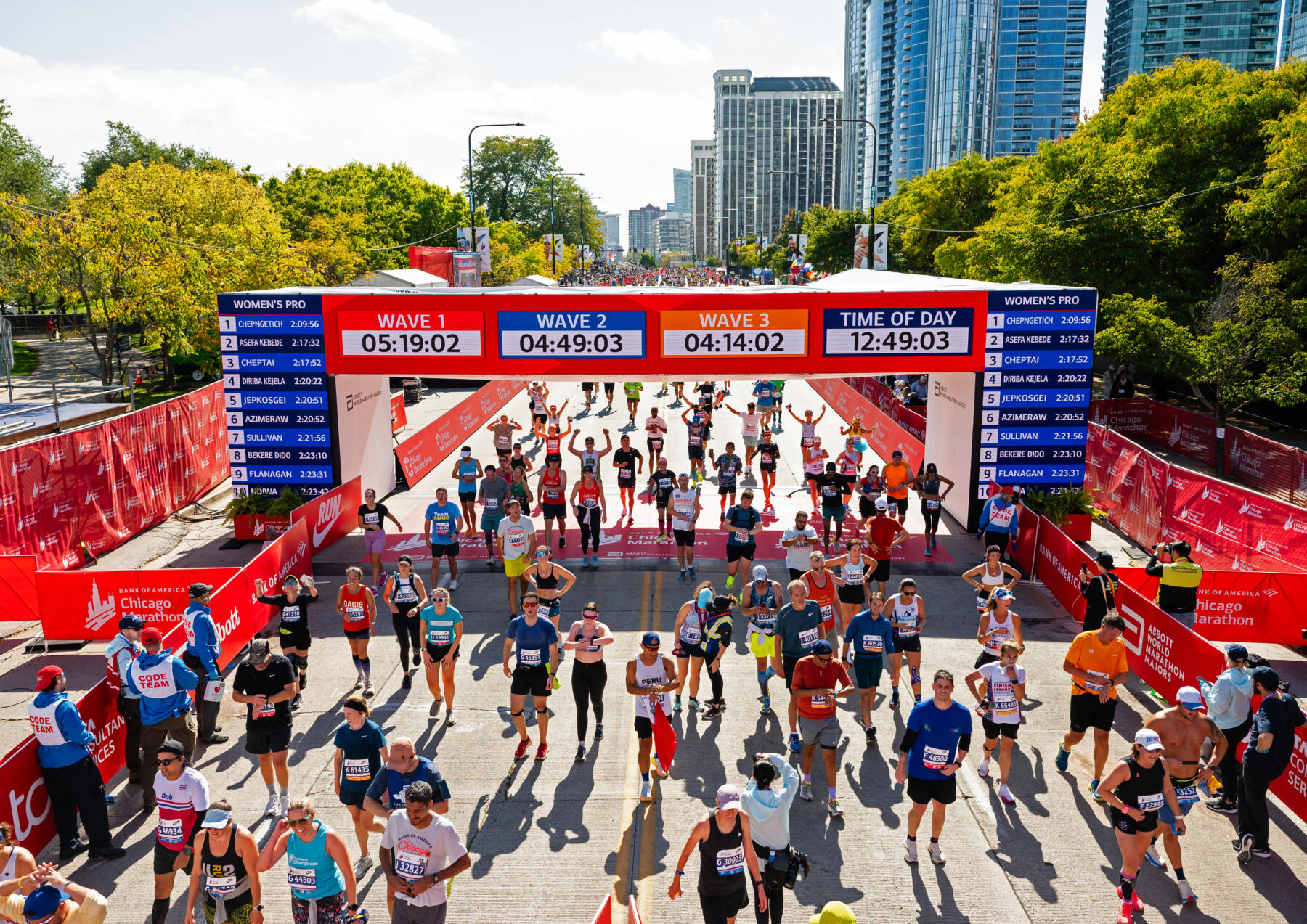
Understanding the Chicago Marathon: Dates and Significance
The Chicago Marathon has cemented its reputation as a premier road race, known for its meticulously organized event structure and its unwavering commitment to providing an exceptional experience for participants and visitors alike. Its strategic placement in the early autumn ensures generally favorable weather conditions – typically cool and crisp – ideal for long-distance running. This timing also allows for optimal training schedules throughout the warmer summer months, culminating in a spectacular race day.
Pinpointing the Annual Race Day
While the specific numerical date of the Chicago Marathon varies each year, its consistent scheduling on the Sunday of Columbus Day weekend simplifies planning significantly. This pattern means the race will always fall sometime between October 8th and October 14th. For example, if Columbus Day (which is always the second Monday in October) falls on October 10th, the marathon would be on October 9th. Runners typically register many months in advance, often through a lottery system or by meeting qualifying times, well before the exact date of the next race is officially announced, relying on this historical pattern. However, official confirmation of the race date, usually released a year prior, should always be sought from the official Chicago Marathon website to ensure accuracy. This lead time is essential for both runners to finalize their training plans and for spectators to book flights and accommodations, which become increasingly scarce and expensive closer to the event.
More Than Just a Race: A Global Sporting Event
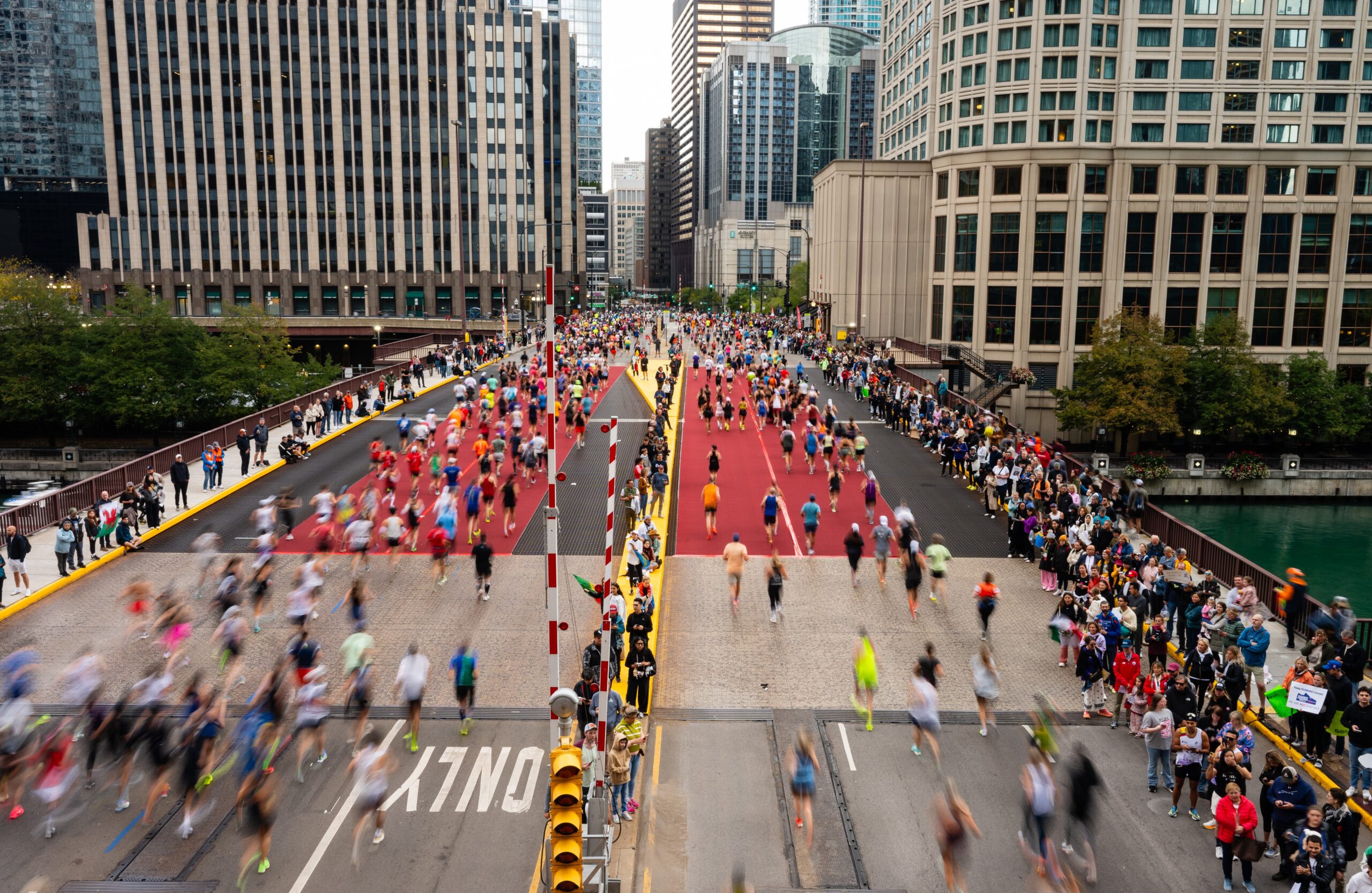
The sheer scale of the Chicago Marathon transcends a typical sporting event; it’s a global spectacle with profound economic and cultural implications for Chicago. Annually, the event generates hundreds of millions of dollars for the local economy, fueling everything from hotel occupancy and restaurant revenue to public transportation and retail sales. Beyond the financial impact, the marathon serves as a powerful magnet for international tourism, attracting participants from over 100 countries and drawing a diverse crowd of supporters from around the world. These visitors contribute to the city’s vibrant multicultural tapestry during their stay, exploring its landmarks, savoring its cuisine, and engaging with local communities.
The race course itself is a meticulously planned journey through 29 diverse neighborhoods, starting and ending in historic Grant Park. It offers runners and spectators alike a unique tour of Chicago’s architectural marvels, vibrant street art, and picturesque views of Lake Michigan. The energy along the route is infectious, with local bands, cheerleading squads, and residents lining the streets to offer encouragement, creating an atmosphere that is as much a festival as it is a competition. This blend of athletic challenge and civic celebration makes the Chicago Marathon a bucket-list event for many, offering an immersive experience into the heart and soul of the Windy City.
Planning Your Trip: Travel and Accommodation Essentials
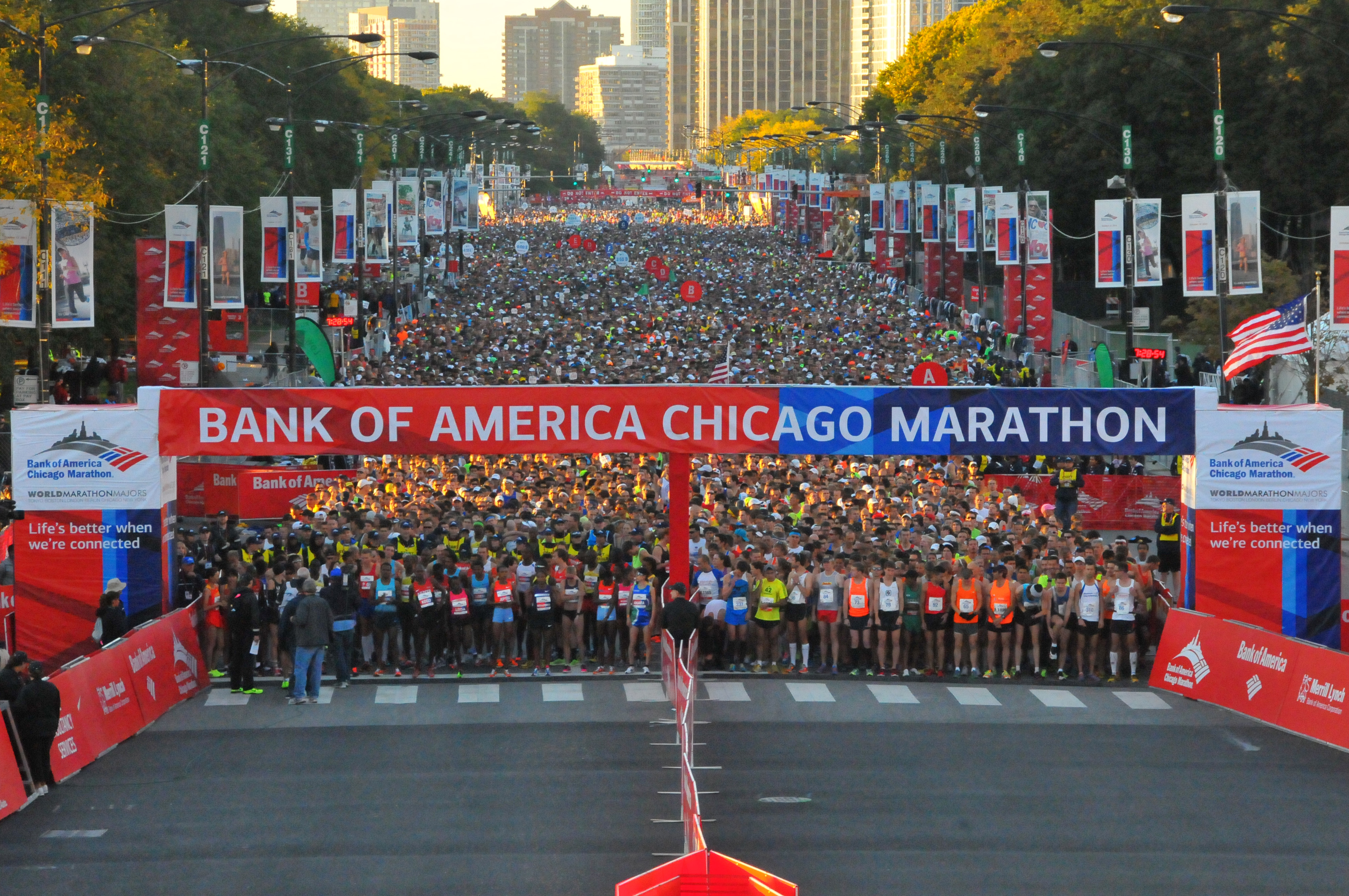
Attending the Chicago Marathon requires careful planning, especially when it comes to travel and accommodation. Given the event’s popularity, demand for flights and hotels skyrockets, necessitating early bookings to secure preferred options and avoid inflated prices. Understanding Chicago’s layout and transportation network is key to a smooth and enjoyable visit.
Securing Your Stay: Hotels and Other Accommodations
Chicago boasts an extensive array of accommodation options, ranging from luxurious five-star hotels to cozy boutique inns and budget-friendly hostels. For marathon weekend, however, the landscape changes dramatically. Hotels in close proximity to the start/finish line in Grant Park, such as those in The Loop, Magnificent Mile, and River North neighborhoods, are typically booked solid a year in advance. Examples include the Hyatt Regency Chicago or The Langham, Chicago, which offer unparalleled access but come with a premium price tag during this peak period.
- Early Booking is Crucial: As soon as the race date is confirmed, or even based on the anticipated date, start researching and booking your accommodation. Many hotels offer cancellation policies, providing flexibility if plans change.
- Location Matters: Consider your purpose. Runners often prefer hotels within walking distance of Grant Park to minimize pre-race stress. Spectators might opt for hotels along the course route, particularly in areas like the Gold Coast or Lincoln Park, to easily access prime viewing spots.
- Beyond Traditional Hotels: Explore alternatives like serviced apartments or extended-stay suites, which can be ideal for families or groups, offering more space and amenities like kitchens. While specific names vary, many reputable chains offer these options. Budget travelers might look at hostels or guesthouses a bit further afield, but still accessible via public transport. Even less conventional options like the Budget Host Inn further out can provide value if you plan your commutes carefully.
- Amenities for Runners: Look for hotels that offer perks beneficial to runners, such as late check-out options, early breakfast service on race day, or easy access to fitness centers for pre-race stretching. Some hotels specifically cater to marathoners, creating a supportive environment.
Getting There and Around: Travel Logistics
Chicago is a major transportation hub, well-served by two international airports: Chicago O’Hare International Airport (ORD) and Midway International Airport (MDW). Both offer convenient connections to downtown via public transportation, rideshares, and taxis.
- Flights: Book flights several months in advance to secure the best fares, especially if traveling internationally or from popular domestic routes.
- Public Transportation: Chicago’s public transit system, operated by the CTA, is efficient and extensive. The ‘L’ train and bus network can take you virtually anywhere in the city, including to and from both airports. Purchasing a multi-day pass is often the most cost-effective option for visitors. The Metra commuter rail serves the wider metropolitan area.
- Race Day Mobility: On marathon Sunday, road closures will be extensive along the race route. Public transportation, particularly the CTA ‘L’ train, becomes the primary mode of travel for spectators trying to catch their runners at multiple points. Plan your viewing strategy and map out your transit routes well in advance, accounting for potential crowds and minor delays.
- Rental Cars: While useful for exploring outside the city, a rental car is generally unnecessary and often a hindrance for getting around downtown during marathon weekend due to traffic, expensive parking, and street closures. Rely on public transit, walking, or rideshares for intra-city travel.
Experiencing Chicago Beyond the Finish Line: Tourism and Landmarks
While the Chicago Marathon is undeniably the main event, the city of Chicago itself is a world-class destination brimming with attractions, vibrant culture, and culinary delights. Marathon weekend offers a fantastic opportunity to extend your stay and explore everything this magnificent metropolis has to offer.
Iconic Landmarks and Attractions
Chicago’s skyline is instantly recognizable, adorned with architectural masterpieces and boasting numerous cultural institutions.
- Millennium Park: A must-visit urban oasis featuring the iconic Cloud Gate (affectionately known as “The Bean”), the Crown Fountain, and the Pritzker Pavilion. It’s located right next to Grant Park, making it easily accessible from the marathon finish area.
- Art Institute of Chicago: One of the oldest and largest art museums in the United States, housing an extraordinary collection spanning centuries and continents. Perfect for a leisurely exploration.
- Willis Tower (formerly Sears Tower): Ascend to the Skydeck Chicago on the 103rd floor for breathtaking panoramic views of the city, Lake Michigan, and even four neighboring states on a clear day. For the brave, step out onto The Ledge – glass boxes extending out from the building.
- Navy Pier: Stretching into Lake Michigan, this historic pier offers attractions like the Centennial Wheel, boat tours, restaurants, and family-friendly entertainment, providing stunning city views from the water.
- Museum Campus: Located just south of Grant Park, this cultural hub is home to three world-renowned institutions: the Shedd Aquarium, the Field Museum (natural history), and the Museum of Science and Industry.
- Architectural Boat Tour: Embark on a highly recommended architectural boat tour along the Chicago River. Knowledgeable guides provide fascinating insights into the city’s innovative skyline and storied architectural history, offering a unique perspective of the city.
A Taste of Chicago: Culinary Delights and Local Culture
Chicago’s culinary scene is as diverse as its population, offering everything from Michelin-starred dining to iconic street food. No visit is complete without sampling its signature dishes.
- Deep-Dish Pizza: This is non-negotiable. Indulge in a hearty slice of Chicago’s most famous culinary invention. Popular spots like Lou Malnati’s Pizzeria and Giordano’s are always bustling, serving up cheesy, saucy perfection.
- Chicago-Style Hot Dog: Forget ketchup. A true Chicago dog is an all-beef frankfurter served on a poppy seed bun, “dragged through the garden” with yellow mustard, chopped white onions, bright green sweet pickle relish, a dill pickle spear, tomato slices or wedges, pickled sport peppers, and a dash of celery salt. Portillo’s is a local favorite.
- Diverse Neighborhoods: Beyond the downtown core, explore neighborhoods like Wrigleyville for a lively sports bar scene around the iconic Wrigley Field, or Hyde Park for its historic architecture and connection to the University of Chicago. Each neighborhood offers a distinct flavor, from vibrant street art to unique boutiques and ethnic eateries.
- Cultural Experiences: Catch a show at one of Chicago’s renowned theaters, listen to live jazz or blues in a historic club, or attend a sporting event at venues like United Center (home of the Bulls and Blackhawks) or Soldier Field (home of the Bears). The city’s cultural calendar is always packed.
Lifestyle and Marathon Weekend: Making the Most of Your Visit
The Chicago Marathon weekend offers a unique blend of high-energy sporting event and urban exploration. Tailoring your visit to your specific lifestyle and interests ensures a memorable experience, whether you’re a luxury seeker, a budget traveler, or a family on an adventure.
Budget to Luxury: Tailoring Your Chicago Experience
Chicago caters to all types of travelers, and marathon weekend is no exception, though prices for everything will be at a premium.
- Luxury Travel: For those seeking an opulent experience, Chicago offers an abundance of five-star hotels like The Drake, A Hilton Hotel or Thompson Chicago, world-class dining, and exclusive shopping along the Magnificent Mile. Indulge in spa treatments, private city tours, and gourmet meals at renowned establishments.
- Budget Travel: Savvy travelers can still enjoy Chicago on a budget, even during marathon weekend. Look for accommodation a bit further from the city center, utilizing the excellent public transport. Prioritize free attractions like Millennium Park, walking tours of neighborhoods, and picnics in Grant Park. Opt for casual dining or seek out local eateries for authentic, affordable meals.
- Family Trips: Chicago is incredibly family-friendly. Besides the aforementioned museums and Navy Pier, the Lincoln Park Zoo offers free admission, and numerous parks provide ample space for kids to run around. Many hotels offer suites or adjoining rooms suitable for families.
- Business Stays: For those blending business with the marathon experience, many hotels in The Loop and River North offer excellent business amenities, meeting spaces, and easy access to the financial district, allowing for productivity alongside race festivities. Establishments like The Hoxton, Chicago in the West Loop are popular with business travelers seeking a stylish yet functional stay.
Tips for Spectators and Runners
Making the most of the Chicago Marathon weekend requires strategic planning, whether you’re running or cheering.
- For Runners:
- Packet Pick-up: Arrive early at the Marathon Health & Fitness Expo, usually held at McCormick Place, for packet pick-up. It’s often crowded.
- Race Day Logistics: Familiarize yourself with the starting corrals, gear check procedures, and finish line arrangements. Hydrate well and stick to your fueling plan.
- Post-Race: Plan for recovery. Many hotels offer special amenities or discounts for marathoners. Enjoy the post-race celebrations in Grant Park, but also prioritize rest.
- For Spectators:
- Plan Your Spots: Study the course map and identify 2-3 strategic locations where you can see your runner. Utilize the CTA ‘L’ train to move efficiently between points. Areas in Lincoln Park, Lakeview, and the Gold Coast are popular for their vibrant atmosphere and proximity to cafes.
- Dress in Layers: October weather can be unpredictable. Be prepared for cool mornings, potentially warmer afternoons, and sudden shifts.
- Bring Supplies: Carry water, snacks, and perhaps a small folding chair if you plan to stake out a spot for an extended period. A portable phone charger is also a good idea.
- Enjoy the Atmosphere: Soak in the incredible energy. The cheers, the music, and the collective spirit are truly inspiring. Many neighborhoods host impromptu block parties and viewing gatherings.
In conclusion, the Chicago Marathon is far more than just a 26.2-mile race; it’s a profound experience that encapsulates the spirit and vibrancy of Chicago. By understanding its annual timing – the Sunday of Columbus Day weekend – and meticulously planning your travel, accommodation, and city exploration, you can transform your visit into an unforgettable adventure. Whether you’re chasing a personal best, cheering on a loved one, or simply immersing yourself in the electric atmosphere of a major world event, Chicago promises a captivating experience that stretches well beyond the finish line.
LifeOutOfTheBox is a participant in the Amazon Services LLC Associates Program, an affiliate advertising program designed to provide a means for sites to earn advertising fees by advertising and linking to Amazon.com. Amazon, the Amazon logo, AmazonSupply, and the AmazonSupply logo are trademarks of Amazon.com, Inc. or its affiliates. As an Amazon Associate we earn affiliate commissions from qualifying purchases.