
Welcome to the breathtaking landscapes and vibrant communities of Colorado! From the towering peaks of the Rocky Mountains to the dynamic urban centers of Denver and Colorado Springs, this state offers an unparalleled blend of outdoor adventure, cultural richness, and a thriving lifestyle. Whether you’re moving here for a new job, seeking a long-term accommodation amidst the natural beauty, embarking on an epic road trip, or simply making a lifestyle change, navigating the necessities of daily life is key to a smooth transition. Among the most crucial administrative tasks for anyone planning to stay for an extended period, or who has recently purchased a vehicle, is understanding the requirements for car registration in Colorado.
Car registration isn’t just a bureaucratic hurdle; it’s a fundamental step that ensures your legal right to operate your vehicle on public roads, contributes to state infrastructure, and plays a vital role in road safety and environmental responsibility. For travelers and residents alike, a properly registered vehicle means peace of mind, allowing you to explore Colorado’s iconic landmarks, discover hidden destinations, and fully immerse yourself in the local culture without unnecessary stress. This comprehensive guide will break down everything you need to know, transforming what might seem like a daunting process into a straightforward checklist, so you can spend less time worrying about paperwork and more time enjoying all that Colorado has to offer.
Understanding Colorado’s Vehicle Registration Landscape
Before diving into the specifics of documents and procedures, it’s essential to grasp the fundamental principles of vehicle registration in the Centennial State. Knowing who needs to register and why will help you understand your obligations and prepare effectively.
Who Needs to Register a Vehicle in Colorado?
The rules around who needs to register a vehicle in Colorado are primarily tied to residency and vehicle ownership. If any of the following apply to you, you’ll likely need to register your car:
- New Colorado Residents: If you’ve recently moved to Colorado and established residency, you generally have 90 days from the date of establishing residency to register your out-of-state vehicle. Establishing residency typically involves actions like obtaining a Colorado driver’s license, registering to vote, or occupying a home. This is particularly relevant for those who have secured long-term accommodation, whether it’s a house in Fort Collins or an apartment in Boulder.
- Purchased a Vehicle: Whether you’ve bought a brand-new car from a dealership in Grand Junction or a used vehicle from a private seller in Pueblo, it must be registered in your name within 60 days of purchase (or 90 days if financing through a dealership).
- Vehicles Previously Registered Out-of-State: Even if you’re not a new resident but acquire a vehicle that was last registered outside of Colorado, you’ll need to go through the process to obtain Colorado plates.
- Long-Term Visitors: While short-term tourists visiting attractions like Garden of the Gods or attending concerts at Red Rocks Amphitheatre don’t need to register their out-of-state vehicles, individuals who plan an extended stay that transitions into residency may find themselves needing to comply. If your visit evolves into a long-term commitment, perhaps securing an apartment or villa for several months, you’ll eventually need to address registration.
Understanding these triggers is crucial for maintaining legal compliance and avoiding potential fines, ensuring your Colorado lifestyle remains carefree and mobile.
The “Why” Behind Registration: More Than Just a Formality
Car registration is more than just a piece of paper; it’s a multifaceted system designed to protect drivers, promote safety, and fund essential services. For anyone living or traveling extensively within Colorado, understanding these reasons can underscore the importance of completing the process promptly and correctly.
Firstly, registration provides proof of ownership and legitimate use. It links a specific vehicle identification number (VIN) to a legal owner, which is vital for preventing theft, facilitating insurance claims, and resolving disputes. Secondly, it ensures road safety and environmental compliance. Through requirements like emissions testing (in certain areas), the state works to reduce air pollution, contributing to Colorado’s commitment to preserving its pristine natural environment. This aligns perfectly with a responsible lifestyle and sustainable tourism practices.
Finally, the fees collected from vehicle registration directly support state infrastructure and services. These funds help maintain and improve the roads you travel on, from scenic byways winding through Eagle County to the major highways connecting cities across the United States. So, when you register your car, you’re directly investing in the quality of the journey, making every trip, whether for work or leisure, smoother and safer.
Essential Documentation for a Smooth Colorado Registration
Preparing for your car registration in Colorado means gathering a specific set of documents. Having all your paperwork in order before you visit the Motor Vehicle Division (DMV) or County Clerk’s office will save you time and prevent unnecessary trips. Think of it as packing for a crucial trip – you wouldn’t leave without your passport, so don’t head to the DMV without these essentials.
Proof of Ownership
This is arguably the most critical document, establishing your legal right to the vehicle.
- Certificate of Title: The original title to your vehicle is paramount. It must be free of any liens (unless you’re processing the title through your lienholder). If your vehicle is financed, your lienholder (bank or credit union) often holds the physical title. In such cases, you’ll typically need to provide a copy of your current out-of-state registration, and the Colorado county clerk will coordinate with your lienholder to obtain the title for transfer. If you’ve just paid off your vehicle, ensure you have the lien release documentation.
- Bill of Sale: For vehicles purchased from a private party, a bill of sale is crucial. It should clearly state the vehicle’s VIN, the purchase price, the date of sale, and the names and signatures of both the buyer and seller.
- Manufacturer’s Statement of Origin (MSO): If you’re registering a brand-new vehicle that has never been titled before, the MSO (sometimes called a Manufacturer’s Certificate of Origin, or MCO) will serve as proof of ownership. The dealership usually provides this.
- Out-of-State Title/Registration: If you’re transferring a vehicle from another state, you’ll need the original out-of-state title. If the title is held by a lienholder, a copy of your current out-of-state registration will generally suffice to begin the process.
Proof of Colorado Residency
To prove you are a resident of Colorado, you’ll need to present accepted documentation. This is especially important for those establishing a new lifestyle here or securing long-term accommodation. Acceptable forms often include:
- A current utility bill (electricity, gas, water) with your Colorado address.
- A valid lease agreement or mortgage statement for your Colorado residence.
- A bank statement from a Colorado financial institution.
- Mail from a government agency (federal or state) with your current address.
- Colorado voter registration card.
Valid Colorado Driver’s License or ID
You must present a valid Colorado driver’s license or a Colorado identification card. If you’re a new resident, it’s highly recommended to obtain your Colorado driver’s license before attempting to register your vehicle, as it simplifies the process and serves as primary proof of residency and identity. This helps streamline all your activities, from booking local tours to setting up new services for your temporary or permanent home.
Proof of Automobile Insurance
Colorado law mandates that all registered vehicles must have minimum liability insurance coverage. You will need to provide proof of current Colorado insurance coverage. Ensure your policy meets the state’s minimum requirements: $25,000 for bodily injury or death to one person in an accident, $50,000 for bodily injury or death to all persons in an accident, and $15,000 for property damage in an accident. Many insurance providers can issue an electronic proof of insurance, which is usually acceptable.
Emissions Testing (Required in Certain Counties)
Environmental responsibility is a significant aspect of the Colorado lifestyle, and emissions testing plays a part in maintaining the state’s air quality. If your vehicle is housed in specific Front Range counties, it will likely require an emissions test. These counties include:
- Denver County
- Boulder County
- Jefferson County
- Arapahoe County
- Adams County
- Douglas County
- The cities of Fort Collins (Larimer County) and Longmont (Weld County)
Testing is conducted by Air Care Colorado stations. Exemptions typically include newer vehicles (e.g., the four most recent model years), older vehicles (e.g., those manufactured before 1975), and electric vehicles. Always check the official Colorado Department of Revenue website for the most current exemptions and requirements based on your vehicle’s age and fuel type. This ensures that even as you explore pristine natural areas like Mesa Verde National Park or Great Sand Dunes National Park, you’re contributing to their preservation.
Vehicle Identification Number (VIN) Verification (for Out-of-State Vehicles)
If you’re registering a vehicle that was previously registered in another state, a VIN verification is mandatory. This process confirms that the VIN on your vehicle matches the VIN on your ownership documents, helping to prevent fraud and ensuring the vehicle’s identity. This verification can usually be performed by:
- A licensed Colorado Motor Vehicle Dealer.
- An emissions testing station (if you’re already getting an emissions test).
- A law enforcement officer (e.g., at the sheriff’s office in Golden or a police department in Durango).
- The staff at the Motor Vehicle Division or County Clerk’s office.
Ensure this step is completed before your final registration appointment, as it’s a prerequisite for out-of-state transfers.
Navigating the Registration Process: Step-by-Step
With your documents meticulously gathered, you’re ready to tackle the actual registration process. While it might seem like a trek, much like navigating a new trail in the Rocky Mountains, breaking it down into manageable steps makes it straightforward.
Before You Go: Preparation is Key
The key to a smooth registration experience is preparation. Don’t underestimate the power of a little foresight.
- Double-Check Your Documents: Before leaving your accommodation, whether it’s a luxurious suite at The Broadmoor or a cozy apartment in Boulder, verify that you have every required document and that all information is current and accurate. A single missing paper can lead to delays.
- Locate Your County Clerk and Recorder Office: In Colorado, vehicle registration is handled at the county level by the County Clerk and Recorder’s office, not a statewide DMV. Find the office for the county where you reside (e.g., El Paso County for Colorado Springs, Denver County for Denver). Their websites often provide specific hours, required forms, and appointment scheduling options.
- Consider Making an Appointment: Especially in larger counties or during peak times, wait times can be substantial. Many County Clerk offices offer online appointment scheduling, which can dramatically reduce your wait and make the experience much more efficient.
- Complete Emissions and VIN Verification (if applicable): If your vehicle requires an emissions test or VIN verification for an out-of-state transfer, ensure these are completed before your visit to the County Clerk. You’ll need the certificate or verification form during registration.
The Visit to the County Clerk’s Office
Once you arrive, the process will generally follow these steps:
- Check-In and Present Documents: You’ll typically check in and present your gathered documents to a clerk. They will review your paperwork for completeness and accuracy.
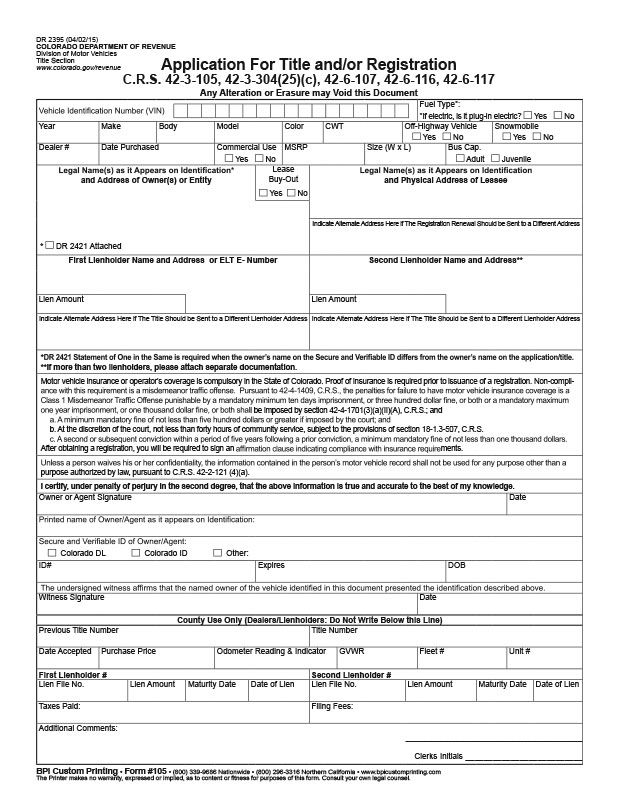
- Vehicle Information and Forms: You may need to complete specific Colorado registration forms, which the clerk will provide. This will include details about your vehicle, its purchase, and your residency.
- VIN Verification and Emissions Review: If not already completed, some County Clerk offices may offer VIN verification on-site. They will also review your emissions test certificate if it was required.
- Payment of Fees: This is where the financial aspect comes in. The clerk will calculate your total fees, which include various taxes, registration fees, and license plate costs.
- Receiving Your Plates and Registration: Upon successful processing and payment, you will be issued your new Colorado license plates, a temporary registration document, and a permanent registration card. You’ll need to affix the plates to your vehicle immediately.
Integrating into a new locale, whether for travel or lifestyle, often involves navigating local government services. Understanding this process is part of becoming a savvy local, ensuring you can freely explore from the bustling streets of Vail to the serene beauty of the wilderness.
Understanding Fees and Taxes
The cost of registering your car in Colorado isn’t a single flat fee; it’s a combination of several charges, many of which are calculated based on your vehicle’s characteristics. Understanding these can help you budget for your move or new purchase.
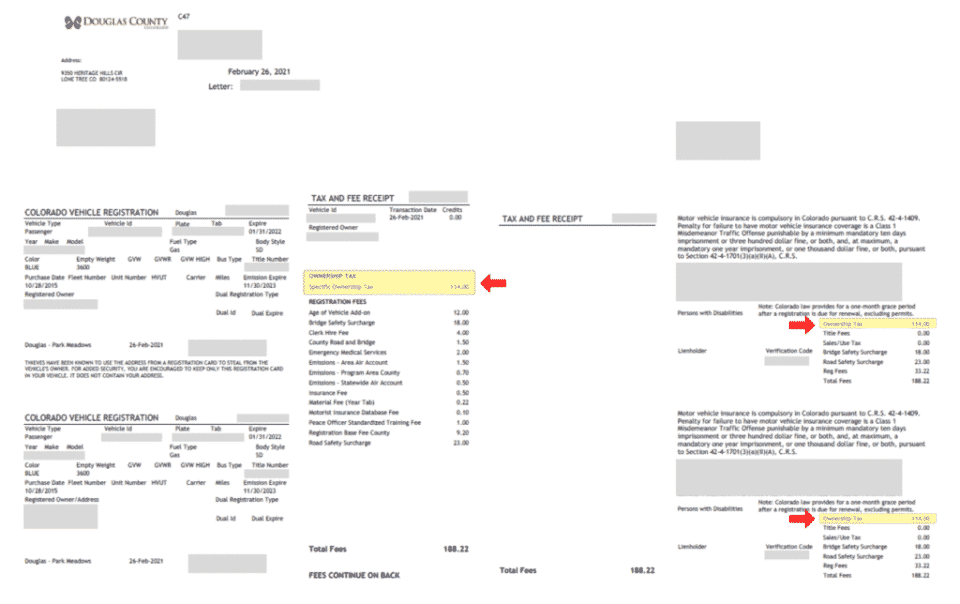
- Ownership Tax (Specific Ownership Tax – SOT): This is one of the most significant components of your registration cost. The SOT is based on the vehicle’s original manufacturer’s suggested retail price (MSRP) and its age. Newer, more expensive vehicles will have higher ownership taxes, which decrease over time as the vehicle ages. This tax is specific to Colorado and contributes to county-level funding.
- Registration Fee: A base registration fee applies to all vehicles.
- License Plate Fees: There are standard fees for your license plates. If you opt for personalized plates or special plates (e.g., those supporting colleges, causes, or featuring Rocky Mountain scenery), these will incur additional costs. Colorado offers a wide array of distinctive plate designs, allowing you to personalize your vehicle while supporting various community initiatives, embodying a unique aspect of Colorado’s local culture.
- Emissions Test Fee: This is a separate charge paid at the emissions testing station, not the County Clerk’s office.
- Sales Tax (if applicable): If you purchased your vehicle in Colorado from a private party and sales tax was not collected at the time of sale, you might be required to pay it during registration. Dealerships typically handle sales tax at the point of purchase. The sales tax rate varies by locality (state, county, and city).
- Road Safety and Other Fees: There are often smaller fees that contribute to various state programs related to road safety, vehicle theft prevention, and other administrative costs.
It’s wise to check your specific County Clerk’s website for an estimated fee calculator or contact them directly for an accurate estimate based on your vehicle’s make, model, year, and your specific county.
Special Circumstances and Pro Tips for Colorado Drivers
Beyond the initial registration, there are ongoing responsibilities and specific situations to be aware of. Staying informed ensures continued compliance and a hassle-free experience throughout your time in Colorado.
Renewing Your Registration
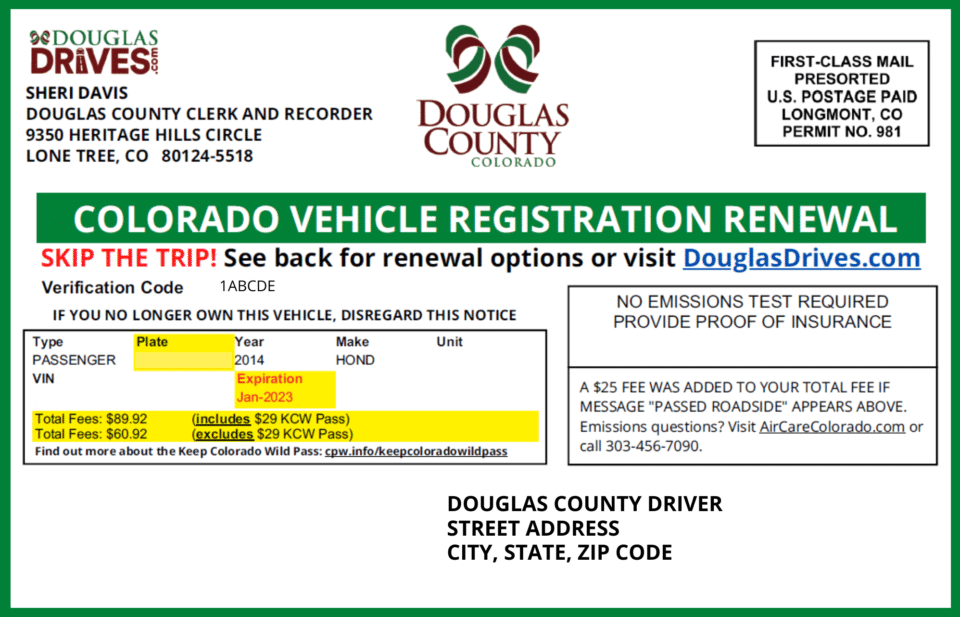
Vehicle registrations in Colorado are typically valid for one year. You will receive a renewal notice by mail or email (if you’ve opted for electronic notifications) about 45 days before your registration expires. Renewal is generally a simpler process than initial registration:
- Online: Most Colorado counties offer online renewal, which is the most convenient option. You’ll need your license plate number, VIN, and insurance information.
- By Mail: You can mail your renewal notice and payment.
- In Person: You can still renew at your County Clerk’s office if you prefer.
- Emissions Testing: If your vehicle resides in an emissions-required county and it’s time for its biennial test, you must complete the emissions test before you can renew your registration.
Renewing on time is essential to avoid late fees and potential citations, ensuring your travel and lifestyle in Colorado remain uninterrupted.
Transferring Out-of-State Vehicles
As highlighted earlier, new residents have 90 days to register their out-of-state vehicles. This grace period is crucial for managing your move, finding accommodation, and settling into your new Colorado routine. Remember the VIN verification and emissions testing requirements are especially pertinent for these transfers. It’s a common scenario for those relocating for work to cities like Denver or pursuing a new lifestyle in mountain towns such as Aspen or Vail.
What If You’re Only Visiting?
If you are a short-term tourist on vacation, exploring the various attractions and landmarks, you generally do not need to register your vehicle in Colorado as long as it’s properly registered in your home state or country. However, the line between “visitor” and “resident” can blur for longer stays. If you secure long-term accommodation (e.g., a six-month lease on an apartment or an extended stay at a resort like Hotel Jerome), and begin establishing other aspects of residency (like a Colorado driver’s license or employment), the 90-day rule for new residents will likely apply. When in doubt, it’s always best to consult with your local County Clerk’s office.
Common Pitfalls to Avoid
- Missing or Incomplete Documents: This is the most common reason for delays. Double-check everything!
- Expired Insurance: Ensure your insurance is current and meets Colorado’s minimum requirements.
- Ignoring Emissions Test Deadlines: If your vehicle needs a test, get it done well before your renewal date.
- Late Fees: Failing to register a newly purchased vehicle or renew an existing registration on time will result in additional charges.
- Not Updating Your Address: If you move within Colorado, update your address with the Motor Vehicle Division promptly to ensure you receive important notices.
Avoiding these pitfalls will save you time, money, and stress, allowing you to fully embrace the Colorado experience, from daily commutes to epic travel adventures.
Resources and Further Assistance
For the most accurate and up-to-date information, always refer to official sources:
- The Colorado Department of Revenue (DRIVES) website is the authoritative source for all motor vehicle services in the state.
- Your County Clerk and Recorder’s Office website will have county-specific details, forms, and online services.
- Many vehicle dealerships can provide guidance, especially if you’re purchasing a new car.
Conclusion
Registering your car in Colorado is a vital step for anyone calling this beautiful state home, even temporarily. While the process involves several steps and specific documents, it’s entirely manageable with proper preparation. By understanding the requirements for proof of ownership, residency, insurance, and emissions, you can ensure a smooth visit to your local County Clerk’s office.
Once your vehicle is legally registered, you unlock the full potential of your Colorado experience. You’re free to traverse the scenic routes, visit charming mountain towns, explore natural wonders, and commute with confidence. This seamless administrative task ensures your journey through Colorado is focused on discovery and enjoyment, rather than regulatory headaches. So, get your paperwork in order, embrace the convenience of a properly registered vehicle, and prepare to embark on countless unforgettable adventures across the diverse and captivating landscapes of Colorado!
LifeOutOfTheBox is a participant in the Amazon Services LLC Associates Program, an affiliate advertising program designed to provide a means for sites to earn advertising fees by advertising and linking to Amazon.com. Amazon, the Amazon logo, AmazonSupply, and the AmazonSupply logo are trademarks of Amazon.com, Inc. or its affiliates. As an Amazon Associate we earn affiliate commissions from qualifying purchases.