
Embarking on a journey to the Centennial State promises breathtaking landscapes, vibrant cities, and unparalleled outdoor adventures. From the towering peaks of the Rocky Mountains to the bustling streets of Denver, Colorado offers an experience for every type of traveler. However, a crucial detail often overlooked in the excitement of planning is understanding the local time zone. Knowing “what is Colorado time zone” isn’t just about setting your watch; it’s fundamental for seamless travel logistics, coordinated activities, and even combating jet lag, ensuring your Colorado adventure unfolds without a hitch. This comprehensive guide will demystify Colorado’s time, delving into the nuances of Mountain Time and offering practical tips to optimize your visit, whether you’re chasing luxury experiences, seeking budget-friendly stays, or immersing yourself in local culture.
Decoding Mountain Time: MST, MDT, and Daylight Saving
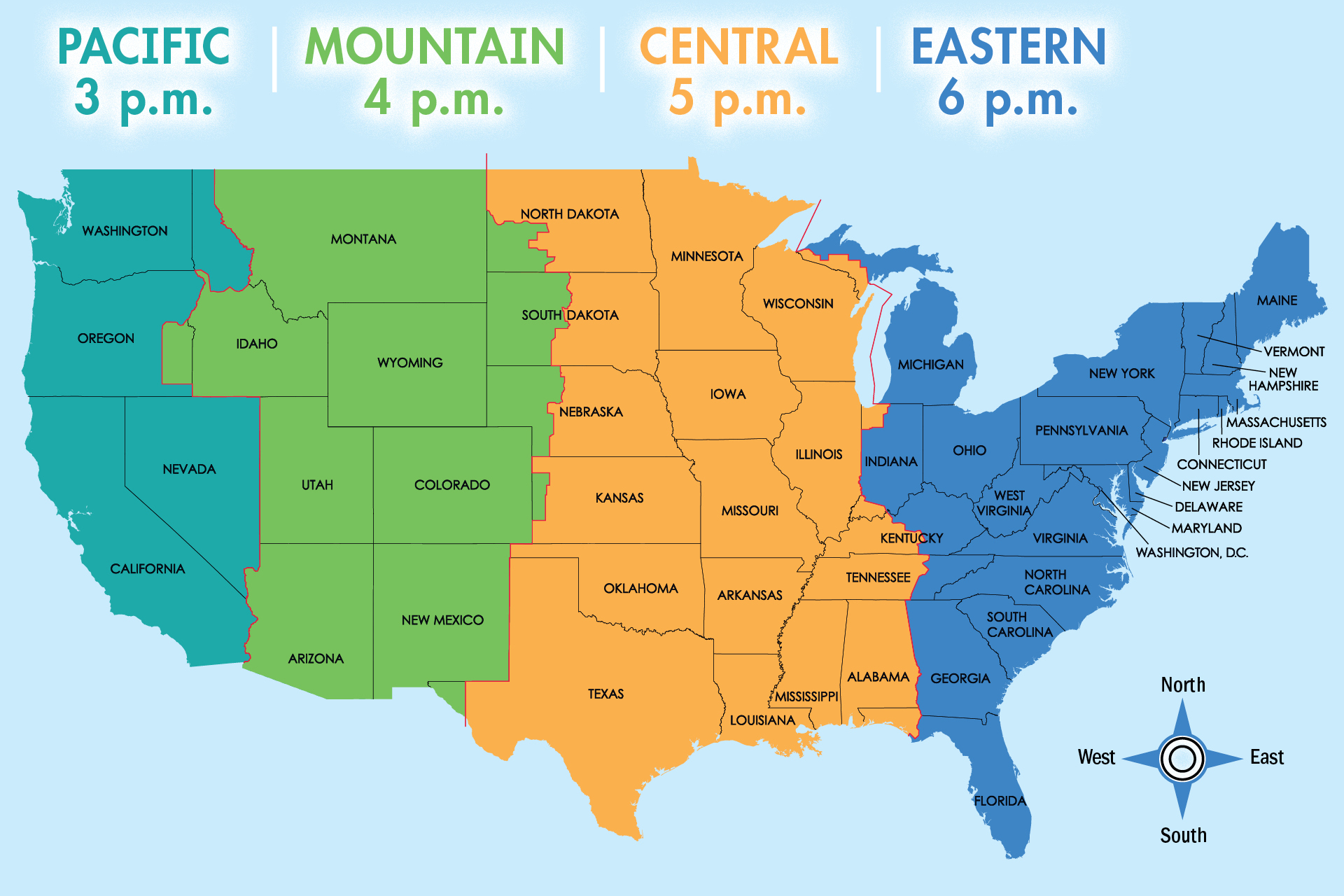
Understanding Colorado’s time zone begins with grasping the fundamentals of the Mountain Time Zone, its two primary designations, and the annual shift dictated by Daylight Saving Time. This knowledge is essential for anyone planning a trip to Colorado, ensuring that all aspects of their itinerary, from flight arrivals to guided tours, are perfectly synchronized with local rhythms.
The Basics of Mountain Time (MT)
The entire state of Colorado observes the Mountain Time Zone (MT). This means that, unlike some larger states with multiple time zones, once you’re in Colorado, you’ll consistently be operating on the same time. However, the exact offset from Coordinated Universal Time (UTC) changes seasonally.
During the colder months, typically from early November to mid-March, Colorado adheres to Mountain Standard Time (MST). MST is 7 hours behind UTC, often expressed as UTC-7. This is the “standard” time that would be observed year-round if not for the practice of Daylight Saving Time.
Conversely, for the majority of the year, from mid-March to early November, Colorado switches to Mountain Daylight Time (MDT). MDT is 6 hours behind UTC, or UTC-6. The primary purpose of this shift is to extend daylight into the evening hours, which can be particularly appealing for travelers looking to enjoy Colorado’s myriad outdoor activities well into the evening during spring, summer, and fall.
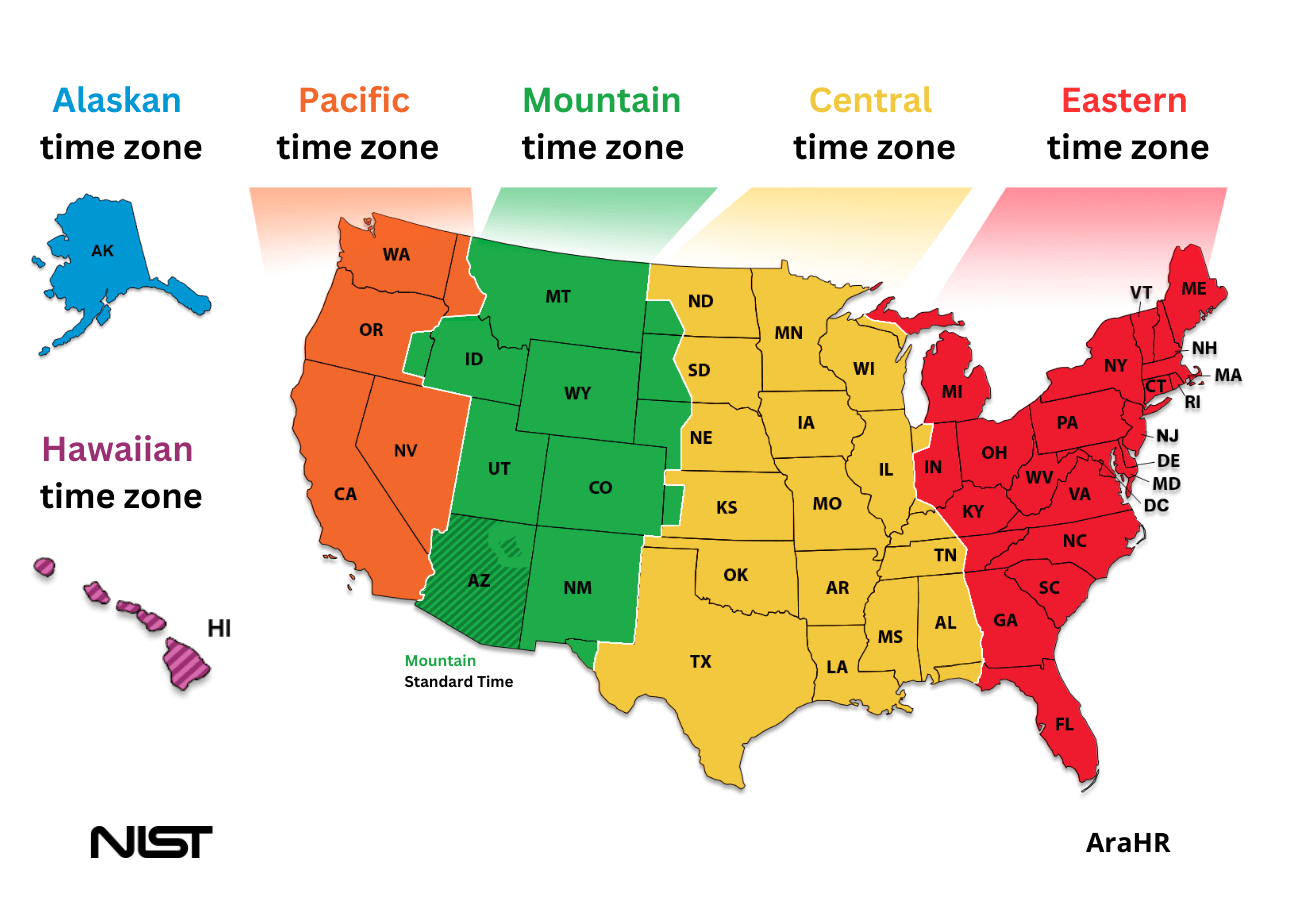
The Mountain Time Zone isn’t exclusive to Colorado. It extends across several U.S. states including Arizona (which largely doesn’t observe Daylight Saving Time), Montana, New Mexico, Utah, Wyoming, and parts of Idaho, Kansas, Nebraska, North Dakota, Oklahoma, South Dakota, and Texas. Additionally, portions of Canada and Mexico also fall within this time zone, providing context for travelers coordinating with contacts across borders.
The Rhythm of Daylight Saving Time
The annual dance between MST and MDT is dictated by Daylight Saving Time. Typically, clocks “spring forward” by one hour on the second Sunday in March, marking the transition from MST to MDT. This means that at 2:00 AM local time, the clock immediately jumps to 3:00 AM, effectively “losing” an hour. Conversely, clocks “fall back” by one hour on the first Sunday in November, reverting from MDT to MST. At 2:00 AM local time, the clock reverts to 1:00 AM, giving an “extra” hour.
The concept of Daylight Saving Time was originally introduced to conserve energy during wartime and later adopted more broadly to maximize daylight in the evenings. While it remains a topic of debate, with proposed legislation like the Sunshine Protection Act aiming to make Daylight Saving Time permanent across the U.S., for now, travelers to Colorado must be mindful of these biannual shifts.
For visitors, especially those arriving from other time zones during these transition weeks, it’s paramount to confirm local times for all bookings. A flight scheduled to arrive at 10:00 AM might feel very different if the time just shifted, impacting everything from ground transportation to hotel check-in times. Most modern smartphones and digital devices automatically adjust, but a quick manual check upon arrival or during the transition period is always a wise precaution.
Navigating Your Colorado Journey: Why Time Zones Are Key
Understanding Colorado’s time zone goes far beyond a simple curiosity; it’s an indispensable component of successful travel planning. From the moment you book your flight until your departure, time zone awareness will influence every aspect of your Colorado adventure, impacting everything from stress-free arrivals to maximizing your precious vacation hours.
Travel Logistics and Seamless Arrivals
The initial points of contact for any trip are often the most sensitive to time discrepancies. Your arrival in Colorado demands precise timing, which starts with understanding the local clock.
- Flights: For travelers flying into major hubs like Denver International Airport (DIA) or Colorado Springs Airport, calculating the time difference is crucial. If you’re coming from the Eastern Time Zone, you’ll “gain” two hours, while those from the Pacific Time Zone will “lose” one. This affects not only your arrival time but also your internal clock and any connecting flights you might have. Ensure your booking confirmations reflect local times in Colorado to avoid missed connections or unexpected delays.
- Accommodation Check-ins: Whether you’ve booked a luxurious suite at a ski resort in Aspen, a charming boutique hotel in Denver, or a cozy vacation rental in Vail, check-in times are strictly enforced. Arriving too early or too late due to a time zone miscalculation can lead to extra fees, waiting times, or even the risk of losing your reservation, especially during peak season. Always confirm the local check-in window and plan your arrival accordingly.
- Transportation: Coordinating shuttles from the airport, scheduling a car rental pickup, or arranging private transfers to your mountain retreat all hinge on accurate timing. A misread time can leave you stranded or incurring additional costs for late pickups.
Maximizing Your Colorado Experiences
Beyond arrivals, time zone awareness ensures you make the most of every moment in Colorado, from hitting the slopes to savoring local cuisine.
- Attraction Timings: Colorado’s premier attractions operate on precise schedules. Ski resorts like those in Breckenridge or Telluride have specific lift operating hours. National parks such as Rocky Mountain National Park have set visitor center hours and ranger-led program schedules. Museums, art galleries like the Denver Art Museum, and cultural events in cities and towns across the state also adhere to strict opening and closing times. Missing these windows can mean missing out on key experiences.
- Dining Reservations: Colorado boasts a vibrant food scene, from farm-to-table restaurants in Boulder to upscale dining in Cherry Creek. Popular eateries, especially during peak tourist seasons or weekends, often require reservations well in advance. A miscalculation of the local time could mean a missed reservation, leaving you without a table at your desired restaurant.
- Guided Tours & Activities: Many of Colorado’s unique tourism activities—be it a hiking tour through a picturesque canyon, a whitewater rafting excursion on the Arkansas River, or a serene hot air balloon ride over the plains—operate on strict schedules. Punctuality is often mandatory, and late arrivals can result in being left behind or forfeiting your booking without a refund.
Battling Jet Lag and Altitude Sickness
Beyond logistical concerns, time zones profoundly impact your physical and mental well-being, especially when combined with Colorado’s notable altitude.
- Lifestyle Impact: Traveling across time zones disrupts your circadian rhythm, leading to jet lag. While a two-hour shift from the Eastern Time Zone might seem minor, it can still affect sleep patterns, energy levels, and overall enjoyment of your trip. For those arriving from the Pacific Time Zone, the one-hour “loss” might be less jarring but still noticeable.
- Tips for Adjusting: To mitigate jet lag, gradually adjust your sleep schedule a few days before your trip. Upon arrival, expose yourself to natural light, stay hydrated (crucial in Colorado’s dry climate), and try to align with the local time zone’s eating and sleeping patterns as quickly as possible. Avoid heavy meals and excessive alcohol on your first day.
- Altitude Acclimatization: Colorado’s high altitude, particularly in cities like Denver (the Mile High City) or mountain resorts, can already challenge the body. Compounding this with jet lag can make acclimatization more difficult. Allowing yourself a day or two to adjust to both the time difference and the altitude, perhaps with light activities and plenty of rest, is a smart strategy, especially for those planning strenuous outdoor adventures.
Exploring Colorado’s Wonders: Destinations and Accommodations
With the logistics of time zones firmly in hand, you’re ready to dive into the heart of Colorado’s unparalleled beauty and diverse offerings. From majestic natural landmarks to world-class accommodation options, Colorado caters to every traveler’s dream.
Iconic Colorado Landmarks and Attractions
Colorado is a treasure trove of renowned destinations and attractions, each offering a unique glimpse into the state’s natural splendor, rich history, and vibrant culture.
- Denver: The state capital, often referred to as the Mile High City, is a dynamic urban center with a booming food scene and numerous craft breweries. Must-visit landmarks include the historic Union Station, the bustling 16th Street Mall, and the iconic Red Rocks Amphitheatre, known for its stunning geology and world-class concerts. The Denver Art Museum offers diverse collections, while neighborhoods like RiNo Art District showcase incredible street art.
- Colorado Springs: Nestled at the base of Pikes Peak, Colorado Springs is a hub for military history and natural wonders. Key attractions include the breathtaking red rock formations of Garden of the Gods, the majestic Pikes Peak (reachable by car or cog railway), and the impressive United States Air Force Academy.
- Mountain Towns: Colorado is world-renowned for its charming mountain towns and ski resorts. Aspen offers a blend of luxury and challenging skiing with a vibrant cultural scene. Vail is celebrated for its vast ski terrain and European village charm. Breckenridge combines historic mining town appeal with excellent snowboarding and skiing. Telluride, a picturesque gem, is famous for its skiing, film festival, and stunning box canyon setting. These towns are equally popular for summer hiking, mountain biking, and scenic gondola rides.
- National Parks: Colorado is home to four incredible national parks. Rocky Mountain National Park is an icon, offering unparalleled hiking trails, diverse wildlife, and stunning alpine scenery along Trail Ridge Road. Mesa Verde National Park preserves the ancient cliff dwellings of the Ancestral Puebloans, offering a profound glimpse into Native American history.
Accommodation Choices for Every Traveler
Whether your lifestyle leans towards opulent indulgence or adventurous budget travel, Colorado provides an extensive range of accommodation options to suit every preference and pocket.
- Luxury & Resorts: For those seeking the pinnacle of comfort and service, Colorado boasts world-class luxury resorts. The Broadmoor in Colorado Springs is a historic five-star property renowned for its impeccable service, championship golf courses, and exquisite amenities. In Aspen, the St. Regis Aspen Resort offers lavish suites and villas with direct access to the slopes. These establishments often feature gourmet dining, spas, and personalized concierge services, catering to a sophisticated clientele.
- Boutique & Mid-Range: Denver and Boulder are rich with boutique hotels that offer unique charm and personalized experiences, often reflecting the local culture and architecture. Mid-range hotels provide comfortable stays with excellent value, typically featuring essential amenities like on-site dining, fitness centers, and business facilities. These are ideal for family trips or travelers seeking quality without the luxury price tag.
- Budget-Friendly & Alternative: Budget travelers can find numerous affordable options, including national motel chains, local hostels, and extended-stay apartments. Vacation rentals, easily booked through various platforms, provide a home-away-from-home experience, often with kitchens and multiple bedrooms, making them perfect for long-term stays or groups. Camping and glamping options are also abundant, especially near national parks and forests, offering an immersive nature experience.
- Booking Tips: Regardless of your preference, it’s highly recommended to book your accommodation in advance, particularly if you’re traveling during peak seasons (winter for skiing and snowboarding, summer for hiking and festivals). Utilizing booking comparison sites and reading reviews can help you find the best value and ensure your chosen stay meets your expectations.
Practical Time Zone Management for Travelers
Effective time zone management is the final, crucial step to guaranteeing a stress-free and enjoyable Colorado experience. By taking a few proactive measures, you can avoid common pitfalls and fully immerse yourself in the adventure.
Before You Depart
Preparation is key to a smooth transition into Colorado’s Mountain Time Zone.
- Device Settings: Ensure all your electronic devices—smartphones, tablets, laptops, and smartwatches—are set to automatically update their time zone. This will prevent manual errors and ensure your devices are always synchronized with local Colorado time upon arrival.
- Verify All Bookings: Double-check every single confirmation for flights, hotels, car rentals, tours, and restaurant reservations. Confirm that all listed times refer to the local Colorado time, especially if you booked well in advance or if your travel dates coincide with the Daylight Saving Time transitions in March or November.
- Inform Contacts: If you plan to communicate with family, friends, or business associates outside of Colorado, inform them of the time difference. This simple step can prevent missed calls, inconvenient messaging, or logistical headaches for business stays.
During Your Stay
Once you’ve arrived, continued mindfulness about the time will enhance your journey.
- Operating Hours Awareness: While most major attractions will have their hours clearly posted, remember that smaller local businesses or specialized tours might occasionally have slightly adjusted schedules, especially during the shoulder seasons or holiday periods. A quick call or website check can confirm opening and closing times.
- Physical Timepiece: Consider wearing a traditional wristwatch set to Colorado time. This can serve as a quick, reliable reference, independent of your phone’s battery life or signal strength, which can be inconsistent in remote mountain areas.
- Embrace the Change: Allow yourself grace to adjust. Don’t overschedule your first day, especially if you’re traveling across multiple time zones or are new to Colorado’s altitude. Build in buffer time for unexpected delays, slower acclimatization, or simply to savor a moment without rushing. Enjoy a leisurely coffee at a local Denver café or take a gentle stroll around Boulder’s Pearl Street Mall as you ease into your new environment.
In conclusion, understanding Colorado’s Mountain Time Zone—including the distinction between MST and MDT and the annual rhythm of Daylight Saving Time—is an indispensable tool for any traveler. By incorporating time zone awareness into your travel planning and daily activities, you’ll ensure seamless logistics, maximize your experiences at iconic landmarks and attractions, choose the perfect accommodation for your lifestyle, and ultimately enjoy an unforgettable journey through the majestic landscapes and vibrant culture of Colorado.
LifeOutOfTheBox is a participant in the Amazon Services LLC Associates Program, an affiliate advertising program designed to provide a means for sites to earn advertising fees by advertising and linking to Amazon.com. Amazon, the Amazon logo, AmazonSupply, and the AmazonSupply logo are trademarks of Amazon.com, Inc. or its affiliates. As an Amazon Associate we earn affiliate commissions from qualifying purchases.