
Colorado, often dubbed the “Centennial State,” is synonymous with its breathtaking mountain landscapes. These majestic peaks are not merely geological formations; they are the heart and soul of the state, shaping its culture, economy, and unique lifestyle. From the towering summits that pierce the azure sky to the serene valleys that cradle pristine rivers, the mountains of Colorado offer an unparalleled tapestry of natural beauty and adventure. For travelers seeking a destination that seamlessly blends outdoor exhilaration with luxurious comfort, or for those simply yearning for a tranquil escape into nature, understanding Colorado’s mountainous terrain is the first step towards an unforgettable journey.
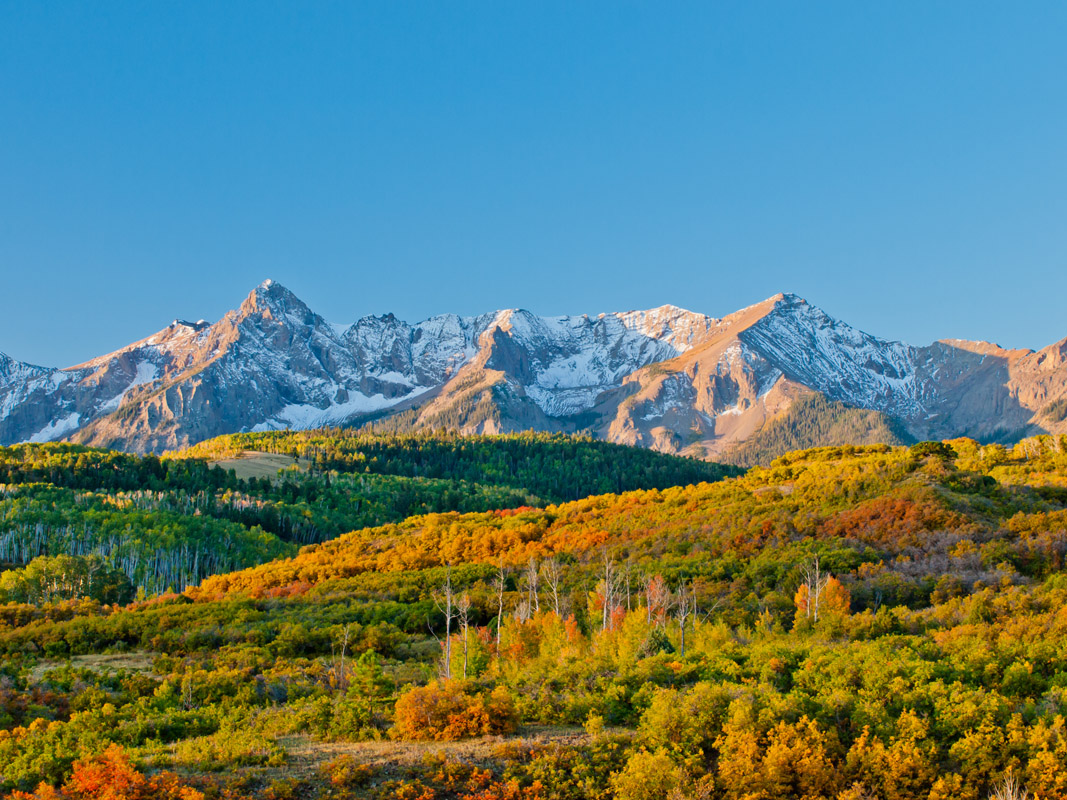
The state is predominantly covered by the Rocky Mountains, a vast mountain range stretching over 3,000 miles from Canada to New Mexico. Within Colorado, this iconic range unfolds into numerous sub-ranges, each with its distinct character, geological features, and a wealth of attractions. These mountains are not just a backdrop; they are a playground for adventurers, a sanctuary for wildlife, and a source of inspiration for all who visit. Whether you’re planning a thrilling ski trip, a challenging summer hike, or a leisurely drive through scenic byways, the diverse mountain ranges of Colorado cater to every type of traveler. This article serves as a comprehensive guide to the prominent mountain ranges and peaks found within the state, offering insights into the travel opportunities, accommodation options, and unique lifestyle experiences they provide.
The Majestic Backbone: Colorado’s Primary Mountain Ranges
The Rocky Mountains system within Colorado is not a monolithic entity but rather a complex network of distinct ranges, each contributing to the state’s incredible geological and ecological diversity. These ranges define the major regions of Colorado, influencing everything from weather patterns to local economies centered around tourism and outdoor recreation.
The Iconic Front Range
Perhaps the most recognized mountain range in Colorado is the Front Range. Stretching from just north of Fort Collins down to Pueblo, it forms a dramatic eastern wall of mountains visible from major cities like Denver, Boulder, and Colorado Springs. This proximity to large urban centers makes the Front Range an incredibly accessible destination for both day trips and extended stays, blending urban convenience with immediate access to wilderness.
The Front Range is home to several prominent peaks, including the world-famous Pikes Peak, often called “America’s Mountain.” Visitors can ascend Pikes Peak via the Pikes Peak Cog Railway, by car on the Pikes Peak Highway, or for the more adventurous, by hiking trails like the challenging Barr Trail. Other notable Front Range attractions include Rocky Mountain National Park, which showcases a pristine alpine environment, and the Garden of the Gods Park in Colorado Springs, famous for its striking red rock formations. The cities along the Front Range offer a wide array of accommodation options, from luxury hotels like the Brown Palace Hotel and Spa in Denver to charming boutique inns in Boulder, catering to every budget and lifestyle.
The Rugged San Juan Mountains
Located in the southwestern part of Colorado, the San Juan Mountains are renowned for their rugged, jagged peaks and deeply cut valleys, a stark contrast to the more rounded profiles found elsewhere. This range is characterized by dramatic landscapes, historical mining towns, and an abundance of outdoor recreation opportunities, making it a prime destination for adventure tourism.
The San Juans are home to several “Fourteeners” (peaks over 14,000 feet), including Mount Sneffels and Mount Wilson. Charming towns like Telluride, Ouray, and Silverton are nestled within these mountains, preserving a rich history from the mining boom era. Telluride is particularly famous for its world-class ski resort and vibrant cultural festivals, attracting a luxury travel demographic, with accommodations such as The Hotel Telluride offering premium stays. Ouray, often called the “Switzerland of America,” is known for its hot springs and is a hub for ice climbing in winter. The Million Dollar Highway, a section of U.S. Route 550, offers breathtaking scenic drives through the heart of the San Juans, an attraction in itself.
The Expansive Sawatch Range
Dominating the central part of Colorado, the Sawatch Range boasts the highest concentration of “Fourteeners” in the state, including Mount Elbert, which at 14,433 feet is the highest peak in Colorado and the entire Rocky Mountains. This range is characterized by its massive, broad-shouldered peaks and vast wilderness areas, making it a mecca for serious hikers, climbers, and backpackers seeking solitude and challenging treks.
The Sawatch Range is less developed than the Front Range or the ski resort-centric areas, offering a more pristine and rugged experience. Towns like Leadville, the highest incorporated city in North America, serve as excellent base camps for exploring the surrounding peaks. Accommodation options range from historic hotels like the Delaware Hotel in Leadville to rustic cabins and campgrounds, catering to a budget-friendly and adventurous lifestyle. The Arkansas River, originating in this range, is famous for its whitewater rafting, drawing thrill-seekers during the summer months.
Other Notable Ranges
Beyond these primary ranges, Colorado is home to several other significant mountain systems, each contributing to the state’s allure:
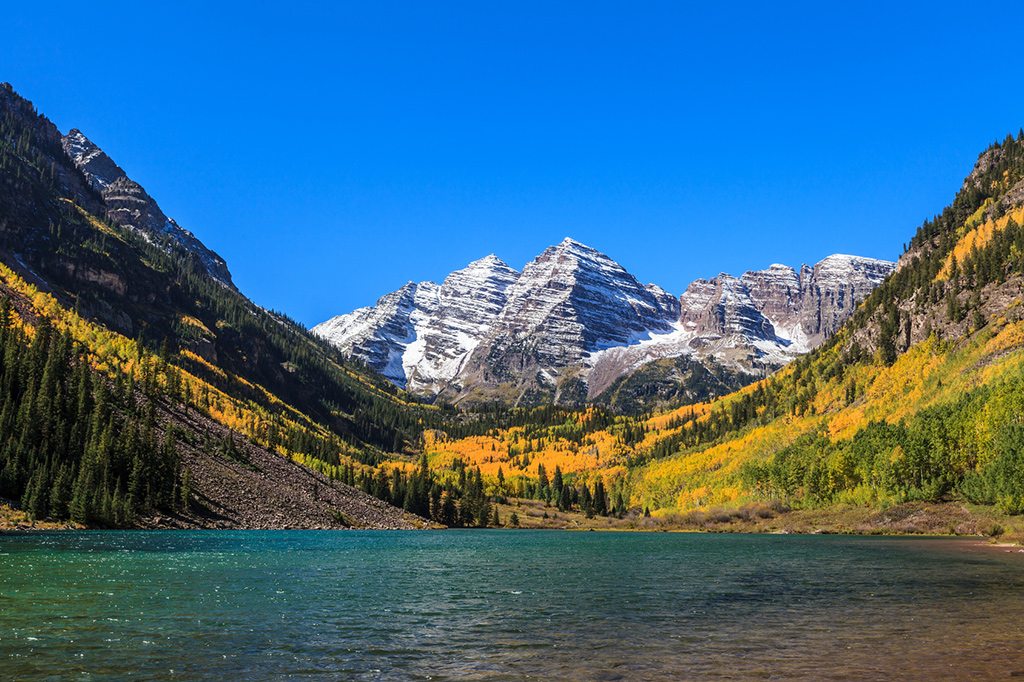
- Elk Mountains: Located southwest of Aspen, these mountains are known for their sharp, dramatic peaks, including Maroon Bells, one of the most photographed natural landmarks in North America. The Elk Mountains are also home to the world-renowned ski resorts of Aspen and Snowmass, which offer luxury travel experiences and a vibrant social scene, with opulent accommodations like The Little Nell standing as prime examples of high-end resort living.
- Gore Range: This wilderness area, situated east of Vail and Silverthorne, is exceptionally rugged and primarily designated as a wilderness area, offering unparalleled solitude for experienced backpackers. Its dramatic peaks and deep canyons are a sight to behold, though access is often challenging.
- Park Range: Forming the western boundary of North Park and including the Routt National Forest, this range is home to the popular ski destination of Steamboat Springs. The resort here is famous for its “Champagne Powder” snow, attracting families and serious skiers alike. Accommodations like The Steamboat Grand offer family-friendly resorts and amenities.
- Sangre de Cristo Range: Stretching into New Mexico, this range forms a spectacular eastern wall visible from the San Luis Valley. Its sharp, often snow-capped peaks present a majestic sight, and it’s less crowded than some other ranges, appealing to those seeking a more tranquil and off-the-beaten-path experience.
Conquering the Peaks: Colorado’s Famous Fourteeners and Summits
Beyond the broad mountain ranges, Colorado is particularly famous for its individual peaks, especially the “Fourteeners” – mountains with summits exceeding 14,000 feet (approximately 4,267 meters) above sea level. Colorado boasts 58 such peaks, the most of any state in the continental United States, making it a world-class destination for peak-baggers and mountaineers.
Scaling the Heights: Popular Peaks for Hikers and Climbers
For many visitors, the ultimate Colorado mountain experience involves reaching one of these iconic summits. While some require advanced mountaineering skills, many Fourteeners offer trails suitable for experienced hikers with proper preparation and acclimatization.
- Mount Elbert: As the highest peak in Colorado, it’s a popular goal for those aiming for the top. Despite its height, the main trail is considered one of the easier Fourteeners, making it accessible to a wide range of hikers. Staying in Leadville or Buena Vista offers convenient access, with various inns and vacation rentals available for long-term stays.
- Grays Peak](https://lifeoutofthebox.com/grays-peak) and Torreys Peak: Often hiked together, these two Fourteeners are easily accessible from Interstate 70 and are popular for their proximity to Denver. They offer stunning views and a rewarding challenge for intermediate hikers. Accommodation near Loveland Ski Area or in Georgetown provides a comfortable base.
- Longs Peak: Located in Rocky Mountain National Park, Longs Peak is one of the most challenging and sought-after Fourteeners. Its iconic “Diamond” face draws serious climbers from around the globe. Hiking the Keyhole Route requires significant endurance and alpine experience. Nearby Estes Park offers a wide range of hotels, lodges, and cabins, from the historic Stanley Hotel to cozy vacation rentals, making it a vibrant tourism hub.
Panoramic Vistas and Scenic Drives
Even if scaling a 14,000-foot peak isn’t on your itinerary, Colorado’s mountains offer countless opportunities for breathtaking panoramic views and memorable scenic drives. These routes are perfect for family trips, offering accessible beauty without strenuous effort.
- Trail Ridge Road: Winding through Rocky Mountain National Park, Trail Ridge Road is the highest continuous paved road in North America, reaching elevations over 12,000 feet. It offers spectacular alpine tundra vistas, wildlife viewing, and numerous overlooks.
- Independence Pass: Connecting Aspen and Twin Lakes, Independence Pass (part of State Highway 82) is a high mountain pass reaching 12,095 feet. It provides dramatic views of the Sawatch and Elk Mountains, with ample opportunities for photography and short hikes.
- Mount Evans Scenic Byway: The highest paved road in North America (reaching 14,130 feet), the Mount Evans Scenic Byway offers a truly alpine experience, culminating in panoramic views from the summit of Mount Evans. This journey is often complemented by stays in Idaho Springs, which offers charming local culture and historic hot springs.

Mountain Adventures and Premier Tourist Destinations
The mountains of Colorado are more than just pretty scenery; they are vibrant hubs for adventure and tourism throughout the year, attracting millions of visitors seeking diverse experiences, from high-adrenaline sports to peaceful communion with nature.
World-Class Skiing and Snowboarding
Colorado’s reputation as a premier winter sports destination is largely built on its abundant snowfall and diverse terrain across its numerous mountain ranges. The state boasts some of the most famous ski resorts in the world, catering to all skill levels and offering a wide range of amenities.
- Vail: One of the largest ski resorts globally, Vail is renowned for its expansive back bowls, diverse terrain, and luxurious village atmosphere. Accommodation options include opulent resorts like The Lodge at Vail and high-end vacation rentals, making it a top choice for luxury travel.
- Aspen Snowmass: This destination comprises four distinct mountains – Snowmass, Aspen Mountain, Aspen Highlands, and Buttermilk – offering varied experiences from challenging steeps to beginner-friendly slopes. Aspen itself is synonymous with high-end lifestyle, art, and dining.
- Breckenridge: A historic mining town with a vibrant Main Street, Breckenridge offers excellent skiing and snowboarding terrain, along with a lively après-ski scene. Its blend of historic charm and modern resort amenities makes it a favorite for family trips and group travel, with various hotels and condo complexes like the Beaver Run Resort and Conference Center providing diverse accommodation options.
- Telluride: Nestled deep in the San Juan Mountains, Telluride is celebrated for its stunning scenery, challenging terrain, and charming, unpretentious atmosphere. It’s a favorite for those seeking a more secluded yet world-class ski experience.
- Other Notable Resorts: Winter Park Resort (family-friendly), Copper Mountain (terrain parks), Keystone (night skiing), and Steamboat Springs (Champagne Powder) also contribute significantly to Colorado’s winter tourism economy, each offering unique attractions and accommodation styles.
Summer Thrills: Hiking, Biking, and Whitewater Rafting
When the snow melts, Colorado’s mountains transform into a verdant paradise for summer adventures. The extensive trail networks, rushing rivers, and breathtaking landscapes create endless possibilities for outdoor enthusiasts.
- Hiking: Thousands of miles of trails crisscross the mountains, from easy nature walks in Rocky Mountain National Park to multi-day wilderness treks in the Maroon Bells-Snowmass Wilderness. Trails often lead to pristine alpine lakes, cascading waterfalls, and spectacular overlooks.
- Mountain Biking: Colorado is a mecca for mountain bikers, with renowned trails in places like Crested Butte (the “birthplace of mountain biking”), Frisco, and Grand Junction. Many ski resorts transform their slopes into downhill biking parks during the summer.
- Whitewater Rafting: The snowmelt feeds rivers like the Arkansas River, Colorado River, and Clear Creek, creating thrilling whitewater rafting opportunities for all skill levels. Guided tours are readily available, making it an accessible adventure for families and groups.
- Fly Fishing: The clear, cold mountain streams and rivers are ideal for fly fishing, attracting anglers from around the world to locations like the Fryingpan River near Basalt or the South Platte River.
National Parks and Wilderness Areas
Protecting some of the most pristine and spectacular mountain environments, Colorado’s national parks and vast wilderness areas are crucial for nature conservation and responsible tourism.
- Rocky Mountain National Park: A crown jewel of the national park system, it encompasses diverse ecosystems from montane forests to alpine tundra. It’s a prime destination for hiking, wildlife viewing, and scenic drives, with many campgrounds and nearby lodging in Estes Park and Grand Lake.
- Great Sand Dunes National Park and Preserve: While primarily known for its towering sand dunes, this park is also backed by the majestic Sangre de Cristo Mountains, offering a unique juxtaposition of desert and alpine environments.
- Dozens of Wilderness Areas: Spanning millions of acres, these protected areas, such as the Eagles Nest Wilderness or the Weminuche Wilderness, offer truly remote and untouched landscapes for backpacking, climbing, and experiencing nature in its purest form.
Experiencing Mountain Lifestyle: Accommodation and Culture
The mountains of Colorado offer more than just natural beauty and adventure; they provide a distinctive lifestyle, characterized by a blend of rugged outdoor living, vibrant community culture, and sophisticated amenities. Understanding these facets is key to planning a comprehensive and fulfilling travel experience.
From Luxury Resorts to Cozy Cabins: Where to Stay
Accommodation in Colorado’s mountain towns reflects the diverse preferences and budgets of its visitors, ranging from ultra-luxury resorts to charming, budget-friendly lodges.
- Luxury Resorts: Destinations like Aspen, Vail, and Telluride are home to world-class resorts offering unparalleled service, gourmet dining, spas, and ski-in/ski-out access. Examples include The Arrabelle at Vail Square or Hotel Jerome in Aspen, which embody opulent amenities and bespoke experiences, ideal for discerning travelers or business stays combining work with leisure.
- Boutique Hotels and Inns: Many mountain towns boast unique boutique hotels that capture local charm and offer personalized service. These often include historical properties like the Strater Hotel in Durango or modern, art-focused establishments.
- Condos and Vacation Rentals: For families, groups, or those seeking longer stays, booking an apartment, condo, or entire villa through platforms is a popular choice. This offers more space, kitchen facilities, and often greater value, particularly in towns like Breckenridge, Winter Park, or Copper Mountain. Properties like the Summit Serenity Suites offer comfortable apartment-style living with stunning views.
- Budget-Friendly Options: For budget travelers, numerous motels, hostels, and campgrounds are available, especially in towns like Leadville, Salida, or Grand Lake. These offer essential comforts and provide excellent access to outdoor activities without the premium price tag.
- Unique Stays: For an even more immersive experience, consider glamping sites, mountain yurts, or remote cabins accessible only by hike, offering a truly unique accommodation experience for those seeking deep nature connections.
Charming Mountain Towns and Local Delights
The towns nestled within Colorado’s mountains are integral to the state’s tourism appeal. Each town possesses a distinct character, rich history, and vibrant local culture, offering everything from gourmet dining to authentic mining heritage.
- Aspen: Beyond its skiing, Aspen is a cultural hub, known for its art galleries, high-end boutiques, and world-class culinary scene. It’s a prime example of a luxury lifestyle destination, attracting a sophisticated crowd.
- Durango: In the southwest, Durango offers a taste of the Old West, with its historic Durango and Silverton Narrow Gauge Railroad and a lively downtown area filled with breweries and restaurants. It serves as a gateway to the San Juan Mountains.
- Ouray: Dubbed the “Switzerland of America,” Ouray is famous for its natural hot springs and stunning box canyon. It provides a relaxed atmosphere, making it a perfect spot for unwinding after outdoor adventures. The Mountain Echo Inn offers a cozy, authentic experience.
- Frisco: Centrally located in Summit County, Frisco is often called the “Main Street of the Rockies.” It offers easy access to multiple ski resorts and a wide range of summer activities on Lake Dillon, providing a balance of convenience and natural beauty.
Local cuisine, craft breweries, and distilleries are also significant aspects of the mountain lifestyle, reflecting the region’s agricultural bounty and adventurous spirit. From farm-to-table restaurants in Boulder to hearty pub fare in Breckenridge, the food scene complements the outdoor experiences.
Planning Your Mountain Getaway: Tips for Travelers
For an optimal mountain travel experience in Colorado, consider these essential tips:
- Acclimatization: Many mountain areas are at high altitudes. Drink plenty of water, avoid excessive alcohol, and take it easy on your first day to prevent altitude sickness.
- Weather Preparedness: Mountain weather can change rapidly. Pack layers, even in summer, and be prepared for sudden storms or temperature drops.
- Booking in Advance: Especially during peak ski season or popular summer months, accommodations and popular attractions can book up quickly. Utilize comparison tools and review sites to secure the best hotel deals or long-term stay options. The Grand Peaks Resort, for instance, often requires early booking due to its popularity.
- Respect the Environment: “Leave No Trace” principles are paramount. Stay on marked trails, pack out all trash, and respect wildlife.
- Travel Insurance: Given the active nature of mountain travel, consider comprehensive travel insurance that covers activities and medical emergencies.
Conclusion
The mountains of Colorado are a defining feature of the state, offering an extraordinary array of natural wonders, thrilling adventures, and unique cultural experiences. From the accessible grandeur of the Front Range to the rugged wilderness of the San Juan Mountains and the towering heights of the Sawatch Range, each range presents its own distinct allure. Whether you are a seasoned mountaineer eyeing a “Fourteener,” a family seeking a memorable ski vacation, or a traveler desiring a luxurious mountain retreat, Colorado provides an unparalleled setting.
The comprehensive tourism infrastructure, including world-class hotels, diverse accommodation options from boutique inns to expansive resorts, and an array of guided tours and activities, ensures that every visitor can tailor their ideal mountain getaway. The vibrant mountain towns, rich in history and local flavor, complement the natural beauty, offering cultural attractions, exquisite dining, and a warm, welcoming atmosphere. Embarking on a journey to explore “What Mountains Are In Colorado?” is to discover not just geological marvels, but a lifestyle, an adventure, and a destination that truly lives up to its majestic reputation, inviting travelers to return season after season.
LifeOutOfTheBox is a participant in the Amazon Services LLC Associates Program, an affiliate advertising program designed to provide a means for sites to earn advertising fees by advertising and linking to Amazon.com. Amazon, the Amazon logo, AmazonSupply, and the AmazonSupply logo are trademarks of Amazon.com, Inc. or its affiliates. As an Amazon Associate we earn affiliate commissions from qualifying purchases.