
Understanding the precise time in any destination is more than just a matter of setting your watch; it’s the fundamental first step in planning an unforgettable journey. For travelers considering a visit to the breathtaking resort town of Aspen, Colorado, knowing the local time is crucial for everything from booking flights and coordinating hotel check-ins to scheduling exhilarating outdoor activities and reserving tables at world-class restaurants. Aspen, nestled high in the Rocky Mountains, operates on a specific time zone that dictates the rhythm of daily life and adventure.
Understanding Aspen’s Time Zone: Planning Your Rocky Mountain Adventure
At its core, the question “What time is it in Aspen, Colorado?” is straightforward: Aspen observes the Mountain Time Zone (MT) for most of the year. This designation places it seven hours behind Coordinated Universal Time (UTC-7). However, like many regions across the United States, Aspen adjusts its clocks seasonally, shifting to Mountain Daylight Time (MDT) during the warmer months.
Navigating Mountain Time: A Crucial First Step
The Mountain Time Zone primarily covers states situated in the mountainous western United States. For travelers arriving from other time zones, particularly those from the East Coast or international destinations, this time difference necessitates careful consideration. A three-hour difference from Eastern Time (ET) means that if it’s noon in New York City, it’s a brisk 9:00 AM in Aspen. This might seem like a minor detail, but it profoundly impacts travel logistics. Early morning flights arriving in Aspen could feel like the middle of the day for East Coast visitors, while evening dinner reservations might feel unusually late.
Beyond personal comfort, understanding the exact time is vital for coordinating with local services. From confirming shuttle schedules from Pitkin County Airport to ensuring you arrive promptly for a private ski lesson on Aspen Mountain, every interaction is governed by the local clock. Business hours for shops, galleries, and concierge services will all adhere to MT or MDT, making awareness of the time zone indispensable for a smooth and stress-free trip.
Seasonal Shifts: Mountain Daylight Time Explained
The transition to Mountain Daylight Time typically occurs on the second Sunday in March, when clocks spring forward by one hour, moving from UTC-7 to UTC-6. This change brings later sunsets and extended daylight hours, which are particularly cherished during Aspen’s vibrant summer and fall seasons. For visitors, this means more time to enjoy outdoor activities such as hiking, biking, and fly-fishing into the early evening.
The return to Mountain Time Zone happens on the first Sunday in November, when clocks fall back an hour, signaling the official start of the winter season with earlier sunsets. This shift affects how much natural light is available for skiing, snowboarding, and other winter sports. For example, during the peak of winter, the sun might set around 4:30 PM, making it essential to plan your slopes time accordingly. Recognizing these bi-annual shifts is key to making the most of Aspen’s seasonal offerings and optimizing your itinerary to capture every precious moment of daylight.
The Allure of Aspen: Beyond the Clock
While time zones provide the framework, the true magic of Aspen lies in its unparalleled appeal as a premier destination. It’s a place where luxury meets rugged beauty, where world-class amenities blend seamlessly with the raw majesty of the Rocky Mountains. This blend attracts a diverse range of travelers, from adventure seekers and art enthusiasts to those simply looking for an opulent escape.
A World-Class Destination: Luxury, Culture, and Nature
Aspen has long been synonymous with high-end travel and an exclusive lifestyle. Its charming downtown is lined with designer boutiques, renowned art galleries, and gourmet restaurants. Yet, beneath this veneer of sophistication lies a deep appreciation for culture and nature. The town boasts institutions like the Aspen Art Museum and the historic Wheeler Opera House, offering a rich tapestry of artistic and performing arts experiences throughout the year.
The natural landscape surrounding Aspen is, arguably, its most significant draw. The iconic Maroon Bells, two towering peaks reflected in a pristine lake, are a photographer’s dream and a hiker’s paradise. The vast network of trails offers opportunities for all skill levels, leading to hidden waterfalls, alpine lakes, and breathtaking panoramic views. This harmonious blend of luxury, culture, and nature creates a unique destination that promises both exhilarating adventure and serene relaxation.
When to Visit: Synchronizing Your Trip with Aspen’s Seasons
The best time to visit Aspen largely depends on your desired activities, which are, in turn, heavily influenced by the seasonal time changes.
- Winter (December – April): This is peak ski season, when Aspen transforms into a snowy wonderland. The days are shorter due to the return to Mountain Time Zone, but the abundance of fresh powder on Aspen Mountain, Snowmass Ski Resort, Aspen Highlands, and Buttermilk Mountain makes for unparalleled skiing and snowboarding. The festive atmosphere, upscale après-ski scene, and cozy fireplaces define this period.
- Spring (May – June): As the snow melts, Aspen transitions into a quieter, more subdued phase. This “mud season” offers fewer crowds and often lower accommodation prices. While some trails might still be muddy, it’s an excellent time for early-season hiking, biking, and experiencing the local culture without the bustling crowds. Mountain Daylight Time will have begun, offering longer evenings.
- Summer (July – August): With Mountain Daylight Time in full effect, summer in Aspen means long, sun-drenched days perfect for outdoor pursuits. Hiking, mountain biking, fly-fishing, whitewater rafting, and attending outdoor concerts are popular. The town also hosts major events like the Aspen Music Festival and School and the FOOD & WINE Classic in Aspen, drawing visitors worldwide.
- Fall (September – November): The autumn months are renowned for their spectacular foliage, as the aspen trees turn brilliant shades of gold and orange. This is a popular time for scenic drives, hiking, and enjoying the crisp mountain air. The season culminates with the return to Mountain Time Zone in November, signaling the approach of winter.
Maximizing Your Aspen Experience: Activities and Accommodations
Once the time zone is understood and the season chosen, the real planning begins. Aspen offers a wealth of activities and some of the most luxurious accommodations in the United States.
Embracing Aspen’s Outdoor Playground: Daylight and Beyond
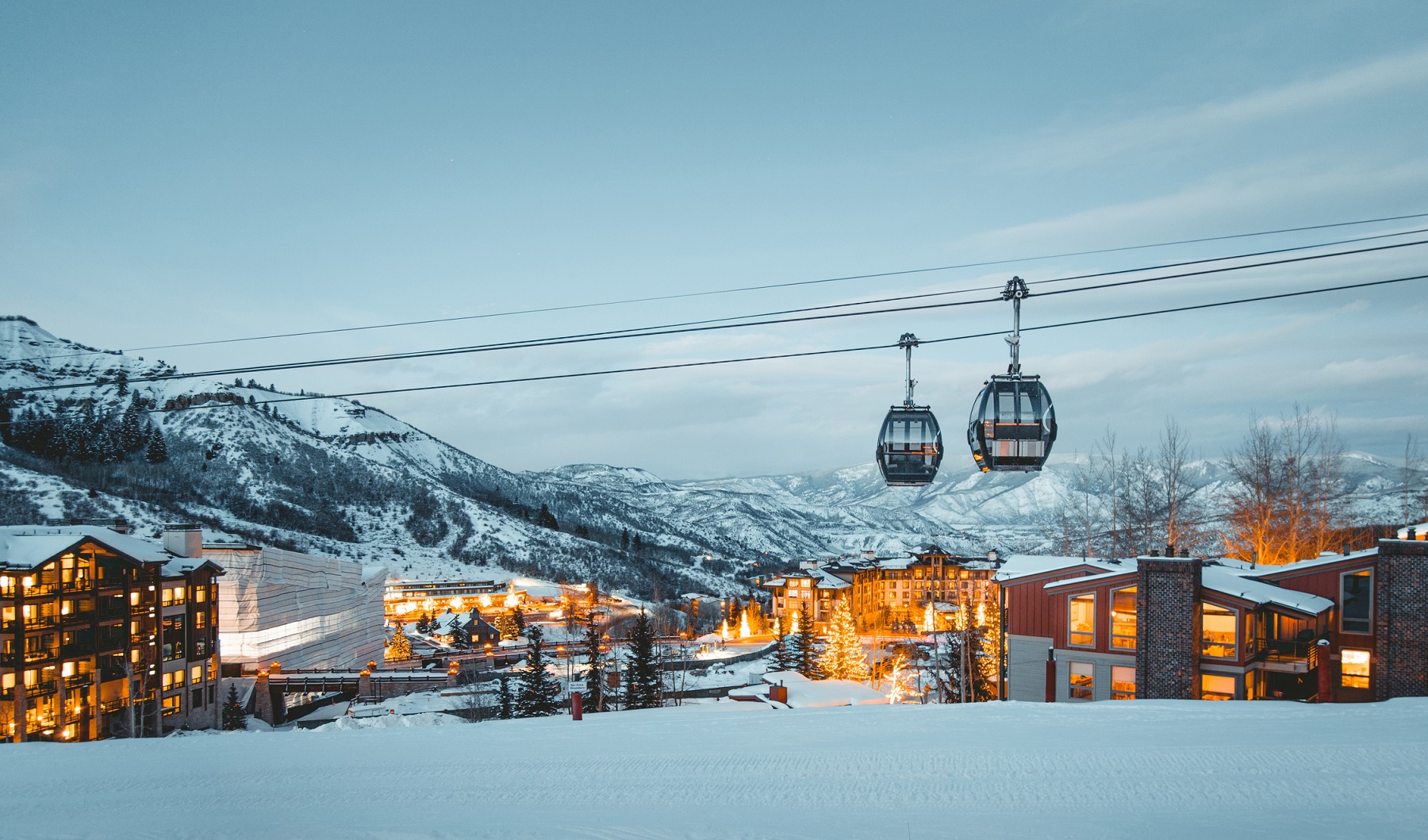
The extensive daylight hours during summer Mountain Daylight Time allow for full days packed with adventure. Imagine starting your day with a sunrise hike to the Maroon Bells, followed by a thrilling downhill mountain bike ride, and still having time for an evening paddleboard session on the Roaring Fork River. In winter, while daylight is more constrained under Mountain Time Zone, the focus shifts to maximizing snow sports. Early mornings are perfect for hitting freshly groomed runs, while afternoons can be spent exploring the varied terrain across Aspen’s four ski mountains or taking a scenic ride on the Silver Queen Gondola for unparalleled views. Beyond the slopes, winter activities include snowshoeing, cross-country skiing, ice skating, and even dog sledding, all best enjoyed when the sun is still high.
Iconic Landmarks and Cultural Immersion: Exploring Aspen’s Heart
Aspen is not just about physical activity; it’s also a hub for culture and history. A stroll through the downtown core reveals Victorian-era architecture, art galleries showcasing local and international artists, and a vibrant community spirit.
Key cultural landmarks include:

- The Wheeler Opera House: A beautifully restored historic venue hosting concerts, comedy shows, and film screenings.
- The Aspen Art Museum: Featuring contemporary art exhibitions in a stunning Shigeru Ban-designed building.
- John Denver Sanctuary: A tranquil park with river stone tributes to the beloved musician, perfect for reflection.
- Independence Pass: A high mountain pass offering breathtaking views, though only accessible seasonally.
- Anderson Ranch Arts Center: A world-renowned creative studies center offering workshops and exhibitions.
These attractions offer a deeper insight into the town’s character and provide enriching experiences, often best planned during mid-day hours when the sun is brightest or during an evening performance at the Wheeler Opera House.
Where to Stay: Unparalleled Luxury and Comfort in Aspen
Aspen is renowned for its exceptional accommodation options, catering to every desire for luxury and comfort. From opulent five-star resorts to charming boutique hotels and private villas, the choices reflect the town’s commitment to high-end hospitality. Popular choices include:
- The Little Nell: A ski-in/ski-out hotel at the base of Aspen Mountain, known for its impeccable service and luxurious amenities.
- Hotel Jerome: A historic landmark blending Victorian charm with modern elegance, located right in the heart of downtown Aspen.
- St. Regis Aspen Resort: Offering refined luxury, a world-class spa, and stunning mountain views, a short walk from the Silver Queen Gondola.
- Limelight Hotel Aspen: A more contemporary, family-friendly option with an emphasis on comfort and convenience.
- W Aspen: A modern, stylish hotel offering vibrant social spaces and a unique twist on luxury.
- Ritz-Carlton Club, Aspen Highlands: Providing luxury residence-style accommodations with excellent access to Aspen Highlands.
Booking accommodations well in advance is highly recommended, especially during peak seasons like winter and summer, as Aspen’s popularity means demand can quickly outstrip supply.
Culinary Delights and Lifestyle: A Taste of Aspen
The Aspen experience extends beyond its stunning landscapes and luxurious stays to its vibrant culinary scene and unique lifestyle. This mountain town offers a gastronomic journey as diverse as its scenery, paired with a lifestyle that balances indulgence with a commitment to well-being.
Gastronomic Journeys: Dining Through Aspen’s Day
Dining in Aspen is an event, from casual cafes serving artisan coffee to Michelin-starred establishments crafting exquisite dishes. The local time plays a role in how you structure your meals, particularly if you’re battling jet lag.
- Breakfast & Brunch: Start your day early to hit the slopes or trails, then refuel at local favorites. Many establishments open early to cater to the active crowd.
- Lunch: Whether it’s a gourmet sandwich to go, a hearty meal at an on-mountain restaurant, or a leisurely midday repast at a downtown eatery, Aspen offers options for every pace.
- Après-Ski/Post-Activity: This is a quintessential Aspen tradition. As the sun begins its descent (earlier in winter, later in summer Mountain Daylight Time), skiers and hikers gather at vibrant bars and lounges for drinks, appetizers, and lively conversation.
- Dinner: Aspen’s dining scene truly shines in the evening. Renowned restaurants like Matsuhisa Aspen, Element 47 (at The Little Nell), and White House Tavern offer exceptional culinary experiences, often requiring reservations weeks or even months in advance.
The Aspen Lifestyle: From High-End Shopping to Wellness Retreats
The lifestyle in Aspen is characterized by a unique blend of outdoor enthusiasm, cultural sophistication, and a relaxed, yet luxurious, ambiance. Beyond the physical activities, visitors can indulge in:
- Shopping: From high-fashion boutiques like Louis Vuitton and Gucci to local art galleries and unique gift shops, Aspen offers a premier shopping experience.
- Arts and Culture: A robust calendar of events, including film festivals, dance performances, and thought-provoking lectures, enriches the cultural landscape.
- Wellness: With numerous spas, yoga studios, and wellness centers, Aspen is also a place to rejuvenate mind and body. Many resorts, such as the St. Regis Aspen Resort, offer comprehensive spa services to help guests unwind after a day of adventure.
This lifestyle, deeply ingrained in the town’s fabric, means that even after the lifts close or the trails are too dark, there’s always something to do, see, or experience in Aspen.
Practical Tips for Travelers: Making the Most of Your Time in Aspen
A successful trip to Aspen requires a bit of preparation, especially concerning the unique challenges and opportunities presented by its high-altitude, mountain environment and time zone.
Adjusting to Altitude and Time: Essential Preparations
Aspen sits at an elevation of approximately 8,000 feet (2,438 meters), which can be a significant change for visitors from sea level. Altitude sickness is a real concern and can impact your ability to enjoy activities, regardless of the time of day.
- Hydrate: Drink plenty of water before and during your trip. Avoid excessive alcohol and caffeine, especially upon arrival.
- Acclimatize: Take it easy on your first day or two. Don’t plan strenuous activities immediately.
- Listen to your body: If you experience symptoms like headache, nausea, or dizziness, rest and descend if possible.
- Consult your doctor: Individuals with pre-existing conditions should consult their physician before traveling to high altitudes. Aspen Valley Hospital provides excellent medical care should it be needed.
For time zone adjustment, try to shift your sleep schedule a few days before arrival. Once there, expose yourself to natural light in the mornings and avoid heavy meals late at night to help your body adapt to the Mountain Time Zone or Mountain Daylight Time rhythm.

Getting Around: Efficient Travel in and Around Aspen
Navigating Aspen is relatively easy, but understanding your transport options is key to efficient time management.
- Flying In: The closest airport is Pitkin County Airport (ASE), just 3 miles from downtown Aspen. Alternatively, many travelers fly into Denver International Airport (DEN) and take a connecting flight or a scenic drive (about 3.5-4 hours) through the mountains.
- Roaring Fork Transportation Authority (RFTA): Aspen boasts an excellent, free public bus system that connects the town with nearby Snowmass Village and other communities in the Roaring Fork Valley. This is a convenient and eco-friendly way to get around without needing a car.
- Walking & Biking: Downtown Aspen is very walkable, and bike paths are abundant, especially during the warmer months when Mountain Daylight Time provides ample daylight.
- Taxis & Ride-Shares: Available for convenient, door-to-door service, especially useful for late-night outings.
Knowing what time it is in Aspen, Colorado is more than a simple fact; it’s a foundational piece of information that unlocks the full potential of your visit. From adjusting to the Mountain Time Zone or Mountain Daylight Time and planning around the seasonal shifts in daylight, to selecting the perfect luxury accommodation and scheduling your adventures in this world-class destination, every aspect of your trip will be influenced by the clock. By understanding Aspen’s rhythm, you can ensure a seamless, enjoyable, and truly unforgettable Rocky Mountain experience.
LifeOutOfTheBox is a participant in the Amazon Services LLC Associates Program, an affiliate advertising program designed to provide a means for sites to earn advertising fees by advertising and linking to Amazon.com. Amazon, the Amazon logo, AmazonSupply, and the AmazonSupply logo are trademarks of Amazon.com, Inc. or its affiliates. As an Amazon Associate we earn affiliate commissions from qualifying purchases.