
Understanding the economic landscape of any travel destination is key to a holistic experience, whether you’re planning a luxurious escape or a budget-friendly adventure. For those considering a visit to the stunning landscapes and vibrant cities of Colorado, knowing the minimum wage is more than just a piece of trivia; it’s a lens through which to view the local economy, the cost of services, and the lifestyle of the people who make this state so welcoming. From the bustling streets of Denver to the serene mountain resorts of Aspen and Vail, the minimum wage impacts everything from your morning coffee to your evening accommodation.
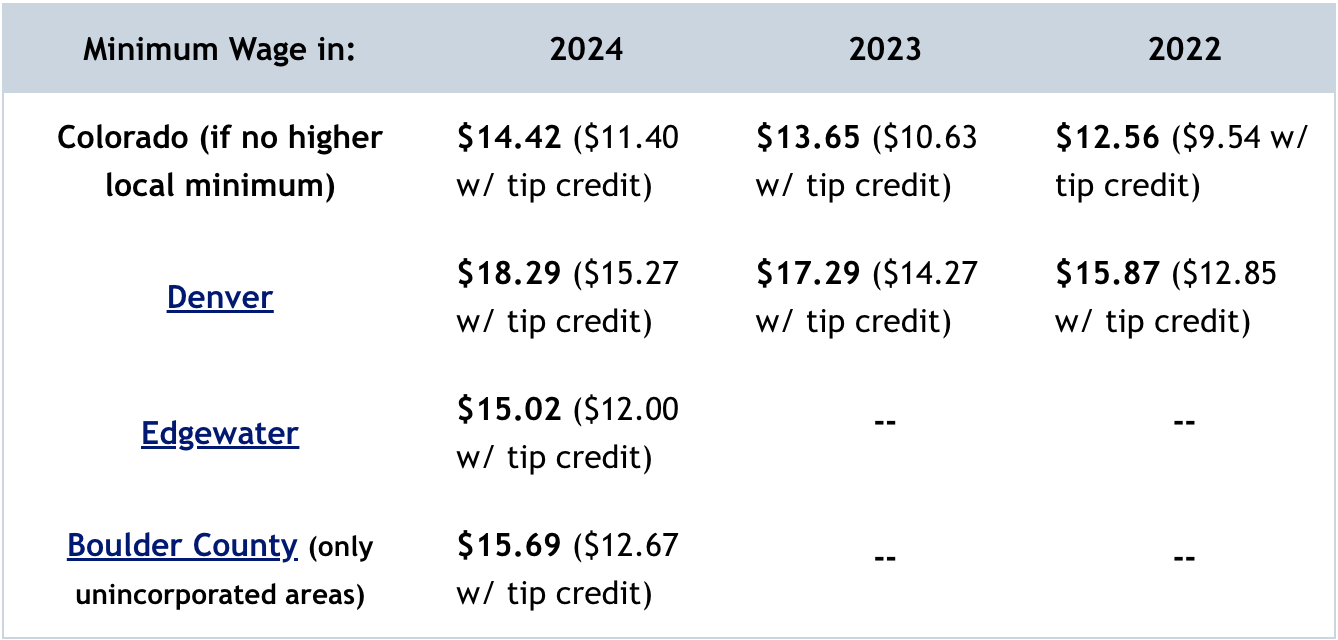
Colorado has consistently been at the forefront of states taking proactive measures to ensure a living wage for its workers. This commitment is particularly relevant to the state’s thriving tourism and hospitality sectors, which rely heavily on a well-compensated workforce to deliver world-class experiences. As travelers, understanding these economic underpinnings can enrich your journey, providing insights into local culture, the value of services, and how best to engage with the communities you visit. It influences everything from the price of a meal at a charming Boulder bistro to the cost of a ski lesson in Breckenridge. This article delves into the specifics of Colorado’s minimum wage, exploring its evolution, its variations across different municipalities, and its tangible effects on the travel, hospitality, and overall lifestyle within the Centennial State.
Understanding Colorado’s Minimum Wage Landscape
The framework for minimum wage in Colorado is dynamic, shaped by both state legislation and local ordinances. This multi-layered approach means that the minimum wage can vary depending on where you are in the state, a crucial detail for both residents and visitors alike.
The State Minimum Wage and Its Evolution
Colorado’s journey towards a progressively higher minimum wage has been driven by voter initiatives aimed at ensuring workers can afford the state’s rising cost of living. Historically, the state’s minimum wage was tied to inflation, allowing for annual adjustments. This indexing mechanism ensures that wages maintain their purchasing power over time, a vital safeguard in a state known for its attractive yet often expensive lifestyle. Each year, the Colorado Department of Labor and Employment announces the new minimum wage, typically effective on January 1st. These annual increases reflect economic conditions and the ongoing effort to provide a fair wage floor. For instance, recent years have seen the state minimum wage climb steadily, positioning Colorado among states with higher wage floors nationwide. This commitment to increasing wages underscores a broader social and economic philosophy within the state, impacting everything from small businesses to major resorts.
Local Ordinances: Beyond the State Standard
While the state sets a baseline, several Colorado municipalities have taken further steps to implement their own minimum wage laws, often exceeding the state-mandated rate. This phenomenon is particularly prevalent in urban centers and popular tourist destinations where the cost of living is significantly higher. For example, Denver was one of the first cities to implement a higher local minimum wage, recognizing the unique economic pressures faced by its residents. Similarly, Boulder, known for its progressive policies and high cost of living, has also adopted its own minimum wage ordinance.
These local ordinances mean that a hotel worker in downtown Denver might earn a different minimum wage than a service industry employee in Colorado Springs, or a resort staff member in Snowmass Village. These localized wages reflect the varying economic realities across the state, from the metropolitan hustle to mountain town charm. Travelers should be aware that the price of goods and services, as well as the expectation for tipping, might subtly reflect these differences. Understanding that a barista in Denver might be earning a higher minimum wage than their counterpart in a smaller, more rural town can provide valuable context to the cost of your morning coffee or the service charge at a local eatery.
Impact on the Cost of Living
The minimum wage, whether at the state or local level, plays a critical role in shaping the cost of living. For workers, it aims to provide a baseline for affording necessities like housing, food, and transportation. For businesses, especially in the hospitality sector, it means higher labor costs, which can, in turn, be reflected in the prices consumers pay. In popular tourist areas like Aspen or Vail, where housing and general expenses are notoriously high, a robust minimum wage is essential for locals to sustain themselves. This dynamic creates a delicate balance: ensuring workers can thrive while keeping Colorado an attractive and competitive destination for tourism. The ripple effect extends to rental car prices, attraction fees, and even the cost of guided tours through places like Rocky Mountain National Park.
Minimum Wage and the Hospitality Sector
The hospitality sector is arguably the most affected by minimum wage policies, as it employs a vast number of service-oriented staff who interact directly with travelers. From luxurious resorts to quaint bed and breakfasts, the economic realities of wages shape the guest experience.
Wages in Hotels and Resorts
Colorado’s hotels and resorts, ranging from the historic elegance of The Broadmoor in Colorado Springs to modern establishments like the Hyatt Regency Denver, employ thousands of individuals. These include front desk agents, housekeepers, bellhops, concierge staff, and many more. The minimum wage directly dictates the baseline pay for these essential workers.
Front-Line Staff and Guest Services
For front-line staff, a higher minimum wage helps attract and retain talent in a demanding industry. Consider the dedicated team at a ski resort like the St. Regis Aspen Resort or the Limelight Hotel Snowmass, who ensure guests have a seamless and enjoyable stay. Their wages, influenced by both state and local minimums, contribute to their ability to live and work in often expensive mountain communities. This stability for workers ultimately translates into better service for guests, as employees are more likely to be content and committed. When planning your stay, recognizing that hotel staff are earning a fair, livable wage can enhance your appreciation for their service. It supports the notion of responsible tourism, where visitors contribute positively to the local economy and the well-being of its workforce.
Tipping Culture and Service Charges
In many hospitality settings, particularly in full-service hotels and restaurants, tipping is a customary practice that supplements employee wages. While Colorado does have a sub-minimum wage for tipped employees (meaning their base wage can be lower if their tips bring them up to or above the standard minimum wage), the state has also moved to ensure that this tipped minimum wage is a substantial amount. For travelers, understanding this context can inform tipping decisions. Many establishments now include service charges or suggest gratuity percentages, especially for larger groups, to ensure fair compensation for staff. This practice is particularly common in high-end resorts and fine dining establishments throughout Colorado, including those found in Cherry Creek or near Union Station in Denver.
Restaurants, Cafes, and Local Eateries
The vibrant culinary scene in Colorado, from farm-to-table restaurants in Fort Collins to quaint cafes in Durango, heavily relies on minimum wage workers. Chefs, line cooks, servers, dishwashers, and bussers all contribute to your dining experience. The minimum wage directly affects the operating costs of these businesses and, consequently, the prices on the menu. A higher minimum wage might lead to slightly higher menu prices, but it also supports the livelihood of those preparing and serving your meals. This is especially true in popular areas where eateries cater to both locals and tourists, such as those lining the streets of Old Town Fort Collins or the 16th Street Mall in Denver.
Tour Guides and Adventure Services

Beyond traditional hospitality, Colorado’s adventure tourism sector is a major draw. Companies offering white-water rafting, hiking tours to Garden of the Gods, rock climbing excursions, or guided trips through Mesa Verde National Park employ a significant number of guides and support staff. While many specialized guides may earn above the minimum wage due to their expertise and certifications, the minimum wage still sets a floor for entry-level positions and administrative roles within these companies. For visitors, a well-compensated guide is often a more enthusiastic and knowledgeable guide, leading to a richer and safer experience exploring Colorado’s natural wonders, from the dunes of Great Sand Dunes National Park and Preserve to the peaks of the San Juan Mountains.
Budgeting for Your Colorado Adventure: A Traveler’s Perspective
Understanding the minimum wage in Colorado offers practical insights for travelers planning their trips, influencing everything from daily expenses to overall budget allocation.
How Wages Influence Travel Costs
The higher minimum wage in Colorado means that labor costs for businesses are generally higher compared to states with lower wage floors. This can translate into slightly elevated prices for services like transportation (e.g., rideshares, taxis from Denver International Airport), dining, and even some attraction fees. While this might mean a slightly higher daily spend, it also indicates a robust local economy where workers are better compensated. For example, a gourmet meal in Aspen or a guided tour near Pikes Peak might factor in these labor costs, contributing to the overall price. However, this also supports the quality and sustainability of the services provided.
Tipping Etiquette in Colorado
Given the tiered wage structure for tipped employees, understanding tipping etiquette is particularly important in Colorado. While service workers generally earn a higher base wage than their counterparts in many other states, tips are still a significant portion of their income. A standard tip of 15-20% for good service is generally appreciated in restaurants and bars. For other services, like hotel housekeeping, bell services, or tour guides, smaller discretionary tips are customary and a thoughtful way to acknowledge excellent service. For instance, after a rewarding visit to the Denver Museum of Nature & Science or a guided hike in Golden Gate Canyon State Park, considering a tip for exceptional service reflects an appreciation for the efforts of local workers.
Finding Value: Budget-Friendly Travel Tips
Even with a higher cost of living and potentially higher prices for some services, Colorado remains an incredible destination for travelers of all budgets. Smart planning can help you maximize your experience without overspending.
Accommodation Choices
To mitigate higher accommodation costs, consider staying in areas slightly outside the most popular tourist hotspots or visiting during the shoulder seasons. While a stay at a luxury resort in Vail might be pricier, exploring options in nearby towns like Frisco or staying in vacation rentals can offer significant savings. Many charming hotels and cozy inns throughout the state, particularly in less-trafficked regions, provide excellent value. Websites like lifeoutofthebox.com can be invaluable resources for comparing booking options, reviews, and amenities to find accommodation that fits your budget and preferences.
Dining Out Smartly
Dining is another area where budgeting savvy comes in handy. While Colorado boasts many fine dining establishments, you can also savor local flavors at more casual eateries, food trucks, or by opting for lunch specials. Exploring local farmers’ markets for fresh produce, especially in places like Boulder or Crested Butte, can provide delicious and affordable picnic options for your adventures in places like the Garden of the Gods or along scenic drives. Self-catering in accommodations with kitchenettes can also substantially reduce food expenses.
Exploring Free and Low-Cost Attractions
Colorado is rich in natural beauty, much of which can be enjoyed for free or at a low cost. Hiking in one of the many state parks, exploring scenic drives, or simply taking in the majestic mountain views doesn’t cost a dime. Many cities, including Denver and Fort Collins, offer free walking tours, public art installations, and cultural events. Visiting landmarks like the Red Rocks Amphitheatre for a hike (outside of concert hours) or exploring the historic districts of towns like Telluride are budget-friendly ways to immerse yourself in the Colorado experience.
Lifestyle and Economic Impact in Colorado
The discussion of minimum wage in Colorado extends beyond immediate travel costs to encompass the broader lifestyle and economic fabric of the state.
Supporting Local Businesses and Workers
When you choose to visit Colorado, your spending directly supports the local economy. A significant portion of that support goes towards businesses that employ minimum wage workers. By dining at local restaurants, purchasing from independent shops, and engaging with locally owned tour operators, you contribute to a cycle that strengthens the community. This aligns with a mindful approach to tourism, where travelers seek to leave a positive impact. Opting for a small gallery in Manitou Springs over a large chain store or enjoying a meal at a family-run diner rather than a national franchise directly benefits the individuals who call Colorado home and depend on these wages.
The Balance Between Wages and Affordability
Colorado’s commitment to a higher minimum wage reflects a societal value placed on fair compensation. However, this also contributes to the state’s overall higher cost of living, particularly in desirable areas. Policymakers continuously grapple with finding the right balance: ensuring workers can afford to live where they work, while also maintaining the economic viability of businesses and keeping the state attractive for investment and tourism. This ongoing dialogue shapes the economic landscape and influences everything from housing availability in Denver to the seasonal workforce in Grand Lake.

Future Outlook: Trends and Projections
The trend in Colorado suggests a continued commitment to annual minimum wage increases, likely tied to inflation. As the state grows and its economy evolves, particularly in the ever-expanding tourism and tech sectors, the discussion around living wages will remain pertinent. For future travelers, this means anticipating that prices for goods and services in Colorado may continue to reflect these rising labor costs. However, it also signifies a state that values its workforce, which in turn fosters a high standard of service and a vibrant, stable community—qualities that greatly enhance any travel experience. Staying informed through resources like the Colorado Tourism Office can help you keep abreast of broader economic shifts that might impact your travel plans.
In conclusion, the minimum wage in Colorado is a dynamic and essential aspect of its economic identity, directly influencing the travel, hospitality, and lifestyle sectors. For visitors, understanding these policies provides a deeper appreciation for the state’s commitment to its workers, helps in smart budgeting, and allows for more informed and responsible engagement with the local communities that make Colorado such an unforgettable destination.
LifeOutOfTheBox is a participant in the Amazon Services LLC Associates Program, an affiliate advertising program designed to provide a means for sites to earn advertising fees by advertising and linking to Amazon.com. Amazon, the Amazon logo, AmazonSupply, and the AmazonSupply logo are trademarks of Amazon.com, Inc. or its affiliates. As an Amazon Associate we earn affiliate commissions from qualifying purchases.