
The Colorado River is a monumental artery of the American Southwest, a testament to nature’s power and human ingenuity. For millions across seven U.S. states and two Mexican states, it is more than just a river; it’s a lifeline, a source of drinking water, agricultural irrigation, and hydroelectric power. Its journey from the icy peaks of the Rocky Mountains to the sun-baked deserts of the Southwest is steeped in history, carved through breathtaking landscapes, and fraught with the demands of an ever-growing population. Yet, for all its majesty and vital importance, the question of where the Colorado River truly ends is not as straightforward as one might assume.

Historically, this mighty river emptied into the Gulf of California in Mexico, forming a vibrant delta that once supported a rich tapestry of ecosystems. Today, the reality is starkly different. Due to extensive damming, diversions, and increasing water consumption by burgeoning urban centers and vast agricultural enterprises, the Colorado River rarely, if ever, reaches its natural oceanic terminus. Its “end” is often a dry, dusty riverbed, a symbol of the complex challenges facing water management in arid regions worldwide. This article delves into the river’s incredible journey, the iconic landmarks it creates, the travel experiences it offers, and the critical question of its ultimate fate.
The Lifeline of the Arid West: Tracing the Colorado’s Journey
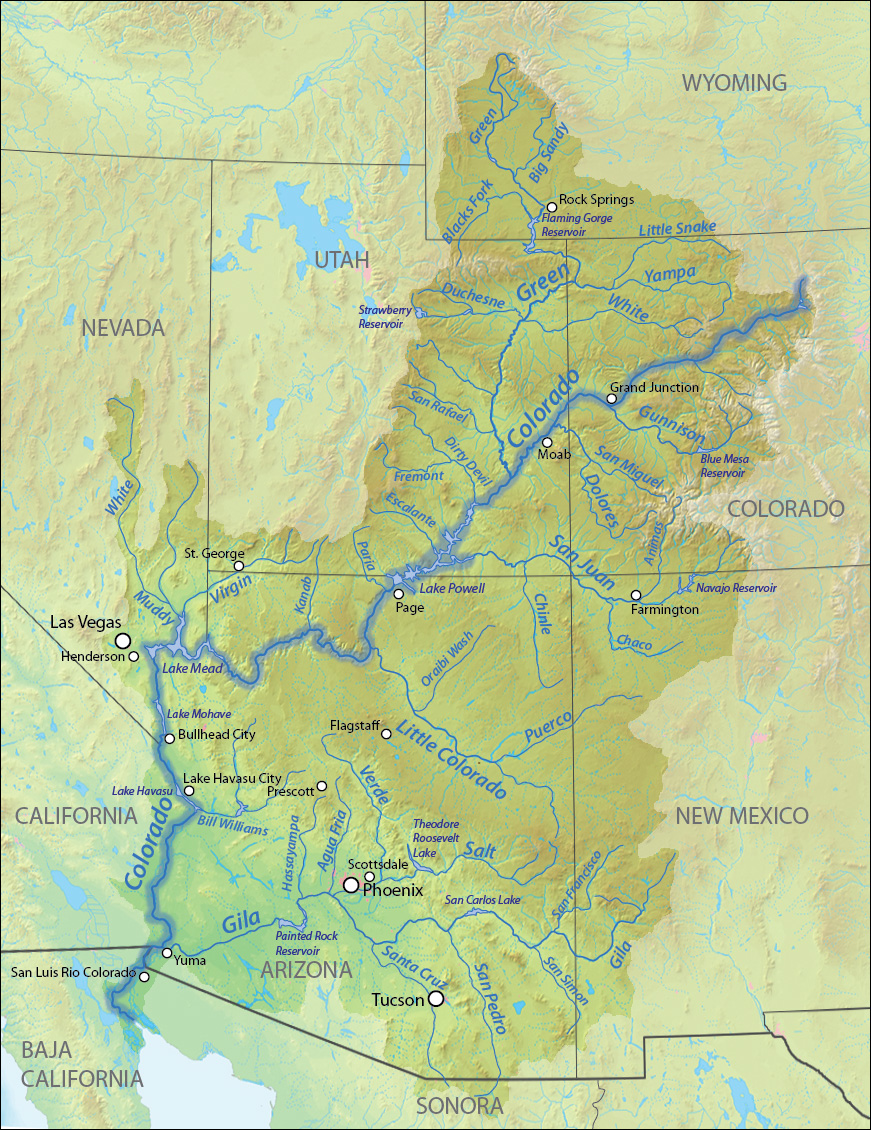
The Colorado River system spans over 1,450 miles, draining an immense basin covering approximately 246,000 square miles. Its waters are allocated among the Upper Basin states (Colorado, Wyoming, Utah, and New Mexico) and the Lower Basin states (Arizona, California, and Nevada), as well as to Mexico, under a complex web of laws, treaties, and agreements often referred to as the “Law of the River.” This intricate legal framework attempts to balance the needs of diverse populations and economies, from vast agricultural fields to bustling metropolises like Las Vegas and Phoenix.
From Snowy Peaks to Desert Basins: The Source and Upper Basin
The epic journey of the Colorado River begins high in the Rocky Mountains, specifically at La Poudre Pass in Rocky Mountain National Park in north-central Colorado. Here, at an elevation of over 10,000 feet, snowmelt from pristine alpine environments coalesces into tiny streams that cascade down mountainsides, gradually forming the mighty river. This upper stretch of the river, fed by tributaries like the Green River, carves its way through stunning canyons and valleys across Colorado and Utah.
For travelers seeking adventure and breathtaking natural beauty, the Upper Basin offers unparalleled experiences. Destinations like Moab, Utah, serve as gateways to outdoor paradise. Here, you can embark on thrilling whitewater rafting trips down the Colorado River, exploring sections that range from gentle floats suitable for families to challenging rapids for experienced adventurers. Hiking and mountain biking are also immensely popular, with world-renowned trails winding through Arches National Park and Canyonlands National Park, both shaped by the river’s ancient forces. Accommodation options in Moab range from cozy boutique hotels to family-friendly resorts and numerous campsites, catering to all lifestyle preferences, whether you’re a budget traveler or seeking a luxury nature escape.
Majestic Vistas and Engineering Marvels: The Middle Basin
As the Colorado River flows further downstream, it enters its most iconic and awe-inspiring section: the Middle Basin. This is where the river showcases its immense power to sculpt the landscape, culminating in one of the world’s most spectacular natural wonders. The journey through this region is punctuated by both natural landmarks and monumental human engineering feats.
The Grand Canyon, located in Arizona, is perhaps the most famous example of the river’s erosive power. Millions of years of relentless carving have created a chasm of unfathomable depth and grandeur, revealing geological history layer by magnificent layer. Visiting the Grand Canyon is a transformative experience, whether viewed from its rim, hiked into its depths via trails like the Bright Angel Trail or South Kaibab Trail, or experienced from the river itself on a multi-day rafting expedition. Accommodation around the Grand Canyon National Park ranges from historic lodges within Grand Canyon Village to modern hotels and resorts just outside the park, offering a variety of choices for families, couples, and solo travelers.
Further upstream, the construction of the Glen Canyon Dam near Page, Arizona, led to the creation of Lake Powell, one of the largest man-made reservoirs in North America. This vast expanse of blue water, nestled amidst towering red rock formations, is a haven for houseboating, kayaking, and watersports. Nearby attractions like Antelope Canyon and Horseshoe Bend offer equally stunning visual experiences, drawing photographers and nature enthusiasts from across the globe.
Downstream from the Grand Canyon, the Hoover Dam stands as another colossal landmark, a masterpiece of civil engineering completed during the Great Depression. This impressive structure created Lake Mead, another massive reservoir that supplies water and power to millions, including the vibrant city of Las Vegas. Lake Mead National Recreation Area offers boating, fishing, and hiking opportunities in the starkly beautiful Black Canyon. For those visiting Las Vegas, a trip to the Hoover Dam is an easy and fascinating excursion, often combined with exploring the natural beauty of the surrounding desert. The lifestyle around Las Vegas offers everything from opulent luxury resorts to more budget-friendly hotels, making it a perfect base for exploring the region’s natural and man-made wonders.
The Vanishing Delta: The Colorado’s True End
After nourishing the landscapes and economies of the Upper and Middle Basins, the Colorado River enters its final, and arguably most challenging, stretch. This is where the demands on its waters become most acute, and where the answer to “Where does the Colorado River end?” becomes complex and environmentally significant.
The Lower Basin and the Thirst for Water
The Lower Basin states of Arizona, California, and Nevada are among the driest and most populous regions in the United States, and their reliance on the Colorado River is absolute. Massive canal systems, such as the Central Arizona Project and the All-American Canal, divert colossal volumes of water to quench the thirst of cities like Los Angeles, San Diego, Phoenix, and Las Vegas, as well as to irrigate vast agricultural lands producing a significant portion of the nation’s fresh produce. The Imperial Valley in California, for example, is one of the most productive agricultural regions in the world, sustained almost entirely by Colorado River water.
By the time the river reaches the vicinity of Yuma, Arizona, near the Mexican border, its flow is dramatically diminished. The majority of the remaining water is then allocated to Mexico under a 1944 treaty, where it further supports agriculture in the Mexicali Valley and provides drinking water to cities like Mexicali.
A River That No Longer Meets the Sea (Mostly)
The cumulative effect of these diversions and demands is profound: the Colorado River, which once flowed robustly into the Gulf of California, now rarely makes it there. Its historic delta, once a sprawling expanse of wetlands, riparian forests, and mudflats teeming with diverse wildlife, has largely dried up. This ecological disaster has resulted in the loss of critical habitats for migratory birds, fish, and other species unique to the delta ecosystem.
However, there have been concerted efforts to restore at least a portion of the river’s flow to the delta. International agreements, such as Minute 319 and Minute 323 (amendments to the 1944 U.S.-Mexico Water Treaty), have allowed for pulse flows – carefully timed releases of water from upstream dams – to mimic natural flood cycles and revitalize sections of the delta. These initiatives have shown promising results, bringing life back to parched lands and fostering a renewed sense of hope for the river’s future. One notable success is the Cienega de Santa Clara, a large wetland in Mexico sustained by agricultural runoff that has become a vital bird habitat in the Sonoran Desert. While the Colorado River may not consistently reach the Gulf of California as a flowing body, these binational efforts are creating pockets of revival, demonstrating that through careful management and collaboration, some semblance of its natural ending can be sustained.
Experiencing the Colorado River: A Traveler’s Guide
Despite its environmental challenges, the Colorado River remains an unparalleled destination for travelers seeking adventure, natural beauty, and a deep connection to the American West. From its snow-fed headwaters to its arid delta, every segment of the river offers unique experiences.
Adventures and Attractions Along the Way
The sheer diversity of activities along the Colorado River is staggering. For the thrill-seeker, multi-day whitewater rafting trips through the Grand Canyon offer an epic adventure, combining challenging rapids with serene floats past ancient rock formations and hidden waterfalls. Shorter, calmer float trips are also available in areas like Moab, Utah, or below the Hoover Dam in Black Canyon, perfect for families or those seeking a more relaxed pace.
Hiking opportunities abound, from the rim trails of the Grand Canyon to the diverse landscapes of Arches National Park and Canyonlands National Park. The Glen Canyon National Recreation Area and Lake Mead National Recreation Area are prime locations for water sports, including houseboating, jet-skiing, and kayaking, offering a unique perspective of the dramatic desert scenery from the water. Scenic drives like the Grand Canyon South Rim drive or routes around Lake Powell provide accessible vistas for all travelers. Cultural experiences, such as visiting tribal lands near the Grand Canyon or exploring the history of dam construction at the Hoover Dam Visitor Center, add layers of understanding to the region’s rich heritage.

Where to Stay: Accommodations for Every Lifestyle
Planning a trip along the Colorado River offers a wide array of accommodation choices to suit any budget or travel style.
- Luxury Travel: For those seeking refined experiences, cities like Denver (near the river’s headwaters) or Las Vegas (near Lake Mead and the Hoover Dam) boast world-class resorts, spa hotels, and fine dining. Imagine unwinding after a day of exploration in a five-star suite overlooking the desert or enjoying gourmet cuisine in a vibrant city.
- Mid-Range and Boutique Hotels: Throughout the river’s corridor, from Moab to Page and Lake Havasu City, you’ll find charming boutique hotels and comfortable mid-range options. These often provide excellent amenities, local character, and convenient access to attractions without the premium price tag.
- Budget-Friendly Options and Camping: For adventurers and budget travelers, numerous national park campgrounds (often requiring advance booking) offer an immersive outdoor experience. Additionally, many towns along the river, such as Grand Canyon Village or Kingman, Arizona, provide motel and hostel choices. For unique experiences, consider renting a houseboat on Lake Powell or Lake Mead for a multi-day floating adventure.
- Family Trips and Vacation Rentals: For families or groups, vacation rentals (apartments, villas, and cabins) are widely available, offering more space, privacy, and kitchen facilities, making longer stays more comfortable and cost-effective. Many resorts in tourist hubs cater specifically to families with pools, kids’ clubs, and activity programs.
From an indulgent stay at a Las Vegas resort to rustic camping under a canopy of desert stars, the Colorado River basin provides accommodations for every travel style and preference, ensuring that your journey through this magnificent landscape is as comfortable and memorable as the sights themselves.
In conclusion, the question “Where does Colorado River end?” is a poignant reminder of humanity’s profound impact on natural systems. While it once flowed freely into the Gulf of California, today its waters are largely consumed before reaching the sea, a testament to the essential role it plays in sustaining life in one of the world’s most arid regions. Yet, the river endures as a source of awe-inspiring beauty, thrilling adventure, and vital resources. Its canyons, lakes, and surrounding national parks continue to attract millions of travelers, offering a diverse range of experiences and accommodations. As ongoing efforts strive to balance human needs with ecological preservation, the Colorado River remains a symbol of both the challenges and the enduring spirit of the American West.
LifeOutOfTheBox is a participant in the Amazon Services LLC Associates Program, an affiliate advertising program designed to provide a means for sites to earn advertising fees by advertising and linking to Amazon.com. Amazon, the Amazon logo, AmazonSupply, and the AmazonSupply logo are trademarks of Amazon.com, Inc. or its affiliates. As an Amazon Associate we earn affiliate commissions from qualifying purchases.