
The Colorado River is more than just a river; it’s an artery of the American Southwest, a life source for millions, and a breathtaking natural wonder that carves its way through some of the most iconic landscapes on Earth. For adventurers, history buffs, and those simply seeking unparalleled beauty, tracing its journey from source to sea offers an incredible travel experience. But where exactly does this monumental river begin its epic voyage? The answer lies high in the majestic Rocky Mountains of Colorado, a landscape of pristine wilderness and towering peaks that sets the stage for one of the world’s most significant waterways.

I. The Genesis: High in the Rocky Mountains
The journey of the Colorado River begins in a humble, yet profoundly significant, glacial tarn nestled within the wilderness. Understanding its origins is the first step in appreciating the river’s immense power and the intricate ecosystems it supports.
A. The Cradle of a Legend: La Poudre Pass Lake
The definitive source of the Colorado River is La Poudre Pass Lake, a small, serene alpine lake situated at an elevation of approximately 10,184 feet (3,104 meters) above sea level. This tranquil body of water is located within the northern reaches of Rocky Mountain National Park in Grand County, Colorado. Surrounded by subalpine forests of spruce and fir, and alpine tundra, the lake is a testament to the raw beauty of the high country.
Visiting La Poudre Pass Lake itself is an experience for the intrepid traveler. While accessible, it requires planning, often involving hiking or driving scenic routes through Rocky Mountain National Park. This destination is perfect for those seeking a true wilderness immersion, offering opportunities for photography, wildlife viewing, and a deep connection with nature. For those interested in extended stays, nearby Estes Park offers a variety of accommodations, from cozy cabins to more luxurious lodges, such as The Stanley Hotel, providing a comfortable base for exploring the national park and its hidden gems. Budget-conscious travelers or families might consider options like the YMCA of the Rockies for a rustic yet well-equipped experience.
The initial trickle from La Poudre Pass Lake is often barely noticeable, a small stream that quickly gathers momentum as it descends the mountainside, fed by snowmelt and countless other small tributaries. This nascent river embodies the essence of pure mountain water, pristine and vital.
B. The Continental Divide: A Crucial Hydrographic Hub
La Poudre Pass Lake isn’t just a high-altitude lake; it holds a special geographical significance as it lies very close to the Continental Divide. The Continental Divide is the hydrological backbone of North America, a line along the Rocky Mountains that separates the waters flowing east towards the Atlantic Ocean (or Gulf of Mexico) from those flowing west towards the Pacific Ocean.
Being situated so near this major divide means that the Colorado River immediately begins its westward journey, destined for the Gulf of California (part of the Pacific Ocean). This geographical fact highlights the immense scale of the Colorado River Basin, which encompasses parts of seven U.S. states—Colorado, Wyoming, Utah, New Mexico, Arizona, Nevada, and California—and two Mexican states. The proximity to the Continental Divide also underscores the delicate balance of water resources in the arid western United States, making the river’s source a point of immense ecological and political importance.
For travelers, understanding the Continental Divide enriches the experience of exploring the Rocky Mountains. Driving over Trail Ridge Road in Rocky Mountain National Park allows you to literally cross this divide, offering panoramic views that define the grandeur of high-altitude travel. It’s a unique lifestyle experience for those who appreciate both natural beauty and geological significance.
II. The Upper Colorado: From Mountains to Mesas
As the Colorado River leaves its source, it begins to mature, flowing through diverse landscapes, each offering unique attractions and experiences for the discerning traveler.
A. Early Flow: Through Valleys and Canyons
From La Poudre Pass Lake, the young Colorado River meanders westward through a series of picturesque valleys and dramatic canyons. It first flows through Grand County, Colorado, an area renowned for its beautiful lakes like Grand Lake, Shadow Mountain Lake, and Lake Granby, which are part of the Colorado-Big Thompson Project, diverting water to the eastern plains. These lakes are popular tourism destinations, offering opportunities for boating, fishing, and lakeside accommodation, ranging from charming bed and breakfasts to full-service resorts.
Further downstream, the river carves through formidable geological formations such as Gore Canyon, a challenging stretch popular with experienced whitewater rafters, and the stunning Glenwood Canyon. Glenwood Canyon is particularly famous for its scenic beauty, with Interstate 70 dramatically clinging to its walls. This section of the river offers accessible recreation, from family-friendly rafting trips to cycling on paved paths alongside the river. This blend of adventure and accessibility makes it a premier destination for diverse travel styles, from adrenaline junkies to families seeking scenic beauty.
B. Gateway Towns and Mountain Adventures
Along its upper course, the Colorado River passes through several vibrant towns that serve as excellent bases for exploration. Glenwood Springs, for example, is famous for its natural hot springs, attracting visitors seeking relaxation and wellness. Accommodation options here range from historic hotels like the Hotel Colorado to modern resorts offering spa treatments and exquisite dining. It’s an ideal spot for a luxurious lifestyle pause amidst rugged nature.
As the river continues its descent, it becomes broader and more powerful, eventually flowing past towns like Fruita, near Grand Junction. This area is a haven for outdoor enthusiasts, particularly mountain bikers who flock to the renowned trails of the Colorado National Monument. The tourism here focuses heavily on active experiences, from hiking among towering red rock formations to paddleboarding on calmer sections of the river. Travelers can find comfortable hotels and vacation rentals here, perfect for recharging after a day of adventure.
C. Journeying Through Western Colorado and Eastern Utah
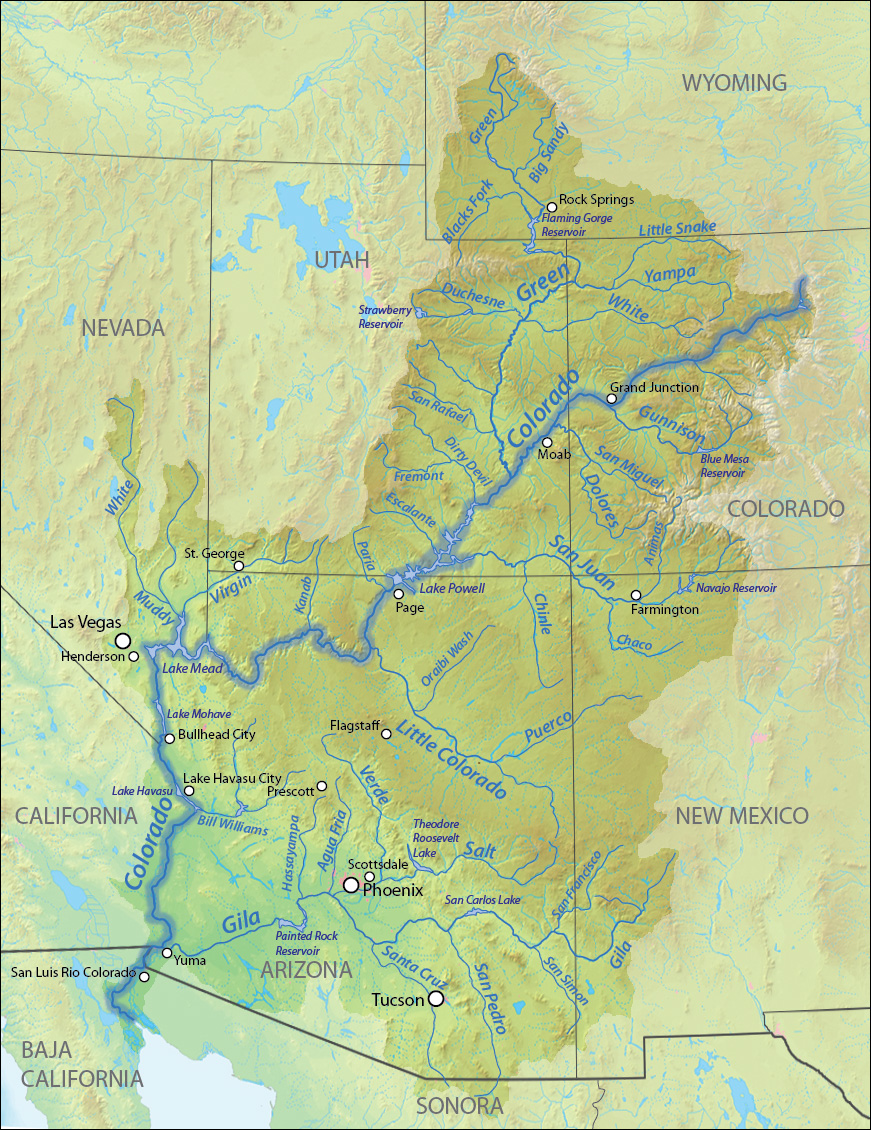
Exiting Colorado, the river enters Utah, where its character dramatically shifts. Here, the river carves through a vast high desert plateau, sculpting a landscape of iconic red rock formations, towering mesas, and deep canyons. This region is home to some of America’s most celebrated national parks and natural landmarks.
The area around Moab, Utah, is arguably one of the most stunning stretches along the entire river. Moab serves as the gateway to Arches National Park and Canyonlands National Park, where the Colorado River converges with the Green River. This confluence dramatically increases the river’s volume and power. For adventure travelers, Moab is a Mecca for whitewater rafting, rock climbing, hiking, and off-roading. Accommodation ranges from budget-friendly motels and campsites to upscale resorts like Sorrel River Ranch Resort & Spa, which offers a luxury travel experience with unparalleled views of the river and surrounding canyons. The tourism here is robust, catering to families, extreme sports enthusiasts, and those seeking awe-inspiring natural beauty.
III. The Lower Colorado: Carving Grand Landscapes
The lower half of the Colorado River’s journey is where it truly becomes a monumental force, creating some of the most famous natural and man-made landmarks on the continent.
A. The Majestic Grand Canyon
As the Colorado River flows into Arizona, it embarks on the most iconic part of its journey: carving the Grand Canyon. This immense chasm, now protected as Grand Canyon National Park, is a testament to millions of years of geological activity and the relentless erosive power of water. The river here plunges thousands of feet, revealing layers of Earth’s history in a kaleidoscope of colors.
Travelers to the Grand Canyon can experience the river in various ways. Rim trails offer breathtaking viewpoints, while strenuous hikes like the Bright Angel Trail or Hermit Trail lead adventurous souls to the river itself. Multi-day whitewater rafting trips through the Grand Canyon are epic, bucket-list experiences, immersing participants in unparalleled wilderness, often stopping at stunning oases like Havasu Falls and historical sites such as Phantom Ranch. Accommodation at the rim includes historic lodges, while inside the canyon, Phantom Ranch offers a rustic stay for hikers and rafters. This is truly a landmark destination, representing the pinnacle of natural tourism.
Further downstream, near the town of Page, Arizona, the river continues to shape extraordinary landscapes. Here, visitors can explore the slot canyons of Antelope Canyon or witness the breathtaking panorama of Horseshoe Bend, where the river makes a dramatic 270-degree turn. The area around Page provides ample hotels and vacation rentals, like The Lodge at Red River, catering to the influx of tourists drawn by these unique natural attractions.
B. Engineering Marvels and Desert Oases
Beyond the Grand Canyon, the Colorado River transitions into a heavily managed waterway, vital for urban centers and agriculture. The most famous example is the Hoover Dam, an engineering marvel completed in the 1930s that created Lake Mead. Lake Mead, one of the largest reservoirs in North America, provides water and hydroelectric power to millions in Nevada, Arizona, and California.
The area around Lake Mead offers numerous recreational opportunities, from boating and fishing to swimming and camping, making it a popular lifestyle destination for residents of nearby Las Vegas and other cities. For tourists, visiting the Hoover Dam provides a fascinating insight into human ingenuity and its profound impact on natural resources. Many hotels in Las Vegas, such as The Venetian Resort Las Vegas, offer tours to the dam, combining urban luxury with a touch of engineering marvel exploration.
C. The Final Stretch to the Sea
After Lake Mead, the Colorado River forms the border between Arizona and California, supplying water to major agricultural regions and urban areas. It then crosses the international border into Mexico, where, historically, it fanned out into a vast delta before emptying into the Gulf of California.
Today, due to extensive diversions for human consumption and agriculture, the river rarely reaches the sea as a continuous flow. The Colorado River Delta in Mexico is a critical ecological area, albeit one severely impacted by human activity. Efforts are underway to restore parts of the delta, highlighting the river’s ecological importance even in its final, diminished stages. While the travel experience here is less about pristine natural beauty and more about understanding human impact and conservation, it offers a different kind of tourism focused on environmental awareness and advocacy.
IV. Experiencing the Colorado River: Travel, Tourism, and Lifestyle
The Colorado River isn’t just a geographical feature; it’s a tapestry of experiences waiting to be discovered, catering to every travel preference and lifestyle.
A. Adventure and Exploration
For the adventure seeker, the Colorado River offers a playground of unparalleled excitement. Whitewater rafting trips, ranging from challenging Class V rapids in Gore Canyon to multi-day expeditions through the Grand Canyon, are iconic. Kayaking, stand-up paddleboarding, and jet skiing are popular on calmer sections and reservoirs like Lake Mead. Beyond the water, the surrounding national parks and monuments provide world-class hiking, mountain biking, rock climbing, and canyoneering. Destinations like Moab, Sedona (near tributaries), and the Grand Canyon offer a lifestyle of active exploration and outdoor thrills, with plenty of guides and outfitters to assist.
B. Serene Retreats and Luxury Stays
The beauty of the Colorado River also lends itself to more serene and luxurious travel experiences. Imagine staying at a high-end resort overlooking the river in Moab, enjoying spa treatments after a day of gentle hiking, or indulging in gourmet dining with a panoramic view of red rock landscapes. Boutique hotels and upscale vacation rentals are available in towns like Glenwood Springs or near Rocky Mountain National Park, offering exquisite amenities and personalized service. Many accommodations, like Amaryllis Lodge (a fictional example of a luxurious nature retreat), are designed to blend seamlessly with their natural surroundings, providing an immersive yet comfortable experience. For those seeking relaxation, the hot springs of Glenwood Springs provide a perfect haven for wellness tourism.
C. Sustainable Travel Along the River
Given the Colorado River’s critical status as a water source for the arid Southwest, sustainable travel and responsible tourism are paramount. Many tour operators and accommodations along the river are committed to eco-friendly practices, educating visitors about water conservation, ecological preservation, and minimizing environmental impact. Choosing these businesses supports the long-term health of the river and its surrounding ecosystems. Engaging in community-based tourism, learning about the indigenous cultures that have lived along the river for millennia, and supporting local economies also contribute to a more enriching and responsible travel lifestyle. From staying in eco-lodges to participating in conservation-focused tours, travelers can ensure their adventures contribute positively to the future of this vital waterway.

V. The Colorado River’s Enduring Legacy
From its unassuming source in La Poudre Pass Lake to its final, often dry, stretch before the Gulf of California, the Colorado River tells a story of geological grandeur, ecological significance, and human ingenuity. It’s a river that sustains cities, irrigates vast farmlands, and provides a backdrop for some of the most breathtaking adventures and serene retreats imaginable.
Understanding where the Colorado River starts is not just a geographical fact; it’s an invitation to embark on a journey of discovery. Whether you’re seeking adrenaline-pumping whitewater, a peaceful hike through ancient canyons, or a luxurious escape amidst stunning scenery, the Colorado River offers a diverse range of travel and lifestyle experiences. Its story is far from over, facing challenges like drought and increasing demand, yet its enduring power to inspire and support life remains as strong as the mountain springs that feed its beginnings. To truly appreciate this magnificent waterway, one must experience its journey, from the high Colorado Rockies to the sun-baked landscapes of Mexico, a testament to nature’s artistry and humanity’s ingenuity.
LifeOutOfTheBox is a participant in the Amazon Services LLC Associates Program, an affiliate advertising program designed to provide a means for sites to earn advertising fees by advertising and linking to Amazon.com. Amazon, the Amazon logo, AmazonSupply, and the AmazonSupply logo are trademarks of Amazon.com, Inc. or its affiliates. As an Amazon Associate we earn affiliate commissions from qualifying purchases.