
Connecticut, a captivating jewel in the heart of New England, offers a diverse tapestry of experiences for travelers and residents alike. From its charming coastal towns and historic landmarks to its vibrant cities and picturesque countryside, the state beckons with a unique blend of natural beauty, cultural richness, and economic opportunity. Whether you’re planning a luxurious escape, a budget-friendly family trip, or considering a new lifestyle, understanding the local economic landscape is paramount. Among the key factors influencing both personal budgets and the broader hospitality and tourism sectors is the state’s minimum wage. This figure not only impacts the earnings of countless service industry professionals—from hotel staff and restaurant servers to tour guides and retail associates—but also indirectly affects the cost of goods and services that travelers encounter.

For those venturing into Connecticut’s welcoming embrace, whether for a weekend getaway or an extended stay, comprehending the minimum wage provides a crucial context. It sheds light on the economic realities for a significant portion of the workforce, particularly those in the sectors that cater directly to visitors. For instance, the cost of a gourmet meal in Greenwich, a stay at a boutique hotel in Mystic, or an adventure exploring the Litchfield Hills can all be seen through the lens of local wages and the cost of doing business. This article delves into the specifics of Connecticut’s minimum wage, exploring its current status, historical progression, and future outlook, while also examining its profound implications for travel, accommodation, local tourism, and lifestyle decisions within this dynamic United States state.
Understanding Connecticut’s Minimum Wage Landscape
Connecticut has been at the forefront of states advocating for a higher minimum wage, recognizing its importance in supporting workers and stimulating local economies. The state’s commitment to ensuring a living wage is reflected in its structured approach to increasing the minimum pay floor, making it a critical piece of information for anyone engaging with Connecticut’s economic environment.
Current Rates and Recent Changes
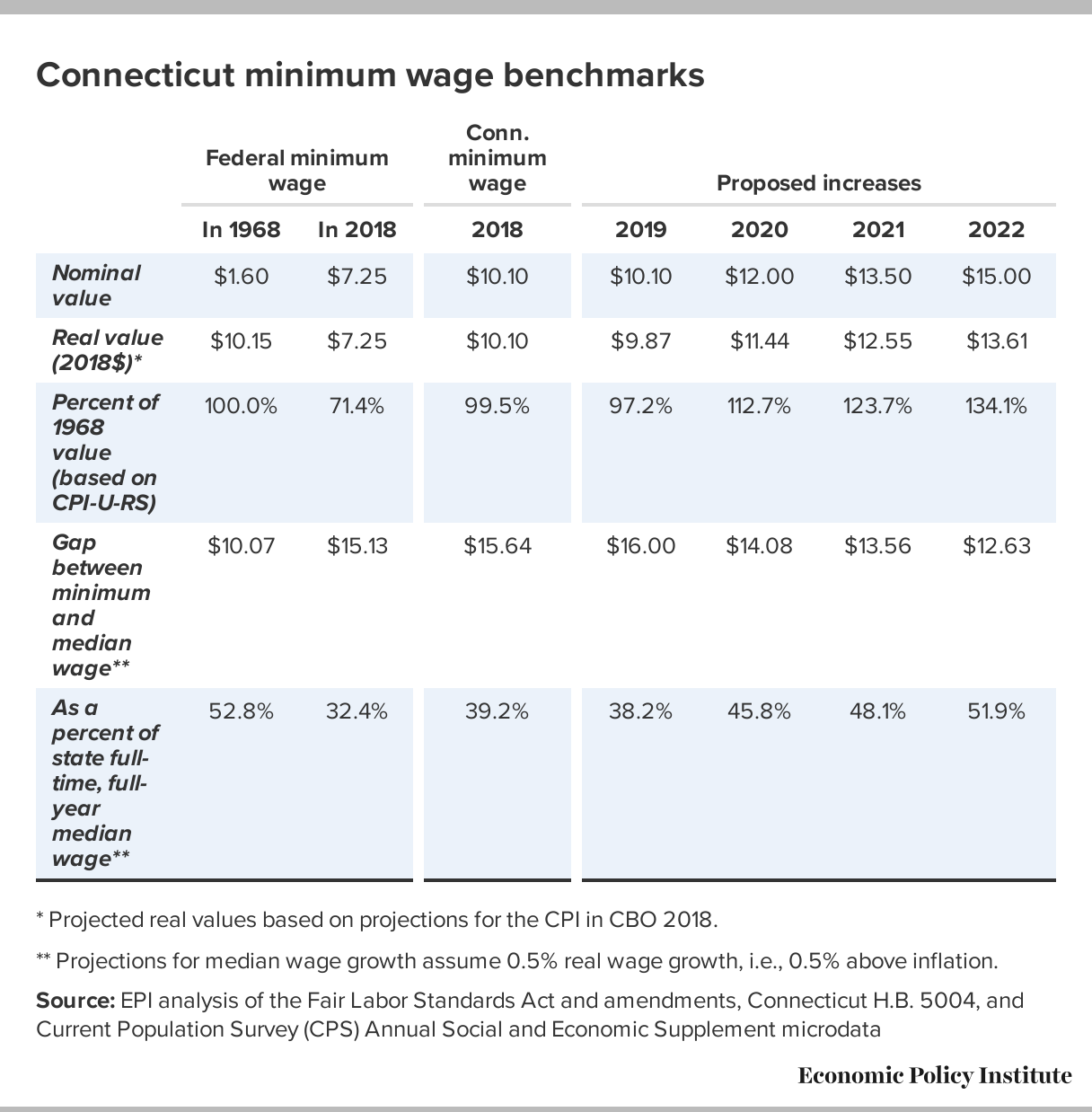
As of June 1, 2023, the minimum wage in Connecticut stands at $15.00 per hour. This milestone represents a significant increase over the past few years, part of a deliberate legislative effort to incrementally raise wages. The path to $15.00 per hour included several key steps:
- August 1, 2021: The minimum wage increased to $13.00 per hour.
- July 1, 2022: It further rose to $14.00 per hour.
- June 1, 2023: The current rate of $15.00 per hour took effect.
Looking ahead, Connecticut’s minimum wage is set to become even more dynamic. Starting January 1, 2024, the state’s minimum wage will be tied to the federal Employment Cost Index (ECI). This means that, unlike previous fixed increases, future adjustments will occur annually and be based on economic indicators, reflecting changes in the cost of labor. This progressive approach ensures that the minimum wage remains relevant and responsive to the broader economic climate, offering greater stability and predictability for both employees and businesses across the state, particularly those in the bustling hospitality sector.
Exemptions and Special Considerations
While the $15.00 per hour rate applies broadly, there are important nuances and exceptions that visitors and residents should be aware of, especially when considering employment or the structure of services they consume.
One of the most significant considerations pertains to tipped employees. In Connecticut, employers in the hotel and restaurant industries are permitted to claim a “tip credit,” meaning they can pay a lower direct hourly wage if an employee’s tips bring their total earnings up to at least the state minimum wage.
- For hotel and restaurant employees, the minimum cash wage (the direct wage paid by the employer) is currently $6.38 per hour.
- For bartenders, the minimum cash wage is $8.23 per hour.
This structure highlights the importance of tipping culture in Connecticut’s service industry, a common practice in many popular tourist destinations where visitors often interact with these workers.
Furthermore, certain categories of employees are exempt from the standard minimum wage regulations. These typically include:
- Executive, administrative, and professional employees who meet specific salary and duty tests.
- Outside salespeople.
- Agricultural employees (though they often have specific wage requirements).
- Certain part-time employees and employees in specific rehabilitation programs.
- There are also provisions for a youth minimum wage or training wage, which can be lower than the standard minimum for a limited period, often applying to employees under 18 or those in their first few months of employment.
Understanding these exemptions is crucial for businesses operating within Connecticut’s tourism and accommodation sectors, from the smallest bed-and-breakfasts in Essex to the grandest resorts like Mohegan Sun or Foxwoods Resort Casino in North Stonington. It also provides context for the discerning traveler, offering insight into the economic framework that supports their travel experiences.
Navigating Connecticut on a Budget: Lifestyle and Travel Implications
The minimum wage, while seemingly a simple numerical value, profoundly influences the cost of living and the feasibility of various travel and lifestyle choices within Connecticut. For budget-conscious travelers and those considering a move, understanding this link is vital.
For the Traveler: Budgeting for Your Connecticut Getaway
Planning a trip to Connecticut involves budgeting for accommodation, dining, attractions, and transportation. The state’s minimum wage indirectly contributes to these costs. Higher wages for hospitality staff, while beneficial for employees, can sometimes translate into slightly higher prices for services at hotels, restaurants, and various tourist experiences. However, this is often balanced by the overall quality of service and the unique offerings of the state.
When budgeting for a trip, consider:
- Accommodation: Connecticut boasts a wide range of lodging options, from luxury resorts along the Atlantic Ocean coastline to charming inns in historical towns like Old Saybrook, and budget-friendly motels near major interstates. The cost of labor for hotel staff, from front desk to housekeeping, is factored into room rates. Travelers can find value by exploring options like vacation rentals, often offering more space and kitchen facilities, or by booking during off-peak seasons. Cities like Hartford, New Haven, and Stamford offer diverse hotel landscapes catering to both business and leisure travelers.
- Dining: Connecticut’s culinary scene ranges from fresh seafood shacks on the Long Island Sound to upscale dining establishments. With tipped wages for servers and bartenders, dining out includes the expectation of gratuity. Budget travelers can opt for local diners, food trucks, or prepare some meals in accommodations with kitchenettes to save on costs. Exploring local markets also offers a taste of Connecticut’s fresh produce and artisan goods.
- Attractions: Many of Connecticut’s natural landmarks, such as Hammonasset Beach State Park in Madison or Rocky Neck State Park, offer affordable access. Historic sites like Mystic Seaport or the Gillette Castle State Park typically have entrance fees, which contribute to the upkeep of the sites and the salaries of their staff. Researching free activities, like exploring the charming main streets of towns or visiting free museums on specific days, can significantly cut down expenses.
For Hospitality Workers: Opportunities and Earnings
For individuals working or considering a career in Connecticut’s robust tourism and hospitality industry, the state’s minimum wage is a direct indicator of potential earnings. From seasonal jobs at coastal resorts to year-round positions in city hotels, the minimum wage sets a baseline for entry-level and service-oriented roles.
The incremental increases to $15.00 per hour, and future adjustments based on the ECI, aim to provide workers with more disposable income. This can significantly impact their quality of life, allowing them to better afford housing, transportation, and daily expenses in a state known for its relatively high cost of living, especially in areas like Fairfield County.
For tipped employees, while their direct wage might be lower, the combination of tips and their hourly rate is guaranteed to meet or exceed the state minimum wage. This structure can provide a substantial income for those in busy restaurants, bars, or hotel service roles, especially in popular tourist destinations. Understanding these wage details is crucial for anyone looking to enter or advance within Connecticut’s diverse employment landscape, particularly in roles that directly support the state’s vibrant travel and tourism economy.
Exploring Connecticut’s Charms: Where Value Meets Experience
Connecticut’s minimum wage framework contributes to a certain economic environment, influencing everything from the labor market to the pricing of goods and services. Yet, the state remains an incredibly accessible and rewarding destination, offering a wide array of experiences for every budget.
Top Attractions and Their Accessibility
Connecticut is rich with attractions that cater to varied interests, and many offer excellent value for money, even within the context of the state’s wage structure.
- Cultural Hubs: Cities like Hartford boast the Wadsworth Atheneum Museum of Art, The Mark Twain House & Museum, and The Harriet Beecher Stowe Center, offering deep dives into art and literary history. These attractions often have admission fees that support their operations and staff.
- Coastal Delights: The shoreline is dotted with gems like Mystic Aquarium and the aforementioned Mystic Seaport Museum, which provide educational and entertaining experiences. New London offers maritime history, while beaches like Westport’s Compo Beach provide relaxation.
- Natural Wonders: Inland, the Litchfield Hills offer stunning fall foliage, hiking trails, and picturesque towns like Kent, home to Kent Falls State Park. Many state parks and forests offer free or low-cost entry, making them ideal for budget travelers.
- Unique Experiences: The Essex Steam Train and Riverboat offers a nostalgic journey through the Connecticut River Valley, providing a memorable experience that justifies its ticket price.
Travelers can strategically plan visits during off-peak hours or seasons to potentially find lower rates for some attractions or less crowded experiences. Utilizing city passes or bundled tickets can also offer savings, making these rich experiences more accessible.
Accommodation Choices for Every Budget
The accommodation landscape in Connecticut is as varied as its geography, offering something for every preference and budget, with pricing influenced by local labor costs among other factors.
- Luxury and Resorts: For those seeking an opulent experience, Connecticut has upscale hotels and resorts, particularly in areas like Greenwich or within the casino complexes like Mohegan Sun and Foxwoods Resort Casino. These establishments, with their extensive amenities and high levels of service, reflect the premium paid for skilled staff and exceptional guest experiences.
- Mid-Range and Boutique Hotels: In cities like New Haven, Hartford, and Norwalk, a plethora of mid-range hotel brands and charming boutique hotels cater to business travelers and tourists. These often strike a balance between comfort, convenience, and cost.
- Budget-Friendly Options: For travelers focused on affordability, numerous motels and economy hotels are available, especially along major roadways and near commercial centers. Additionally, vacation rentals (apartments, homes, or even glamping sites) can offer significant value, particularly for longer stays or larger groups, by providing cooking facilities and a more local lifestyle experience.
- Unique Stays: Bed-and-breakfasts in historic districts, charming inns in rural Connecticut towns, and even campsites in state parks offer distinct accommodation experiences that might align better with specific budget or lifestyle preferences.
When booking accommodation, it’s always wise to compare prices across different platforms, consider booking directly with hotels for potential perks, and look for packages that might include attractions or dining. Understanding the minimum wage context helps in appreciating the value behind the services provided by the dedicated individuals who ensure a comfortable and memorable stay for every guest.
Economic Impact and Future Outlook
The minimum wage is not just a number on a pay stub; it’s a dynamic economic tool that influences everything from consumer spending and business profitability to overall tourism appeal and local lifestyle choices.
The Broader Picture: How Wage Affects Local Tourism and Economy
A higher minimum wage in Connecticut has several ripple effects throughout the local tourism and economy. On one hand, it means that workers in the hospitality sector have more money to spend, which can boost local businesses, including restaurants, shops, and other attractions within their own communities. This increased purchasing power can create a virtuous cycle, strengthening local economies.
For businesses, particularly small and independent operators in popular tourist towns, adjusting to higher labor costs can be challenging. Some might need to slightly increase prices for their services or products, while others might seek efficiencies or innovative business models. However, the state’s gradual approach to wage increases, culminating in the ECI-tied adjustments, aims to provide businesses with predictability and time to adapt, mitigating sudden shocks.
From a lifestyle perspective, a robust minimum wage can contribute to a more stable workforce and a higher quality of service. Employees who feel fairly compensated are often more engaged and motivated, which directly benefits the visitor experience. When travelers encounter friendly, knowledgeable staff in hotels, restaurants, and at attractions, it enhances their overall impression of Connecticut as a welcoming and vibrant destination.
Planning Your Connecticut Experience
For anyone planning a visit or considering a move to Connecticut, understanding the minimum wage offers a deeper insight into the state’s economic fabric. It provides a lens through which to view the cost of living, the value of services, and the daily lives of the people who make Connecticut such a special place.
When making travel plans, consider:
- Budgeting Realistically: Factor in potential costs for dining and entertainment, understanding that service workers are paid a fair wage, sometimes supported by tips.
- Supporting Local: By engaging with local businesses, from small artisan shops to family-run restaurants, you are directly contributing to the local economy and supporting the individuals who benefit from these wages.
- Exploring Diverse Options: Connecticut’s beauty lies in its diversity. Whether you’re seeking luxury accommodations or budget-friendly adventures, there are options to suit every preference, all operating within the state’s economic framework.
In conclusion, Connecticut’s minimum wage policy reflects a commitment to supporting its workforce, a strategy that ultimately contributes to the overall vibrancy and sustainability of its communities and its thriving tourism industry. By understanding these economic underpinnings, visitors and prospective residents can better appreciate the value and experiences that await them in this charming New England state. From the bustling streets of Bridgeport to the serene landscapes of the Litchfield Hills, Connecticut continues to offer a compelling blend of history, culture, and modern appeal, all framed by a progressive economic outlook.
LifeOutOfTheBox is a participant in the Amazon Services LLC Associates Program, an affiliate advertising program designed to provide a means for sites to earn advertising fees by advertising and linking to Amazon.com. Amazon, the Amazon logo, AmazonSupply, and the AmazonSupply logo are trademarks of Amazon.com, Inc. or its affiliates. As an Amazon Associate we earn affiliate commissions from qualifying purchases.