
When planning a trip or considering a relocation, understanding the local tax structure is often a crucial, albeit less glamorous, part of the research. For those eyeing the vast landscapes and iconic landmarks of South Dakota, a common question arises: “Does South Dakota have a state tax?” The simple answer, which often delights prospective residents and business owners alike, is no – South Dakota does not impose a state income tax on its residents or their earnings. This unique fiscal environment sets it apart from many other states in the United States and significantly impacts everything from personal finances to the overall cost of a vacation.
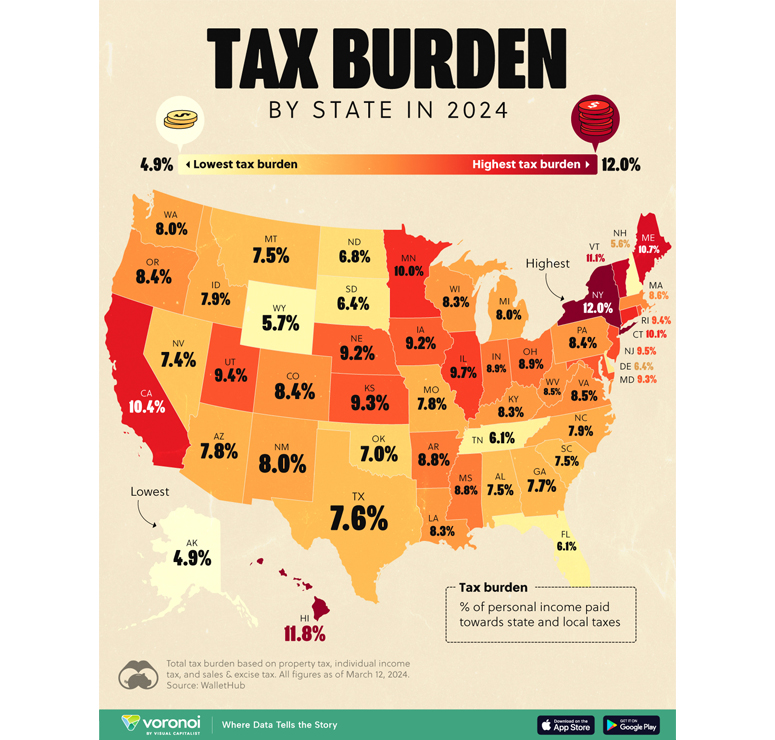
However, the absence of a state income tax does not mean the state is tax-free. Like all states, South Dakota generates revenue through other means, primarily relying on sales tax, property tax, and various excise taxes. For travelers, understanding these other taxes is particularly important, as they will undoubtedly encounter them during their stay, affecting the cost of everything from hotel accommodations and dining experiences to souvenirs and fuel. This comprehensive guide will delve into South Dakota’s tax landscape, outlining what visitors and potential residents need to know, and demonstrating how this backdrop shapes the travel, tourism, and lifestyle experience in this captivating Midwestern state.
South Dakota’s Tax Landscape: What Visitors and Residents Need to Know
The tax environment in South Dakota is distinctive, largely defined by the absence of a state income tax. This policy decision has broad implications, influencing the state’s economy, attracting specific demographics, and shaping the cost of living and traveling within its borders. While the allure of zero income tax is significant, it’s essential to understand the other tax mechanisms in place to gain a full picture.
No State Income Tax: A Fiscal Advantage for Residents and a Draw for Businesses
The most prominent feature of South Dakota’s tax system is the complete absence of a state income tax. This means individuals residing in South Dakota do not pay state taxes on their wages, salaries, investment income, or retirement income. This policy is a major draw for retirees looking to maximize their pension benefits and Social Security, as well as for professionals and entrepreneurs seeking a more fiscally conservative environment. For families, the ability to retain a larger portion of their earnings can significantly impact their budget and overall quality of life, potentially freeing up funds for travel, investments, or daily expenses.
From a business perspective, the lack of state income tax can also be an incentive for companies considering relocation or expansion, particularly those in industries that rely heavily on human capital or are sensitive to tax burdens. While businesses still face other taxes, the absence of this major levy contributes to an attractive economic climate that can foster growth and job creation. For long-term visitors or those considering a permanent move, this aspect of South Dakota’s financial structure is a compelling factor, directly aligning with discussions around budget travel, family trips, and long-term accommodation considerations. It’s a state where personal income goes further, offering a unique lifestyle advantage.
Understanding Sales Tax in the Mount Rushmore State
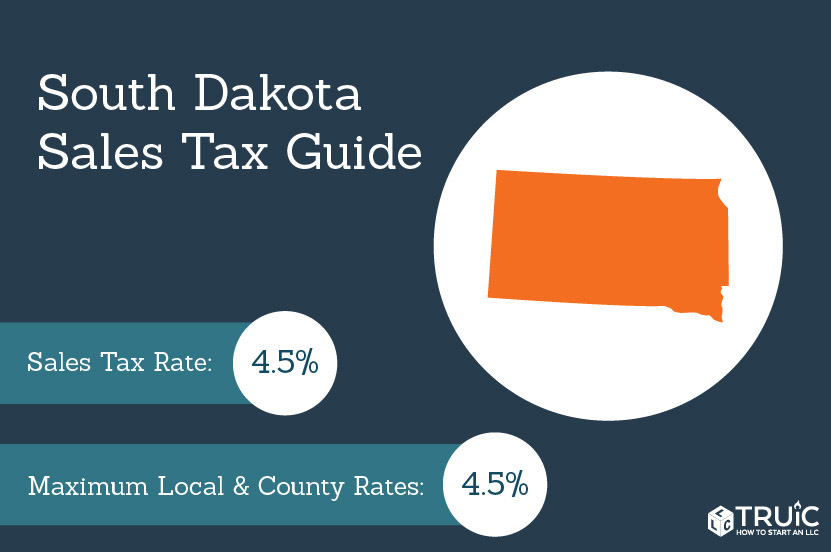
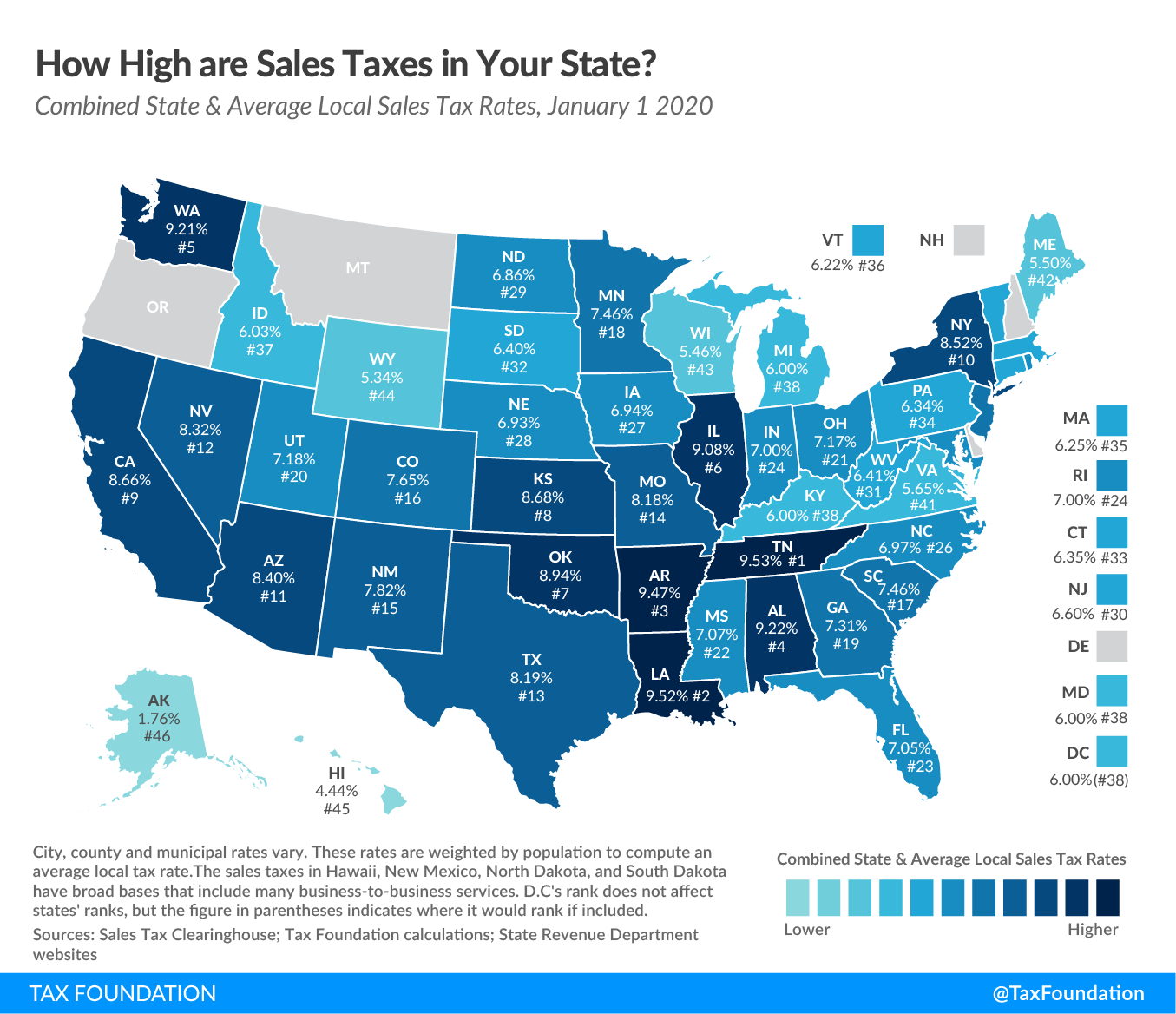
While personal income remains untaxed at the state level, consumers in South Dakota will encounter sales tax on most goods and services. The statewide sales tax rate is currently 4.5%. However, this is just the baseline. Many cities and counties impose their own local sales taxes, which can significantly increase the total amount. For instance, some municipalities levy an additional sales tax of up to 2%, bringing the combined rate to 6.5% or even higher in certain areas. Furthermore, several communities impose a municipal sales tax specifically for tourism promotion, often referred to as a “tourism tax” or “bed tax,” which applies to lodging and sometimes other visitor-centric services.
For travelers, this means that the price displayed for a meal at a restaurant, a souvenir purchase, or a night’s stay at a hotel or resort will have additional sales and tourism taxes added at the point of sale. These taxes are crucial for funding local infrastructure, public services, and tourism initiatives that directly enhance the visitor experience, from maintaining roads to supporting local attractions. When budgeting for a trip to South Dakota, it’s wise to factor in these additional percentages, especially for accommodation and dining, to avoid any surprises. Understanding these local nuances ensures a smoother financial experience and a clearer picture of your overall travel expenses, whether you’re staying in a luxurious suite in Sioux Falls or a cozy cabin near Custer State Park.
Other Taxes Affecting Travelers and Investors
Beyond sales tax, several other taxes contribute to South Dakota’s revenue streams and can impact both travelers and those considering longer stays or property investments. Property tax is a significant component of local government funding. While there is no state property tax, local governments (counties, municipalities, school districts) assess property taxes based on the appraised value of real estate. For individuals contemplating purchasing a vacation home, a long-term rental, or even a retirement property in South Dakota, understanding these local property tax rates is essential for financial planning. The rates can vary considerably depending on the location, with urban areas generally having different assessments than rural ones.
Travelers will also encounter excise taxes on specific goods and services. For example, fuel taxes contribute to road maintenance and infrastructure development, impacting the cost of gasoline for those exploring the state’s scenic byways. Alcohol and tobacco products also carry excise taxes. Most directly relevant to visitors, however, are hotel occupancy taxes. These taxes are typically levied by local jurisdictions in addition to the standard sales tax on lodging, specifically designed to generate revenue from tourists to fund local amenities and tourism marketing efforts. These rates can vary widely from city to city, often being higher in popular tourist destinations such as Rapid City, Deadwood, or near the Black Hills attractions. When booking hotels, suites, or vacation apartments, it’s always advisable to check the total price, including all taxes and fees, to accurately estimate your accommodation budget. While seemingly small, these accumulated taxes underscore how South Dakota manages to thrive without a state income tax, making it an intriguing case study for both fiscal policy and sustainable tourism.
Beyond Taxes: Exploring South Dakota’s Unforgettable Attractions
While understanding South Dakota’s tax structure provides valuable context for financial planning, it’s the state’s incredible natural beauty, rich history, and vibrant culture that truly draw millions of visitors each year. The diverse landscapes, from the sculpted badlands to the lush Black Hills, offer a plethora of experiences that cater to every type of traveler, whether seeking adventure, relaxation, or historical immersion. The savings from the lack of a state income tax for residents, or the manageable sales tax for visitors, can be seen as an investment in exploring these truly unforgettable destinations.
Iconic Landmarks and Natural Wonders
South Dakota is home to some of the most recognizable landmarks in the United States, making it a bucket-list destination for many. The monumental Mount Rushmore National Memorial, featuring the sculpted faces of four U.S. presidents, is undeniably the state’s most famous attraction. Visitors can explore the Presidential Trail, learn about the monument’s history, and reflect on its incredible scale. Just a short drive away, the Crazy Horse Memorial stands as another testament to monumental sculpture, dedicated to the Oglala Lakota warrior. This ongoing project offers a powerful cultural experience and insight into Native American heritage.
Beyond these man-made marvels, South Dakota’s natural landscapes are equally breathtaking. Badlands National Park presents a surreal panorama of sharply eroded buttes, pinnacles, and spires, alongside the largest undisturbed mixed-grass prairie in the United States. It’s a prime spot for hiking, wildlife viewing (including bison and bighorn sheep), and stargazing. Nearby, Custer State Park, often lauded as one of the nation’s best state parks, boasts granite peaks, pristine lakes, and an impressive buffalo herd that often causes delightful traffic jams on its Wildlife Loop Road. The park is also home to the scenic Needles Highway and the historic Sylvan Lake, offering endless opportunities for hiking, rock climbing, and fishing.
The encompassing Black Hills National Forest provides a verdant contrast to the badlands, offering dense forests, meandering streams, and hidden caves. Within this forest lies Wind Cave National Park, famous for its unique boxwork formations and being one of the world’s longest and most complex caves. Above ground, the park protects a significant portion of the mixed-grass prairie ecosystem, home to bison, elk, and prairie dogs. These landmarks collectively offer unparalleled travel experiences, blending history, adventure, and the serene beauty of nature, truly cementing South Dakota’s status as a premier travel destination.
Historic Cities and Cultural Experiences
South Dakota’s allure extends beyond its natural and monumental wonders to its vibrant cities and towns, each offering a distinct flavor of local culture and history. Rapid City, often called the “Gateway to the Black Hills,” serves as an excellent base for exploring the region’s famous attractions. The city itself features the “City of Presidents” statues downtown, diverse dining options, and cultural venues like the Journey Museum & Learning Center. It provides a comfortable blend of urban amenities and easy access to wilderness adventures, making it ideal for family trips and those seeking comprehensive travel experiences.
Further west, the legendary town of Deadwood transports visitors back to the Wild West era. A National Historic Landmark, Deadwood was once a lawless gold rush town where figures like Wild Bill Hickok and Calamity Jane made history. Today, it retains its historic charm with period architecture, legal gambling, historic re-enactments, and museums that tell tales of its colorful past. A visit here is more than just sightseeing; it’s an immersive experience into a pivotal time in American history, offering unique activities from casino resorts to historical tours.
On the eastern side of the state, Sioux Falls stands as South Dakota’s largest city and a hub of commerce and culture. The city’s namesake, Falls Park, showcases a series of beautiful waterfalls on the Big Sioux River, offering picturesque views and walking trails. Sioux Falls boasts a thriving arts scene, diverse culinary options, boutique shopping, and family-friendly attractions like the Great Plains Zoo & Delbridge Museum of Natural History. It’s a testament to urban development harmonizing with natural beauty, providing a different perspective on South Dakota’s appeal.
Even smaller towns contribute to the state’s charm. Wall, famous for the iconic Wall Drug Store, offers a quirky roadside attraction that has grown from a small drugstore into a sprawling complex of shops, eateries, and entertainment. This blend of historic towns and cultural highlights ensures that visitors to South Dakota can craft an itinerary that is as rich in human history and local flavor as it is in natural grandeur.
Planning Your South Dakota Getaway: Accommodation and Lifestyle Choices
Planning a trip to South Dakota involves more than just mapping out attractions; it also means selecting the right accommodation and embracing the diverse lifestyle offerings that align with your travel philosophy. From luxury resorts to rustic campgrounds, the state caters to a wide spectrum of preferences and budgets, ensuring that every visitor finds their perfect base for exploration.
Diverse Accommodation Options for Every Traveler
South Dakota’s commitment to tourism is reflected in its extensive range of accommodation options. For those seeking comfort and amenities, cities like Rapid City and Sioux Falls offer numerous hotels, from internationally recognized chains to charming boutique hotels. These often come with modern amenities like pools, fitness centers, and business facilities, suitable for both leisure and business stays. Travelers can find everything from luxurious suites with panoramic views to more budget-friendly rooms, catering to various travel styles, including family trips, solo adventures, or couples’ getaways. Online booking platforms and reviews are invaluable tools for comparing options and securing the best deals.
Within the Black Hills region and near major attractions, visitors can discover unique lodging experiences. Custer State Park, for instance, offers historic lodges such as the Sylvan Lake Lodge and the State Game Lodge, providing an immersive experience within the park’s stunning natural environment. These resorts offer a blend of rustic charm and modern comforts, perfect for those who want to be steps away from hiking trails and wildlife. For a more independent experience, vacation rentals, including apartments, cabins, and villas, are available, particularly in popular areas, offering more space, privacy, and kitchen facilities – ideal for longer stays or larger groups.
For the budget-conscious traveler or those who prefer to connect more closely with nature, South Dakota boasts numerous campgrounds and RV parks, especially within its state parks and national forests. These options provide an affordable way to enjoy the great outdoors, whether you’re pitching a tent or traveling in a recreational vehicle. From five-star resorts to cozy campsites, the variety ensures that every visitor can find accommodation that perfectly suits their needs, enhancing their overall travel experience in this remarkable state.
Embracing the South Dakota Lifestyle: From Adventure to Relaxation
The lifestyle in South Dakota, particularly for visitors, is largely defined by its connection to the outdoors, its rich history, and a relaxed, welcoming atmosphere. Travelers can tailor their experiences to match their desired pace and interests, making for truly personalized adventures. For adventure seekers, the state is an outdoor playground. The Black Hills offer extensive opportunities for hiking, mountain biking, and rock climbing, with trails ranging from easy strolls to challenging ascents. Water sports enthusiasts can enjoy fishing, kayaking, and boating on the numerous lakes and rivers, including sections of the majestic Missouri River. Wildlife viewing is a popular activity, especially in parks like Custer State Park and Badlands National Park, where bison, elk, and bighorn sheep roam freely. Winter sports, including skiing and snowboarding, are also available in areas like Terry Peak.
For those seeking a more relaxed pace, South Dakota offers scenic drives, historical tours, and cultural immersions. The Peter Norbeck Scenic Byway, for instance, winds through the Black Hills, offering stunning vistas and access to Mount Rushmore and Custer State Park. Exploring the art galleries and local cuisine in Sioux Falls or delving into the Wild West history of Deadwood provides a different kind of enrichment. The state is also known for its vibrant local culture, with rodeos, Native American powwows, and various festivals occurring throughout the year, offering authentic local experiences and tips for travelers. Whether you’re planning a luxury travel escape with spa treatments at a resort, a budget travel camping trip under starry skies, or a family trip packed with educational adventures, South Dakota’s diverse lifestyle options promise a memorable and enriching journey.
In conclusion, while South Dakota proudly stands as one of the few states without a state income tax, it’s far from being tax-free. Visitors and residents will encounter a statewide sales tax, varying local sales and tourism taxes, and property taxes for homeowners. These revenue streams enable the state to maintain its infrastructure and promote the very attractions that draw people to its borders. Understanding this financial framework allows for better planning, ensuring that a trip to this magnificent state is as enjoyable as it is financially predictable. Beyond the numbers, South Dakota offers an unparalleled blend of iconic landmarks, breathtaking natural beauty, and rich historical experiences. From the majestic faces of Mount Rushmore to the otherworldly landscapes of Badlands National Park and the vibrant culture of Sioux Falls, the state promises diverse travel experiences and accommodation choices for every preference and budget. Whether you’re seeking adventure in the Black Hills or a peaceful retreat by a pristine lake, South Dakota’s unique fiscal environment only adds to its appeal as a premier destination in the United States.
LifeOutOfTheBox is a participant in the Amazon Services LLC Associates Program, an affiliate advertising program designed to provide a means for sites to earn advertising fees by advertising and linking to Amazon.com. Amazon, the Amazon logo, AmazonSupply, and the AmazonSupply logo are trademarks of Amazon.com, Inc. or its affiliates. As an Amazon Associate we earn affiliate commissions from qualifying purchases.