
Embarking on a journey across the diverse landscapes of the United States often involves more than just packing the right gear; it also requires an understanding of the subtle nuances that can impact your itinerary, such as time zones. For travelers setting their sights on the captivating state of South Dakota, this becomes particularly relevant, as this Midwestern gem straddles two distinct time zones. From the rolling prairies of the east to the rugged beauty of the Black Hills in the west, navigating the temporal divide is key to a seamless and enjoyable travel experience.
South Dakota is a land of contrasts, renowned for its majestic Badlands National Park, the iconic Mount Rushmore National Memorial, and a rich tapestry of Native American culture. As a premier travel destination, it offers everything from adrenaline-pumping outdoor activities to serene historical tours. However, a common question arises for visitors planning their adventures: “What is South Dakota time zone?” The answer, as intriguing as the state itself, is not a simple one. South Dakota operates under both Central Standard Time (CST) and Mountain Standard Time (MST), a division that bisects the state and shapes the rhythm of daily life and tourism alike. Understanding this geographical and temporal split is not merely a matter of setting your watch; it’s fundamental to optimizing your accommodation bookings, scheduling attraction visits, and fully immersing yourself in the local culture. This guide will delve into the specifics of South Dakota’s time zones, offering insights and practical tips for every kind of traveler, whether you’re planning a luxury escape, a budget-friendly family trip, or a business stay in the Great Plains.
Decoding South Dakota’s Dual Time Zones
The reason South Dakota observes two different time zones is rooted in geographical convenience and the historical development of standard time across the United States. The federal law dictates that the US Department of Transportation is responsible for setting time zone boundaries, generally following lines of longitude but often adjusted to accommodate state borders, economic ties, and community preferences. For South Dakota, this has resulted in a division that essentially splits the state into eastern and western halves, each adhering to a different time standard.
Central Time Zone (CST): The Eastern Stretch
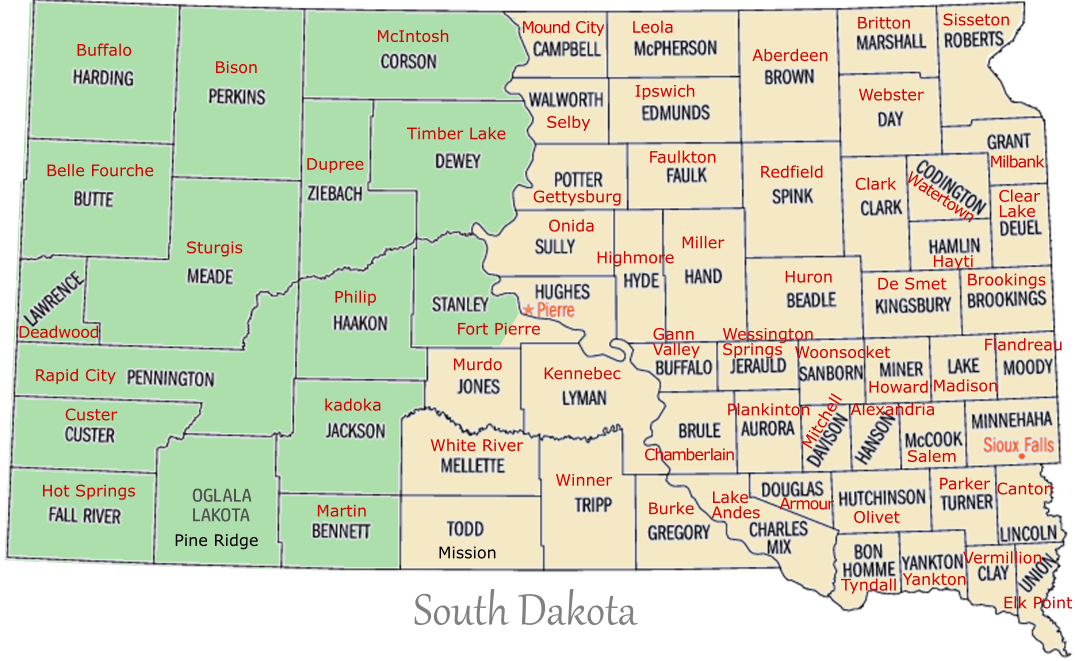
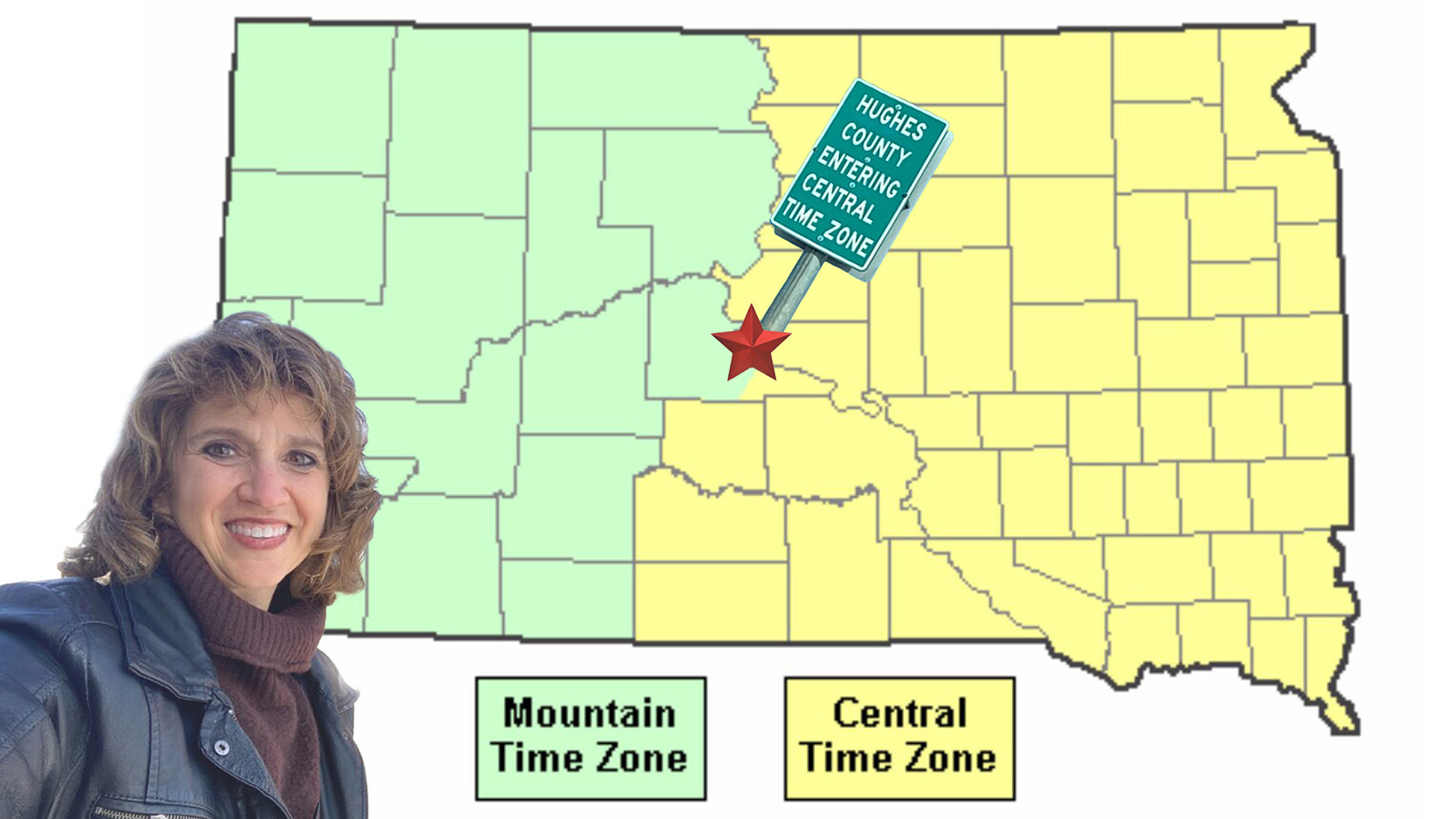
The majority of South Dakota’s land area, including its most populous city, Sioux Falls, falls within the Central Time Zone (CT), which observes Central Standard Time (CST) during the winter months (UTC-6) and Central Daylight Time (CDT) during Daylight Saving Time (UTC-5). This eastern portion of the state aligns with many other Midwestern states and is bustling with vibrant city life, productive farmlands, and cultural attractions. Cities like Mitchell, home to the famous World’s Only Corn Palace, and the state capital, Pierre, also operate on Central Time. If your travel guide focuses on destinations east of the Missouri River, you’ll primarily be operating on this schedule. This can be particularly beneficial for travelers arriving from eastern US cities like Chicago, experiencing minimal time adjustment.
Mountain Time Zone (MST): The Western Frontier
As you venture westward into the rugged terrain that defines South Dakota’s more adventurous side, you’ll cross into the Mountain Time Zone (MT). This zone observes Mountain Standard Time (MST) in winter (UTC-7) and Mountain Daylight Time (MDT) during Daylight Saving Time (UTC-6). This is where you’ll find some of the state’s most iconic landmarks and breathtaking natural beauty, including the Black Hills National Forest, Badlands National Park, and Mount Rushmore National Memorial. Rapid City, often considered the gateway to the Black Hills, is firmly in the Mountain Time Zone, as are popular tourist towns like Deadwood, Custer, and Sturgis. For travelers arriving from western states or cities like Denver, this time zone will feel more familiar, offering a consistent schedule for exploring the region’s attractions and resorts.
The Invisible Divide: Where the Zones Meet
The boundary between Central Time and Mountain Time in South Dakota is not a perfectly straight line, but it generally follows a path west of the Missouri River, specifically along the western borders of certain counties. Most of the counties that border the Missouri River on its west bank, such as Lyman and Stanley, observe Central Time, making the state capital, Pierre, one of the few capitals split by a time zone in the United States. However, head further west into counties like Jones or Haakon, and you’ll officially be in Mountain Time. This intricate boundary necessitates careful planning, especially if your travel itinerary involves crossing back and forth between the two zones in a single day, perhaps driving from Pierre to Badlands National Park or vice versa. Digital devices like smartphones typically adjust automatically, but it’s always wise to double-check local times, especially for fixed appointments like restaurant reservations or scheduled tours.
Navigating Time Zones as a South Dakota Traveler
For any visitor, understanding the time zone dynamics of South Dakota is more than just an interesting fact; it’s a practical necessity that can significantly impact the flow and enjoyment of your trip. Whether you’re an international guest or a domestic tourist, being aware of the time change will prevent missed appointments, ensure smooth transitions, and help you maximize your vacation time.
Planning Your Itinerary: Essential Considerations
When crafting your South Dakota travel guide, think of the time zones as another layer of geographical planning. If your flight lands in Sioux Falls (CST) but your primary destination is Rapid City (MST), remember you’ll effectively “gain” an hour upon arrival in Rapid City if you’re coming from the east, or “lose” an hour if you’re returning to Sioux Falls from the west. This hour can make a big difference, especially for early morning excursions or catching evening events. For example, a sunrise visit to Mount Rushmore from Rapid City will be an hour earlier by the clock than a similar experience near Sioux Falls. Consider this when scheduling connecting flights, arranging car rentals, or estimating travel times between major hubs. Detailed travel maps and a reliable GPS will often indicate time zone boundaries, aiding your navigation.
Accommodation and Activities: Timing is Everything
Hotel check-in and check-out times, scheduled tours of landmarks, and even dining reservations are all dictated by the local time zone. When booking hotels or resorts in South Dakota, always confirm the local time of the establishment. A hotel in Wall, just west of the time zone line, operates on Mountain Time, while one slightly east may still be on Central Time. The same applies to attractions. If you plan to visit Wall Drug Store (MST) and then drive to the Mitchell Corn Palace (CST), remember that you’ll lose an hour of daylight upon crossing the time zone. This is crucial for maximizing your time at popular spots and for ensuring you arrive at your accommodation within their designated check-in window. Families on family trips especially need to factor this in, as schedule disruptions can affect little ones. For business travelers, conference call schedules and meeting times need careful verification to avoid confusion with colleagues in different parts of the state or country.
A Seamless Journey: Tips for Crossing the Divide
To ensure a hassle-free journey across South Dakota’s time zones, keep these tips in mind:
- Reliance on Smart Devices: Most smartphones and GPS systems automatically update to the local time zone, which is generally reliable. However, it’s always good to have a traditional watch set to your destination’s time or to confirm with a local if you’re unsure.
- Check Official Websites: Always cross-reference opening hours for attractions, restaurants, and museums with their official websites, which will typically list times in the local zone.
- Buffer Time: When planning travel across the time zone boundary, build in an extra hour of buffer time. This will account for the time change and any unexpected delays, ensuring you arrive relaxed and on schedule.
- Inform Others: If you’re communicating with people in different time zones within South Dakota, clearly state the time zone for any agreed-upon meeting or call. E.g., “Let’s meet at 9 AM MST” or “The event starts at 10 AM CST.”
- Daylight Saving Time: Both Central Time and Mountain Time observe Daylight Saving Time, meaning clocks spring forward in March and fall back in November. While this won’t change the relative difference between the two zones, it’s an important seasonal adjustment to be aware of.
Iconic Destinations and Their Time Zone Affiliations
South Dakota is home to an incredible array of attractions, each with its unique charm and historical significance. Knowing which time zone these fall into can enhance your travel itinerary and ensure you make the most of your visit.
Eastern Wonders: CST Highlights
The eastern part of South Dakota, operating on Central Time, is characterized by its vibrant cities and rich agricultural heritage.
- Sioux Falls: As the state’s largest city, Sioux Falls is a hub for dining, shopping, and culture. Falls Park, with its majestic waterfalls, is a must-visit, and the Washington Pavilion of Arts and Science offers engaging exhibits. Your hotel or apartment stay here will all run on CST.
- Mitchell: Famous for the World’s Only Corn Palace, an architectural marvel decorated entirely with corn and other grains, Mitchell offers a unique glimpse into South Dakota’s agrarian roots, all on CST.
- Pierre: The state capital, situated on the Missouri River, is primarily on Central Time. Visitors can explore the historic State Capitol building and enjoy the tranquility of Oahe Dam and Lake Oahe.
Western Adventures: MST Marvels
The western half of the state, dominated by the Black Hills and the Badlands, operates on Mountain Time and is a haven for nature lovers and history buffs.
- Rapid City: Known as the “Gateway to the Black Hills,” Rapid City is a perfect base for exploring nearby wonders. Its hotels, resorts, and attractions like Reptile Gardens and Storybook Island are all on MST.
- Mount Rushmore National Memorial: This iconic landmark, featuring the colossal carvings of four US presidents, is a quintessential South Dakota experience. Plan your visit on MST to witness the morning light illuminating the “Great Faces.”
- Badlands National Park: A stunning landscape of sharply eroded buttes and pinnacles, home to abundant wildlife, offers incredible hiking and photography opportunities. Park operations run on MST.
- Custer State Park: Renowned for its scenic drives, granite peaks, and large bison herds, this state park is an integral part of the Black Hills experience, all on Mountain Time.
- Deadwood: This historic gold rush town offers a step back in time with its Old West charm, casinos, and historical reenactments. All of Deadwood’s vibrant lifestyle operates on MST.
- Crazy Horse Memorial: Still under construction, this colossal mountain carving honors the Native American leader Crazy Horse and is another significant landmark operating on MST.
Beyond the Clock: Experiencing South Dakota’s Unique Charms
While time zones are important, they merely provide the framework for experiencing the true essence of South Dakota. This state offers a diverse range of experiences that cater to every lifestyle. From exploring the depths of Wind Cave National Park (MST) to tracing the steps of the Lewis and Clark Trail along the Missouri River (CST), the state’s natural wonders and historical sites are truly captivating. Accommodation options range from luxury suites and boutique hotels in Rapid City to quaint bed and breakfasts near Custer State Park, or modern apartments in Sioux Falls. Each offers unique amenities and opportunities to immerse yourself in the local rhythm. Whether you’re on a solo adventure seeking solitude in the Badlands or a family vacation exploring Mount Rushmore, the vibrancy of South Dakota transcends mere timekeeping.
Practical Implications for a Memorable South Dakota Experience
Understanding the intricacies of South Dakota’s dual time zones ultimately serves to enhance your overall travel experience, making it more organized, less stressful, and truly memorable.
Booking and Communication: Staying on Schedule
When making travel arrangements, always specify the time zone for flights, hotel bookings, and tour reservations. Most booking platforms will default to the local time of the destination, but confirming this explicitly can prevent any misunderstandings. For instance, if you’re booking a suite in a Rapid City resort from an Eastern Time Zone location, remember there’s a two-hour difference. Similarly, if you’re planning a multi-day trip that traverses the time zone boundary, consider the impact on any long-term stay accommodations or return flights. Clear communication with hosts, tour operators, and rental agencies about expected arrival or departure times, always referencing the local time zone, is a simple but effective way to ensure a smooth journey.
Lifestyle and Local Rhythm: Embracing the Pace
The difference in time zones can also subtly influence the local lifestyle and daily rhythm of communities. In the eastern CST part of the state, cities like Sioux Falls might feel more aligned with the bustling pace of the larger Midwest, with earlier sunrise and sunset times by the clock. In contrast, the western MST region often enjoys later sunsets, lending itself to longer evenings perfect for exploring national parks or enjoying the vibrant nightlife of Deadwood. Embracing these subtle shifts can enrich your experience, allowing you to appreciate the natural light and local routines of each area. Whether you’re seeking adventure tourism or a tranquil retreat, aligning your internal clock with the local time will make your visit more harmonious.

Daylight Saving Time: A Seasonal Adjustment
Both the Central Time Zone and the Mountain Time Zone in South Dakota observe Daylight Saving Time. This means that from early March to early November, clocks are advanced by one hour, shifting from CST to CDT (UTC-5) and from MST to MDT (UTC-6). While this seasonal change maintains the one-hour difference between the two zones, it’s an important factor to consider, particularly for those traveling during the spring or fall transitions. Always confirm if a quoted time is “Standard” or “Daylight” to avoid confusion, especially when planning activities that rely on specific daylight hours, such as hiking, photography, or enjoying the scenic drives through Custer State Park or the Badlands.
In conclusion, while the question “What is South Dakota time zone?” yields a dual answer, it should not be a deterrent to exploring this magnificent state. Instead, it adds another layer of intrigue and planning to your adventure. By being aware of the Central and Mountain Time divisions, and how they impact travel logistics, you can ensure your trip through South Dakota is as smooth, enjoyable, and memorable as the breathtaking landscapes and rich history it offers. So set your watch, plan your journey, and prepare to discover the diverse wonders of South Dakota, where every hour brings a new opportunity for discovery.
LifeOutOfTheBox is a participant in the Amazon Services LLC Associates Program, an affiliate advertising program designed to provide a means for sites to earn advertising fees by advertising and linking to Amazon.com. Amazon, the Amazon logo, AmazonSupply, and the AmazonSupply logo are trademarks of Amazon.com, Inc. or its affiliates. As an Amazon Associate we earn affiliate commissions from qualifying purchases.