
Detroit, often known as the Motor City, holds a unique and complex place in the tapestry of American history and urban development. Once the undisputed industrial heartland of the United States and a global symbol of innovation and prosperity, the city experienced a dramatic decline in the latter half of the 20th century, culminating in its infamous municipal bankruptcy in 2013. For decades, the narrative surrounding Detroit was one of urban decay, economic hardship, and a diminishing population. Yet, in the years following its financial restructuring, a remarkable transformation has been underway. Detroit is not just recovering; it is redefining itself as a vibrant hub for culture, technology, food, and tourism, drawing visitors from across the globe keen to experience its resilience and dynamic rebirth. This article delves into the city’s storied past, explores the factors that led to its challenges, and celebrates its inspiring resurgence, highlighting why Detroit is an essential destination for any traveler seeking a rich and authentic experience.

The Rise and Fall of Motor City
To understand what truly happened with Detroit, one must journey back to its golden age. At the dawn of the 20th century, the city became the epicenter of the burgeoning automotive industry, thanks to visionaries like Henry Ford, Ransom E. Olds, and the Dodge Brothers. Companies like Ford Motor Company, General Motors, and Chrysler established their headquarters and massive manufacturing plants here, attracting millions seeking economic opportunity. The promise of well-paying factory jobs led to an unprecedented population boom, fueled by waves of immigration from Europe and the Great Migration of African Americans from the Southern United States. By the 1950s, Detroit was the fourth-largest city in the U.S., a symbol of industrial might and middle-class prosperity. Its cultural influence was equally profound, giving birth to the iconic Motown sound that captivated the world.
From Industrial Powerhouse to Urban Decline
However, the very forces that propelled Detroit to greatness also sowed the seeds of its decline. Post-World War II, shifts in the automotive industry, increased automation, and rising competition began to erode job security. The widespread adoption of the automobile ironically contributed to suburbanization, pulling residents and businesses away from the city center. Compounding these economic shifts were deeply entrenched social and racial tensions. Decades of discriminatory housing policies, deindustrialization, and police brutality culminated in the devastating 1967 civil unrest, which accelerated white flight and further exacerbated the city’s economic woes.
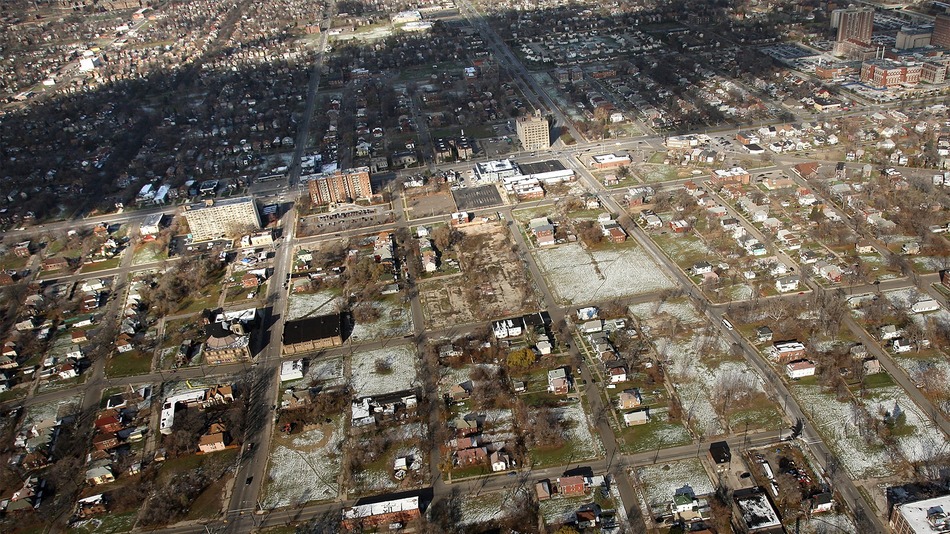
Throughout the late 20th century, Detroit faced a cascade of challenges: plant closures, a shrinking tax base, spiraling crime rates, and crumbling infrastructure. The population plummeted from its peak of nearly 1.8 million in 1950 to just over 700,000 by 2010. Essential city services suffered dramatically, and vast tracts of urban land lay abandoned, painting a stark picture of post-industrial decay. By 2013, the city was burdened with over $18 billion in debt, forcing it to declare the largest municipal bankruptcy in U.S. history. This moment, though bleak, inadvertently marked a crucial turning point. The bankruptcy allowed for a necessary restructuring of finances, paving the way for unprecedented investment and a renewed sense of purpose.
A City Reimagined: The Path to Revival
In the wake of its bankruptcy, Detroit embarked on an extraordinary journey of reinvention. Far from fading away, the city has leveraged its rich heritage, architectural gems, and resilient community spirit to emerge as one of the most exciting urban comeback stories in recent memory. Billions of dollars in public and private investment have poured into the city, revitalizing Downtown, Midtown, and other key neighborhoods. New businesses, tech startups, and creative enterprises are flocking to Detroit, drawn by affordable real estate, a burgeoning talent pool, and a palpable sense of innovation.
Architectural Marvels and Cultural Renaissance

Detroit’s stunning architectural legacy, often overlooked during its difficult years, is now a cornerstone of its appeal. The city boasts an incredible collection of Art Deco masterpieces, such as the Guardian Building and the Fisher Building, both meticulously restored and awe-inspiring testaments to the city’s former grandeur. The iconic Fox Theatre, a magnificently opulent movie palace, hosts world-class concerts and shows, drawing visitors to its ornate interiors.
Culturally, Detroit is experiencing a renaissance. The Detroit Institute of Arts (DIA) is a must-visit, housing an expansive collection of art from around the world, including the monumental “Detroit Industry Murals” by Diego Rivera. No trip to Detroit would be complete without paying homage to its musical heritage at the Motown Museum, located in the historic Hitsville U.S.A. building. Here, visitors can stand in the legendary Studio A where stars like The Supremes, The Temptations, and Marvin Gaye recorded their timeless hits, offering a profound connection to a pivotal era in music history.
Green spaces and public recreation have also seen significant investment. Belle Isle Park, a stunning 982-acre island park designed by Frederick Law Olmsted, offers an aquarium, conservatory, and unparalleled views of the Detroit River and the Canadian skyline. The Detroit RiverWalk has transformed miles of waterfront into a vibrant promenade, complete with parks, plazas, and outdoor amenities perfect for strolling, cycling, or simply enjoying the urban landscape.
Culinary Delights and Entertainment Hubs
Detroit’s culinary scene has exploded, reflecting its diverse cultural fabric and an influx of innovative chefs. From classic Detroit-style pizza (thick, square, crispy-edged, and utterly delicious) to iconic Coney Island hot dogs from establishments like Lafayette Coney Island and American Coney Island, the city offers a range of beloved local specialties. The historic Eastern Market, one of the oldest and largest year-round public markets in the United States, is a feast for the senses, offering fresh produce, gourmet foods, and artisan crafts. Beyond these staples, upscale restaurants, farm-to-table eateries, craft breweries, and distilleries have made Detroit a true foodie destination.
For sports enthusiasts, Detroit is a mecca. The city is home to four major professional sports teams. Baseball fans can catch the Detroit Tigers at Comerica Park, a state-of-the-art stadium in the heart of Downtown. The Detroit Red Wings (NHL) and the Detroit Pistons (NBA) share the magnificent Little Caesars Arena, a centerpiece of the new District Detroit development. These venues contribute to a lively entertainment district that buzzes with activity before and after games. The city’s legendary music scene also continues to thrive, with numerous venues hosting everything from techno and jazz to rock and hip-hop.
Planning Your Detroit Adventure
Detroit offers a wide array of options for travelers, catering to various budgets and preferences. When considering accommodation, you’ll find everything from luxurious boutique hotels to comfortable budget-friendly stays. For those seeking a high-end experience, the Shinola Hotel in Downtown Detroit offers exquisite design and amenities, while the historic Detroit Club provides a glimpse into the city’s opulent past with modern comforts. The Detroit Marriott at the Renaissance Center, located within the iconic Renaissance Center complex, offers stunning riverfront views and easy access to many attractions. For more unique stays, consider booking an apartment or villa through various accommodation platforms, especially for longer visits or family trips. Checking reviews and comparing prices will help ensure you find the perfect fit for your lifestyle and travel needs.
Getting around Detroit is relatively easy, especially in the revitalized Downtown and Midtown areas. The QLine streetcar connects many key attractions along Woodward Avenue, while ride-sharing services and taxis are readily available. For exploring beyond the central districts, renting a car offers the most flexibility, allowing you to visit gems like the Henry Ford Museum of American Innovation and Greenfield Village in nearby Dearborn, which provide an immersive journey into American history and ingenuity.
Whether you’re a history buff fascinated by the automotive industry, a music lover drawn to the birthplace of Motown, a foodie eager to explore innovative culinary landscapes, or an architecture enthusiast mesmerized by Art Deco wonders, Detroit has something to offer. It’s a city that embodies resilience, creativity, and an unwavering spirit of rebirth. Its story is not just about what happened, but what is happening now: a vibrant, welcoming destination ready to surprise and inspire every visitor.
In conclusion, Detroit’s narrative is a powerful testament to the enduring human spirit and the potential for urban renewal. From its industrial zenith to its challenging period of decline and through its current remarkable revitalization, the Motor City has proven its capacity for transformation. Today, it stands as a captivating destination for travelers seeking authentic experiences, rich history, and a glimpse into the future of American cities. Detroit is not just a place to visit; it’s a story to witness and a journey to experience.
LifeOutOfTheBox is a participant in the Amazon Services LLC Associates Program, an affiliate advertising program designed to provide a means for sites to earn advertising fees by advertising and linking to Amazon.com. Amazon, the Amazon logo, AmazonSupply, and the AmazonSupply logo are trademarks of Amazon.com, Inc. or its affiliates. As an Amazon Associate we earn affiliate commissions from qualifying purchases.