
Florida, renowned for its vibrant wildlife, sun-drenched beaches, and captivating attractions, often surprises visitors with an unexpected sight: the majestic peacock. These birds, with their iridescent plumage and characteristic calls, roam freely in many suburban and rural areas across the state, adding an exotic flair to the landscape. Their widespread presence naturally sparks a question for many travelers and residents alike: are peacocks native to Florida? The concise answer is no, but their journey to the Sunshine State is a fascinating tale interwoven with human history, lifestyle choices, and the evolving dynamics of local culture. This article delves into the origins of these captivating birds, their surprising prevalence in Florida, and the unique ways they have integrated into the state’s diverse environment and tourism appeal.
The Global Journey of the Peacock: From Ancient Empires to Modern Gardens
To understand the peacock’s status in Florida, we must first trace its ancient lineage and its remarkable global migration. The peafowl family, comprising three distinct species, originates thousands of miles away from the shores of North America, specifically in the lush landscapes of Asia and Africa.
Origins and Early Domestication
The most common species, the Indian Peafowl (Pavo cristatus), is native to the Indian subcontinent. Its natural habitat spans across India, Sri Lanka, and parts of Pakistan, Nepal, and Bhutan. Another species, the Green Peafowl (Pavo muticus), hails from Southeast Asia, including countries like Myanmar, Thailand, and Indonesia. The Congo Peafowl (Afropavo congensis) is the only African species, found exclusively in the Democratic Republic of Congo.
It was the Indian Peafowl that first captured human attention due to its striking beauty. Historically, these birds were revered in ancient cultures. In India, the peacock is the national bird, symbolizing grace, beauty, and auspiciousness. Its vibrant feathers have been prized for millennia, used in art, ceremonial attire, and as symbols of royalty. Merchants and explorers were instrumental in their dispersal, bringing peafowl as exotic gifts or status symbols to distant lands. The ancient Greeks and Romans admired them, introducing them to Europe where they graced opulent gardens and estates. Over centuries, peacocks spread across continents, primarily through human intervention, becoming cherished ornamental birds in botanical gardens, sprawling resorts, and private estates worldwide. This enduring fascination paved the way for their eventual arrival in the Americas.
How Peacocks Arrived in Florida
The introduction of peacocks to the United States, and specifically to Florida, follows a similar pattern of human preference for their aesthetic appeal. They were not brought here by natural migration or ecological forces. Instead, early European settlers and landowners imported peacocks from their established populations in Europe or directly from Asia during the 18th, 19th, and early 20th centuries. These birds were primarily kept for their ornamental value, adorning the expansive grounds of grand estates, agricultural farms, and even some early public parks.
Florida’s subtropical climate, characterized by mild winters and abundant vegetation, proved surprisingly hospitable to the peafowl, which thrived outside their natural range. Over time, many birds escaped or were intentionally released from captivity. With few natural predators in suburban environments and a readily available food supply (insects, seeds, grains, and even garden plants), these escapees began to establish feral populations. These free-roaming peacocks bred and multiplied, gradually forming the distinct communities seen today, particularly in South Florida and other urbanizing areas where human presence offers some protection and resources. The story of peacocks in Florida is thus a testament to their adaptability and the enduring human desire to introduce beauty into their surroundings, even if it leads to unexpected ecological and social dynamics.
Peacocks in the Sunshine State: An Established Presence
Despite their non-native status, peacocks have become an indelible part of the Florida landscape in numerous communities. For many, they are a charming spectacle, a splash of exotic color against the green backdrop of the state’s flora. For others, they represent a complex challenge, embodying the friction between human development and introduced species.
Where to Spot Peacocks in Florida
If you’re embarking on a Florida travel adventure and hope to catch a glimpse of these magnificent birds, certain regions offer a higher probability. The feral peacock populations are most concentrated in South Florida, particularly within suburban and semi-rural neighborhoods where large lots and ample vegetation provide ideal foraging and roosting grounds.

- Miami-Dade County: Areas like Pinecrest, Palmetto Bay, Coral Gables, and parts of South Miami are renowned for their peacock populations. Residents often wake up to the distinctive “honk” of a peacock or spot them strutting across lawns and rooftops. For travelers, a leisurely drive through these affluent neighborhoods can offer unexpected wildlife viewing experiences. You might even spot them near significant landmarks like the Vizcaya Museum & Gardens or Fairchild Tropical Botanic Garden, where they occasionally roam beyond the garden walls.
- Broward County: Similar to Miami-Dade, certain parts of Fort Lauderdale and surrounding towns host peacock communities. Their presence adds a unique flavor to the local environment, often becoming a topic of conversation among residents and visitors seeking unique local culture experiences.
- Palm Beach County: Further north, areas around Palm Beach and Boca Raton also have established populations. The sprawling estates and lush landscaping of these areas provide perfect havens for peacocks.
- Sarasota and Southwest Florida: On Florida’s Gulf Coast, particularly in Sarasota and parts of Naples and Marco Island, peacocks can be found, often drawing the attention of tourists seeking picturesque photography opportunities.
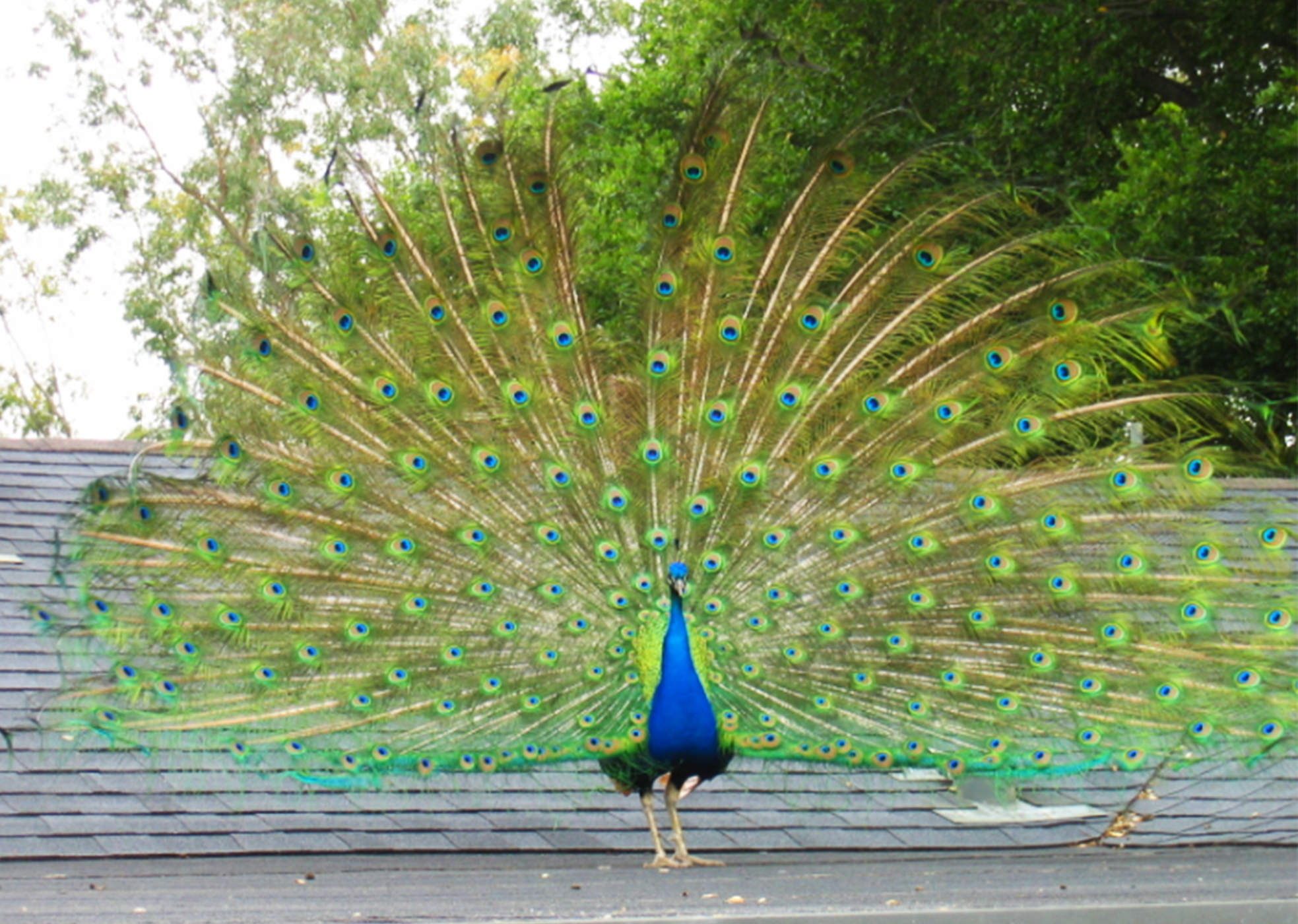
When exploring these areas, it’s not uncommon to see peacocks casually crossing suburban streets, foraging in gardens, or even perched on rooftops. They are a vivid reminder of Florida’s ability to embrace the unexpected, transforming residential areas into impromptu wildlife sanctuaries for these colorful immigrants. Many hotels and resorts in these regions, particularly those with expansive grounds, might even boast resident peacocks, offering guests a memorable, albeit noisy, amenity.
The Dual Nature of Florida’s Feral Flocks
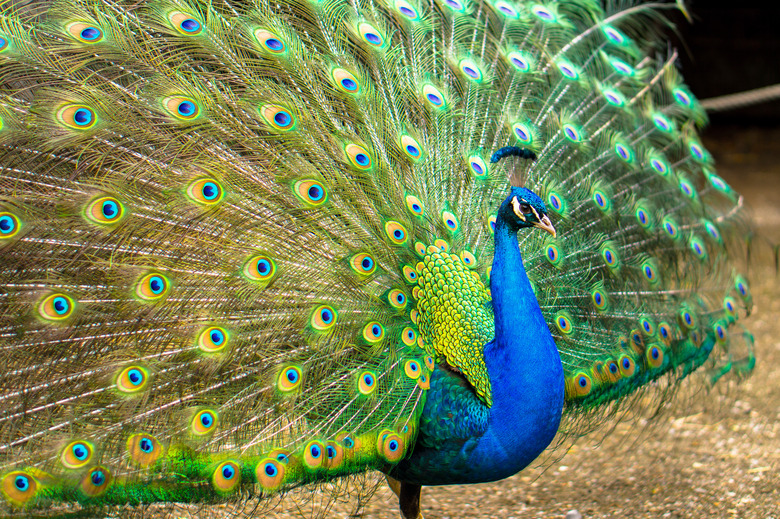
The presence of peacocks in Florida is met with mixed reactions, highlighting their dual nature as both beautiful spectacles and occasional nuisances. For many, especially travelers and newcomers, the sight of a peacock displaying its elaborate tail feathers is a breathtaking experience. They embody a certain exotic lifestyle and add an undeniable charm to the local surroundings. Their vibrant colors and regal demeanor make them popular subjects for photography, and for some, they symbolize the unique blend of natural beauty and human influence that defines Florida. Observing a peacock in full display, particularly during mating season, is an unforgettable moment, enriching any tourism itinerary focused on unique wildlife encounters.
However, for a significant portion of long-term residents, peacocks can be a source of frustration. Their distinctive, loud calls, especially during mating season or when roosting, can be quite disruptive, particularly in quiet suburban neighborhoods. Furthermore, these birds are not always gentle garden inhabitants. They can cause damage to landscaping, digging up plants and foraging for seeds and insects. Their sharp claws can scratch cars when they perch, and their droppings can be messy. Peacocks can also be territorial and occasionally aggressive, particularly the males defending their mates or territory. This often leads to conflicts with residents, who find themselves caught between appreciating the birds’ beauty and managing the practical challenges they present. The delicate balance between coexisting with these introduced birds and mitigating their negative impacts is a continuous discussion in many Florida communities, a fascinating aspect of the state’s broader lifestyle narrative.
Embracing or Managing Florida’s Peacocks
The ongoing presence of peacocks in Florida has led to various approaches, ranging from active protection and appreciation to attempts at population control and relocation. This highlights a dynamic interplay between conservation ethics, community desires, and the unique challenges posed by non-native species.
Tourism and Wildlife Viewing: A Unique Florida Experience
Despite their challenges, peacocks have inadvertently become a unique draw for tourism in certain Florida locales. For many visitors, especially those from areas where such exotic birds are only seen in zoos, encountering a wild peacock is a novel and memorable experience. This can be particularly true for families, who enjoy pointing out the colorful birds to children. Travel guides and local blogs sometimes even mention specific neighborhoods as prime spots for peacock viewing, akin to seeking out other distinctive Florida wildlife like manatees or alligators.
Businesses, including some boutique hotels and charming villas, have subtly integrated the peacock into their branding or ambiance, offering a taste of Florida’s unique “urban exotic” lifestyle. The allure of seeing these majestic birds contributes to the diverse tapestry of Florida’s attractions, providing a different kind of wildlife encounter than the more traditional swamp tours or marine life sanctuaries. For photography enthusiasts, capturing a peacock’s full display is a coveted shot, adding to the rich visual narrative of a Florida vacation. These birds, though non-native, have carved out a niche in the state’s vibrant tourism offerings, becoming an unexpected landmark of sorts in their adopted communities.
Local Regulations and Community Relations
The presence of feral peacocks has spurred various community responses and local regulations across Florida. Since peacocks are not considered native wildlife by the Florida Fish and Wildlife Conservation Commission (FWC), they generally fall under the jurisdiction of local municipalities and homeowner associations. This leads to a patchwork of rules and approaches. Some communities have designated peacocks as protected, meaning it’s illegal to harm, harass, or remove them without proper permits. These areas often see themselves as stewards of these beautiful birds, embracing them as part of their unique local culture and charm. They may even have local ordinances designed to protect the birds, sometimes to the chagrin of residents experiencing peacock-related issues.
Conversely, other communities and individual homeowners, particularly where peacock populations have grown significantly or caused substantial damage, view them as an invasive nuisance. In these areas, efforts may be made to manage populations through humane trapping and relocation programs. Such initiatives are often costly and controversial, sparking debates between animal welfare advocates, concerned residents, and local authorities. The discussions around peacocks in Florida underscore broader questions about how communities interact with non-native species, balance aesthetic appeal with practical concerns, and manage wildlife within an increasingly urbanized landscape. For travelers considering longer accommodation options or a move to the Sunshine State, understanding these local dynamics can be an important aspect of integrating into a new lifestyle and appreciating the nuances of Florida’s diverse environment.
In conclusion, peacocks are definitively not native to Florida. Their origins lie in the distant lands of Asia, and their journey to the Sunshine State is a fascinating narrative of human introduction, adaptation, and unforeseen consequences. Today, these vibrant birds are an established, albeit sometimes controversial, part of Florida’s unique urban and suburban wildlife tapestry. Whether viewed as an exotic delight or a bothersome intrusion, their presence undeniably adds a distinctive layer to the state’s character, enriching the travel experience for many and sparking continuous dialogue about local culture, wildlife management, and the captivating interplay between humans and the natural world in this dynamic state.
LifeOutOfTheBox is a participant in the Amazon Services LLC Associates Program, an affiliate advertising program designed to provide a means for sites to earn advertising fees by advertising and linking to Amazon.com. Amazon, the Amazon logo, AmazonSupply, and the AmazonSupply logo are trademarks of Amazon.com, Inc. or its affiliates. As an Amazon Associate we earn affiliate commissions from qualifying purchases.