
When planning a trip to the Sunshine State, the myriad of attractions, from pristine beaches and vibrant cities to world-famous theme parks, often fills the mind. However, for many prospective visitors, a natural concern often surfaces: “Does Florida have tornadoes?” It’s a valid question, particularly given Florida’s’s reputation for dramatic weather events, from stunning afternoon thunderstorms to powerful hurricanes. The simple answer is yes, Florida does experience tornadoes. However, understanding the nature of these tornadoes, their frequency, typical severity, and the state’s robust preparedness measures is crucial for any traveler or long-term guest. This comprehensive guide will delve into Florida’s tornado activity, offering insights to ensure you can enjoy your visit with peace of mind and preparedness.
Unpacking Florida’s Tornado Landscape
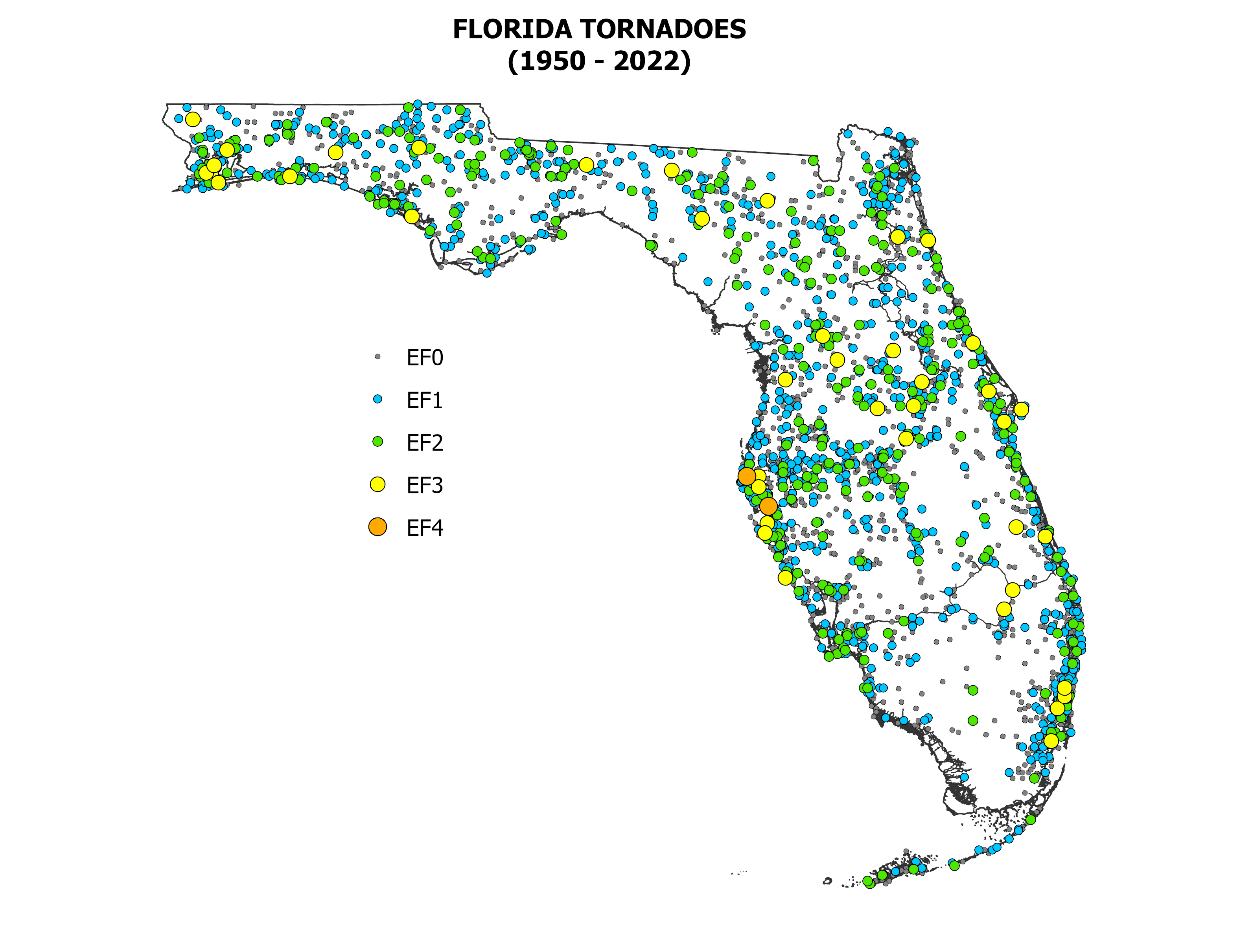
While the image of devastating tornadoes often conjures up thoughts of the Midwest’s “Tornado Alley,” Florida actually ranks among the top states in the United States for the number of tornado occurrences annually. However, there’s a significant difference in the type and intensity of these storms compared to their midwestern counterparts. Florida’s tornadoes are generally weaker, shorter-lived, and often less destructive than the powerful supercell-spawned tornadoes found in the central United States.
The “Sunshine State” and its Stormy Side: Quantity Over Severity
Florida’s unique geographical position – a peninsula surrounded by warm waters – makes it a hotbed for atmospheric instability. The state’s warm, moist air combined with various weather fronts and systems creates ideal conditions for tornado formation. While the sheer number of tornadoes reported in Florida might seem alarming, it’s essential to contextualize this data. A large percentage of these are weaker F0 or F1 tornadoes on the Enhanced Fujita (EF) scale, capable of minor damage to roofs or trees, rather than the catastrophic EF4 or EF5 events that can level entire communities.
The primary reason for this difference lies in the meteorology. Tornado Alley events typically result from the collision of cold, dry air from the north, warm, moist air from the Gulf of Mexico, and dry air from the Rocky Mountains, creating intense supercells. In Florida, while similar ingredients are present, the dynamics are often different, leading to smaller, less organized storm structures that still produce tornadoes but with less ferocity.
Seasonal Rhythms: When Tornadoes Are Most Likely
Florida experiences two distinct peak seasons for tornado activity, each driven by different meteorological phenomena:
- Spring (March to May): This period sees an increase in tornado activity as cold fronts from the north interact with Florida’s warm, humid air. These frontal systems can trigger squall lines that produce short-lived tornadoes, often embedded within larger storm complexes. The central and northern parts of the state tend to be more susceptible during this time.
- Late Summer and Fall (August to October): This is the heart of hurricane season in the Atlantic Ocean and Gulf of Mexico, and tropical cyclones are a significant source of tornado activity in Florida. Tornadoes spawned by hurricanes and tropical storms are particularly dangerous because they often develop quickly and without much warning, usually in the outer rain bands of the storm.
Understanding these seasonal patterns can help travelers plan their trips and stay vigilant during specific times of the year.
Types of Tornadoes Common in Florida
Florida’s unique environment fosters several types of tornadoes that are less common or distinct from those found in other regions of the United States.
Waterspouts: The Coastal Spectacle
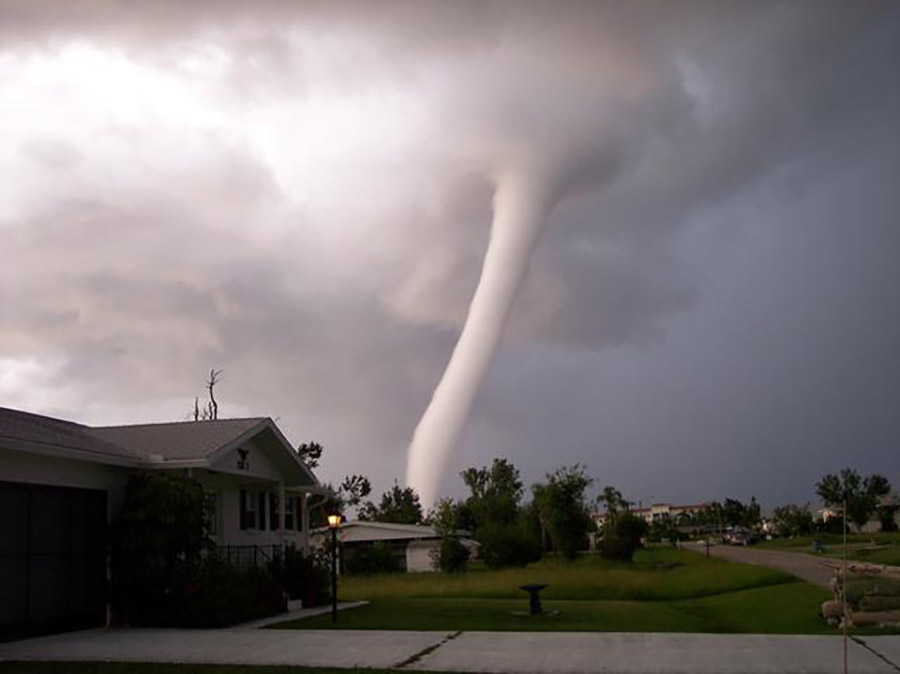
Waterspouts are perhaps the most iconic type of tornado associated with Florida. These rotating columns of air and mist form over bodies of water, primarily the warm coastal waters of the Gulf of Mexico, the Atlantic Ocean, and even large inland lakes. There are two main types:
- Fair-weather waterspouts: These are the most common in Florida, especially during the summer months. They form when cold air moves over warm water, creating atmospheric instability near the surface. They are generally weaker and stationary, often appearing as spectacular but harmless columns. However, they can still pose a threat to boaters, swimmers, and coastal activities, and if they move ashore, they can cause minor damage, becoming a “tornadic waterspout.”
- Tornadic waterspouts: These are essentially tornadoes that form over water, associated with severe thunderstorms, much like land-based tornadoes. They are typically stronger and more dangerous.
While often fascinating to observe from a safe distance, coastal visitors should always respect waterspout warnings and follow local advisories.
Landspouts: From Fair Weather Clouds
Similar in formation to fair-weather waterspouts but occurring over land, landspouts are non-supercell tornadoes. They develop from rapidly growing cumulus clouds in an environment with pre-existing low-level rotation. These are typically weaker than supercell tornadoes and short-lived, but they can still cause localized damage, particularly to less sturdy structures, mobile homes, and vegetation. They are often difficult to detect on radar, making visual observation and immediate local warnings critical.
Hurricane-Spawned Tornadoes: A Hidden Danger
One of the most concerning types of tornadoes in Florida are those generated by landfalling hurricanes or tropical storms. These tornadoes typically form in the outer rain bands, especially in the northeast quadrant of the storm relative to its direction of motion. They are often small, brief, and can spin up very rapidly, making them incredibly difficult to forecast and react to. While generally not as powerful as supercell tornadoes, their quick formation and the already chaotic environment of a hurricane make them particularly dangerous. Travelers visiting Florida during hurricane season must be aware that even a weak tropical system can produce these localized tornado threats.
Staying Safe: Essential Tips for Florida Visitors and Residents
While Florida’s tornadoes are generally less severe than those elsewhere, preparedness is paramount for both residents and visitors. Knowledge and a quick reaction can make all the difference.
Understanding Warning Systems: Your First Line of Defense
Staying informed is your best defense against any severe weather. Florida has an excellent network of weather monitoring and warning systems:
- Weather Alerts: Pay close attention to Tornado Watches and Tornado Warnings. A Tornado Watch means conditions are favorable for tornadoes to develop in or near the watch area. A Tornado Warning means a tornado has been sighted or indicated by radar and poses an imminent threat to life and property in the warned area.
- Local News and Weather Apps: Always check local Florida news channels, reputable weather apps (like the National Weather Service app or others that provide real-time alerts), and websites.
- NOAA Weather Radio: A dedicated weather radio with an alert function is an invaluable tool, especially for residents or those staying in rental properties. Many hotels also have internal alert systems.
- Hotel Communications: If staying in a hotel, familiarize yourself with their emergency procedures and communication methods. Modern resorts and hotels are well-equipped to manage severe weather and will often provide instructions to guests.
Practical Safety Measures: Where to Go, What to Do
Should a tornado warning be issued for your location, immediate action is necessary:
- Seek Sturdy Shelter: The safest place to be is inside a sturdy building, preferably in a basement or storm cellar. Since basements are rare in Florida due to the high water table, the next best option is an interior room on the lowest floor of a building. Think bathrooms, closets, or hallways away from windows and exterior walls.
- Protect Yourself: Get under something sturdy, like a heavy table or desk, and cover your head and neck with your arms.
- Avoid Windows: Windows are extremely dangerous during a tornado due to flying debris.
- Do NOT Stay in a Vehicle or Mobile Home: These offer virtually no protection. If caught in a car, exit immediately and seek a sturdy building or lie in a ditch or culvert, covering your head. Mobile homes should be evacuated for a community shelter or sturdy building at the first sign of a threat.
- Theme Parks and Attractions: Major attractions like Walt Disney World and Universal Studios have sophisticated emergency plans. They will direct guests to designated safe areas within their robust structures. Follow all staff instructions promptly.
Travel Insurance and Flexibility: Planning for the Unexpected
When booking your Florida adventure, especially during the late summer/fall hurricane season, consider purchasing travel insurance. This can protect your investment in flights, accommodations, and tours should weather events disrupt your plans. Maintain flexibility in your itinerary where possible, and always check the forecast leading up to and during your trip.
Florida Travel & Tourism: Enjoying the State Safely
Florida’s tourism industry is a cornerstone of its economy, and the state is remarkably adept at managing natural phenomena to ensure visitor safety and enjoyment.
Major Destinations and Preparedness
Popular tourist destinations like Orlando, Miami, Tampa, and Jacksonville have highly developed emergency services and infrastructure designed to withstand various weather challenges. From the extensive resort complexes to the bustling urban centers, emergency communication is efficient, and buildings are constructed to stringent safety codes.
- Theme Park Resorts: These self-contained “cities” are designed with guest safety as a top priority. They have internal weather monitoring, robust shelters, and well-trained staff ready to guide guests during any severe weather event.
- Coastal Cities: While more susceptible to waterspouts and hurricane-related threats, cities along the Gulf Coast and Atlantic Ocean also have comprehensive emergency plans, often including evacuation routes and designated public shelters.
Whether you’re exploring the magic of Walt Disney World, the thrills of Universal Studios, the vibrant culture of Miami, or the pristine beaches of St. Petersburg, rest assured that significant resources are dedicated to visitor safety.
Accommodation Choices and Safety
When selecting your accommodation, whether a luxury resort, a cozy boutique hotel, or a vacation rental, consider its construction and location. Modern hotels and established resorts are generally built to high standards and often have internal emergency plans. Don’t hesitate to ask about these procedures upon check-in. For vacation rentals, ensure you know the nearest community shelter or the safest interior spaces within the property. This due diligence contributes significantly to peace of mind, allowing you to focus on the joys of your Florida experience.

Balancing Adventure with Awareness
Florida offers an incredible array of experiences, from the natural wonders of Everglades National Park and the historic charm of St. Augustine to the futuristic marvels of Kennedy Space Center and the laid-back vibe of Key West. The slight risk of encountering a tornado should not deter you from exploring these diverse attractions. Instead, it encourages a mindful approach to travel: stay informed, be aware of your surroundings, and have a basic safety plan.
By understanding Florida’s weather patterns and knowing how to react, you can confidently immerse yourself in the lifestyle and attractions that make this state a premier destination. The beauty of the Caribbean Sea nearby, the unique ecosystems, and the world-class entertainment await, offering unforgettable memories that far outweigh the manageable risks of its dynamic climate.
In conclusion, yes, Florida does have tornadoes, and it’s important to acknowledge this reality. However, by understanding their typical characteristics, seasonal occurrences, and the robust safety measures in place, you can confidently plan and enjoy your Florida travel, accommodations, and tourism experiences. Stay informed, stay prepared, and let the wonders of the Sunshine State unfold before you.
LifeOutOfTheBox is a participant in the Amazon Services LLC Associates Program, an affiliate advertising program designed to provide a means for sites to earn advertising fees by advertising and linking to Amazon.com. Amazon, the Amazon logo, AmazonSupply, and the AmazonSupply logo are trademarks of Amazon.com, Inc. or its affiliates. As an Amazon Associate we earn affiliate commissions from qualifying purchases.