
Florida, often celebrated for its sun-drenched beaches, vibrant cities, and world-renowned theme parks, holds a unique allure that extends beyond its human-made attractions. For many travelers, the true magic of the Sunshine State lies in its incredible natural beauty and diverse wildlife. Among the most iconic and often discussed residents of Florida’s wild spaces are its powerful reptiles: alligators and crocodiles. The question “Does Florida have alligators and crocodiles?” is one that frequently piques the curiosity of visitors and prospective residents alike, and the answer is a resounding yes to both, making Florida one of the few places on Earth where these ancient predators coexist.
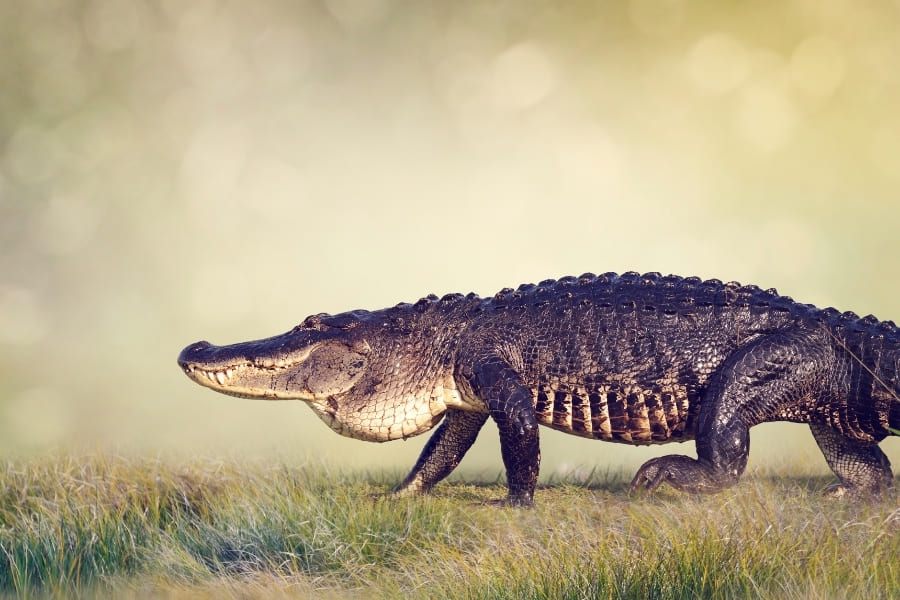
The presence of both American alligators and American crocodiles in Florida’s diverse ecosystems adds an unparalleled layer of intrigue and adventure to any visit. From the sprawling wetlands of the Everglades to the intricate mangrove forests of the state’s southern tip, these formidable creatures are an integral part of the landscape, influencing everything from local tourism to conservation efforts. Understanding where they live, how to safely observe them, and their critical role in the environment is key to appreciating the wild side of Florida.
A Definitive Answer: Yes, Florida is Home to Both
The coexistence of alligators and crocodiles in Florida is a fascinating ecological phenomenon. While alligators are widespread across the southeastern United States, the American crocodile’s range is far more restricted, primarily to the warm, brackish, or saltwater environments of South Florida. This unique overlap makes Florida a prime destination for wildlife enthusiasts eager to witness these magnificent reptiles in their natural habitats.
The American Alligator: Florida’s Iconic Resident
The American alligator (Alligator mississippiensis) is arguably Florida’s most famous reptile, symbolizing the state’s wild heart. These powerful predators are abundant throughout Florida, found in nearly all freshwater environments, including lakes, rivers, ponds, canals, and marshes. Their population has made a remarkable recovery from near extinction in the mid-20th century, thanks to successful conservation efforts, and they are now a common sight even in suburban areas.
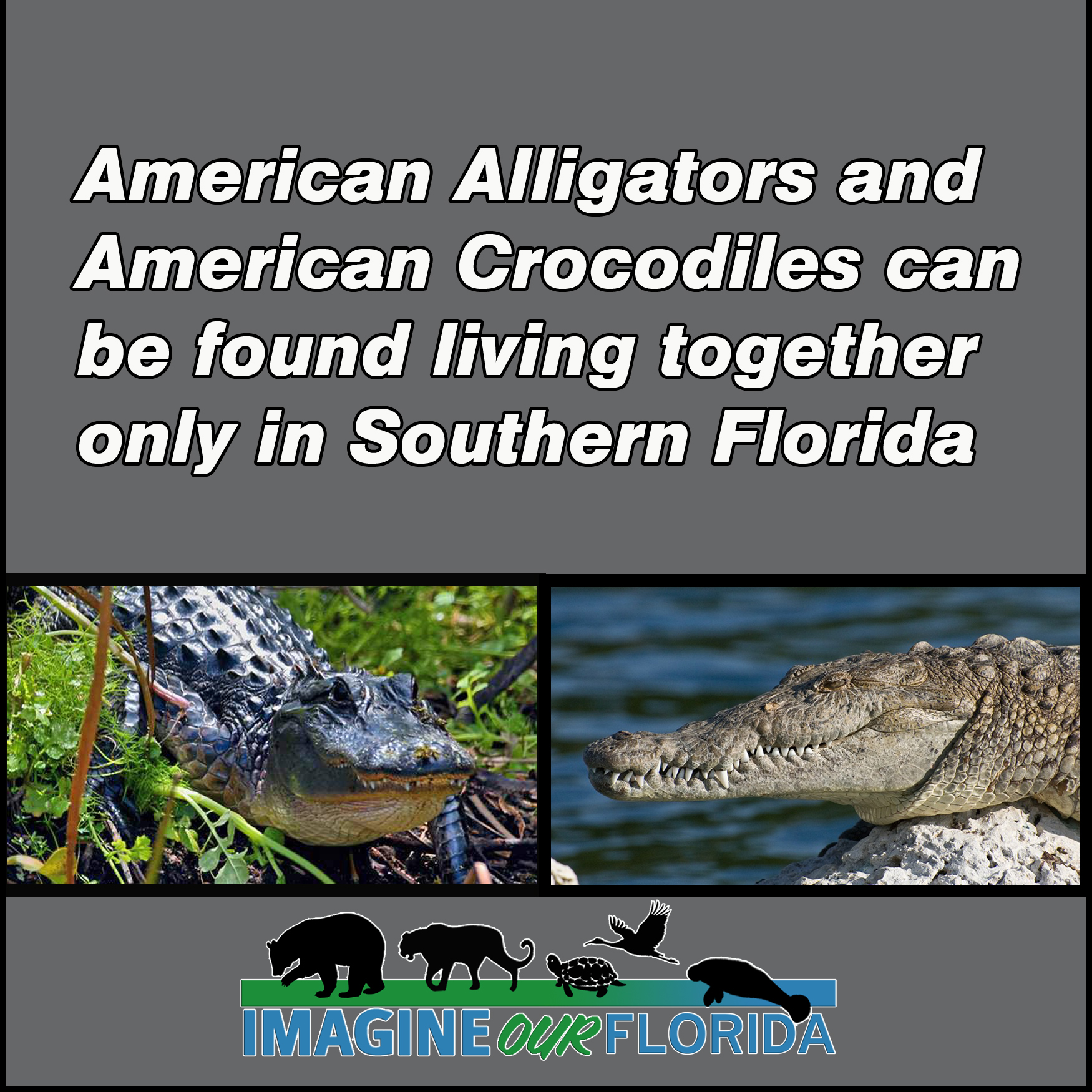
Distinguishing an alligator is relatively straightforward. They possess a broad, rounded snout, and when their jaws are closed, only the upper teeth are visible. Their skin is typically dark gray or black, providing excellent camouflage in murky waters. Adult alligators can reach impressive sizes, with males often exceeding 13 feet in length and weighing over 1,000 pounds, though females are generally smaller. Their diet is varied, ranging from fish and turtles to birds and small mammals, playing a crucial role in maintaining the balance of their aquatic ecosystems.
Encountering an alligator in Florida is an almost guaranteed experience for anyone venturing into its natural spaces. Whether you’re exploring the waterways by airboat, hiking along a nature trail, or simply driving past a retention pond, the sight of an alligator basking in the sun or gliding silently through the water is a quintessential Florida moment. Many tourism guides and travel experiences in Florida prominently feature alligator viewing, from dedicated wildlife parks to guided tours through their natural habitats.
The American Crocodile: A Rare and Reclusive Neighbor
In contrast to the widespread alligator, the American crocodile (Crocodylus acutus) is a much rarer sight in Florida, primarily residing in the extreme southern tip of the state. Florida represents the northernmost extent of their range, which stretches down through the Caribbean, Central America, and northern South America. Unlike alligators, crocodiles prefer brackish or saltwater environments, such as coastal estuaries, mangrove swamps, and salt marshes.
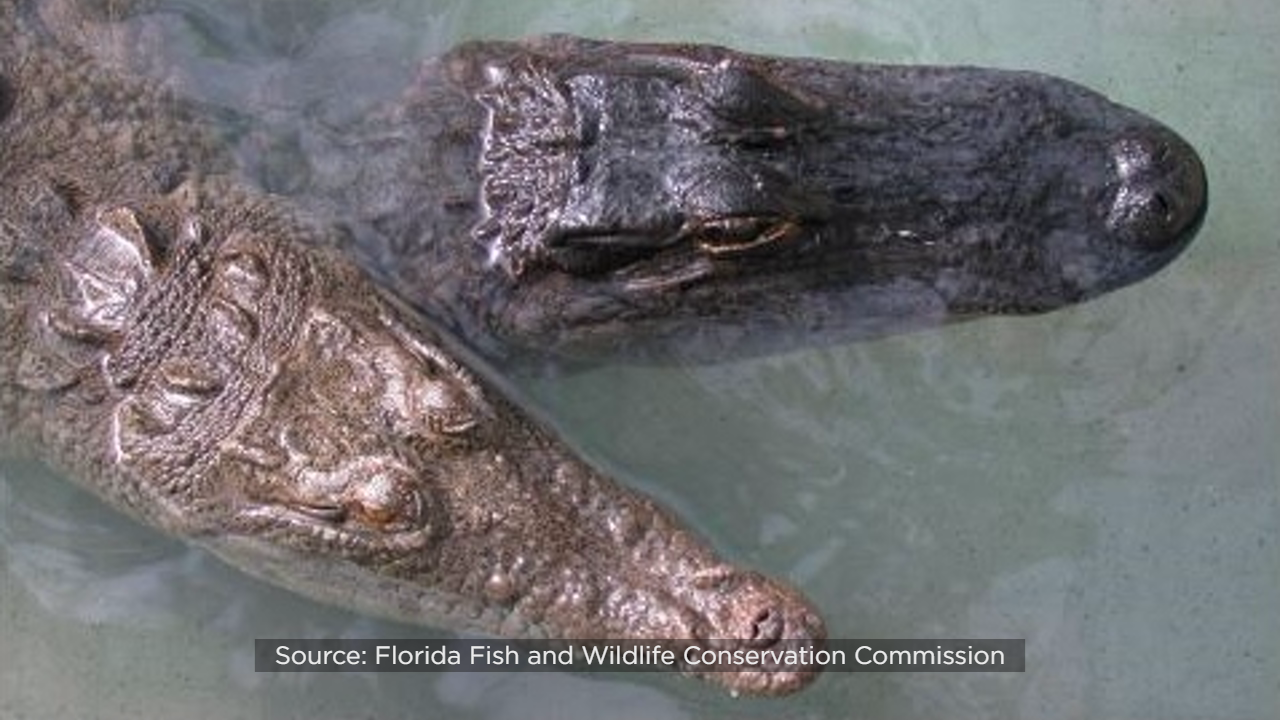
Visually, crocodiles differ from alligators with their narrower, more pointed snout. When their jaws are closed, both upper and lower teeth are visible, giving them a distinctive “toothy” grin. Their skin tends to be lighter, often a grayish-green or tan color. American crocodiles are also generally larger than alligators, with males capable of reaching lengths of up to 20 feet, although 10-15 feet is more common in Florida. They are also more reclusive and shy than alligators, making sightings less frequent and often more exciting for wildlife enthusiasts.
The American crocodile in Florida was once an endangered species, but dedicated conservation efforts have led to a significant increase in their population. Key nesting and breeding areas are protected, particularly within the Everglades National Park and Key Largo. Spotting a wild American crocodile is considered a special achievement for wildlife observers and a testament to the success of habitat preservation in Florida.
Where to Encounter Florida’s Apex Predators
For travelers eager to witness these magnificent reptiles, Florida offers numerous opportunities, from vast national parks to specialized wildlife attractions. Each destination provides a unique perspective on their habitats and behavior, catering to different travel styles and preferences, whether you’re planning a luxury adventure or a budget-friendly family trip.
Exploring Natural Habitats: Parks and Preserves
The best places to see alligators and, with luck, crocodiles, are within Florida’s extensive network of natural parks and preserves. These areas offer authentic wildlife viewing experiences and are often accompanied by well-maintained visitor centers, boardwalks, and interpretive trails.
- Everglades National Park: This iconic UNESCO World Heritage Site is undoubtedly the premier location for spotting both alligators and crocodiles. The park’s diverse ecosystems, including freshwater sloughs, brackish estuaries, and mangrove forests, provide ideal habitats for both species. Popular spots within the Everglades for alligator viewing include Anhinga Trail and Shark Valley. For crocodiles, the coastal areas, particularly around Flamingo and along the Nine Mile Bank in Florida Bay, offer the best chances. Accommodation options near the Everglades range from camping within the park to hotels in nearby Homestead or Florida City.
- Big Cypress National Preserve: Adjacent to the Everglades, Big Cypress offers a similar wilderness experience, with numerous opportunities to see alligators along its scenic drives and hiking trails. The Turner River Road Scenic Drive is particularly known for alligator sightings.
- Arthur R. Marshall Loxahatchee National Wildlife Refuge: Located near Boynton Beach, this refuge offers excellent boardwalks and observation decks for viewing alligators in a natural setting. It’s a fantastic spot for birdwatching too, adding to the overall wildlife experience.
- Myakka River State Park: Near Sarasota on Florida’s Gulf Coast, Myakka is one of the state’s oldest and largest parks, renowned for its abundant alligator population. Visitors can take boat tours on the Myakka River or walk the canopy walkway for elevated views of the landscape and its inhabitants.
- Biscayne National Park: While primarily a marine park, the coastal mangroves of Biscayne provide habitat for American crocodiles, making it another potential viewing spot in South Florida.
When planning a trip to these natural areas, consider booking accommodations that offer easy access to the parks. Many resorts and hotels in surrounding cities like Miami, Fort Lauderdale, Naples, and Sarasota cater to eco-tourists, providing amenities and guides for wildlife excursions.
Guided Tours and Wildlife Attractions
For those seeking a more curated or guaranteed wildlife encounter, Florida boasts several attractions and tour operators specializing in alligator and crocodile viewing. These options are particularly suitable for families or travelers who prefer structured experiences.
- Gatorland: Known as the “Alligator Capital of the World,” Gatorland in Orlando is a classic Florida attraction. It’s a 110-acre theme park and wildlife preserve that offers close-up encounters with thousands of alligators and crocodiles, including rare leucistic alligators. Shows, zip lines, and an alligator breeding marsh make it an exciting day out. Nearby Orlando hotels offer a wide range of accommodation, from budget-friendly stays to luxury resorts like the Grand Hyatt Orlando or Walt Disney World Swan and Dolphin Resort, catering to families visiting both theme parks and wildlife attractions.
- Airboat Tours: Found across central and South Florida, airboat tours offer an exhilarating way to traverse the shallow marshes and wetlands where alligators thrive. Companies like Wild Florida in Kissimmee or numerous operators in the Everglades provide guided experiences, often guaranteeing alligator sightings. These tours are fantastic for capturing memorable photos and learning about the ecosystem from experienced guides.
- St. Augustine Alligator Farm Zoological Park: Established in 1893, this historic park is the only facility in the world to exhibit all living species of crocodilians. It’s an excellent place to learn about the differences between alligators, crocodiles, and other related reptiles, with educational shows and exhibits. Visitors to St. Augustine can find charming historic inns, boutique hotels, and beachfront resorts.
When choosing accommodation for your wildlife adventure, consider hotels and resorts that offer proximity to these attractions or provide eco-tourism packages. Many travel guides highlight properties that are conscious of sustainable tourism and offer facilities that blend with the natural environment.
Safety First: Coexisting with Alligators and Crocodiles
While encounters with alligators and crocodiles are often highlights of a Florida trip, it’s crucial to approach these powerful animals with respect and caution. Safety is paramount, especially when exploring their natural habitats. Understanding their behavior and adhering to established guidelines can ensure a safe and memorable experience for everyone.
Essential Tips for Visitors and Residents
The Florida Fish and Wildlife Conservation Commission (FWC) provides clear guidelines for safe coexistence with alligators and crocodiles. These tips are vital for both tourists and locals:
- Never Feed Alligators or Crocodiles: This is the most critical rule. Feeding these animals makes them lose their natural fear of humans, leading them to associate people with food, which can be dangerous for both the reptiles and humans. It is illegal and can result in severe penalties.
- Keep Your Distance: Always maintain a safe and respectful distance from alligators and crocodiles, especially mothers with nests or young. If you spot one, observe from afar and do not approach. A good rule of thumb is to stay at least 30 feet (9 meters) away.
- Swim Only in Designated Areas During Daylight Hours: Alligators are most active during dusk, night, and dawn. Avoid swimming, wading, or letting pets enter waters where alligators or crocodiles are known to live, especially outside marked swimming areas.
- Supervise Children and Pets: Small children and pets are vulnerable to alligator attacks. Keep them away from the edges of canals, rivers, and lakes. Pets should always be on a leash.
- Be Aware of Your Surroundings: When walking near bodies of water, be vigilant. Alligators and crocodiles can be well camouflaged.
- Do Not Molest or Harass: It is illegal and dangerous to provoke or bother an alligator or crocodile.
- Report Concerns: If you encounter an alligator that is acting aggressively or poses a threat, contact the FWC’s Nuisance Alligator Hotline.
By following these simple rules, visitors can safely enjoy the unique experience of seeing Florida’s impressive reptilian residents. Many travel guides and tourism advisories emphasize these safety measures as part of responsible eco-tourism.
Understanding Their Behavior
Understanding the general behavior of alligators and crocodiles can further enhance safety. Alligators are generally ambush predators, preferring to wait for prey. They are most active when temperatures are warm, often basking in the sun to regulate their body temperature. During cooler months, their metabolism slows down, and they become less active.
Crocodiles, particularly the American crocodile, are generally shyer than alligators and tend to avoid human contact. Their diet primarily consists of fish, crabs, and other aquatic creatures. While larger and potentially more dangerous, their reclusive nature means human encounters are much less frequent.
Neither species typically views humans as prey, but they are opportunistic predators. If they perceive a human or pet as easy prey, especially if they have been habituated to humans through feeding, they can become dangerous. This underscores the importance of never feeding them and respecting their wild nature.
The Role of Alligators and Crocodiles in Florida’s Tourism and Ecosystem
The presence of alligators and crocodiles has profoundly shaped Florida’s identity, influencing its tourism industry, conservation strategies, and ecological balance. These animals are not just fascinating creatures to observe; they are vital components of the state’s natural heritage and a significant draw for travelers seeking unique experiences.
Eco-Tourism and Conservation Efforts
Florida’s commitment to conservation is evident in the successful recovery of both alligator and crocodile populations. These conservation stories, particularly for the American crocodile which was once on the brink of extinction, highlight the importance of protecting sensitive wetland habitats like the Everglades and Big Cypress National Preserve.
Eco-tourism plays a crucial role in funding these conservation efforts. Wildlife tours, nature parks, and visitor centers that offer educational programs about these reptiles often contribute to habitat preservation and research. Travelers who choose to participate in these responsibly operated tours directly support the longevity of Florida’s unique ecosystems and its wildlife. Many hotels and resorts in Florida now partner with local eco-tour operators, providing guests with opportunities to engage in sustainable tourism practices.
The image of an alligator or crocodile gliding through the water or basking on a bank has become synonymous with the “real Florida” experience, attracting adventurers, nature photographers, and families looking for educational and exciting travel experiences. This appeal extends beyond just casual viewing; it inspires a deeper appreciation for wetlands conservation and the delicate balance of nature.
Planning Your Wildlife Adventure in Florida
Whether you’re planning a luxurious escape or a budget-friendly family vacation, incorporating a wildlife encounter into your Florida itinerary is highly recommended. To make the most of your trip, consider the following:
- Best Time to Visit: The cooler, drier months from November to April are often ideal for wildlife viewing in Florida. Alligators tend to bask more frequently in the sun during these times, and lower water levels concentrate wildlife, making them easier to spot.
- Accommodation: Research hotels and resorts that offer amenities suitable for eco-tourists, such as early breakfast options for dawn wildlife viewing, packed lunches for day trips, or partnerships with local guides. Consider staying in areas like South Florida, Central Florida, or along the Gulf Coast where access to natural habitats is easier.
- Travel Guides and Resources: Consult official park websites, the FWC website, and reputable travel guides for up-to-date information on viewing spots, safety regulations, and conservation initiatives.
- Experiences: Beyond airboat tours and wildlife parks, consider kayaking or canoeing in designated areas, always adhering to safety guidelines. Some guided experiences offer night tours, which can provide a different perspective on nocturnal alligator behavior, with their glowing red eyes reflecting in the beam of a flashlight.
In conclusion, Florida is indeed a rare gem where both the American alligator and the American crocodile call home. Their presence enriches the state’s natural landscape and provides incredible opportunities for unforgettable wildlife encounters. By approaching these majestic creatures with respect, caution, and an understanding of their vital ecological role, visitors can enjoy a truly unique aspect of Florida’s natural wonders, fostering memories that extend far beyond the typical tourist attractions. This blend of stunning natural beauty and fascinating wildlife makes Florida an unparalleled destination for any travel enthusiast.
LifeOutOfTheBox is a participant in the Amazon Services LLC Associates Program, an affiliate advertising program designed to provide a means for sites to earn advertising fees by advertising and linking to Amazon.com. Amazon, the Amazon logo, AmazonSupply, and the AmazonSupply logo are trademarks of Amazon.com, Inc. or its affiliates. As an Amazon Associate we earn affiliate commissions from qualifying purchases.