
When planning a getaway to the Sunshine State, visions of pristine beaches, thrilling theme parks, and vibrant cities often dance in travelers’ minds. Florida is renowned globally as a top destination for tourism, offering everything from the magical allure of Walt Disney World Resort and Universal Orlando Resort to the stunning natural beauty of Everglades National Park and the historic charm of Key West. However, like any destination with a diverse climate, visitors and prospective residents often wonder about the less glamorous aspects of its weather, particularly the potential for severe storms. A common question that arises is: Does Florida have tornadoes?
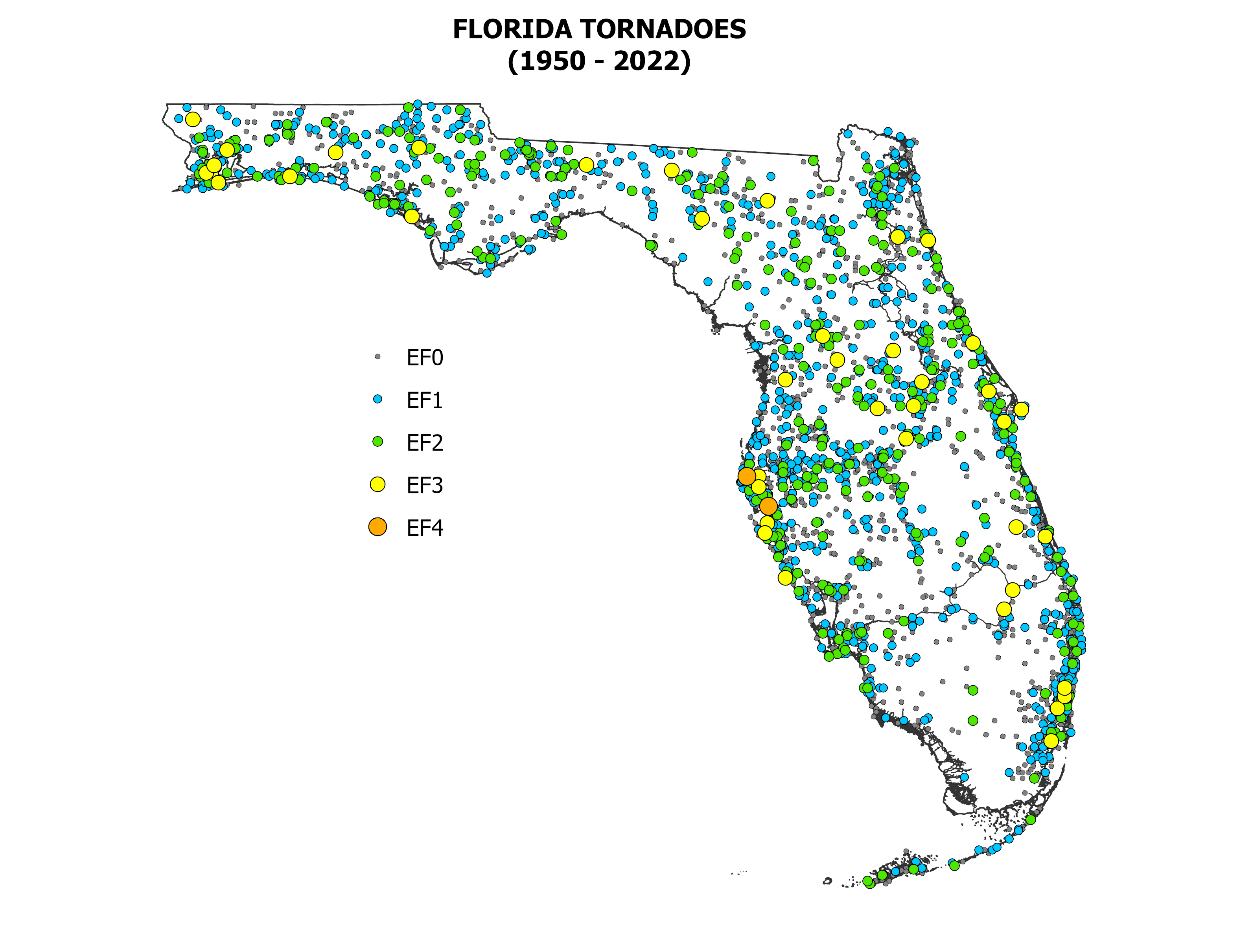
The straightforward answer is yes, Florida does experience tornadoes, and in fact, it consistently ranks among the top states in the United States for the total number of tornado occurrences annually. While this might sound alarming to those unfamiliar with the state’s meteorology, it’s crucial to understand the context, types, and implications for travel and daily life in the state. Unlike the powerful, long-track tornadoes often seen in the infamous Tornado Alley of the Midwest, Florida’s tornadoes tend to be weaker, shorter-lived, and localized. This doesn’t diminish their potential for damage but frames the risk in a more accurate perspective for anyone considering a trip or a move to this popular peninsula.
Understanding the unique atmospheric conditions that give rise to tornadoes in Florida is key to appreciating both the risk and the state’s remarkable resilience. The combination of warm, moist air from the Atlantic Ocean and the Gulf of Mexico, coupled with frontal systems or tropical disturbances, creates an environment ripe for thunderstorm development, which can, in turn, spawn tornadoes. For travelers and those seeking accommodation, being informed about these weather patterns is an essential part of a well-rounded travel plan, ensuring a safe and enjoyable experience.
Understanding Florida’s Tornado Landscape
Florida’s unique geographical position, surrounded by warm ocean waters, makes it susceptible to various weather phenomena, including tropical storms, hurricanes, and, consequently, tornadoes. The state’s flat terrain and abundant moisture contribute to an atmospheric environment where convective storms can rapidly develop and strengthen.
A Common Phenomenon: Tornadoes in the Sunshine State
While Florida may not conjure images of swirling funnel clouds as readily as Oklahoma or Kansas, the data confirms its frequent encounters with tornadoes. The state typically records an average of 50-60 tornadoes each year, though this number can fluctuate significantly based on the severity of its hurricane seasons. What makes Florida’s tornadoes distinct is their prevalence of specific types. Many are “waterspouts” – tornadoes that form over water – which often move inland and become landspouts. These are generally weaker (EF0 to EF1 on the Enhanced Fujita scale) than their Midwestern counterparts, which are often associated with supercell thunderstorms. However, even weak tornadoes can cause considerable localized damage, particularly to structures not built to modern hurricane standards, and pose a risk to life if proper precautions are not taken.
Beyond waterspouts, tornadoes in Florida can also form from severe thunderstorms that develop ahead of cold fronts, especially during the cooler months. These “frontal tornadoes” can sometimes be stronger, exhibiting characteristics more akin to those found in other parts of the United States. The rapid development and often unheralded nature of these storms mean that early warning systems and awareness are paramount for both residents and the millions of tourists who visit popular destinations like Orlando, Miami, and Tampa annually. Understanding the distinction between these types of tornadoes helps in assessing risk and taking appropriate action, whether you’re relaxing on a beach or exploring a bustling city center.
The Influence of Hurricanes and Tropical Storms
A significant portion of Florida’s tornado activity is directly linked to hurricanes and tropical storms. These massive weather systems, while primarily known for their devastating winds, heavy rainfall, and storm surge, are also prolific tornado producers. Tornadoes associated with tropical cyclones typically form in the outer rain bands, often well away from the storm’s center. These tornadoes are usually short-lived and relatively weak, but they can spin up quickly with little advanced warning, making them particularly dangerous. The right-front quadrant of a landfalling hurricane, relative to the storm’s direction of movement, is historically the most favorable area for tornado development.
For visitors booking accommodation during hurricane season (June 1st to November 30th), this correlation is crucial. While a direct hurricane hit might prompt evacuation, the outer bands of a distant storm can still bring tornado threats to areas like South Florida, Central Florida, or the Florida Panhandle. Resorts and hotels in these regions are generally well-prepared for such events, with emergency plans and communication systems in place to inform guests. When planning a trip or considering long-term stays, factoring in the potential for tropical systems and their associated tornado risk is a prudent step, reinforcing the importance of flexible travel plans and, potentially, travel insurance.
Peak Seasons and Geographical Vulnerabilities
Florida experiences two primary tornado seasons. The first occurs during the late winter and early spring months (February to April), when strong cold fronts push southward into the warm, moist air over the peninsula. These frontal systems can generate powerful squall lines capable of producing more significant tornadoes, particularly across North Florida and the Florida Panhandle, affecting cities like Tallahassee and Jacksonville. The second, and often more active, season aligns with the Atlantic hurricane season, running from June through November, with a peak from August to October. During this period, tornadoes are commonly spawned by tropical cyclones, affecting coastal and inland areas alike, including metropolitan hubs such as Miami and Tampa.
Geographically, no part of Florida is entirely immune, but some regions statistically experience more activity. The Florida Panhandle and North Florida tend to see more tornadoes during the winter/spring season due to the influence of cold fronts tracking across the southern United States. During hurricane season, coastal areas and regions directly in the path of tropical storm bands are at higher risk. Cities like Orlando, a major tourist destination, are also susceptible to tornadoes, especially those associated with tropical systems moving inland from either the Gulf of Mexico or the Atlantic Ocean. Awareness of these seasonal and geographical patterns can help travelers choose the best time and location for their Florida experience, ensuring peace of mind whether they are looking for budget travel options or luxury resorts.
Preparing for Severe Weather: Safety for Travelers and Residents
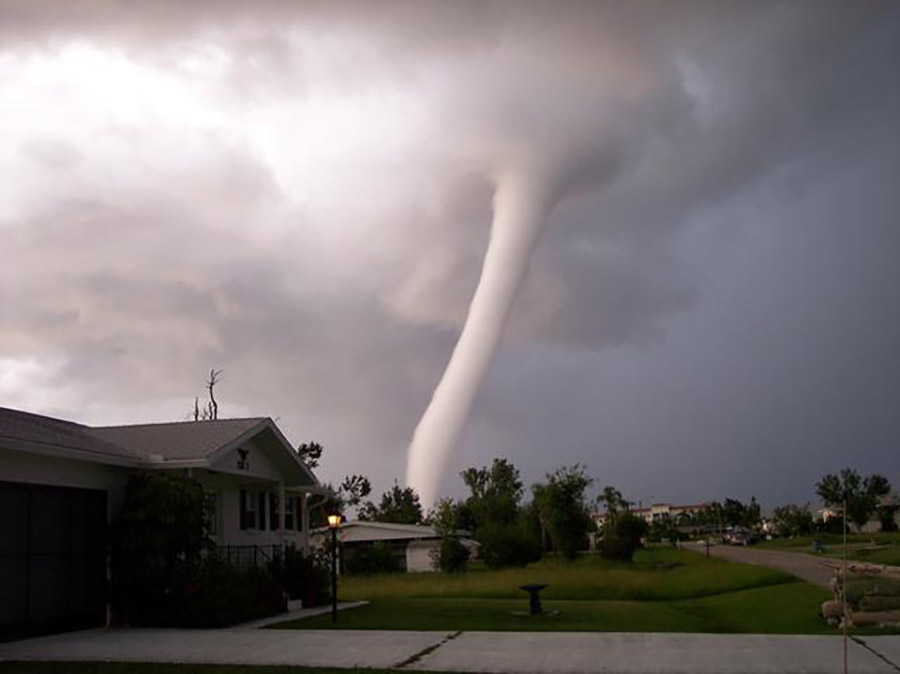
While tornadoes in Florida are a known phenomenon, they do not detract from the state’s immense appeal as a travel and lifestyle destination. Instead, it highlights the importance of preparedness and awareness, qualities that Florida excels at due to its long history of managing severe weather. For both tourists and those considering a long-term stay, understanding safety protocols is an integral part of navigating the Sunshine State successfully.
Essential Safety Tips and Alert Systems
Staying informed is the first line of defense against severe weather. The National Weather Service (NWS) plays a critical role in monitoring weather patterns and issuing timely warnings. Travelers should always pay attention to local weather forecasts, especially when severe weather is predicted. Many hotels and resorts, particularly those in areas like Orlando and Miami, have systems in place to alert guests to impending weather threats and guide them to safe areas within the property.
Key safety tips include:
- Stay Informed: Utilize smartphone weather apps, local news channels, and a NOAA Weather Radio for continuous updates. Many state and local emergency management agencies also offer free alert services via text or email.
- Know Your Shelter: If a tornado warning is issued, seek immediate shelter in the lowest level of a sturdy building, an interior room away from windows and doors, or a designated storm shelter. Avoid large, open rooms like auditoriums or gymnasiums.
- Mobile Homes and Vehicles: These offer little protection from tornadoes. If you are in a mobile home or vehicle during a tornado warning, seek a sturdy building or a designated public shelter immediately.
- Heed Evacuation Orders: During a hurricane or tropical storm, which can spawn numerous tornadoes, always follow evacuation orders issued by local authorities.
- Have a Plan: If traveling with family, discuss what to do and where to meet in case of an emergency. This peace of mind is crucial for family trips.
For those staying in vacation rentals or apartments, it’s wise to familiarize yourself with the property’s severe weather plan upon arrival. Many accommodations in Florida are built to rigorous hurricane standards, but knowing the safest spot within your lodging can make all the difference.
Travel Insurance and Emergency Planning
For tourists visiting Florida, especially during the hurricane and tropical storm season, travel insurance is a highly recommended consideration. While it may not prevent a tornado, it can provide crucial financial protection in case your travel plans are disrupted by severe weather. This could include coverage for trip cancellations or interruptions, flight delays, lost luggage, or unexpected accommodation expenses if you need to extend your stay or move to a different location. Policies vary, so it’s essential to read the fine print and understand what weather-related events are covered.
Beyond insurance, a personal emergency plan is invaluable.
- Emergency Kit: While less critical for short-term travelers, knowing where to find essentials like a flashlight, first-aid kit, and water in your hotel room can be helpful. For long-term stays or road trips, having a basic kit in your car is advisable.
- Communication: Keep your phone charged and have a list of emergency contacts, including your hotel, airline, and travel insurance provider.
- Documentation: Keep copies of important documents (ID, reservations, insurance policies) in a waterproof bag, both physical and digital.
- Cash: In the event of power outages, ATMs and credit card machines may not work, so having some cash on hand is always a good idea.
Many Florida tourism boards and emergency management websites offer comprehensive guides for visitors on how to prepare for severe weather, reinforcing the state’s commitment to visitor safety. These resources provide localized information that can be highly beneficial, whether you’re planning an adventurous experience or a relaxing retreat.
Florida’s Resilience: Tourism and Lifestyle Amidst Weather Challenges
Despite the potential for severe weather, including tornadoes, Florida remains an incredibly resilient state, consistently attracting millions of visitors and new residents drawn to its unique lifestyle and unparalleled attractions. The state’s proactive approach to weather preparedness and its robust infrastructure play a significant role in maintaining its status as a world-class destination.
Exploring Florida’s Attractions Safely
From the pristine shores of Naples to the vibrant nightlife of Miami Beach, and the family-friendly fun of Busch Gardens Tampa Bay or the scientific marvels of Kennedy Space Center, Florida offers an endless array of experiences. Theme parks like Walt Disney World Resort and Universal Orlando Resort have sophisticated weather monitoring systems and protocols in place. Rides may temporarily close during lightning storms or high winds, and guests are directed to indoor facilities for safety. These measures, while occasionally causing minor disruptions, are designed to ensure visitor well-being and are part of the operational excellence expected from such renowned attractions.
Many Florida hotels and resorts are not just places to stay; they are meticulously designed accommodations that prioritize guest safety and comfort through various weather conditions. Luxury resorts, boutique hotels, and even budget-friendly options often provide internal communication systems, designated safe zones, and well-trained staff to assist guests during severe weather events. For those considering long-term stays or buying property, the state’s building codes are among the strictest in the United States, constantly updated to enhance resilience against hurricane-force winds and other extreme weather. This focus on resilient infrastructure helps minimize the impact of weather events, allowing for quick recovery and minimal disruption to the tourism industry and local lifestyle.

The Enduring Appeal of the Sunshine State
The question “Does Florida have tornadoes?” often leads to a broader discussion about living and traveling in a state known for its dynamic weather. Ultimately, the presence of tornadoes, much like hurricanes, is a manageable risk that is well-understood and planned for by authorities, businesses, and residents. The vast majority of visits to Florida occur without any weather-related incidents, and for good reason. The state’s appeal—its warm climate, diverse landscapes, rich culture, and endless activities—far outweighs these intermittent concerns.
Whether you’re exploring the historic streets of St. Augustine, enjoying the art scene in Gainesville, or simply soaking up the sun on a Gulf Coast beach, Florida continues to offer unparalleled experiences. The key to a fulfilling Florida experience lies in informed planning and adherence to safety guidelines, ensuring that any potential weather challenges are met with readiness rather than fear. From world-class hotels and resorts offering exceptional amenities to a vibrant local culture and an array of outdoor activities, Florida remains a prime choice for travelers seeking both relaxation and adventure, confidently navigating its climate with preparedness and resilience. The enduring spirit of the Sunshine State ensures that its charm and allure persist, inviting visitors from all corners of the globe to discover its many wonders, come rain or shine, or even an occasional tornado.
LifeOutOfTheBox is a participant in the Amazon Services LLC Associates Program, an affiliate advertising program designed to provide a means for sites to earn advertising fees by advertising and linking to Amazon.com. Amazon, the Amazon logo, AmazonSupply, and the AmazonSupply logo are trademarks of Amazon.com, Inc. or its affiliates. As an Amazon Associate we earn affiliate commissions from qualifying purchases.