
The story of how the United States came to possess the sun-drenched peninsula of Florida is a complex tapestry woven with diplomatic intrigue, military maneuvering, and shifting geopolitical ambitions. This acquisition was not a singular event but rather a protracted process involving multiple European powers, each with their own claims and strategic interests. From its initial exploration by Spain to its eventual cession to the burgeoning American nation, Florida’s journey is a fascinating chapter in North American history, deeply intertwined with the development of Landmarks and the very definition of American territory. Understanding this acquisition offers profound insights into the historical forces that shaped the southeastern United States and continues to influence the region’s rich cultural and geographical identity.
Early European Claims and Colonial Rivalries
The initial European encounter with Florida set the stage for centuries of competition and conflict. The vast, verdant land, rich in resources and strategically positioned, became a prize sought by ambitious European monarchies. These early claims and the subsequent colonial endeavors laid the groundwork for future disputes and ultimately, the eventual transfer of sovereignty.
The Spanish Foundation and Early Exploration
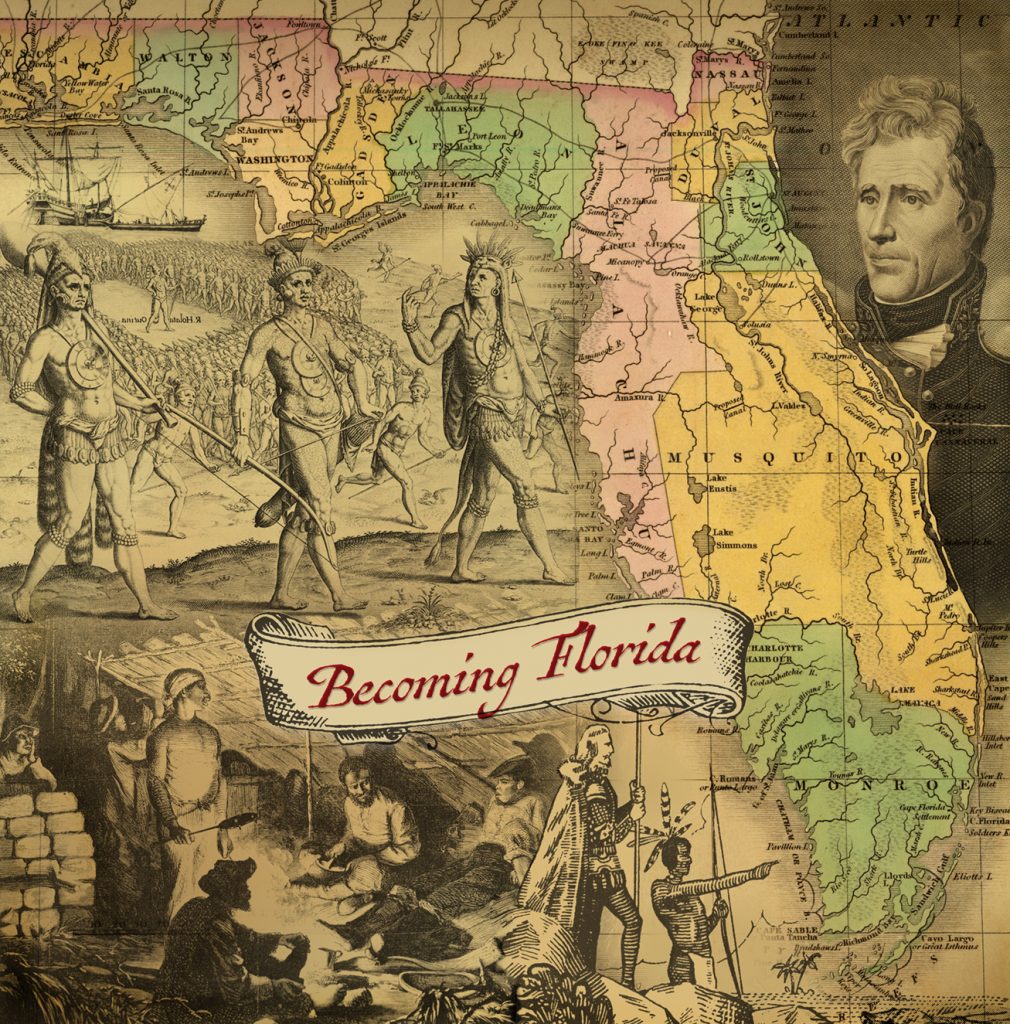
The first European footsteps on Florida soil belonged to the Spanish. In 1513, the explorer Juan Ponce de León landed on the eastern coast, claiming the territory for Spain and christening it “La Florida” in honor of the Easter season (“Pascua Florida”). His primary motivation, according to legend, was the search for the mythical Fountain of Youth, though the acquisition of land and potential resources for the Spanish Empire were undoubtedly significant factors. Spain established numerous missions throughout the peninsula, seeking to convert the indigenous populations and solidify their territorial claims. These early settlements, though often struggling against the harsh environment and indigenous resistance, marked the beginning of Florida’s colonial era under Spanish rule. Over the subsequent centuries, Spanish influence waxed and waned, but their foundational presence remained a persistent claim.
French Encroachment and the Outbreak of Conflict
As Spanish dominance began to solidify, other European powers cast their eyes towards the strategically vital Florida region. In 1564, the French Huguenots established Fort Caroline near the mouth of the St. Johns River, challenging Spanish hegemony. This aggressive move was met with swift and brutal retaliation from Spain. In 1565, Pedro Menéndez de Avilés founded St. Augustine, the oldest continuously inhabited European-established settlement in the United States, and subsequently destroyed Fort Caroline, eliminating the French presence. This decisive action reaffirmed Spanish control but also highlighted the escalating rivalry for North American territories, a dynamic that would define the colonial landscape for generations. The Spanish continued to view Florida as a crucial buffer zone protecting their valuable trade routes and their more established colonies in Mexico and the Caribbean.
The Shifting Tides of Power: Britain and Florida
The balance of power in Florida began to shift dramatically in the 18th century, as Great Britain emerged as a formidable colonial force. Through a series of wars and treaties, Britain gradually eroded Spanish influence, setting the stage for another significant transfer of territory.

The Treaty of Paris and British Ascendancy
The conclusion of the Seven Years’ War (known as the French and Indian War in North America) in 1763 proved to be a pivotal moment. Under the terms of the Treaty of Paris, Spain ceded Florida to Great Britain in exchange for the return of Havana, Cuba, which Britain had captured during the war. This marked the first time Florida fell under non-Spanish European control. The British divided Florida into two colonies: East Florida and West Florida, with St. Augustine serving as the capital of the East and Pensacola becoming the capital of the West. The British implemented new administrative policies, encouraged settlement through land grants, and fostered economic development, particularly through the cultivation of crops like sugar and indigo. This period of British rule, though relatively short-lived, introduced new cultural influences and infrastructural developments to the peninsula.
The American Revolution and Spanish Reacquisition
During the American Revolutionary War, Florida remained loyal to the British Crown. However, the conflict also presented an opportunity for Spain to reclaim its lost territories. Allied with the American revolutionaries, Spain launched campaigns against British Florida. Spanish forces successfully captured Pensacola in 1781, effectively ending British rule in West Florida. When the Treaty of Paris concluded the American Revolutionary War in 1783, Spain was able to regain control of both East and West Florida from the British. This second period of Spanish rule, while a return to familiar governance, occurred in a rapidly changing North American context, with the newly independent United States growing in power and ambition along Florida’s northern border.
The Final Transfer: From Spain to the United States
The early 19th century witnessed the growing desire of the United States to acquire Florida, driven by strategic, economic, and security concerns. This aspiration culminated in a diplomatic resolution that brought the peninsula under American control.
Growing American Ambitions and Border Disputes
As the United States expanded westward and southward, Florida became an increasingly attractive and problematic possession for Spain. American settlers, particularly in the adjacent state of Georgia, frequently encroached upon Spanish territory, leading to disputes over land and property. Furthermore, Florida served as a refuge for Native American tribes, such as the Seminole, who often conducted raids into American territory. The Seminole Wars became a significant drain on American resources and a source of considerable friction with Spain, which was perceived as unable to control the activities of the tribes within its borders. American politicians, including President James Monroe, made it clear that they desired Florida, seeing it as essential for national security and westward expansion.
The Adams-Onís Treaty and the Cession of Florida
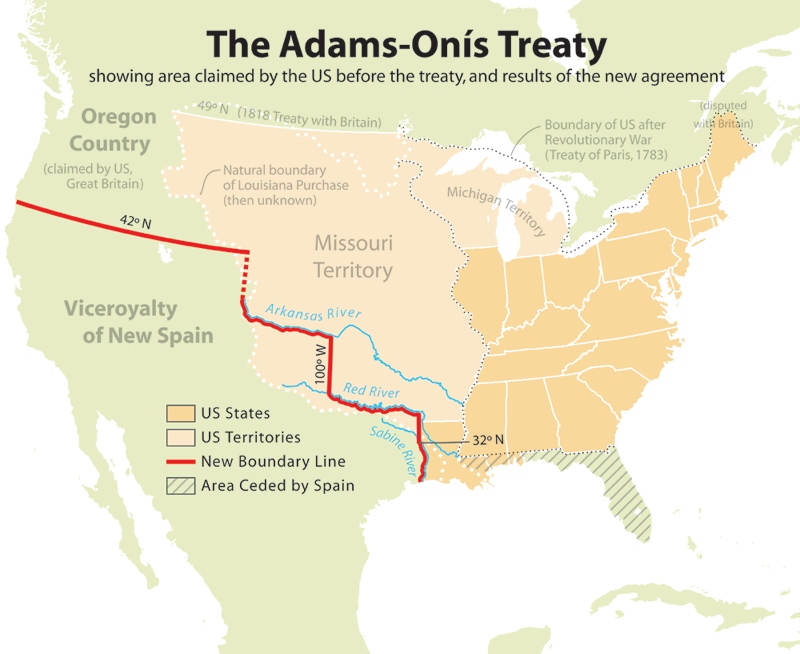
The culmination of these pressures and desires arrived in 1819 with the signing of the Adams-Onís Treaty, also known as the Transcontinental Treaty. Negotiated by U.S. Secretary of State John Quincy Adams and Spanish Minister Luis de Onís y González-Vara, the treaty formally ceded Florida to the United States in exchange for the U.S. relinquishing its claims to Texas and agreeing to pay $5 million in claims of American citizens against the Spanish government. This diplomatic triumph effectively resolved the long-standing border disputes and brought Florida under American sovereignty. The official transfer of territory occurred in 1821, marking a new era for the peninsula and a significant expansion of the United States. The acquisition of Florida not only provided valuable land and resources but also secured the southern border of the United States and opened up new opportunities for trade and settlement, solidifying its position as a major continental power.
LifeOutOfTheBox is a participant in the Amazon Services LLC Associates Program, an affiliate advertising program designed to provide a means for sites to earn advertising fees by advertising and linking to Amazon.com. Amazon, the Amazon logo, AmazonSupply, and the AmazonSupply logo are trademarks of Amazon.com, Inc. or its affiliates. As an Amazon Associate we earn affiliate commissions from qualifying purchases.