
Florida is renowned globally as a premier destination for travel, tourism, and hospitality. From the pristine beaches of South Beach and the enchanting theme parks of Orlando to the vibrant culture of Miami and the historic charm of Key West, the Sunshine State offers an unparalleled experience for millions of visitors annually. This thriving ecosystem presents incredible opportunities for entrepreneurs looking to launch or expand businesses in sectors ranging from luxury resorts and boutique hotels to unique tour operators and local eateries. However, before you can welcome your first guest or provide your first service, understanding and obtaining the necessary business licenses in Florida is a critical first step.
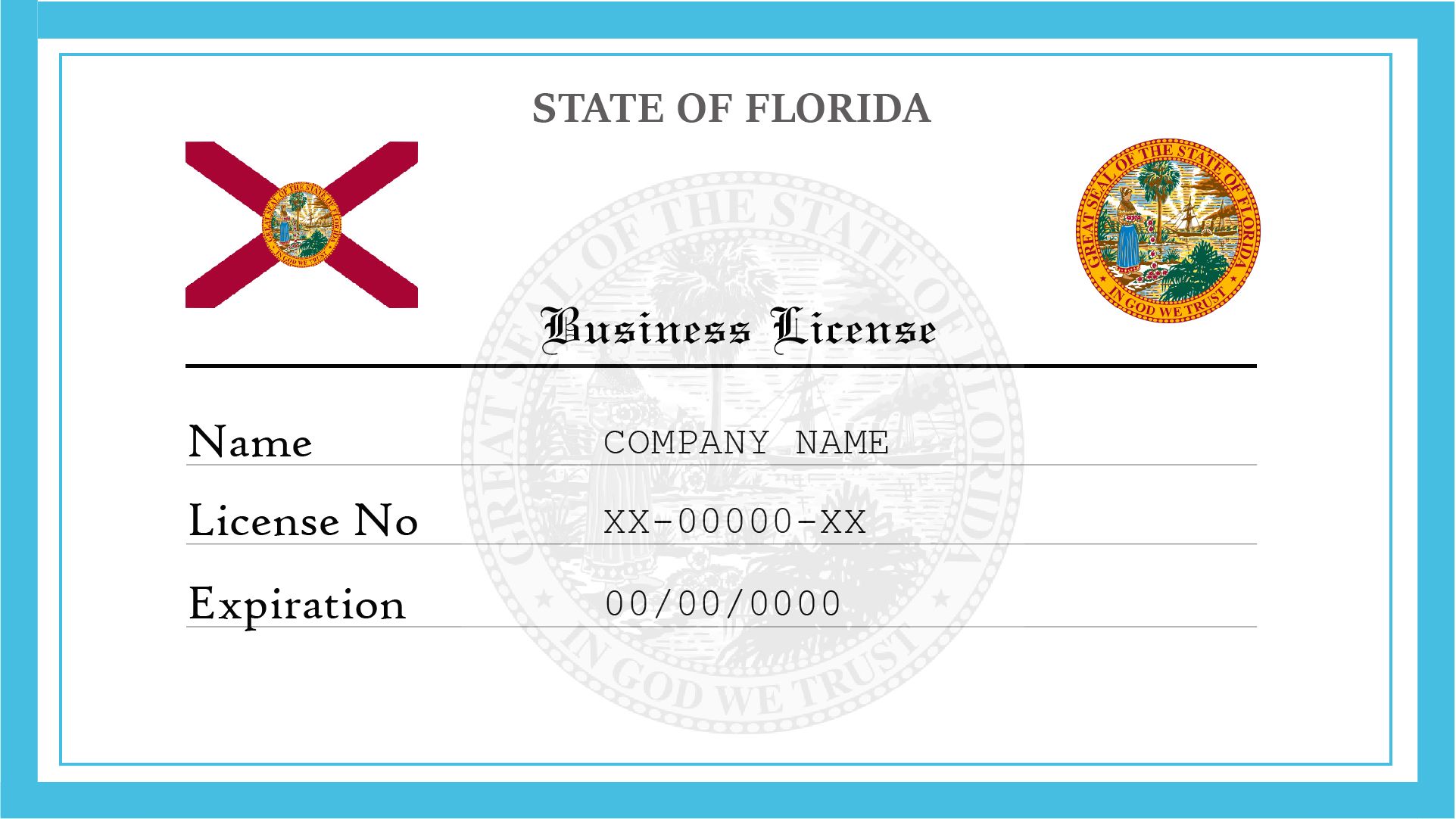
Navigating the labyrinth of state, county, and municipal regulations can seem daunting, but it’s a fundamental requirement for legal operation and long-term success. This comprehensive guide will walk you through the essential steps and considerations for acquiring a business license in Florida, with a particular focus on the unique demands of the travel, tourism, and accommodation industries. We’ll delve into the specific licenses and permits you’ll likely need, key agencies to interact with, and tips for staying compliant in this dynamic environment. Whether you’re planning to open a new resort, offer guided Everglades tours, or manage a portfolio of vacation rentals, having the correct business licenses is your passport to operating lawfully and responsibly in one of the world’s most competitive and rewarding markets.
Understanding the Landscape: Why Florida Businesses Need Licenses
Operating any business legally in Florida necessitates obtaining the appropriate licenses and permits. This isn’t just bureaucratic red tape; it’s a vital framework designed to protect consumers, ensure fair competition, and uphold public safety standards. For businesses in the travel and tourism industry, where customer experience and trust are paramount, proper licensing is even more critical.
The Importance of Compliance in the Sunshine State
Compliance with licensing requirements serves several crucial purposes. Firstly, it ensures that businesses meet minimum operational standards, protecting consumers from fraudulent or unsafe practices. For instance, a licensed hotel or vacation rental signifies that the property has passed safety inspections and adheres to lodging regulations, offering peace of mind to guests. Secondly, licensing fosters a level playing field among businesses. When everyone follows the rules, it prevents unfair advantages that could arise from cutting corners on safety, sanitation, or regulatory fees. Lastly, compliance safeguards your business’s reputation. Operating without the necessary licenses can lead to severe penalties, including hefty fines, forced closure, and significant damage to your brand, which can be particularly devastating in an industry heavily reliant on positive reviews and word-of-mouth.
Furthermore, being a licensed entity often grants access to various business support programs, allows you to open commercial bank accounts, and provides legitimacy when dealing with suppliers, insurance providers, and potential investors. In a state like Florida, where tourism is a cornerstone of the economy, local authorities are keen to ensure that all businesses contributing to the visitor experience operate professionally and responsibly. This commitment to quality and safety ultimately enhances Florida’s appeal as a world-class destination, benefiting all businesses within its borders.
Different Tiers of Licensing: State, County, and City
One of the complexities of securing a business license in Florida is understanding that licensing requirements operate on multiple governmental levels: state, county, and city. It’s rare for a business to only need a single license; most will require a combination of permits from these different tiers.
State-Level Licenses: These typically pertain to specific professions or industries that require specialized oversight, such as real estate brokers, restaurant operators, or short-term accommodation providers. The Florida Department of Business and Professional Regulation (DBPR) is a primary agency for many of these licenses, overseeing everything from hotel and restaurant licenses to professional occupational licenses. The Florida Department of Revenue (DOR) is also crucial for obtaining a sales tax certificate if your business sells goods or services subject to sales tax.
County-Level Licenses: Every business operating in a county in Florida generally needs a county business tax receipt, sometimes referred to as an occupational license. These are typically issued by the county’s tax collector or a similar department. The fees vary by county and often depend on the type of business, the number of employees, or projected revenue. For example, a business in Orange County (home to Orlando’s major theme parks) will have specific requirements distinct from those in Monroe County (Key West).
City-Level Licenses: If your business is located within the corporate limits of a city, you will almost certainly need a municipal business tax receipt (or occupational license) from that city. Like county licenses, these are issued by the city’s licensing department or clerk’s office, and fees and requirements differ significantly from one municipality to another. A hotel in downtown Miami will have different city-level requirements than a guesthouse in St. Petersburg or a tour operator in Naples. It’s essential to research the specific requirements for both the county and the city where your business will operate. Neglecting any of these tiers can lead to non-compliance and potential penalties.
Navigating the Florida Business License Process
The process of obtaining a business license in Florida involves a series of steps that ensure your business is legally registered, compliant with tax laws, and meets industry-specific standards. While the exact requirements can vary based on your business type and location, a general roadmap can guide you through the journey.
Step-by-Step Guide to Getting Your General Business License
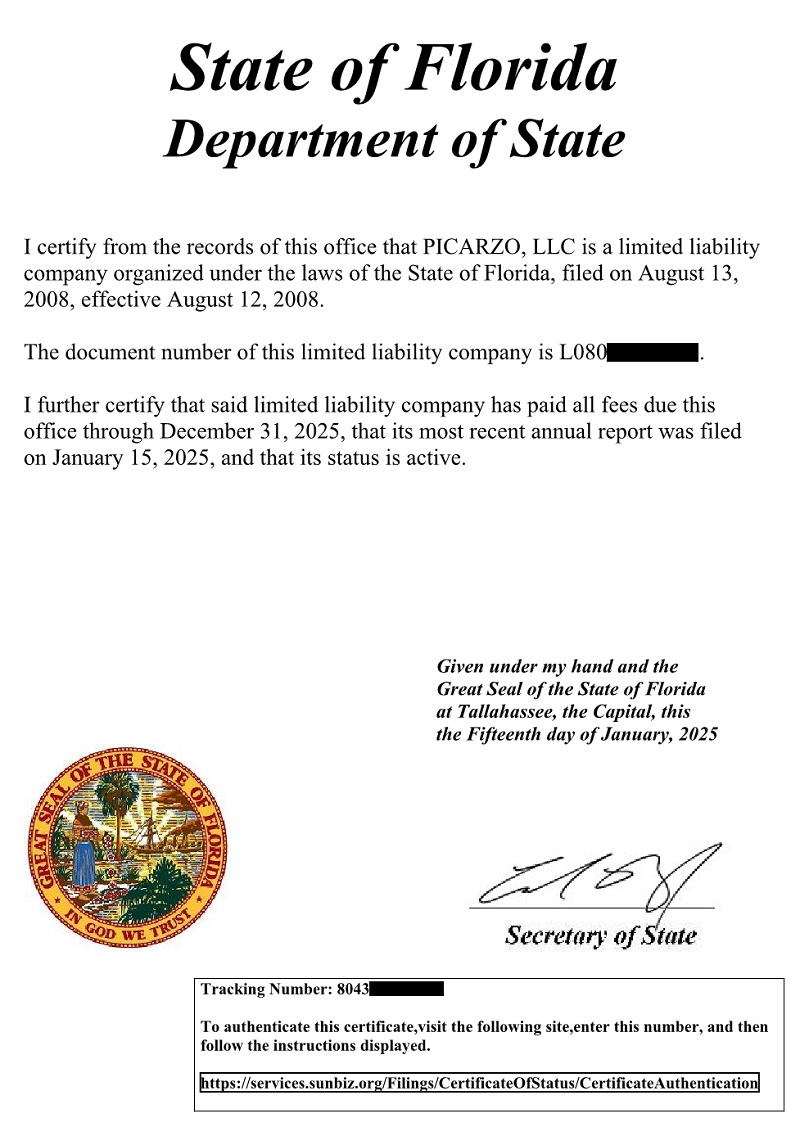
- Register Your Business Entity: Before you can apply for licenses, your business structure (sole proprietorship, partnership, LLC, corporation) must be formally registered with the Florida Department of State, typically through Sunbiz.org. This step establishes your legal business name and entity in the state.
- Obtain a Federal Employer Identification Number (EIN): If your business will have employees or is structured as a corporation or partnership, you’ll need an EIN from the Internal Revenue Service (IRS). This is essentially a social security number for your business and is required for tax purposes. Even sole proprietors without employees might get an EIN to keep personal and business finances separate.
- Secure State-Specific Licenses and Permits: Depending on your industry, you may need specific licenses from various state agencies. For travel and hospitality businesses, key agencies include:
- Florida Department of Business and Professional Regulation (DBPR): Oversees licenses for hotels, motels, restaurants, and certain professional occupations.
- Florida Department of Revenue (DOR): Issues sales tax certificates for businesses that collect sales tax on goods or services. You will also register for reemployment tax (unemployment insurance) here if you have employees.
- Florida Department of Agriculture and Consumer Services (FDACS): Regulates certain food establishments, travel agencies (as “sellers of travel”), and other consumer-facing businesses.
- Acquire Local Licenses (County and City Business Tax Receipts): As discussed, you will need to obtain a business tax receipt from the county tax collector’s office where your business is located. If your business is within city limits, you’ll also need one from the city’s licensing or clerk’s office. These typically require providing your federal EIN, state registration information, and details about your business operations.
- Check for Zoning and Environmental Compliance: Many businesses, especially those involving physical locations like hotels or restaurants, must comply with local zoning ordinances. Before committing to a location, verify that your intended business use is permitted in that zone. You may also need environmental permits, particularly if your business generates specific waste or impacts natural resources, which is common for businesses near sensitive Florida ecosystems.
- Obtain Specific Health and Safety Permits: Businesses that handle food (restaurants, cafes, hotel kitchens) or provide lodging must undergo health and safety inspections and obtain specific permits from the county health department or DBPR, depending on the exact nature of the service.
Key Agencies and Resources You’ll Encounter
Navigating the licensing process often means interacting with several governmental bodies. Here’s a rundown of the primary agencies and valuable resources:
- Florida Department of State (Sunbiz.org): Your first stop for business entity registration. This website is user-friendly and crucial for establishing your business’s legal presence.
- Florida Department of Business and Professional Regulation (DBPR): The go-to agency for many industry-specific licenses, especially within the hospitality sector. Their website provides detailed information on requirements for hotels, restaurants, and other regulated professions.
- Florida Department of Revenue (DOR): Manages sales tax registration, reemployment tax, and other state tax-related permits.
- Florida Department of Agriculture and Consumer Services (FDACS): Relevant for travel agencies (sellers of travel) and certain food-related businesses.
- County Tax Collector/Clerk’s Office: Each of Florida’s 67 counties has a specific office responsible for issuing county business tax receipts. You’ll need to identify the one for your specific county (e.g., Miami-Dade County, Hillsborough County for Tampa).
- City Clerk/Licensing Department: For businesses within city limits, this municipal department handles city business tax receipts and local permits.
- Local Small Business Development Centers (SBDCs): Part of a statewide network, Florida SBDCs offer free consulting and resources to help small businesses navigate licensing, business planning, and growth strategies.
- U.S. Small Business Administration (SBA): While a federal agency, the SBA provides valuable resources and guidance for starting and growing a business, including information on federal regulations and permits.
Specific Licensing for Travel & Hospitality Businesses in Florida
Given Florida’s status as a global tourism hub, several specific licensing requirements apply to businesses within the travel, accommodation, and hospitality sectors. Understanding these nuances is crucial for legal operation and success.
Hotels, Resorts, and Vacation Rentals
Operating any form of public lodging in Florida is highly regulated by the Florida Department of Business and Professional Regulation (DBPR), specifically through its Division of Hotels and Restaurants.
- Public Lodging Establishment License: This is mandatory for hotels, motels, resorts, bed & breakfasts, and any establishment renting rooms or units to transient guests for periods of less than 30 days or one calendar month, whichever is less. The DBPR categorizes licenses based on the type of establishment and the number of units. The application involves fees, inspections, and adherence to health and safety standards.
- Vacation Rentals: The rise of platforms like Airbnb and Vrbo has made vacation rentals incredibly popular, but they are also subject to strict regulations. Individual vacation rental units (homes, apartments, condos) rented for short terms must also obtain a public lodging establishment license from the DBPR. Additionally, many counties and cities have enacted specific ordinances for short-term rentals, often requiring:
- Local Vacation Rental Permits: Cities like Miami Beach, Fort Lauderdale, St. Petersburg, and Orlando have their own local registration or permitting processes, often with strict zoning restrictions on where short-term rentals can operate.
- Tourist Development Tax (TDT) Collection: Known as “bed tax” or “resort tax,” this is a local sales tax on transient rentals. Owners must register with the county’s tax collector and the Florida Department of Revenue to collect and remit this tax.
- Food Service Licenses: If your hotel or resort includes a restaurant, bar, or even provides complimentary breakfast, you will also need a separate food service license from the DBPR’s Division of Hotels and Restaurants. This involves additional inspections and adherence to food safety regulations.
Tour Operators and Travel Agencies
Businesses that facilitate travel, organize tours, or act as travel agents also face specific state-level regulations to protect consumers.
- Seller of Travel Registration: In Florida, companies that sell or offer to sell travel services to the public are generally required to register as a “Seller of Travel” with the Florida Department of Agriculture and Consumer Services (FDACS). This registration ensures consumer protection by requiring businesses to meet certain financial and ethical standards. Exemptions may apply, so it’s important to check the specific criteria.
- Local Activity Permits: Tour operators offering specific activities might need additional local permits. For example:
- Water-Based Tours: Companies offering boat tours, fishing charters, or watersports rentals in areas like Key Largo or Clearwater Beach may need permits from the Florida Fish and Wildlife Conservation Commission (FWC) or local marine authorities.
- Everglades Tours: Airboat operators in the Everglades National Park or similar protected areas will have highly specific environmental and operational permits.
- Street Vendors/Kiosks: If your tour business involves operating a kiosk or selling services from a mobile unit in a public space, you’ll need city permits and potentially zoning approval.
- Transportation Licenses: If your tour business provides transportation (e.g., shuttle services to attractions like Disney World or Universal Studios), you may need specific commercial vehicle registration, driver’s licenses, and insurance requirements regulated by the Florida Department of Highway Safety and Motor Vehicles (FLHSMV) and local transportation authorities.
Food Service and Retail Establishments
Many travel and tourism businesses, whether standalone or part of a larger accommodation, include food service or retail components.
- Food Service Establishment License: As mentioned, any establishment preparing or serving food to the public needs a license from the DBPR’s Division of Hotels and Restaurants or, in some cases, the FDACS for certain types of food operations (e.g., bakeries, convenience stores selling pre-packaged goods). This includes regular inspections to ensure compliance with food safety regulations.
- Alcohol Beverage License: If your establishment plans to sell or serve alcoholic beverages, you’ll need a license from the Florida Department of Business and Professional Regulation’s Division of Alcoholic Beverages and Tobacco. These licenses are highly specific, based on the type of alcohol, whether it’s for on-premises or off-premises consumption, and local zoning laws.
- Retail Store License: For souvenir shops, gift shops within hotels, or other retail outlets, beyond the general county and city business tax receipts, you will primarily need to ensure you have a sales tax certificate from the Florida Department of Revenue to collect and remit sales tax. Depending on the products sold (e.g., specific food items, lottery tickets), additional permits might be necessary.
Maintaining Your License and Staying Compliant
Obtaining your initial business licenses is a significant accomplishment, but it’s only the beginning. Staying compliant in Florida’s dynamic regulatory environment requires ongoing vigilance and adherence to renewal schedules and updated requirements.
Renewals and Ongoing Requirements
Almost all business licenses and permits in Florida are not permanent; they require annual or biennial renewal. You are responsible for knowing your renewal dates and completing the necessary paperwork and fee payments on time. Many agencies, such as the DBPR and county tax collectors, will send renewal notices, but relying solely on these can be risky. It’s prudent to keep a detailed log of all your licenses, their expiration dates, and the responsible agencies.
Beyond renewals, some licenses may entail ongoing requirements, such as periodic inspections (especially for hotels, restaurants, and tour operators), maintaining specific insurance coverages, or fulfilling continuing education requirements for professional licenses. For example, lodging establishments and food service operations will undergo regular health and safety inspections to ensure they continue to meet state standards. Failing an inspection can lead to temporary closure or remediation orders.

Avoiding Penalties and Ensuring Smooth Operations
The consequences of non-compliance with Florida’s licensing laws can be severe, ranging from monetary fines to civil penalties, suspension or revocation of licenses, and even criminal charges in some instances. Operating without a required license can halt your business operations entirely, causing significant financial losses and reputational damage.
To avoid these pitfalls, consider the following best practices:
- Stay Organized: Maintain a centralized, easily accessible record of all your licenses, permits, applications, and correspondence with regulatory agencies.
- Set Reminders: Implement a system (digital calendar, alerts) for renewal dates well in advance.
- Stay Informed: Regularly check the websites of relevant state, county, and city agencies for updates to regulations. Laws and ordinances can change, especially in rapidly growing areas like Tampa, Jacksonville, or Fort Myers.
- Seek Professional Guidance: If you’re unsure about specific requirements, consult with a Florida business attorney or an SBDC advisor. Their expertise can save you time, money, and potential headaches.
- Budget for Fees: Incorporate license fees, renewal costs, and potential inspection fees into your annual operating budget.
Securing and maintaining the proper business licenses in Florida is not merely a legal obligation; it’s a foundational element of building a successful and sustainable business, particularly within the competitive and customer-centric travel and hospitality industries. By carefully navigating the multi-tiered licensing process, staying informed, and prioritizing compliance, you can ensure your venture thrives legally and responsibly in the Sunshine State’s vibrant economy. Your diligent efforts will not only protect your business but also contribute to Florida’s enduring reputation as a world-class destination for visitors and entrepreneurs alike.
LifeOutOfTheBox is a participant in the Amazon Services LLC Associates Program, an affiliate advertising program designed to provide a means for sites to earn advertising fees by advertising and linking to Amazon.com. Amazon, the Amazon logo, AmazonSupply, and the AmazonSupply logo are trademarks of Amazon.com, Inc. or its affiliates. As an Amazon Associate we earn affiliate commissions from qualifying purchases.