
For individuals passionate about travel, exploring new destinations, and embracing a flexible lifestyle, the idea of a traditional 9-to-5 job might feel restrictive. Yet, a fulfilling career or a lucrative side hustle that complements a dynamic lifestyle is entirely within reach. Becoming a notary public in Florida offers precisely this blend of professional responsibility and personal freedom, providing a valuable skill set that can be leveraged across various sectors, including the bustling tourism and accommodation industries. Imagine being able to provide essential services to fellow travelers, international business professionals, or even local residents navigating complex paperwork, all while enjoying the Sunshine State’s vibrant culture and breathtaking landmarks.

A notary public serves as an impartial witness to the signing of important documents and helps deter fraud. In a state as diverse and economically active as Florida, where tourism thrives, real estate transactions are constant, and businesses flourish, the demand for reliable notary services is perpetually high. Whether you dream of being a digital nomad, enhancing your income to fund more adventures, or simply adding a valuable credential to your resume, understanding the path to becoming a notary public in Florida is your first step towards unlocking these possibilities. This comprehensive guide will walk you through the entire process, from eligibility to leveraging your commission in a travel-centric lifestyle.
Eligibility and Application: Your First Steps to Becoming a Florida Notary
Embarking on the journey to become a notary public in Florida begins with understanding the foundational requirements set forth by the state. These stipulations ensure that all appointed notaries are responsible, trustworthy individuals capable of upholding the integrity of official documents. It’s a straightforward process designed to be accessible, yet rigorous enough to maintain professional standards.
Meeting the Basic Requirements
Before you even fill out an application, you’ll need to confirm that you meet several key criteria. First and foremost, you must be at least 18 years of age. This fundamental age requirement ensures that notaries are adults capable of making sound judgments and understanding the legal implications of their duties. Secondly, you must be a legal resident of Florida. This isn’t just about having an address; it signifies a genuine connection to the state and its legal framework. While you don’t necessarily need to be a U.S. citizen, you must be a lawful permanent resident or otherwise legally authorized to work in the United States.
Perhaps one of the most critical requirements relates to your legal history: you must not have been convicted of a felony, even if your civil rights have been restored. Any felony conviction, regardless of how long ago it occurred or the nature of the offense, disqualifies an applicant from serving as a notary public in Florida. This strict rule underscores the importance of a notary’s role as an impartial and trustworthy public official. Additionally, you must be able to read, write, and understand the English language. This is crucial for properly understanding the documents you will be notarizing and for communicating effectively with signers. Meeting these basic requirements forms the bedrock of your notary application, setting the stage for the subsequent steps.
The Application Process Explained
Once you’ve confirmed your eligibility, the next phase involves navigating the application process itself. Unlike some states, Florida does not directly handle notary applications but instead relies on authorized bonding agencies. These agencies act as intermediaries, streamlining the submission process to the Florida Department of State, which is ultimately responsible for issuing notary commissions.
The core of your application will be a comprehensive application form, which gathers your personal details, residency information, and a declaration confirming your eligibility. You will also need to submit a surety bond. A surety bond is a type of insurance that protects the public from any financial harm caused by a notary’s negligence or misconduct. In Florida, a four-year, $10,000 surety bond is required. The cost of this bond is typically bundled with the application fee by the bonding agency. Beyond the bond, you must complete a mandatory three-hour notary education course. This course, often provided online by the bonding agencies, covers the fundamental principles, responsibilities, and legal aspects of being a notary public in Florida. It ensures all applicants have a baseline understanding of their duties before commencing their service. Upon completing these steps and submitting your application through an approved bonding agency, the Florida Department of State will review your submission. If approved, you will receive your notary commission, officially authorizing you to begin your service to the public.
Training and Understanding Your Role as a Notary
Beyond the administrative steps of application and bonding, a crucial component of becoming a successful and responsible notary public in Florida involves comprehensive training and a thorough understanding of your duties. This isn’t merely about completing a mandatory course; it’s about internalizing the ethical guidelines and legal requirements that underpin every notarization. This knowledge is what instills confidence in your abilities and protects both you and the public you serve.
The Importance of Notary Education
The state of Florida mandates a three-hour notary education course for all new applicants, and for good reason. This course is designed to equip you with the essential knowledge and practical understanding needed to perform your duties competently and legally. It covers a wide array of topics, starting with the fundamental legal responsibilities of a notary public, emphasizing the importance of impartiality and the prevention of fraud. You’ll learn about the different types of notarial acts, such as acknowledgements, oaths, and jurats, and the specific procedures required for each.
The course also delves into the ethical considerations that guide a notary’s conduct, ensuring you understand the boundaries of your authority and how to avoid conflicts of interest. Proper identification procedures are heavily emphasized, as verifying the identity of a signer is paramount to preventing fraudulent activities. Furthermore, you’ll be educated on record-keeping requirements, including the use of a notary journal, which is a vital tool for documenting your notarial acts and safeguarding against potential legal challenges. This education isn’t just a hurdle to clear; it’s an investment in your professional competence, providing you with the confidence to handle a variety of documents and situations that may arise, whether you’re working in a traditional office setting or offering mobile notary services to travelers staying at a St. Augustine resort.
Core Duties and Responsibilities
As a commissioned notary public in Florida, your role encompasses several critical duties, each requiring meticulous attention to detail and adherence to legal protocols. The primary function is to administer oaths and affirmations, which legally binds an individual to tell the truth. This is commonly seen in affidavits or depositions. You will also take acknowledgements, where a signer confirms to you that they willingly signed a document. This is often required for real estate deeds, contracts, or powers of attorney.
Another key duty is certifying copies of certain documents, such as a passport or driver’s license, though Florida law specifies limits on which documents can be certified. Unique to Florida notaries is the ability to perform marriage ceremonies. This can be a particularly rewarding aspect of the role, especially for those who enjoy being part of significant life events, perhaps even at scenic Key West beaches or elegant Sarasota venues. Additionally, notaries may be asked to verify vehicle identification numbers (VINs) for specific vehicle transactions. Regardless of the act, strict adherence to identity verification procedures, maintaining an accurate notary journal, and ensuring the signer understands the document they are signing are paramount responsibilities. These duties, when performed diligently, uphold the public trust and the integrity of the documents you notarize.
Leveraging Your Notary Commission in the Sunshine State Lifestyle
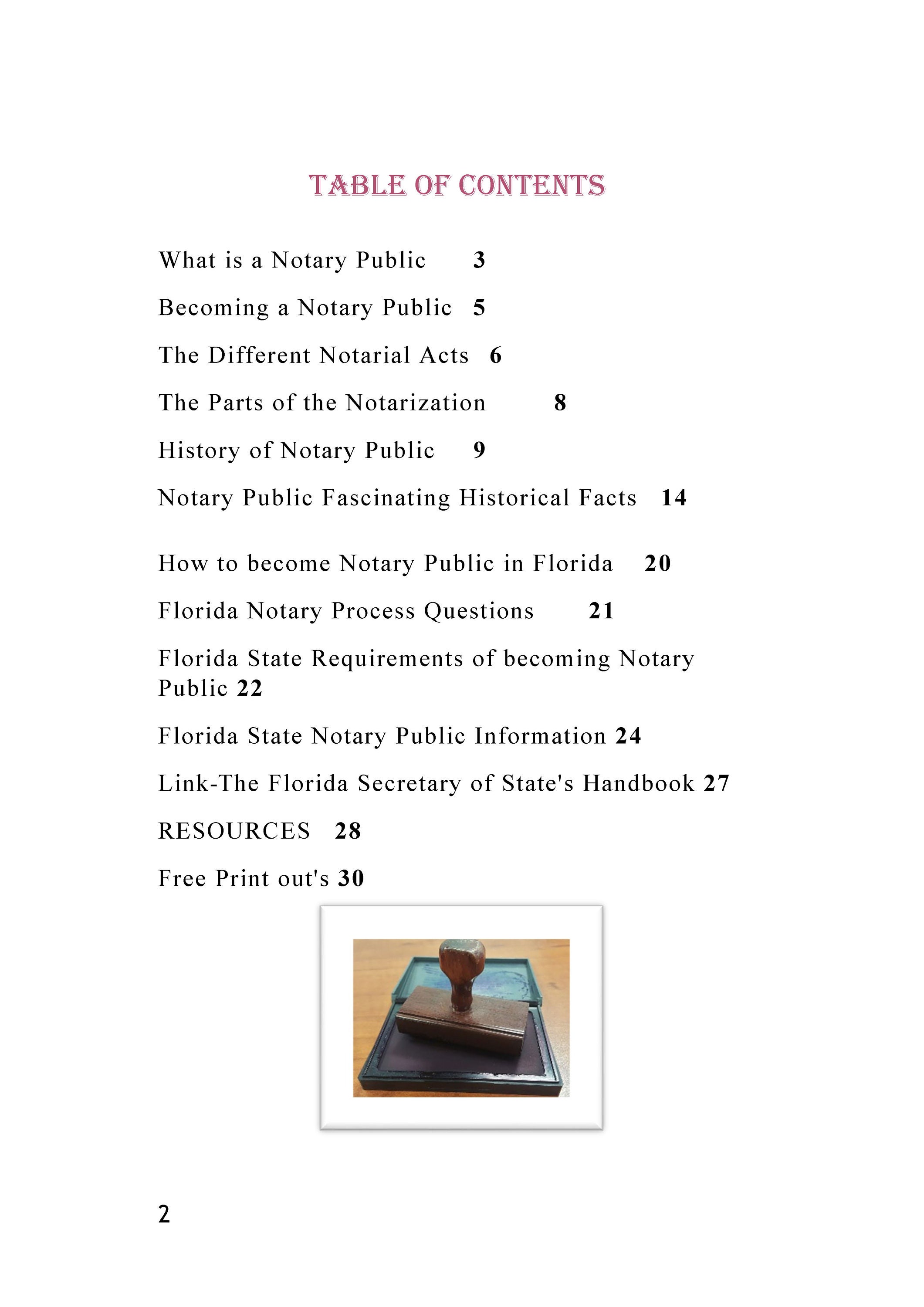
For those who cherish a dynamic lifestyle, particularly one that involves travel, the notary public commission in Florida offers an exciting avenue to blend professional work with personal passions. The flexibility and demand for notarial services make it an ideal complement to a life lived on the go, whether you’re exploring Miami’s vibrant South Beach or unwinding in the tranquility of Naples. This section explores how you can integrate your notary skills into a travel-centric or flexible work model.
Mobile Notary Services for Travelers and Tourists
Florida’s status as a premier global travel destination means there’s a constant influx of visitors, many of whom may unexpectedly require notarial services. As a mobile notary, you can offer unparalleled convenience by traveling directly to your clients, whether they are staying at a luxury resort like The Breakers Palm Beach, a business-focused hotel such as the Ritz-Carlton Orlando, Grande Lakes, or a cozy vacation rental in Fort Lauderdale. Imagine assisting a family needing a notarized consent form for minor children traveling internationally from Orlando or an executive finalizing an international business contract during a conference in Tampa.
This service model caters directly to the needs of travelers who are often pressed for time or unfamiliar with local resources. You could notarize property rental agreements for long-term vacationers, legal documents for international visitors, or even assist fellow digital nomads with their remote work paperwork. The ability to meet clients at their preferred location – be it a hotel lobby, a conference center near Walt Disney World, or even a coffee shop in Jacksonville – positions you as an indispensable resource. This not only provides a valuable service but also offers you the freedom to manage your schedule and explore different parts of Florida, turning what could be a static profession into an exciting, mobile venture.
Remote Online Notarization (RON): Notarizing from Anywhere
The advent of Remote Online Notarization (RON) has revolutionized the notary profession, making it perfectly aligned with a location-independent lifestyle. Florida is one of the states that has embraced RON, allowing notaries to perform official acts remotely using audio-visual technology over the internet. This means you can notarize documents for clients from virtually anywhere, whether you’re at home in Tallahassee, on a family trip near Universal Studios Florida, or even traveling abroad (as long as you are physically within the United States at the time of notarization and meet specific state requirements).
To become a remote online notary in Florida, you must first hold an active traditional notary commission. Subsequently, you’ll need to complete an additional RON-specific training course, pass an exam, and register with the Florida Department of State through an approved RON technology provider. This opens up a world of possibilities for those seeking ultimate flexibility. Imagine assisting clients with real estate closings from your Sarasota balcony, authenticating international business documents from a beachside villa in Clearwater, or verifying travel consent forms for families preparing for their next adventure, all without leaving your current location. RON empowers you to serve a broader clientele, transcending geographical limitations and seamlessly integrating your professional duties into a flexible, travel-oriented lifestyle.
Notary as a Complementary Income Stream for Lifestyle Enthusiasts
Beyond its inherent flexibility, becoming a notary public in Florida offers an excellent opportunity to generate a complementary income stream, directly supporting a desired lifestyle, whether it’s luxury travel, budget-friendly adventures, or simply more leisure time. The financial potential of a notary commission can be significant, especially when offering specialized services like mobile notary work or remote online notarization.
Many individuals leverage their notary skills as a side hustle, earning extra income in the evenings, on weekends, or during travel downtime. This can be particularly beneficial for those already working in tourism-related fields, such as travel agents, property managers for vacation rentals, or hotel staff, as they often encounter situations where notary services are needed. For instance, a property manager in Fort Myers could easily offer notarization of lease agreements, while a travel agent in Gainesville might assist clients with passport applications or international travel documents. The fees for notary services, while capped by Florida law for individual notarial acts (e.g., $10 per notarization), can add up quickly, especially when combined with travel fees for mobile services or specialized fees for RON. This financial flexibility can be channeled directly into funding travel experiences, supporting extended stays in fascinating destinations, or simply providing the financial cushion needed to embrace a more adventurous and independent way of life. It transforms the notary commission from a mere credential into a powerful tool for achieving personal and lifestyle goals.
Maintaining Your Commission and Reappointment
Once you’ve successfully navigated the application process and begun your work as a notary public in Florida, the journey isn’t over. Maintaining your commission and ensuring a seamless reappointment process are crucial steps to uphold your professional standing and continue providing valuable services. A notary’s commission is typically for a four-year term, making it essential to be aware of ongoing responsibilities and renewal procedures.
Keeping Up with Notary Best Practices
A responsible notary public understands that their role requires ongoing diligence and adherence to best practices. One of the most important aspects is meticulous record-keeping. While Florida law does not explicitly mandate a notary journal for traditional notarial acts (it is required for RON), it is highly recommended by experts and bonding companies. A notary journal serves as a comprehensive log of every notarial act you perform, documenting details such as the date, type of act, signer’s name, type of identification presented, and the fee charged. This journal provides invaluable protection for you in case of any legal challenge or dispute, offering clear evidence of your actions and compliance with the law.
Furthermore, the legal landscape is dynamic. Laws and regulations regarding notary services can change, so staying informed is paramount. Regularly reviewing updates from the Florida Department of State or through your bonding agency ensures you remain compliant with the latest requirements. This commitment to continuous learning and careful record-keeping reinforces your reliability and professionalism, vital attributes for a public official whose integrity is paramount.
The Reappointment Process
As your four-year commission term approaches its end, you’ll need to go through the reappointment process to continue serving as a notary public. It’s crucial to initiate this process well in advance of your commission’s expiration date to avoid any lapse in your ability to perform notarial acts. Most bonding agencies will send reminders as your expiration date approaches, but it’s ultimately your responsibility to track your commission’s validity.
The reappointment process is similar to the initial application but is often more streamlined. You will typically need to complete a new application form, secure a new four-year, $10,000 surety bond, and pay the associated fees. While a mandatory education course is not required for reappointment in Florida unless there have been significant legislative changes, it’s always wise to refresh your knowledge. Many notaries opt to take refresher courses or stay updated through professional notary associations. Timely reappointment ensures there’s no interruption in your service, allowing you to maintain your established client base, continue generating income, and further solidify your role as a trusted notary in the community, whether you’re facilitating property sales in Fort Lauderdale or assisting travelers in Miami.

Conclusion
Becoming a notary public in Florida is more than just obtaining a certification; it’s about acquiring a versatile skill that can significantly enhance your lifestyle and professional flexibility. From the initial eligibility checks and detailed application process, through the essential training that grounds you in legal responsibilities, to the ongoing commitment of maintaining your commission, each step is an investment in your personal and financial independence.
In a state celebrated for its vibrant tourism, thriving real estate markets, and bustling business centers, the demand for reliable notarial services is consistently high. Whether you aspire to provide convenient mobile notary services to guests at Florida’s countless hotels and resorts, leverage Remote Online Notarization to work from anywhere, or simply seek a robust complementary income stream to fuel your travel dreams and lifestyle aspirations, a Florida notary commission opens doors. It allows you to become an indispensable resource for individuals and businesses alike, offering a vital public service while simultaneously paving the way for a life rich in travel, experiences, and the freedom to define your own work-life balance within the beautiful Sunshine State. Embrace the opportunity, and unlock a world of possibilities that extend far beyond the notary stamp itself.
LifeOutOfTheBox is a participant in the Amazon Services LLC Associates Program, an affiliate advertising program designed to provide a means for sites to earn advertising fees by advertising and linking to Amazon.com. Amazon, the Amazon logo, AmazonSupply, and the AmazonSupply logo are trademarks of Amazon.com, Inc. or its affiliates. As an Amazon Associate we earn affiliate commissions from qualifying purchases.