
The notion of traversing the vast expanse between California on the Pacific Coast and Florida on the Atlantic often sparks a sense of wonder and adventure. These two iconic American states, synonymous with sunshine, diverse cultures, and world-class attractions, lie at opposite ends of the continental United States. Whether you’re planning a relocation, an epic cross-country road trip, or simply curious about the logistics of connecting these vibrant destinations, understanding the journey is the first step toward an unforgettable experience.
This article delves into the geographic realities, various travel options, and what to expect when embarking on such a significant journey. From the bustling metropolises of Los Angeles and Miami to the serene beaches and theme park capitals of Orlando and Anaheim, the distance between California and Florida represents more than just miles; it’s a journey across diverse landscapes, cultures, and an opportunity to experience the heart of America. Our focus will extend beyond mere mileage, exploring the planning involved, the travel experiences you can anticipate, and the best ways to ensure a comfortable and memorable trip, aligning with the myriad topics from travel guides and accommodation options to lifestyle choices for every kind of traveler.
The Geographic Gap: Understanding the Distance
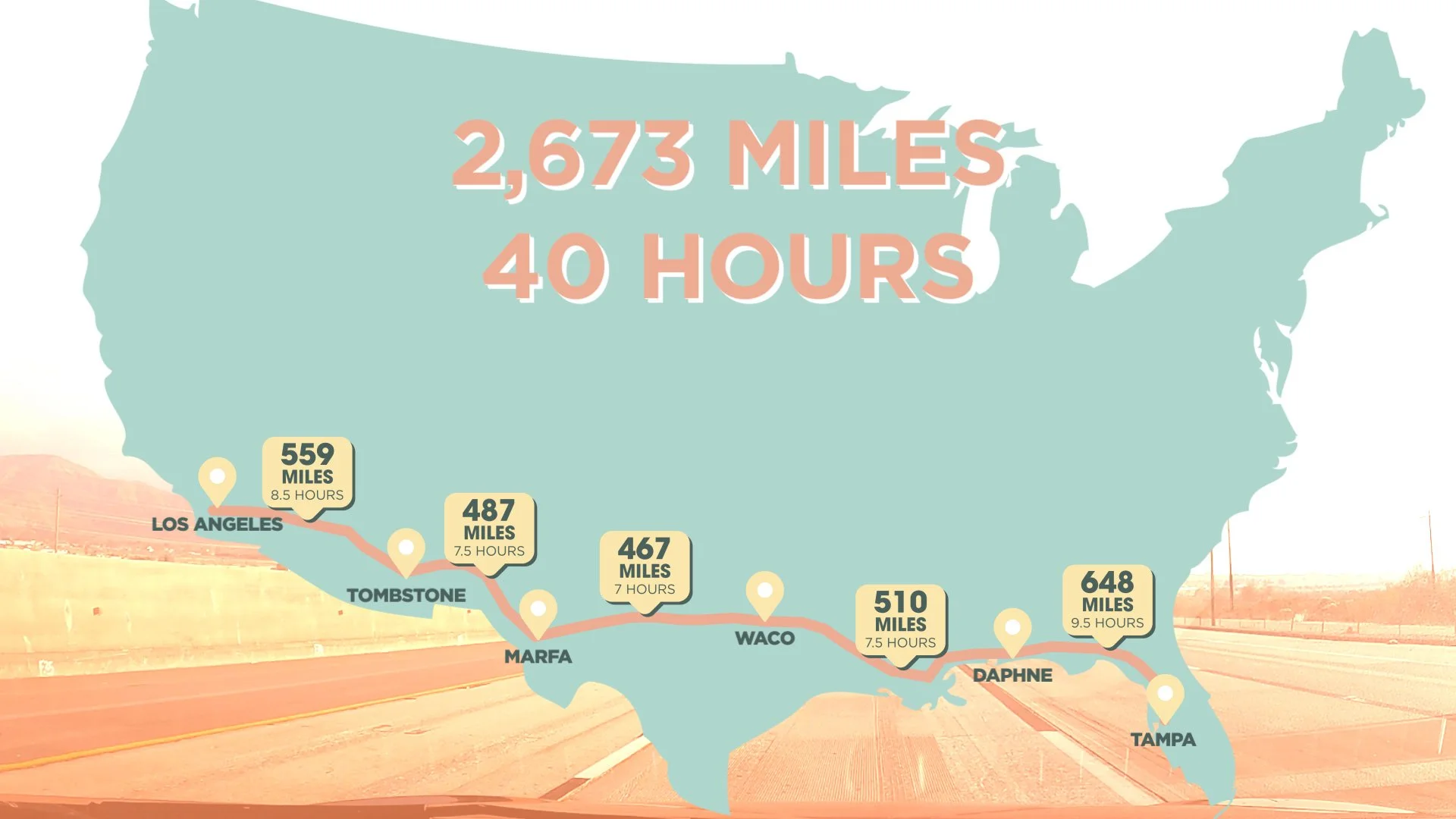
At first glance, the distance between California and Florida can seem daunting. Spanning the entire width of the United States, this journey covers thousands of miles and crosses multiple time zones. However, breaking down the numbers helps in planning and managing expectations for this grand adventure.
Straight Line vs. Road Distance
When we talk about “how far,” there are generally two ways to measure: straight-line distance (as the crow flies) and actual road distance.
The straight-line, or aerial, distance between major cities in California and Florida is roughly 2,200 to 2,500 miles (approximately 3,500 to 4,000 kilometers). For instance, from Los Angeles to Miami, it’s about 2,340 miles (3,765 km) by air. This is the shortest possible path, primarily relevant for air travel.
For those considering a road trip, the actual driving distance is considerably longer due to the necessity of following roads and highways. A typical driving route often spans 2,500 to 3,000 miles (4,000 to 4,800 kilometers), depending on the specific starting and ending points and the chosen itinerary. For example, a drive from Los Angeles to Orlando might be around 2,500 miles, while going from San Francisco to Miami could push closer to 3,000 miles. These routes generally traverse the southern states, often utilizing major interstates like I-10 or I-40 for part of the journey.
Factors Influencing Travel Time
The time it takes to travel between California and Florida varies significantly based on your chosen mode of transportation and how you plan your journey.
- Driving: A cross-country drive is an epic undertaking. If driving non-stop, which is highly inadvisable and unsafe, it would take approximately 38-45 hours of active driving time. Realistically, most travelers break the journey into 4-7 days, driving 8-10 hours a day. This allows for rest, meals, and overnight stays, turning the trip into a true adventure. Factors like traffic, weather conditions, road construction, and the number of scenic detours you take will all influence your total travel time.
- Flying: Air travel is, by far, the quickest option. A direct flight typically takes between 4.5 to 6 hours, depending on the specific airports and wind conditions. However, connecting flights, layovers, and airport security checks can extend your total travel time to 8-12 hours or even more.
- Train/Bus: These options are generally the slowest, offering a more leisurely pace. A cross-country train journey with Amtrak could take 3 to 4 days, involving transfers. Bus travel is similar in duration, often exceeding 70 hours of total travel time.
Understanding these distances and timeframes is crucial for effective planning, whether you’re aiming for a quick transit or an immersive travel experience.
Navigating the Journey: Modes of Transportation
Choosing how to travel from California to Florida is a pivotal decision that shapes your entire experience. Each mode of transportation offers a unique set of advantages and considerations, from speed and convenience to cost and scenic opportunities.
Flying: The Fastest Route
For many, especially those on a tight schedule or prioritizing speed, flying is the preferred method. Major airports in California such as Los Angeles International Airport (LAX), San Francisco International Airport (SFO), and San Diego International Airport (SAN) offer numerous daily flights to Florida’s busiest hubs like Miami International Airport (MIA), Orlando International Airport (MCO), and Fort Lauderdale-Hollywood International Airport (FLL).
- Flight Duration: As mentioned, direct flights typically range from 4.5 to 6 hours. With layovers, this can easily extend to 8-12 hours.
- Airlines: Major carriers like American Airlines, Delta Air Lines, United Airlines, and Southwest Airlines operate frequent routes. Budget airlines also offer competitive fares, though it’s essential to check for additional fees for luggage and seat selection.
- Cost: Airfare can fluctuate wildly based on the season, how far in advance you book, and demand. Expect prices to range from $150-$500+ for a round trip. Traveling during off-peak seasons or booking well in advance often yields the best deals.
- Considerations: While fast, flying involves airport commutes, security lines, and the potential for delays. For families, especially those with young children, managing luggage and transfers can be a logistical challenge. However, for business travelers or those seeking luxury travel experiences, flying business or first class offers unparalleled comfort and efficiency.
Driving: An Epic American Road Trip
For many, the allure of the open road is irresistible. A cross-country drive from California to Florida is the quintessential American adventure, allowing for unparalleled flexibility, spontaneous detours, and a deeper connection with the diverse landscapes and cultures of the United States.
- Routes: The most common routes generally run through the southern tier of states.
- Southern Route (I-10): This interstate is a popular choice, stretching from Santa Monica, California all the way to Jacksonville, Florida. It takes you through Arizona, New Mexico, Texas, Louisiana, Mississippi, and Alabama. This route is known for its relatively flat terrain and warmer weather, especially appealing during winter months.
- Central Route (I-40): Starting further north in California (e.g., from Barstow to Flagstaff), I-40 takes you through Arizona, New Mexico, Texas, Oklahoma, Arkansas, Tennessee, and sometimes connecting via I-59 or I-65 to reach Florida. This route offers stunning desert landscapes and historical sites, but can encounter snow in winter at higher elevations.
- Duration: Plan for at least 4-7 days of driving, depending on how many hours you drive per day and how many stops you make.
- Costs: Budget for fuel (which can be substantial), accommodation each night, food, and potential car maintenance. A budget-conscious traveler might opt for affordable motels or vacation rentals along the way, while those seeking a more luxurious experience could book boutique hotels or resorts in major cities.
- Tips: Ensure your vehicle is in excellent condition, consider car rental if your own car isn’t suited for long distances, and pack an emergency kit. RV travel is another popular option, offering flexibility with accommodation and a unique way to experience the journey. Road trip guides are invaluable for planning stops and attractions.
Train and Bus: Scenic and Economical Alternatives
For those who prefer to sit back and enjoy the scenery without the stress of driving or flying, train and bus services offer viable alternatives.
- Train (Amtrak): Amtrak offers cross-country routes that can take you from California to Florida, often involving a transfer in cities like Chicago or New Orleans. The journey is leisurely, stretching over 3-4 days, and offers amenities like dining cars and sleeper cabins for a more comfortable experience. It’s a fantastic way to see parts of the country inaccessible by major highways, offering a unique blend of travel and relaxation.
- Bus (Greyhound, Megabus, etc.): Bus services are typically the most economical option, though they are also the longest and can be less comfortable for extended periods. A cross-country bus trip can take 3 to 5 days, depending on transfers and layovers. This mode is best suited for budget travelers who prioritize cost savings over speed and comfort.
Regardless of your choice, each mode of transport offers a distinct perspective on the incredible journey between the Golden State and the Sunshine State.
Beyond the Miles: What to Expect on Your Cross-Country Adventure
Traveling across the United States is more than just covering a distance; it’s an opportunity for discovery, cultural immersion, and creating lasting memories. From planning your overnight stays to budgeting for diverse experiences, a cross-country adventure between California and Florida can be tailored to any lifestyle or preference.
Planning Your Stops and Stays
For road trippers, meticulously planning your overnight stops is crucial for a comfortable journey. Aim to drive no more than 8-10 hours a day to prevent driver fatigue and allow time to explore your stopover cities.
- Accommodation: Along the major interstates, you’ll find a wide range of accommodation options.
- Budget-Friendly: Motels and economy hotels are plentiful and offer a convenient place to rest. Look for brands known for consistency across the country.
- Mid-Range: For a bit more comfort, consider chain hotels offering amenities like complimentary breakfast, pools, and fitness centers.
- Luxury & Unique: In larger cities like Phoenix, Dallas, Houston, or New Orleans, you can find luxury resorts, boutique hotels, and even unique bed and breakfasts. These can turn a mere stopover into a mini-destination.
- Alternative Stays: For those with RVs or a love for nature, numerous campgrounds and national/state parks offer scenic overnight spots.
- Booking: Utilize online booking platforms to compare prices, read reviews, and book rooms in advance, especially during peak travel seasons or in popular areas. This avoids the stress of finding a vacancy late in the day.
Exploring Iconic Destinations En Route
One of the greatest joys of a cross-country journey is the opportunity to explore the diverse landscapes and iconic landmarks that lie between the two coasts.
- The Southwest: Traversing Arizona and New Mexico offers stunning desert vistas, vibrant Native American cultures, and natural wonders. Consider a detour to the Grand Canyon or the artistic city of Santa Fe. Las Vegas in Nevada also makes for an exciting stop, just a short drive from California.
- Texas: The sheer size of Texas means you’ll spend a significant portion of your drive here. Explore the vibrant culture of Austin, the historical richness of San Antonio, or the bustling metropolitan energy of Houston and Dallas. Each city offers unique local culture, food scenes, and attractions.
- The Gulf Coast: As you approach Florida, states like Louisiana, Mississippi, and Alabama offer charming Southern hospitality. New Orleans, Louisiana is an unmissable stop for its unique music, food (think Cajun and Creole cuisine), and historic French Quarter. The white sand beaches of Alabama and Florida’s panhandle also offer a serene break.
Budgeting for Your Journey
The cost of traveling between California and Florida can vary widely.
- Flights: Generally the most expensive upfront cost, but saves on time and other expenses like accommodation and fuel.
- Driving: Fuel will be a major expense, easily hundreds of dollars for a cross-country trip. Accommodation costs can range from $50-$200+ per night depending on your choice. Factor in food, snacks, and potential tolls. For budget travelers, planning meals and packing snacks can significantly cut costs. Luxury travelers might indulge in fine dining and premium hotels along the way.
- Train/Bus: Often a middle-ground in terms of cost. While the fare might be higher than budget flights, it often includes a seat for the entire journey and avoids the need for separate accommodation costs on overnight segments.
Regardless of your budget or lifestyle, careful planning ensures your cross-country journey is as enjoyable and stress-free as possible. From pre-booking boutique hotel suites to finding the best deals on long-term stays if relocating, every detail contributes to a seamless experience.
California vs. Florida: A Tale of Two Coasts
Once you’ve navigated the impressive distance, you arrive at your destination, ready to immerse yourself in the unique charms of either California or Florida. Both states offer a plethora of attractions, distinct cultures, and diverse lifestyles, making them premier travel destinations in their own right.
Golden State Grandeur: Exploring California’s Charms
California, often called the Golden State, is a land of extremes and unparalleled diversity. From the rugged coastline and towering redwoods to expansive deserts and snow-capped mountains, its geography is as varied as its culture.
- Landmarks & Attractions:
- Northern California: Home to the iconic Golden Gate Bridge in San Francisco, the majestic Yosemite National Park, and the world-renowned Napa Valley wine region. San Francisco itself is a hub of architecture, history, and vibrant neighborhoods.
- Southern California: The glitz and glamour of Hollywood in Los Angeles, the magical realms of Disneyland Park in Anaheim, and the sun-drenched beaches of San Diego and Santa Monica. Universal Studios Hollywood offers cinematic thrills, while Malibu provides a glimpse into luxury coastal living.
- Local Culture & Food: California is a melting pot of cultures, influencing its innovative and diverse cuisine. From farm-to-table dining and fresh seafood to international street food and gourmet experiences, there’s something for every palate. The state is also a trendsetter in health and wellness, with numerous activities catering to an active lifestyle.
- Accommodation: California offers an extensive range of accommodations, from luxury resorts in Beverly Hills and beachfront hotels in Santa Barbara to cozy vacation rentals near national parks and budget-friendly hotels for family trips. Whether you seek five-star amenities or a quaint apartment stay, California delivers.

Sunshine State Splendor: Discovering Florida’s Delights
Florida, the Sunshine State, is renowned for its vibrant theme parks, stunning beaches, and unique natural ecosystems. It’s a perennial favorite for family vacations, romantic getaways, and adventurous explorations.
- Landmarks & Attractions:
- Central Florida: Home to the world-famous Walt Disney World Resort and Universal Orlando Resort, making Orlando the theme park capital of the world.
- South Florida: The electric energy of Miami with its Art Deco architecture and famous South Beach, the bohemian charm of Key West and the Florida Keys, and the unique wilderness of Everglades National Park.
- North Florida: The historic charm of St. Augustine, the nation’s oldest continuously inhabited European-established settlement, and the beautiful beaches of the Panhandle.
- Local Culture & Food: Florida’s culture is a rich tapestry woven from its diverse populations, particularly strong Latin American and Caribbean influences in the south. This is reflected in its dynamic food scene, offering everything from fresh seafood and Cuban sandwiches to haute cuisine. Activities range from water sports and golf to exploring natural springs and wildlife.
- Accommodation: From lavish oceanfront resorts and sprawling vacation villas in Orlando to chic boutique hotels in Miami Beach and cozy apartments for long-term stays, Florida caters to every travel style and budget. Many resorts boast incredible amenities, perfect for a luxury travel experience or a memorable family trip.
In conclusion, the journey between California and Florida is undeniably long, spanning thousands of miles and diverse landscapes. However, with careful planning and an adventurous spirit, it transforms from a mere distance into an extraordinary travel experience. Whether you opt for the swift convenience of air travel or the immersive adventure of a cross-country drive, both the journey and the destinations offer a wealth of experiences for every type of traveler. From comparing hotel reviews to discovering unique local activities, the path between these two great states is ripe for exploration, promising memories that will last a lifetime.
LifeOutOfTheBox is a participant in the Amazon Services LLC Associates Program, an affiliate advertising program designed to provide a means for sites to earn advertising fees by advertising and linking to Amazon.com. Amazon, the Amazon logo, AmazonSupply, and the AmazonSupply logo are trademarks of Amazon.com, Inc. or its affiliates. As an Amazon Associate we earn affiliate commissions from qualifying purchases.