
For anyone planning a journey through the Sunshine State, one of the most common questions involves navigating the vibrant stretch between Tampa on the Gulf Coast and Miami on the Atlantic. These two major Florida cities represent distinct facets of the state’s diverse culture, attractions, and lifestyle. Understanding the distance, travel times, and various transportation options is crucial for a seamless and enjoyable travel experience, whether you’re embarking on a road trip adventure, a quick business trip, or a leisurely exploration of Florida’s unique offerings. This comprehensive guide will delve into everything you need to know about traveling from Tampa to Miami, offering insights into travel logistics, potential stopovers, and destination highlights to help you plan an unforgettable itinerary.

Understanding the Distance and Travel Time
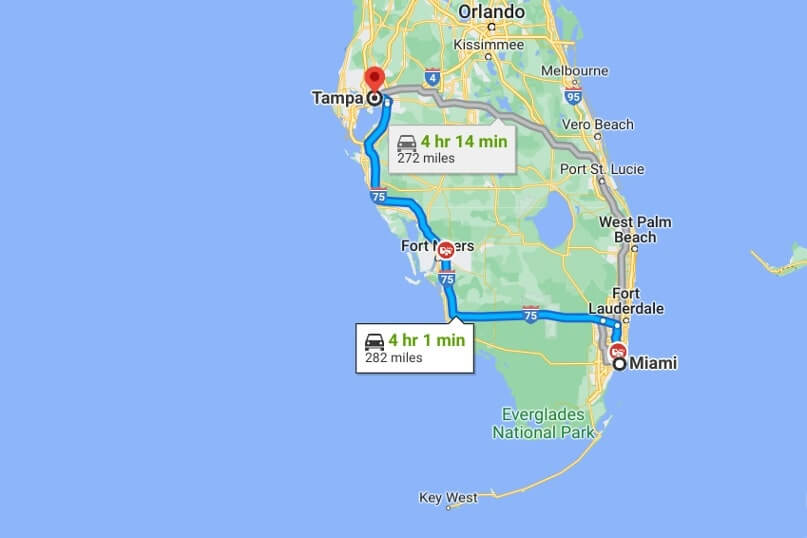
The straight-line distance, or as the crow flies, between Tampa and Miami, Florida, is approximately 206 miles (331 kilometers). However, for practical travel purposes, we consider the driving distance, which can vary slightly depending on the specific route taken.
The Most Common Driving Routes
The primary and most direct route connecting Tampa and Miami is via Interstate 75 (also known as I-75).
- Via I-75 South (The Alligator Alley): This is generally the fastest route, covering approximately 280-285 miles (450-460 kilometers). The journey typically takes about 4 to 5 hours without significant stops or heavy traffic. The Alligator Alley portion of I-75 cuts directly across the southern part of Florida, traversing the Everglades region. While it’s a toll road, the convenience and directness often make it the preferred choice for many travelers. This route provides a fascinating glimpse into the unique ecosystem of the Everglades, with opportunities to spot wildlife from the road, albeit at a distance.
- Via Florida’s Turnpike and I-4 (Less Direct): An alternative, though generally longer, route involves taking I-4 east from Tampa towards Orlando, then connecting with Florida’s Turnpike south to Miami. This route typically covers around 300-320 miles (480-515 kilometers) and can take 5 to 6 hours or more, largely due to potential traffic around Orlando and the overall longer distance. This option is often chosen by travelers who wish to incorporate a stop in Orlando or other central Florida destinations into their journey. Both I-4 and Florida’s Turnpike are major thoroughfares and include tolls.
It’s important to remember that travel times are estimates. Peak travel seasons (holidays, spring break), rush hour traffic, and unexpected road construction can significantly extend your journey. Always check real-time traffic updates before departing.
Choosing Your Mode of Transportation
The choice of transportation between Tampa and Miami largely depends on your budget, time constraints, and travel preferences.
Driving: The Classic Florida Road Trip
Driving offers the most flexibility, allowing you to stop whenever and wherever you please. It’s ideal for those traveling with family, carrying luggage, or planning a scenic adventure. Car rental services are readily available at both Tampa International Airport (TPA) and Miami International Airport (MIA), as well as downtown locations.
- Pros: Flexibility, ability to explore intermediate stops, cost-effective for groups, door-to-door convenience (especially with personal vehicles).
- Cons: Potential for traffic delays, fuel costs, toll charges, need for parking upon arrival, wear and tear on your vehicle.
Flying: Quick and Convenient
For those prioritizing speed, flying is the fastest way to get between Tampa and Miami. Numerous airlines offer direct flights, turning what would be a 4-5 hour drive into a roughly 1-hour flight.
- Airlines and Airports: Major carriers like American Airlines, Delta, and Southwest often operate multiple daily direct flights. You’ll typically depart from Tampa International Airport (TPA) and arrive at Miami International Airport (MIA).
- Total Travel Time: While the flight itself is short, remember to factor in time for getting to and from the airports, security checks, boarding, and baggage claim. This can easily add 2-3 hours on either side of your flight, making the total travel time closer to 4-5 hours, similar to driving, but with less direct travel time.
- Pros: Speed, ideal for short trips or business travel, avoids traffic.
- Cons: Can be more expensive, less flexible, requires transfers to and from airports, security procedures, luggage restrictions.
Bus and Train Options
For budget-conscious travelers or those who prefer not to drive or fly, bus and train services provide viable alternatives.
- Bus Services: Companies like Greyhound offer regular bus services between Tampa and Miami. The journey typically takes longer than driving, ranging from 5 to 7 hours, depending on the number of stops. Bus fares are generally the most affordable option.
- Train Services: Amtrak provides train service between Tampa and Miami via its Silver Service route. The train ride offers a more relaxed travel experience, with amenities like dining cars and comfortable seating. However, it’s usually the longest option in terms of travel time, often taking 5 to 6 hours or more, sometimes requiring transfers. While direct high-speed rail options like Brightline currently connect Orlando to Miami and other South Florida cities, a direct connection to Tampa is still in the planning stages.
- Pros: Cost-effective (bus), relaxed travel (train), no need to drive or navigate, environmentally friendlier.
- Cons: Longer travel times, less flexibility, limited schedules, bus stations and train stations may not be centrally located.
Making the Journey a Destination: Scenic Routes and Stopovers
A road trip from Tampa to Miami presents an excellent opportunity to explore more of Florida. Depending on your chosen route, several cities and attractions make for perfect stopovers.
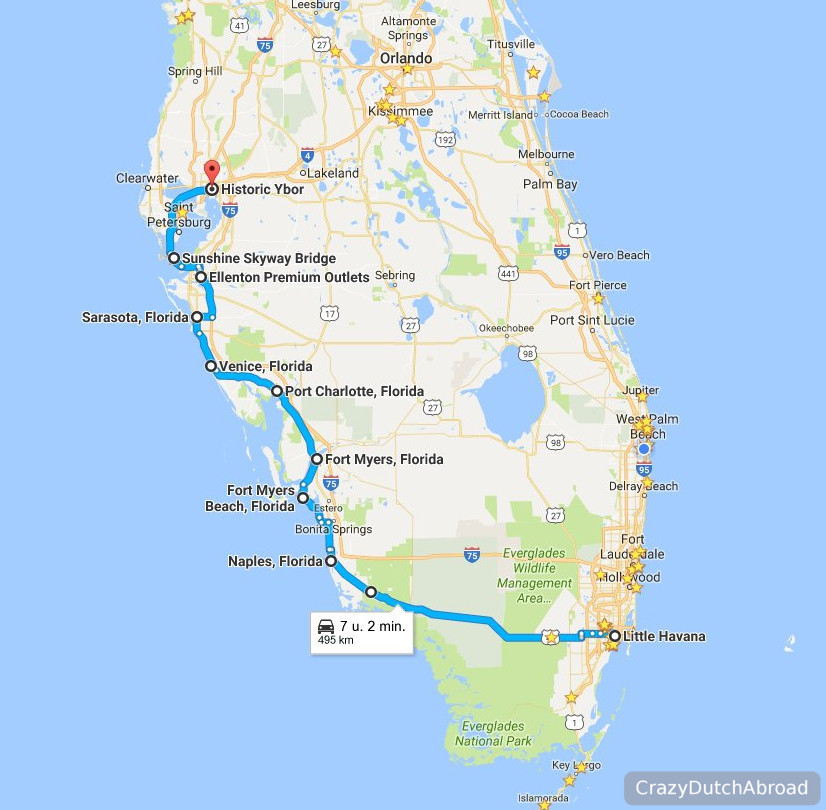
Along the I-75 Corridor
If you opt for the direct I-75 route, you’ll mainly be cutting through rural Florida and the Everglades. However, there are still points of interest:
- Naples: Located on Florida’s Paradise Coast, just before the Alligator Alley stretch, Naples offers upscale shopping, pristine beaches, and fine dining. It’s a great spot to stretch your legs, enjoy a meal, or even spend a night in a luxurious resort if you’re looking to break up the drive.
- Everglades National Park: While the main entrance is a slight detour from I-75, various airboat tours and visitor centers are accessible near the Alligator Alley. This provides a unique opportunity to experience Florida’s renowned wetland ecosystem and its diverse wildlife, including alligators, birds, and panthers.
The Central Florida Detour (via I-4 and Florida’s Turnpike)
Choosing this longer route opens up a world of iconic Florida attractions.
- Orlando: Home to world-famous theme parks like Walt Disney World Resort and Universal Orlando Resort, Orlando is an ultimate family destination. A stop here could extend your trip by days, offering countless entertainment, dining, and accommodation options.
- Kennedy Space Center Visitor Complex: A relatively short drive east of Orlando, this historic site offers an inspiring look into the history of space exploration, with exhibits, astronaut encounters, and even rocket launch viewing opportunities.
- Lake Okeechobee: As you head south on Florida’s Turnpike, you’ll pass near Lake Okeechobee, the largest freshwater lake in Florida. While not a typical tourist stop, it offers opportunities for fishing and birdwatching in a more rural setting.
- Fort Lauderdale: Just north of Miami, Fort Lauderdale is known as the “Venice of America” due to its extensive canal system. It boasts beautiful beaches, a lively arts and culture scene, and excellent shopping. It’s an ideal place for a final stop before reaching Miami, offering a slightly calmer atmosphere than its bustling southern neighbor.
Exploring Tampa and Miami: Destination Highlights
Both Tampa and Miami are major Florida destinations, each with its own unique charm and a wealth of attractions catering to different tastes.
A Glimpse into Tampa’s Allure
Tampa, located on Florida’s west coast, is a dynamic city known for its rich history, vibrant culture, and burgeoning culinary scene.
- Theme Parks and Wildlife: Home to Busch Gardens Tampa Bay, an African-themed amusement park with thrilling roller coasters and extensive animal habitats. ZooTampa at Lowry Park and the Florida Aquarium offer incredible encounters with marine and land animals, making them perfect for family visits.
- Historic Ybor City: This historic neighborhood, once the cigar capital of the world, now pulsates with nightlife, diverse restaurants, and unique shops. Its brick-lined streets and historic buildings tell tales of its Cuban, Spanish, and Italian immigrant past.
- Tampa Riverwalk: A scenic 2.6-mile pedestrian pathway along the Hillsborough River, connecting many of the city’s key attractions, including the Tampa Bay History Center, Glazer Children’s Museum, and Armature Works food hall.
- Sports and Outdoor Activities: Tampa is a major sports hub, hosting professional teams in football (NFL Buccaneers), hockey (NHL Lightning), and baseball (MLB Rays nearby in St. Petersburg). The surrounding Tampa Bay offers ample opportunities for boating, fishing, and water sports.
- Cultural Attractions: The Straz Center for the Performing Arts and the Tampa Museum of Art cater to arts and culture enthusiasts.
Miami’s Vibrant Charms
Miami, often referred to as the “Gateway to the Americas,” is a global hub of finance, culture, commerce, arts, and international trade. It’s famed for its stunning beaches, vibrant nightlife, and distinct Latin American influence.
- South Beach and Art Deco Historic District: Iconic South Beach is renowned for its pastel-colored Art Deco architecture, sandy beaches, and glamorous atmosphere. A stroll along Ocean Drive is a must-do experience.
- Cultural Diversity: Explore diverse neighborhoods like Little Havana, where the Cuban culture thrives with authentic restaurants, cigar shops, and live music. Wynwood Walls offers an outdoor street art museum experience, showcasing colorful murals and cutting-edge galleries.
- Shopping and Dining: Miami boasts world-class shopping, from luxury boutiques in the Design District and Bal Harbour Shops to sprawling malls like Dolphin Mall. The culinary scene is equally diverse, with everything from gourmet Latin fusion to fresh seafood.
- Waterfront Activities: Bayside Marketplace offers shopping, dining, and boat tours. The pristine waters around Miami are perfect for yachting, jet-skiing, paddleboarding, and deep-sea fishing.
- Museums and Gardens: Visit the historic Vizcaya Museum & Gardens, a stunning European-inspired estate, or explore contemporary art at the Pérez Art Museum Miami (PAMM).
Planning Your Trip: Accommodation and Lifestyle Considerations
When traveling between Tampa and Miami, thinking about your accommodation and overall lifestyle preferences will enhance your experience.
Selecting Your Stay
Both Tampa and Miami offer an extensive range of accommodation options to suit every budget and travel style.
- Hotels and Resorts: From luxury beachfront resorts in South Beach and downtown Miami to boutique hotels in Ybor City or family-friendly suites near Busch Gardens, you’ll find plenty of choices. Consider hotels with specific amenities like pools, spas, or business centers, depending on your needs.
- Apartments and Villas: For longer stays, groups, or those preferring a home-away-from-home feel, vacation rentals such as apartments or villas are popular. Websites like Airbnb and VRBO offer numerous options.
- Budget Accommodation: Hostels and economy hotels are available in both cities for travelers on a tighter budget. Booking in advance, especially during peak season, is always recommended to secure the best rates.
Budget vs. Luxury Travel
Florida can cater to both ends of the lifestyle spectrum.
- Luxury Travel: If you’re looking for a lavish experience, Miami particularly shines with its five-star resorts, celebrity chef restaurants, and exclusive clubs. Tampa also offers high-end dining and upscale hotels, particularly around the downtown waterfront and Hyde Park areas. Consider chartered boats, private tours, and premium accommodation for a truly indulgent trip.
- Budget Travel: Traveling on a budget is entirely feasible. Utilize public transportation (especially in Miami), seek out free attractions like beaches and parks, and explore local eateries. Opt for hostels, motels, or apartments outside the main tourist zones for more affordable stays. Driving your own car and packing snacks can also cut costs significantly.
- Family Trips and Business Stays: Both cities are well-equipped for family trips with kid-friendly attractions and amenities, as well as for business stays with convention centers, corporate hotels, and easy airport access. Researching specific needs (e.g., proximity to convention centers, availability of children’s programs) beforehand is advisable.
In conclusion, the journey from Tampa to Miami spans approximately 280-320 miles by road, taking roughly 4 to 6 hours depending on the route and traffic. Whether you prefer the efficiency of a flight, the flexibility of a road trip, or the relaxation of bus or train travel, planning is key to maximizing your experience. Both Tampa and Miami offer a wealth of cultural, recreational, and culinary delights, making the travel between them not just a route, but an integral part of your Florida adventure. Remember to check local conditions, book accommodation in advance, and immerse yourself in the vibrant tourism and unique lifestyle that define these incredible Florida destinations. Enjoy your journey through the Sunshine State!
LifeOutOfTheBox is a participant in the Amazon Services LLC Associates Program, an affiliate advertising program designed to provide a means for sites to earn advertising fees by advertising and linking to Amazon.com. Amazon, the Amazon logo, AmazonSupply, and the AmazonSupply logo are trademarks of Amazon.com, Inc. or its affiliates. As an Amazon Associate we earn affiliate commissions from qualifying purchases.