
For many, the question “How far is Orlando, Florida?” isn’t just about miles on a map; it’s a gateway to anticipation, planning, and the promise of unforgettable experiences. Nestled in the heart of the Sunshine State, Orlando stands as a global beacon for entertainment, drawing millions of visitors each year to its world-renowned theme parks, vibrant culinary scene, and diverse cultural offerings. While often associated with magical kingdoms and thrilling rides, Orlando is also a hub for conventions, business travel, and a relaxed Florida lifestyle that extends far beyond the park gates.
This article delves into the multifaceted answer to that simple question, exploring not just the geographical distances but also the various modes of travel, the planning considerations, and the wealth of attractions and accommodations that make the journey to Orlando worthwhile. From deciphering the best routes for a cross-country road trip to navigating international flights, and from choosing the perfect resort to discovering hidden gems, we’ll help you chart your course to one of the world’s most beloved destinations. Whether you’re a first-time visitor or a seasoned Orlando enthusiast, understanding the journey is the first step toward crafting an extraordinary adventure.
Calculating Your Journey to the Theme Park Capital
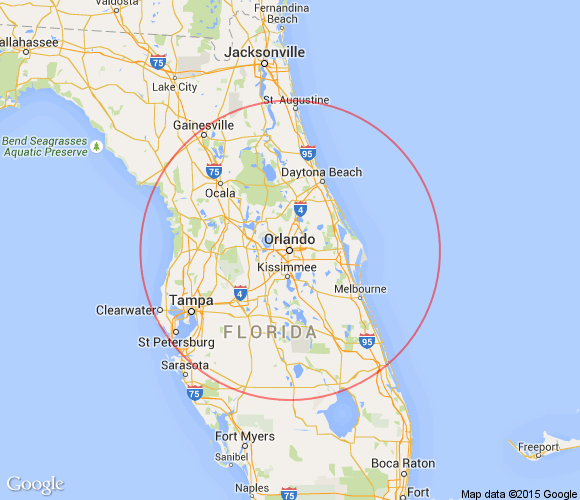
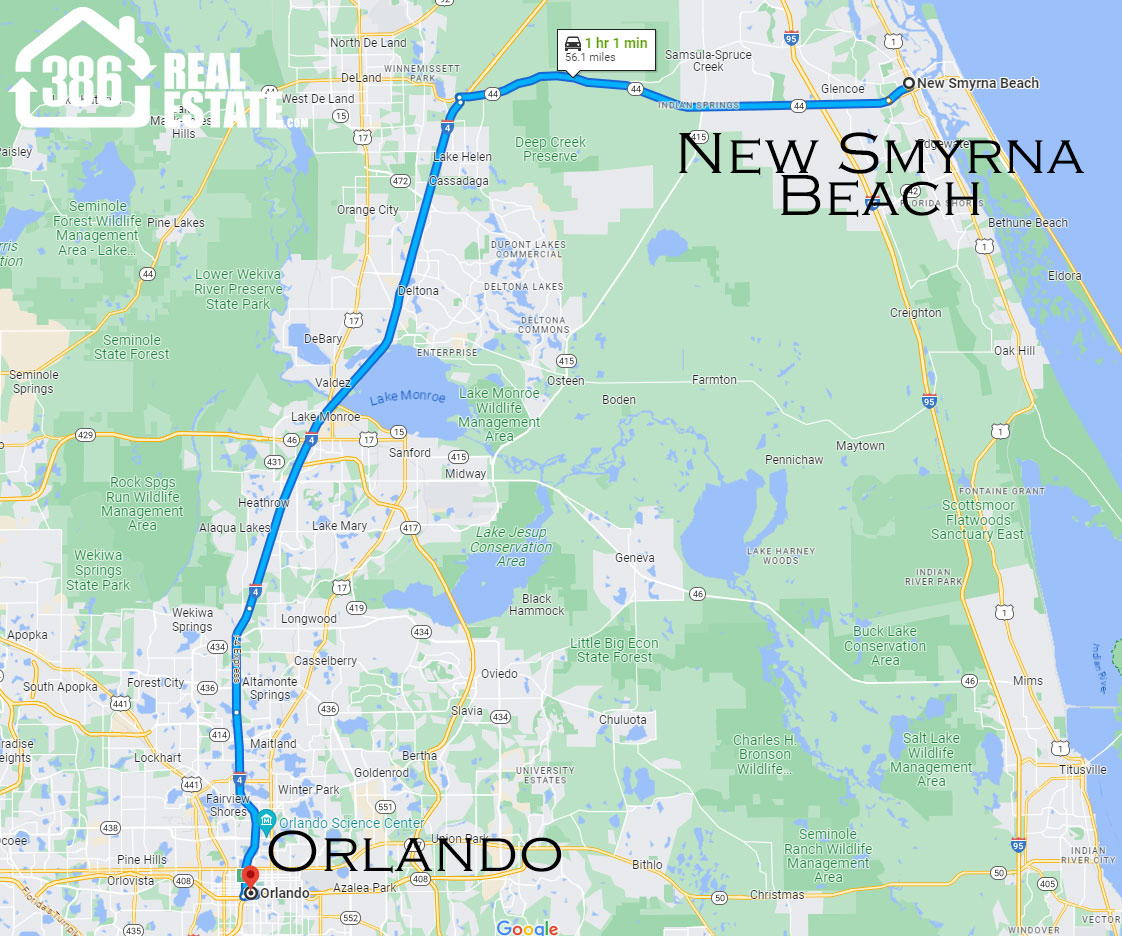
The physical distance to Orlando can vary dramatically depending on your starting point, stretching from a short drive for local Floridians to an intercontinental flight for international travelers. However, the true “distance” is often measured not just in miles or kilometers, but in travel time, convenience, and the overall experience of getting there.
Understanding Geographical Distances to Orlando
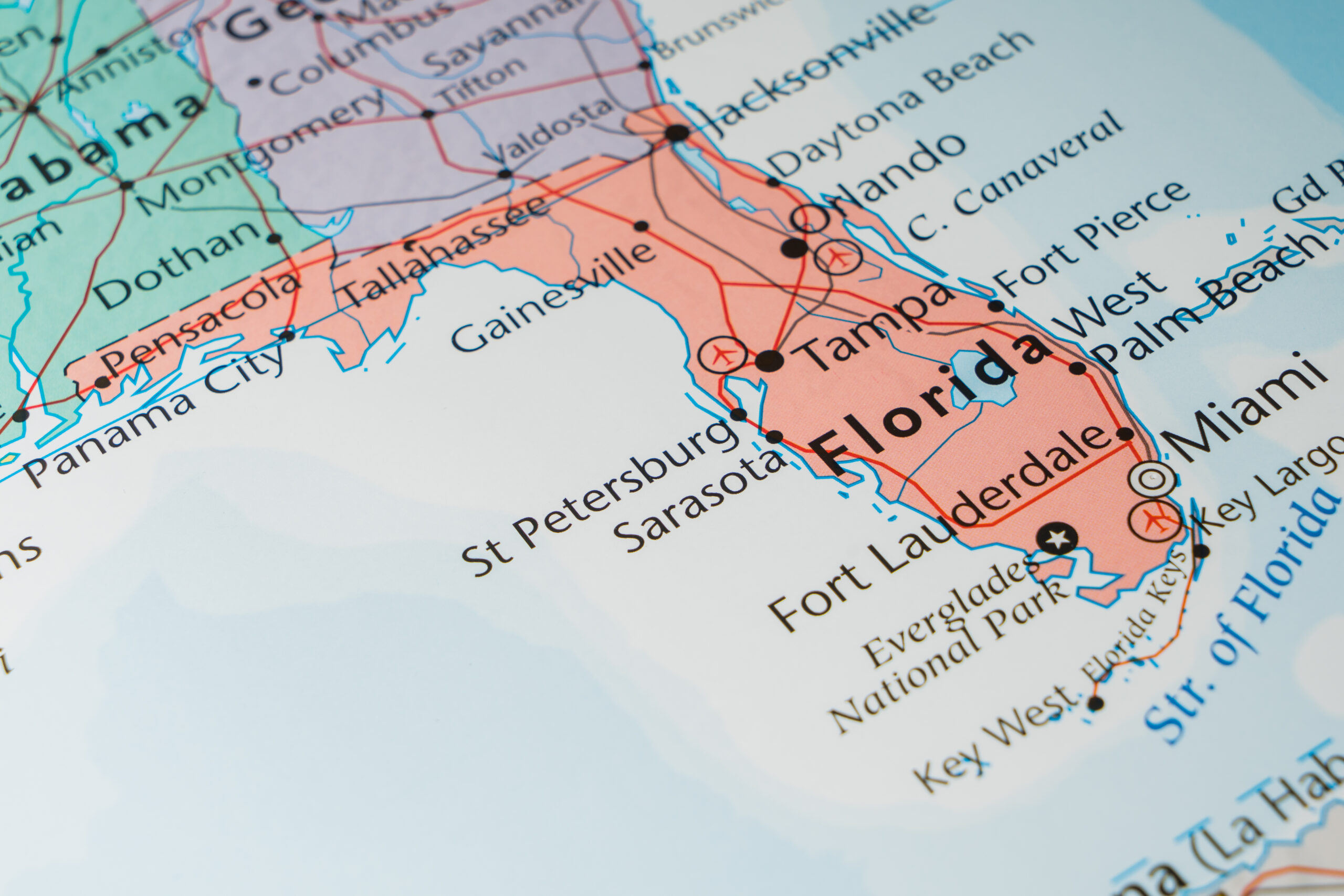
Orlando’s central Florida location makes it relatively accessible from many major United States cities, while also serving as a major international gateway.
Within Florida:
- From Miami: Approximately 230-240 miles (370-386 km), a 3.5 to 4-hour drive.
- From Tampa: A much shorter distance, about 85-90 miles (137-145 km), typically a 1.5 to 2-hour drive.
- From Jacksonville: Around 140 miles (225 km), roughly a 2 to 2.5-hour drive.
From Other Major U.S. Cities:
- From Atlanta, Georgia: Approximately 440 miles (708 km), a 6.5 to 7-hour drive. This is a popular driving route for visitors from the Southeast.
- From New York City: A considerable distance of about 1,070 miles (1,722 km), requiring a 16-hour drive or more, often broken up into a multi-day road trip. Direct flights are common and much faster.
- From Chicago, Illinois: Around 1,150 miles (1,850 km), a roughly 17-hour drive. Again, flying is the preferred option for most.
- From Houston, Texas: Roughly 970 miles (1,560 km), a 14-15 hour drive.
- From Los Angeles, California: A cross-country trek of about 2,450 miles (3,940 km), meaning a 36-hour drive minimum, typically requiring several days. Flying is almost universally chosen for this distance.
International Perspective:
- From London, United Kingdom: Approximately 4,340 miles (6,985 km), with direct flights typically lasting 8.5 to 9 hours.
- From Toronto, Canada: Around 1,170 miles (1,880 km), requiring a 20-hour drive, or a 2.5 to 3-hour direct flight.
- From cities in Mexico, the Caribbean, or South America, flight times can range from 2 to 6 hours, establishing Orlando as a popular destination for travelers across the Americas.
Modes of Transportation: Weighing Your Options
The choice of transportation significantly impacts the “how far” equation, influencing not only travel time but also cost, comfort, and the overall journey experience.
Driving:
For those within a 6-8 hour radius, driving offers flexibility and the opportunity for a classic American road trip. It allows travelers to pack more, avoid baggage fees, and stop at points of interest along the way. Major interstates like I-95 run along the East Coast, feeding into Florida’s extensive highway system, including Florida’s Turnpike for direct access to Orlando. However, long drives can be tiring, and the cost of fuel, tolls, and potential overnight stays can add up. Moreover, navigating traffic, especially around urban centers and during peak travel seasons, requires patience.
Flying:
Flying is by far the fastest option for most visitors, especially those coming from significant distances or international locations. Orlando International Airport (MCO) is one of the busiest airports in the United States, serving as a major hub for domestic and international carriers. For those seeking alternatives, Orlando Sanford International Airport (SFB) also handles a substantial number of leisure travelers, particularly those flying on budget airlines.
- Pros: Speed, convenience for long distances, ability to reach Orlando from virtually anywhere in the world.
- Cons: Cost can be higher, especially during peak seasons; baggage fees; airport security procedures; potential for delays; and the need for ground transportation upon arrival.
Train and Bus Services:
While less common for long-distance travel to Orlando compared to flying or driving, train and bus services offer a cost-effective alternative.
- Train: Amtrak provides service to Orlando, with routes connecting from cities across the United States. This can be a scenic and relaxing way to travel, especially for those who dislike flying or driving. The journey is considerably longer than flying, but often more comfortable than a bus.
- Bus: Companies like Greyhound offer extensive networks throughout the United States with connections to Orlando. This is typically the most budget-friendly option but involves longer travel times and fewer amenities compared to other modes.
Beyond the Miles: Planning Your Orlando Experience
Once you’ve determined how you’ll get to Orlando, the real fun begins: planning what to do and where to stay. Orlando’s vast array of attractions and accommodation options can be overwhelming, making thoughtful planning crucial for a successful trip.
Unlocking Orlando’s World-Class Attractions
Orlando is undeniably the “Theme Park Capital of the World,” offering experiences that cater to every age and interest.
- Walt Disney World Resort: The quintessential Orlando experience, encompassing four major theme parks – Magic Kingdom, Epcot, Hollywood Studios, and Animal Kingdom – along with two water parks and the shopping and entertainment district of Disney Springs. Each park offers unique attractions, dining, and entertainment, guaranteeing days of exploration.
- Universal Orlando Resort: Home to thrilling rides, immersive worlds like The Wizarding World of Harry Potter, and three distinct parks: Universal Studios Florida, Islands of Adventure, and the water theme park Volcano Bay. Universal CityWalk provides dining and nightlife.
- SeaWorld Orlando: Blends marine life attractions, shows, and roller coasters for a unique educational and thrilling experience.
- LEGOLAND Florida Resort: Located slightly outside Orlando in Winter Haven, this park is ideal for families with younger children, featuring rides, shows, and attractions built with LEGO bricks.
- Other Attractions: Beyond the major players, Orlando offers a plethora of other entertainment options, including ICON Park (home to The Wheel and Madame Tussauds), Gatorland (the “Alligator Capital of the World”), and a short drive east to the Kennedy Space Center Visitor Complex for an out-of-this-world experience.
Finding Your Perfect Home Away From Home
With millions of visitors each year, Orlando boasts an incredible range of accommodation options to suit every budget, group size, and preference.
- On-Site Resorts: Staying at an official resort within Walt Disney World Resort (e.g., Disney’s Contemporary Resort) or Universal Orlando Resort (e.g., Universal’s Hard Rock Hotel) offers unparalleled convenience, early park access, and complimentary transportation. These often come with a premium price tag but deliver an immersive experience.
- Near-Site Hotels: A vast selection of hotels and suites can be found just outside the resort gates, along major thoroughfares like International Drive and Kissimmee. These options often provide shuttle services to parks, a wider range of dining, and amenities such as large pools and family suites, often at a more accessible price point than on-site resorts.
- Vacation Rentals (Villas and Apartments): For larger families, groups, or those planning longer stays, booking a vacation rental – from cozy apartments to sprawling villas with private pools – can be an economical and comfortable choice. These offer kitchen facilities, multiple bedrooms, and often more space, providing a true home-away-from-home feel. Websites and agencies specializing in Orlando vacation rentals make booking straightforward.
- Budget-Friendly Stays: Orlando also offers numerous budget hotels and motels, particularly along less prominent roads, for travelers prioritizing affordability. These often come with basic amenities but provide a clean and safe base for exploring the city.
- Luxury Options: For those seeking an opulent experience, Orlando has a selection of five-star resorts and boutique hotels offering world-class dining, spas, golf courses, and concierge services.
When choosing accommodation, consider proximity to the attractions you plan to visit, desired amenities (pools, dining, fitness centers), and whether you prefer the convenience of resort transportation or the flexibility of having your own rental car. Reading reviews and comparing prices across different booking platforms is always recommended.
Making the Most of Your Orlando Visit
Beyond the initial calculations of distance and the excitement of attraction planning, maximizing your Orlando visit involves embracing its local culture, understanding practical tips, and tailoring your trip to fit your lifestyle and travel preferences.
Exploring Orlando’s Local Culture and Beyond
While theme parks dominate the tourism landscape, Orlando is a dynamic city with a rich local culture, diverse culinary scene, and unique landmarks waiting to be discovered.
- Downtown Orlando: Escape the tourist crowds and explore the city’s urban core. Enjoy a stroll around Lake Eola Park, famous for its swan boats and vibrant farmers market. The Dr. Phillips Center for the Performing Arts hosts Broadway shows, concerts, and cultural events.
- Winter Park: Just north of Orlando, Winter Park offers a charming, upscale escape with tree-lined streets, boutique shopping on Park Avenue, and museums like the Charles Hosmer Morse Museum of American Art, home to the world’s most comprehensive collection of Tiffany glass. The Scenic Boat Tour provides a relaxing way to experience the area’s natural beauty.
- Culinary Adventures: Orlando’s food scene is incredibly diverse, ranging from celebrity chef restaurants within the resorts to authentic ethnic eateries across the city. Explore the burgeoning food truck scene, savor fresh Florida seafood, or indulge in fine dining for a special occasion. Neighborhoods like Mills 50 and Audubon Park Garden District offer unique local flavors.
- Nature and Outdoors: Beyond the concrete jungle of attractions, Florida’s natural beauty is accessible. Kayak or paddleboard on the numerous lakes and springs, visit the Harry P. Leu Gardens for botanical tranquility, or take a day trip to the stunning Atlantic Coast beaches like Cocoa Beach or Daytona Beach, which are less than an hour’s drive away.
Lifestyle Considerations: Tailoring Your Trip
Every traveler has a unique style, and Orlando caters to all, from luxury seekers to budget-conscious families.
- Luxury Travel: For those seeking indulgence, Orlando offers exclusive resort experiences, private transfers, personalized VIP tours of theme parks, and high-end shopping. Think spa treatments, championship golf courses, and gourmet dining at establishments like Victoria & Albert’s at Disney’s Grand Floridian Resort & Spa.
- Budget Travel: Visiting Orlando doesn’t have to break the bank. Consider visiting during the off-season (late January to early February, late August to September) for lower crowd levels and potentially better deals on flights and accommodations. Opt for self-catering vacation rentals, pack snacks and drinks for the parks, and utilize free activities like window shopping at Disney Springs or strolling around Lake Eola Park.
- Family Trips: Orlando is built for families. Choose family-friendly resorts with splash pads and kids’ clubs, plan character dining experiences, and build in downtime to avoid over-scheduling. Consider renting a multi-bedroom suite or villa for comfort and space.
- Business Stays: Beyond leisure, Orlando is a major convention destination, home to the sprawling Orange County Convention Center. Many hotels cater specifically to business travelers, offering meeting facilities, executive lounges, and convenient access to the convention center and business districts. Incorporating a day at a theme park or a round of golf can be a perfect way to unwind after business engagements.
No matter your lifestyle, preparation is key. Booking flights, accommodation, and park tickets well in advance, especially during peak seasons, is highly recommended. Utilizing mobile apps for park navigation, wait times, and dining reservations can significantly enhance your experience. Don’t forget to check the weather – Florida is known for its sunshine but also for afternoon thunderstorms, particularly in the summer.
In conclusion, “How far is Orlando, Florida?” is a question with a deeply personal answer for every traveler. It encompasses not just the physical distance you must traverse, but also the journey of planning, the anticipation of discovery, and the lasting memories you create. From the moment you decide to embark on this adventure until you reluctantly depart, Orlando offers a world of possibilities, making every mile traveled a worthwhile investment in an unforgettable escape.
LifeOutOfTheBox is a participant in the Amazon Services LLC Associates Program, an affiliate advertising program designed to provide a means for sites to earn advertising fees by advertising and linking to Amazon.com. Amazon, the Amazon logo, AmazonSupply, and the AmazonSupply logo are trademarks of Amazon.com, Inc. or its affiliates. As an Amazon Associate we earn affiliate commissions from qualifying purchases.