
Miami, Florida, often hailed as the “Gateway to the Americas” and known affectionately as the Magic City, is a vibrant metropolis that beckons travelers from across the globe. Its unique blend of American flair and Latin American charm, pristine beaches, iconic Art Deco architecture, and pulsating nightlife make it a top-tier destination for diverse travel experiences. Whether you’re dreaming of sun-soaked days on South Beach, exploring the rich cultural tapestry of Little Havana, or indulging in high-end shopping and dining in Brickell, Miami offers an unforgettable escape. But before you can immerse yourself in its allure, a fundamental question arises: just how far is Miami?
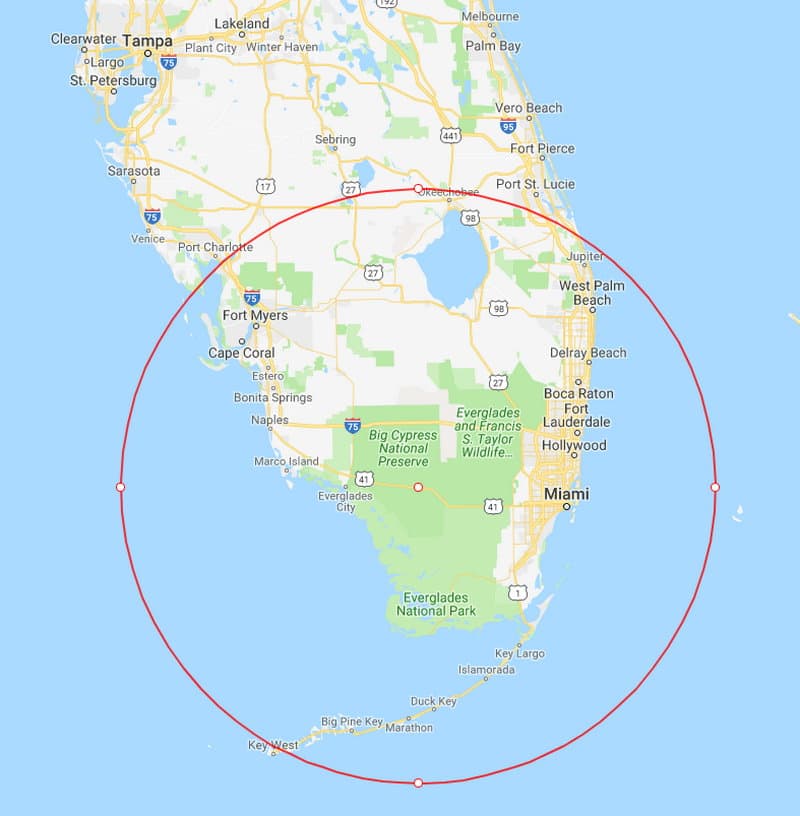
Understanding the distance to Miami is the first step in planning your perfect trip. This isn’t just about miles or kilometers; it encompasses the journey itself, the various modes of transport available, and the time commitment involved. From quick flights across continents to epic cross-country road trips, getting to Miami is an adventure in itself, shaped by your starting point, budget, and desired travel style. This comprehensive guide will not only help you calculate the physical distance to this Sunshine State gem but also prepare you for the unforgettable experiences that await upon arrival, delving into everything from accommodation options to local culture and essential travel tips.
Calculating Your Journey: Distances and Travel Times to Miami
The distance to Miami varies dramatically depending on your departure city. For travelers within the United States, Miami is generally a southern destination, often requiring significant travel time from northern and western states. International visitors, particularly from Central and South America, find Miami to be a convenient and often direct hub. Let’s break down the journey based on common travel modes and origins.
Traveling by Air: The Fastest Route
For most distant travelers, flying is the most efficient way to reach Miami International Airport (MIA) or the nearby Fort Lauderdale-Hollywood International Airport (FLL). Both airports serve as major gateways, offering extensive domestic and international connections.
- From New York City: The aerial distance from John F. Kennedy International Airport (JFK) or LaGuardia Airport (LGA) to MIA is approximately 1,090 miles (1,754 km). A direct flight typically takes around 2.5 to 3 hours, making it a popular weekend getaway for East Coasters.
- From Chicago: Flying from O’Hare International Airport (ORD) to MIA covers roughly 1,180 miles (1,899 km), with direct flights averaging 3 to 3.5 hours.
- From Dallas: The flight from Dallas/Fort Worth International Airport (DFW) to MIA is about 1,120 miles (1,802 km), taking around 2.5 to 3 hours.
- From Los Angeles: A cross-country journey from Los Angeles International Airport (LAX) to MIA spans approximately 2,340 miles (3,766 km). Direct flights usually take 5 to 5.5 hours, traversing multiple time zones.
- From Atlanta: A relatively shorter flight, Hartsfield-Jackson Atlanta International Airport (ATL) to MIA is about 600 miles (965 km), with flight times around 1.5 to 2 hours.
- From Orlando: As a fellow Florida city, the flight from Orlando International Airport (MCO) to MIA is very short, covering about 200 miles (322 km) in roughly 45 minutes to 1 hour. This is often more convenient than driving through traffic, especially for those connecting from other flights.
Airlines like American Airlines, Delta Air Lines, Spirit Airlines, and Southwest Airlines offer frequent services to Miami, often with competitive pricing. Booking in advance and being flexible with travel dates can yield significant savings, making a trip to Miami accessible to various budgets.
The Great American Road Trip to Miami
For those who love the open road, a drive to Miami can be an adventure in itself, offering flexibility and the chance to discover hidden gems along the way. Road trips are particularly popular from neighboring states and the Northeastern United States.
- From Orlando: The drive is approximately 235 miles (378 km) and typically takes 3.5 to 4 hours via Florida’s Turnpike or I-95, depending on traffic. It’s a straightforward route, perfect for a day trip or extending a Florida vacation.
- From Atlanta: Expect a drive of about 660 miles (1,062 km), taking 9.5 to 11 hours without major stops. This route primarily follows I-75 South through Georgia and Florida. Many choose to break this journey with an overnight stay.
- From New York City: The ultimate East Coast road trip, this journey spans roughly 1,280 miles (2,060 km). Driving time is typically 18 to 20 hours straight, meaning it’s almost always broken into a two-day trip with an overnight stop, perhaps in Savannah, Georgia, or Jacksonville, Florida. The route largely follows I-95 South, offering coastal views and diverse landscapes.
- From Washington D.C.: At approximately 1,060 miles (1,706 km), this drive takes about 15 to 17 hours, also primarily along I-95 South. It’s another popular two-day road trip option.
When planning a road trip to Miami, consider factors like fuel costs, potential tolls (especially on Florida’s Turnpike), and the best times to travel to avoid heavy traffic, particularly during peak season or holidays.
Other Modes: Rail and Bus Travel
While less common for long distances, train and bus services offer alternative, often more scenic or budget-friendly, ways to reach Miami.
- Rail Travel: Amtrak provides service to Miami’s Hialeah station. The “Silver Service” routes, the Silver Star and Silver Meteor, connect Miami with cities along the East Coast, including New York, Washington D.C., and Orlando. A journey from New York can take over 24 hours, offering a relaxing, but lengthy, travel experience with onboard amenities. Within Florida, the high-speed rail service Brightline connects Miami to Fort Lauderdale, West Palm Beach, and Orlando, providing a comfortable and quick inter-city option.
- Bus Services: Companies like Greyhound offer extensive networks, making bus travel a viable, budget-conscious option. Journeys are considerably longer than driving or flying, but they provide an affordable way to reach Miami from various cities across the country.
Beyond the Miles: What Awaits You in Miami
Once you’ve navigated the distances and arrived in Miami, a world of vibrant experiences unfolds. This city isn’t just a destination; it’s a lifestyle, a cultural melting pot, and a hub of entertainment and natural beauty.

Miami’s Iconic Attractions and Landmarks
Miami’s landscape is dotted with famous places, stunning architecture, and unique natural wonders, catering to every interest.
- South Beach and Ocean Drive: Synonymous with Miami, South Beach offers powdery sands, turquoise waters, and a vibrant scene. Adjacent Ocean Drive is home to the stunning Art Deco Historic District, where pastel-colored buildings from the 1930s and 40s house boutique hotels, restaurants, and bars. This area is perfect for people-watching, enjoying the beach, and soaking in the classic Miami vibe.
- Little Havana and Calle Ocho: Immerse yourself in Cuban culture in Little Havana, particularly along its main artery, Calle Ocho. Here you can enjoy authentic Cuban coffee, hand-rolled cigars, vibrant street art, and the rhythmic sounds of Salsa music. It’s a lively neighborhood that offers a unique cultural experience.
- Wynwood Walls: For art lovers, the Wynwood Walls are a must-see. This outdoor street art museum features massive, colorful murals by world-renowned artists, transforming a former warehouse district into one of the most Instagrammable spots in the city. The surrounding Wynwood neighborhood also boasts galleries, boutiques, and trendy eateries.
- Bayside Marketplace: Located downtown, this open-air festival marketplace offers shopping, dining, and live entertainment with stunning views of Biscayne Bay. It’s also a popular departure point for boat tours of the bay and celebrity homes.
- Vizcaya Museum & Gardens: A true historic treasure, Vizcaya is a European-inspired estate built in the early 20th century. Visitors can explore its opulent mansion, filled with antique furnishings and art, and wander through its expansive, meticulously manicured gardens overlooking Biscayne Bay.
- Everglades National Park: A short drive from the city, the Everglades offers a stark contrast to Miami’s urban landscape. This unique wetland ecosystem is home to diverse wildlife, including alligators, panthers, and numerous bird species. Airboat tours are a popular way to experience this natural wonder.
- Museums and Culture: Beyond the Vizcaya, Miami offers a thriving arts scene. The Pérez Art Museum Miami (PAMM) showcases modern and contemporary international art, while the Phillip and Patricia Frost Museum of Science provides engaging exhibits for all ages, including a planetarium and aquarium.
A Taste of Miami: Culture and Cuisine
Miami’s culinary scene is as diverse as its population, heavily influenced by Latin American and Caribbean flavors. From fine dining to casual street food, there’s something to tantalize every palate. Don’t miss sampling traditional Cuban dishes like ropa vieja and medianoche sandwiches, often found in Little Havana’s bustling eateries. Fresh seafood is abundant, reflecting Miami’s coastal location, with stone crab being a seasonal delicacy. The city also boasts an impressive array of international restaurants, reflecting its global appeal.
Beyond food, Miami’s culture is an energetic fusion. Live music, particularly Latin rhythms, fills the air in many neighborhoods. Festivals and events celebrating art, music, and diverse heritage occur year-round, offering insights into the city’s dynamic spirit. The nightlife is legendary, especially in South Beach, with world-class clubs and lounges keeping the party going until dawn.
Your Stay in the Magic City: Accommodation and Lifestyle
Finding the right place to stay is crucial for an enjoyable Miami experience, and the city offers an extensive range of accommodation options to suit every budget and style of travel.
Choosing Your Miami Accommodation
Miami provides a plethora of choices, from luxurious resorts to budget-friendly apartments.
- Luxury Resorts and Hotels: For those seeking an indulgent experience, Miami Beach is home to iconic resorts like the Fontainebleau Miami Beach, known for its opulent pools and vibrant nightlife, or the sophisticated Faena Hotel Miami Beach. In Coral Gables, the historic Biltmore Hotel offers a classic luxury experience. These properties often feature high-end amenities, spa services, and gourmet dining.
- Boutique Hotels: In areas like the Art Deco Historic District of South Beach, you’ll find charming boutique hotels that offer unique character and personalized service, often within walking distance of the beach and nightlife.
- Vacation Rentals and Apartments: For longer stays, family trips, or those desiring more space and a home-away-from-home feel, vacation rentals (apartments, condos, or villas) are abundant. Platforms like Airbnb or VRBO offer numerous choices in various neighborhoods, from bustling South Beach to residential Coconut Grove.
- Budget-Friendly Options: Travelers on a budget can find hostels and motels, particularly further away from the immediate beachfront or in areas like Downtown Miami or Brickell, which offer good access to public transport.
When booking, consider the neighborhood that best suits your interests. South Beach is ideal for beach lovers and party-goers, Brickell for business travelers and luxury urbanites, Coral Gables for a more serene, upscale environment, and Wynwood for art and culture enthusiasts.
Embracing the Miami Lifestyle
Miami’s lifestyle is distinct and captivating. It’s a place where wellness and fitness, fashion, and social gatherings seamlessly intertwine. You’ll find active locals jogging or cycling along the beach boardwalks, participating in outdoor yoga sessions, or enjoying watersports in Biscayne Bay. The city’s fashion scene is vibrant, often characterized by bright colors, resort wear, and a strong sense of individuality.
Whether you’re visiting for luxury travel, a budget-conscious adventure, a family vacation, or a business stay, Miami adapts. Luxury travelers can indulge in high-end shopping at the Design District or Bal Harbour Shops, dine at Michelin-starred restaurants, and relax at exclusive beach clubs. Families will find attractions like the Miami Zoo, Miami Children’s Museum, and the beaches of Key Biscayne particularly appealing. For business travelers, Downtown Miami and Brickell offer state-of-the-art convention centers, business-friendly hotels, and a dynamic financial district.

Planning Your Trip: Essential Miami Travel Tips
To ensure your journey to and stay in Miami are as smooth as possible, keep these tips in mind:
- Best Time to Visit: The peak season for Miami is typically from November to May when the weather is dry, sunny, and cooler, making it perfect for outdoor activities. The summer months (June to October) are hot, humid, and fall within hurricane season, though travel during this time often comes with lower prices.
- Transportation Within Miami: While having a car offers flexibility, especially for exploring beyond the city center (like the Everglades or the Florida Keys), parking in popular areas like South Beach can be challenging and expensive. Ride-sharing services (Uber, Lyft), taxis, and local public transport (Metromover, Metrobus, Metrorail) are good alternatives. The Freebee electric shuttle service operates in several neighborhoods, offering free rides.
- Language: While English is the official language, Spanish is widely spoken, and many signs and menus are bilingual, especially in areas with large Latin American populations.
- Stay Hydrated and Sun-Safe: Florida sun can be intense. Always wear sunscreen, a hat, and sunglasses, and drink plenty of water, especially if you’re spending time outdoors.
- Book in Advance: Especially during peak season or major events (like Art Basel or Miami Music Week), accommodation and popular tours can book up quickly. Secure your reservations well in advance to avoid disappointment and potentially higher prices.
In conclusion, “How far to Miami, Florida?” is a question with many answers, each leading to a unique adventure. Whether you travel by air, road, or rail, the journey culminates in one of the world’s most dynamic and enchanting cities. With its stunning beaches, rich cultural tapestry, diverse culinary scene, and a myriad of activities, Miami promises a travel experience that will linger long after you’ve returned home. Start planning your trip today, and prepare to be captivated by the undeniable charm of the Magic City.
LifeOutOfTheBox is a participant in the Amazon Services LLC Associates Program, an affiliate advertising program designed to provide a means for sites to earn advertising fees by advertising and linking to Amazon.com. Amazon, the Amazon logo, AmazonSupply, and the AmazonSupply logo are trademarks of Amazon.com, Inc. or its affiliates. As an Amazon Associate we earn affiliate commissions from qualifying purchases.