
Florida, affectionately known as the Sunshine State, boasts a reputation for beautiful beaches, world-class theme parks, and vibrant cities. However, understanding its diverse weather patterns is paramount for anyone planning a visit, whether it’s for a luxurious resort escape, a budget-friendly family trip, or an adventurous exploration of its natural landmarks. The state’s climate is largely subtropical in the north and tropical in the south, leading to distinct seasonal variations that significantly impact travel experiences, accommodation choices, and the type of activities one can enjoy. From the mild, pleasant winters to the hot, humid, and thundery summers, knowing what to expect from Florida’s weather is key to a perfectly planned vacation.

For travelers eyeing destinations like Orlando for its iconic theme parks such as Walt Disney World Resort and Universal Studios Florida, or coastal havens like Miami and Key West, weather isn’t just a casual consideration; it dictates everything from what to pack to the best time for booking a suite or a charming villa. It influences decisions about whether to spend days exploring Everglades National Park or relaxing by a resort pool. This comprehensive guide delves into Florida’s climate throughout the year, offering insights to help you align your travel dreams with the perfect weather conditions, ensuring your journey through the Sunshine State is as seamless and enjoyable as possible.
Unpacking Florida’s Climate: A Seasonal Overview
Florida’s weather is a dynamic tapestry that changes significantly with the seasons. Each period offers a unique appeal, catering to different travel preferences and activity types. Understanding these nuances is crucial for crafting the ideal itinerary, from finding the best deals on hotels to scheduling outdoor adventures.
Winter Wonderland (December – February): The Sunshine State at Its Best
Winter in Florida is arguably the most coveted time to visit, especially for those escaping colder northern climates. Temperatures across the state are delightfully mild, ranging from the low 60s Fahrenheit (15-18°C) in North Florida to the pleasant 70s Fahrenheit (21-24°C) in South Florida and the Florida Keys. Humidity levels are low, and rainfall is minimal, making for abundantly sunny and comfortable days perfect for any outdoor pursuit. This period is the pinnacle of the tourist season, drawing massive crowds for events like Christmas and New Year’s celebrations, as well as the entire winter holiday period.
This mild climate is ideal for exploring Florida’s vast array of attractions. Theme park visits in Orlando are more enjoyable without the scorching summer heat, and coastal cities like Miami Beach, Fort Lauderdale, and Sarasota truly shine, offering perfect conditions for beach relaxation, sailing, and watersports. Natural landmarks such as Everglades National Park are also best explored during these cooler months, as wildlife is more active and mosquitoes are less prevalent.
For accommodations, expect higher prices and increased demand across all categories, from luxury resorts to budget-friendly apartments. Booking well in advance is essential, especially if you’re targeting popular destinations or specific amenities. This season caters to a lifestyle of leisure and outdoor enjoyment, making it a prime time for those seeking a relaxing escape or an active exploration of the state’s natural beauty.
Spring’s Gentle Embrace (March – May): Perfect for Exploration
As winter gives way to spring, Florida transitions into a period of increasing warmth, yet still maintaining comfortable conditions before the intense summer heat sets in. Temperatures typically range from the mid-70s to high 80s Fahrenheit (24-31°C) statewide. Humidity begins to rise, but it’s generally manageable, and rainfall remains relatively low, with clear skies dominating most days.
This season is particularly favored by those looking to avoid the peak winter crowds and prices, while still enjoying excellent weather. It’s a fantastic time for exploring Florida’s renowned beaches, enjoying the thrilling rides at Busch Gardens Tampa Bay, or discovering the charm of historic cities like St. Augustine. The slightly warmer waters are inviting for swimming and snorkeling, and nature parks are vibrant with blooming flora. While late March and early April can see an influx of students during Spring Break, the crowds tend to thin out significantly by May.
Travelers during spring can often find better deals on hotels and accommodation compared to winter, particularly outside of Spring Break periods. It’s an ideal time for family trips before school holidays or for couples seeking a romantic getaway without the intense summer sun. The weather supports a wide range of activities, making it a versatile choice for any traveler.
Summer’s Tropical Heat (June – August): Sun, Storms, and Savings
Florida’s summer months bring truly tropical conditions: hot, humid, and wet. Daily high temperatures consistently reach the low to mid-90s Fahrenheit (32-35°C), with heat indices often making it feel even hotter. Humidity is very high, and afternoon thunderstorms are a daily occurrence. These storms are typically brief but intense, providing a temporary cooldown before the sun returns.
This period also marks the official start of hurricane season, which runs from June 1st to November 30th. While not every summer brings a hurricane, the risk is present, and travelers should be aware of weather advisories and consider travel insurance. Despite the heat and potential for storms, summer remains a popular time for families due to school holidays. Theme parks like those in Orlando and Tampa adapt with ample indoor attractions and water parks. Coastal areas offer refreshing ocean breezes, and water-based activities become paramount for staying cool.
Summer often presents opportunities for budget travel, as hotel rates and flight prices can be lower outside of specific holiday weekends. Resorts and hotels often offer attractive packages to entice visitors during this season. For those who don’t mind the heat and can plan around the afternoon storms, summer provides a lively, albeit steamy, Florida experience, focusing on water parks, air-conditioned museums, and early morning outdoor activities.
Autumn’s Retreat (September – November): A Gradual Cooling
Autumn in Florida is a transitional period, moving from the intense summer heat towards the pleasant winter. Early autumn (September and early October) still feels very much like summer, with high temperatures in the 80s Fahrenheit (27-31°C) and continued high humidity. The risk of hurricanes remains at its peak in September and October, gradually diminishing by November. By late October and November, temperatures begin to cool significantly, particularly in North Florida, and humidity levels drop, bringing back those comfortable, sunny days.
This season can be a hidden gem for travelers seeking fewer crowds and better value. After the summer rush and before the winter influx, many destinations offer more relaxed atmospheres. It’s a great time for experiencing local culture, food festivals, and exploring landmarks without the intense tourist pressure. The beaches along the Gulf Coast and Atlantic Coast remain inviting, and the decreasing humidity in late fall makes outdoor activities more pleasant.
Hotel prices tend to be lower in early autumn, rising again around Thanksgiving. This period appeals to travelers seeking a blend of good weather and affordability, especially those with flexible schedules who can take advantage of last-minute deals. The key is to monitor weather forecasts for tropical activity, but otherwise, late autumn offers a fantastic window to enjoy the Sunshine State’s charms.

Regional Weather Nuances Across the Sunshine State
While Florida is often generalized as uniformly sunny and warm, its elongated geography means significant climatic differences exist between its northern and southern extremities, as well as between its coastal regions. Understanding these regional variations is vital for pinpointing the perfect destination for your travel style and preferences.
North Florida vs. South Florida: A Tale of Two Climates
Florida’s climate gradient is quite pronounced. North Florida, encompassing cities like Jacksonville, St. Augustine, and the Panhandle, experiences a subtropical climate that is more akin to the southeastern United States. Winters here are cooler, with occasional cold fronts bringing temperatures into the 30s or 40s Fahrenheit (0-10°C) and even rare instances of freezing temperatures. Summers are still hot and humid, but the overall average temperatures are slightly lower than in the south. These seasonal shifts are more defined, and you’ll find more deciduous trees changing colors in autumn.
In stark contrast, South Florida, including Miami, Fort Lauderdale, Naples, and the Florida Keys, boasts a true tropical climate. Winters are famously mild and dry, with temperatures rarely dipping below the 60s Fahrenheit (15-18°C), making it a year-round paradise for beachgoers and outdoor enthusiasts. Summers are extended periods of hot, humid weather with frequent tropical downpours. The lack of significant temperature fluctuation means a more consistent array of activities, but also a constant battle with humidity during the summer months.
Central Florida, where destinations like Orlando and Tampa are located, sits somewhere in between, offering a blend of both. Winters are pleasant but can experience cooler snaps, while summers are typically hot and humid, albeit with fewer truly tropical conditions than the far south. This regional diversity means that whether you prefer distinct seasons or a perpetual summer, Florida has a climate zone to match.
Coastal Influences: Gulf vs. Atlantic
Florida’s extensive coastline borders both the Gulf Coast and the Atlantic Coast, each with subtle climatic differences. The Gulf Coast, facing west, generally experiences calmer waters and slightly warmer Gulf temperatures, which can make for more comfortable swimming later into the fall and earlier in the spring. Cities like Sarasota, Naples, and Fort Myers are known for their stunning sunsets and white-sand beaches. While hot in summer, the Gulf breezes can offer some relief.
The Atlantic Coast, facing east, benefits from the warming influence of the Atlantic Ocean currents. This can lead to slightly cooler summer temperatures compared to inland areas and often brings stronger ocean breezes. Destinations like Miami Beach, Fort Lauderdale, Daytona Beach, and Amelia Island are popular for their vibrant beach culture and watersports. During hurricane season, coastal areas are, of course, more directly impacted by tropical storms, regardless of which coast they are on. The choice between coasts often comes down to preferred beach characteristics, types of activities, and the specific vibe of the cities rather than drastic weather differences.
Navigating Florida’s Weather: Practical Tips for Travelers
Equipping yourself with knowledge about Florida’s weather is just the first step. Translating that knowledge into practical travel strategies will ensure a comfortable, safe, and enjoyable journey, regardless of the season.
Preparing for the Heat and Humidity
If you’re visiting during the warmer months (roughly May through October), preparation is key. Pack lightweight, breathable clothing made from natural fibers like cotton or moisture-wicking synthetic fabrics. Sun protection is non-negotiable: bring high-SPF sunscreen, wide-brimmed hats, and sunglasses. Staying hydrated is paramount; carry a reusable water bottle and drink plenty of fluids throughout the day. Plan outdoor activities for early mornings or late afternoons to avoid the midday sun, and incorporate indoor attractions or water parks into your daily itinerary for respite from the heat. Many hotels and resorts offer excellent amenities like shaded pools, air-conditioned lounges, and complimentary cold beverages to help guests stay cool. When considering booking accommodation, check for robust air conditioning systems and proximity to water-based activities or indoor entertainment.
Understanding Hurricane Season (June 1 – November 30)
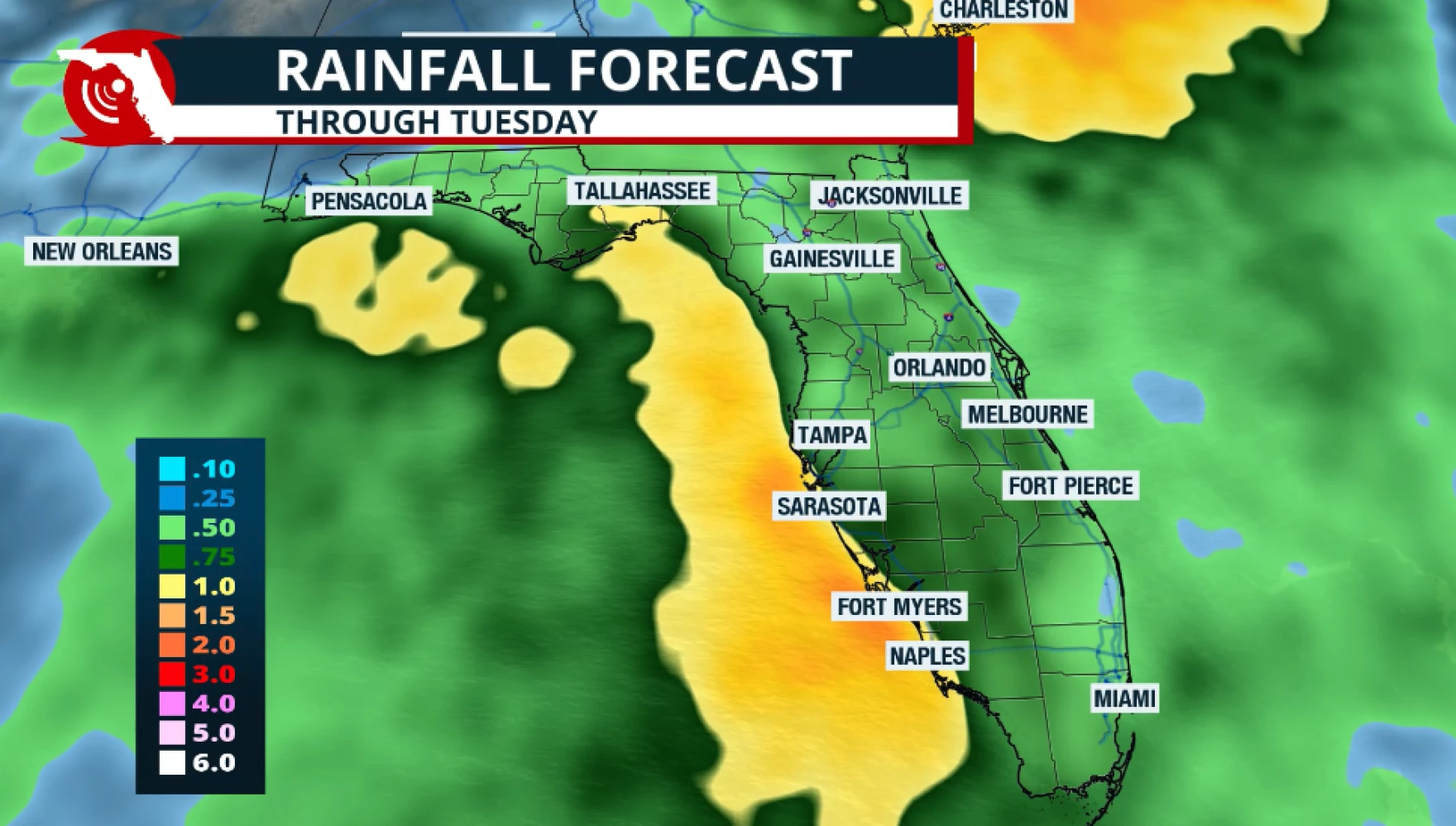
Hurricane season is a significant consideration for anyone traveling to Florida during these months. While the risk of a direct hit remains relatively low, it’s wise to be prepared. Here are crucial tips:
- Monitor Forecasts: Stay updated with weather forecasts from reliable sources like the National Hurricane Center.
- Travel Insurance: Purchase comprehensive travel insurance that covers hurricane-related cancellations, delays, or evacuations. Read the policy carefully to understand what is covered.
- Flexible Bookings: If possible, choose flights and accommodations with flexible cancellation or rebooking policies. Many airlines and hotels offer waivers during active hurricane threats.
- Have a Plan: Know your hotel’s evacuation procedures. If renting a car, understand local evacuation routes.
- Alternative Destinations: Consider having a backup plan, such as a trip to the Caribbean, Mexico, or the Bahamas, if a hurricane threatens Florida.
Despite the potential for hurricanes, millions visit Florida successfully during these months. Being informed and prepared allows you to enjoy the benefits of off-peak travel while minimizing risk.
Choosing the Best Time for Your Trip
The “best” time to visit Florida truly depends on your priorities and the lifestyle experience you seek.
- For Mild Weather & Outdoor Activities (Winter/Spring): If comfortable temperatures, low humidity, and extensive outdoor exploration (theme parks, beaches, nature trails) are your priority, then December through May is ideal. Be prepared for higher prices and larger crowds, especially during holidays and Spring Break. This is prime time for luxury travel and experiencing Florida’s most popular attractions at their finest.
- For Budget Travel & Water Activities (Summer/Early Autumn): If you’re looking for budget-friendly travel, don’t mind the heat, and prioritize water parks, beach time, or indoor attractions, June through early September can be excellent. Accommodation deals are often available, but you’ll need to plan around the heat, humidity, and potential for afternoon storms or tropical systems. This is often the time for family trips due to school schedules.
- For Fewer Crowds & Good Value (Late Spring/Late Autumn): The shoulder seasons of late April/May and late October/November often strike a perfect balance. You’ll find pleasant weather (especially later in the fall) and fewer crowds, translating into better deals on hotels and attractions. This is ideal for those seeking a more relaxed pace and greater flexibility in their travel planning, offering a blend of luxury and budget travel opportunities.
Ultimately, Florida’s diverse climate ensures that there’s a perfect time for every type of traveler. By aligning your expectations and preparations with the seasonal weather patterns, you can unlock the full potential of the Sunshine State and create unforgettable memories.
In conclusion, Florida’s weather is as dynamic and varied as its landscapes and attractions. From the crisp, dry winters that attract snowbirds and holidaymakers to the warm, wet summers perfect for family adventures, each season offers a unique travel proposition. Understanding these climatic nuances—from the cooler winters in North Florida to the tropical warmth of Key West, and the daily summer thunderstorms that characterize Orlando and Miami—is essential for crafting an optimal itinerary. Whether you’re booking a beachfront resort, planning a theme park marathon, or exploring natural wonders, a mindful approach to the Sunshine State’s climate will significantly enhance your travel experience, ensuring that your time here is truly picture-perfect.
LifeOutOfTheBox is a participant in the Amazon Services LLC Associates Program, an affiliate advertising program designed to provide a means for sites to earn advertising fees by advertising and linking to Amazon.com. Amazon, the Amazon logo, AmazonSupply, and the AmazonSupply logo are trademarks of Amazon.com, Inc. or its affiliates. As an Amazon Associate we earn affiliate commissions from qualifying purchases.