
Florida, the beloved Sunshine State, beckons travelers year-round with its pristine beaches, world-famous theme parks, vibrant cities, and a palpable sense of celebration. From the magical fireworks displays over Cinderella Castle at Walt Disney World Resort to spontaneous backyard gatherings, fireworks are an intrinsic part of many Florida experiences, particularly around major holidays. However, for both residents and visitors eager to add a personal spark to their vacation, a crucial question often arises: how late can you set off fireworks in Florida?
The answer, like much of Florida’s charm, is a fascinating blend of statewide regulations and crucial local ordinances. What might be permissible in Miami could be different in Orlando, and understanding these nuances is key to a safe, legal, and truly enjoyable experience. This comprehensive guide will illuminate the legal landscape, highlight important dates, offer essential safety tips, and even suggest where to catch professional spectacles, ensuring your Florida getaway is filled with dazzling memories, not legal woes.

Navigating the Legalities: State Laws and Local Ordinances
For many years, Florida’s fireworks laws were notoriously complex, often leading to confusion. While seemingly strict on paper, a well-known “agricultural exemption” allowed consumers to purchase otherwise illegal fireworks by signing a waiver, claiming they would be used for purposes like scaring birds from crops. This loophole effectively meant that many types of consumer fireworks, including aerial shells and exploding devices, were readily available. However, a significant legislative change in 2020 brought clarity and direct legality for specific holidays, making personal fireworks use more straightforward, albeit still with important caveats.
The Evolution of Florida’s Fireworks Legislation
Prior to the recent changes, Florida Statutes 791.01 defined “fireworks” broadly, prohibiting the sale and use of anything that exploded or flew into the air, with exceptions for “sparklers,” noiseless items, and certain novelty devices. These generally permitted items were often referred to as “safe and sane” fireworks. The aforementioned agricultural exemption, outlined in Florida Statutes 791.02, was a workaround that permitted the sale of more powerful consumer fireworks to individuals who signed an affidavit stating their intent for agricultural use. This created a paradoxical situation where purchasing was easy, but legal use was technically restricted to agricultural purposes, leaving many everyday celebrants in a legal gray area.
In 2020, Governor Ron DeSantis signed Senate Bill 140 into law, a pivotal moment for fireworks enthusiasts. This legislation directly legalized the use of consumer fireworks – including those that fly and explode – for personal use on three specific holidays. This move aimed to remove the ambiguity of the agricultural exemption, recognizing the reality of consumer demand while also attempting to provide clearer guidelines for celebrations.
The 2020 Legislation: A Game-Changer for Holiday Celebrations
The new Florida law explicitly allows the use of consumer fireworks on the following three legal holidays:
- New Year’s Eve: December 31
- New Year’s Day: January 1
- Independence Day (or Fourth of July): July 4
On these designated dates, individuals are legally permitted to discharge consumer fireworks without needing to rely on the agricultural exemption. This significantly simplified the legal framework for celebratory use, aligning state law with common practice during these festive periods. This change has been welcomed by many looking to celebrate special occasions, whether staying at a cozy vacation rental in Kissimmee or enjoying a beachfront villa in Destin.
The Critical Role of Local Ordinances
While state law now clearly permits fireworks use on specific holidays, it’s imperative to understand that this is not the complete picture. The state law does not override local ordinances that may impose stricter regulations, particularly concerning when fireworks can be set off or in which specific areas. Many Florida cities and counties have their own noise ordinances, fire safety regulations, and restrictions on discharge times, even on state-approved holidays.
For example, a city like Sarasota or Naples, known for their tranquil environments, might have stricter noise curfews than a bustling urban center like Jacksonville. These local rules are often put in place to ensure public safety, minimize disturbance to residents and wildlife, and prevent wildfires, especially during dry seasons. Some municipalities might restrict fireworks near hospitals, schools, nature preserves (like areas around Everglades National Park), or even within certain residential zones.
Therefore, before lighting any fuse, whether you’re staying at a luxury resort in Palm Beach or camping near St. Augustine, it is absolutely essential to check the specific ordinances of the city or county where you plan to celebrate. This information is typically available on the official websites of local government entities, such as the City of Orlando portal or the Miami-Dade County official website. A quick online search for “[City Name] fireworks ordinance” or “[County Name] noise ordinance” will usually provide the necessary details. Failure to comply with local rules can result in fines and other penalties, potentially putting a damper on your Florida travel plans.
Celebrating with a Bang: Key Dates and Designated Times
With the state law clarifying when consumer fireworks are broadly legal, the next critical layer of understanding involves the specific hours of operation as dictated by local authorities. While the state permits fireworks on the aforementioned three holidays, local jurisdictions often define the start and end times for these celebrations.
Fourth of July Festivities
For the Fourth of July, most local ordinances allow fireworks for personal use throughout the evening, often extending until 10 PM, 11 PM, or even midnight. Some areas might permit a broader window, starting in the late afternoon. For instance, in a popular tourist destination like Panama City Beach, where celebrations are a major draw, specific zones and times might be heavily regulated to manage crowds and ensure safety along the beachfront. Conversely, a more rural county might have more relaxed enforcement regarding specific end times, provided common sense and safety are observed.
It’s not uncommon for cities to enforce stricter curfews on weekdays leading up to or following the Fourth of July, even if sporadic fireworks might be set off. The focus of the new law is explicitly on July 4th itself, January 1st, and December 31st. Resorts and hotels, such as the Marriott Orlando World Center or the Gaylord Palms Resort & Convention Center, which often host their own celebrations, will also strictly adhere to local guidelines for their private events.
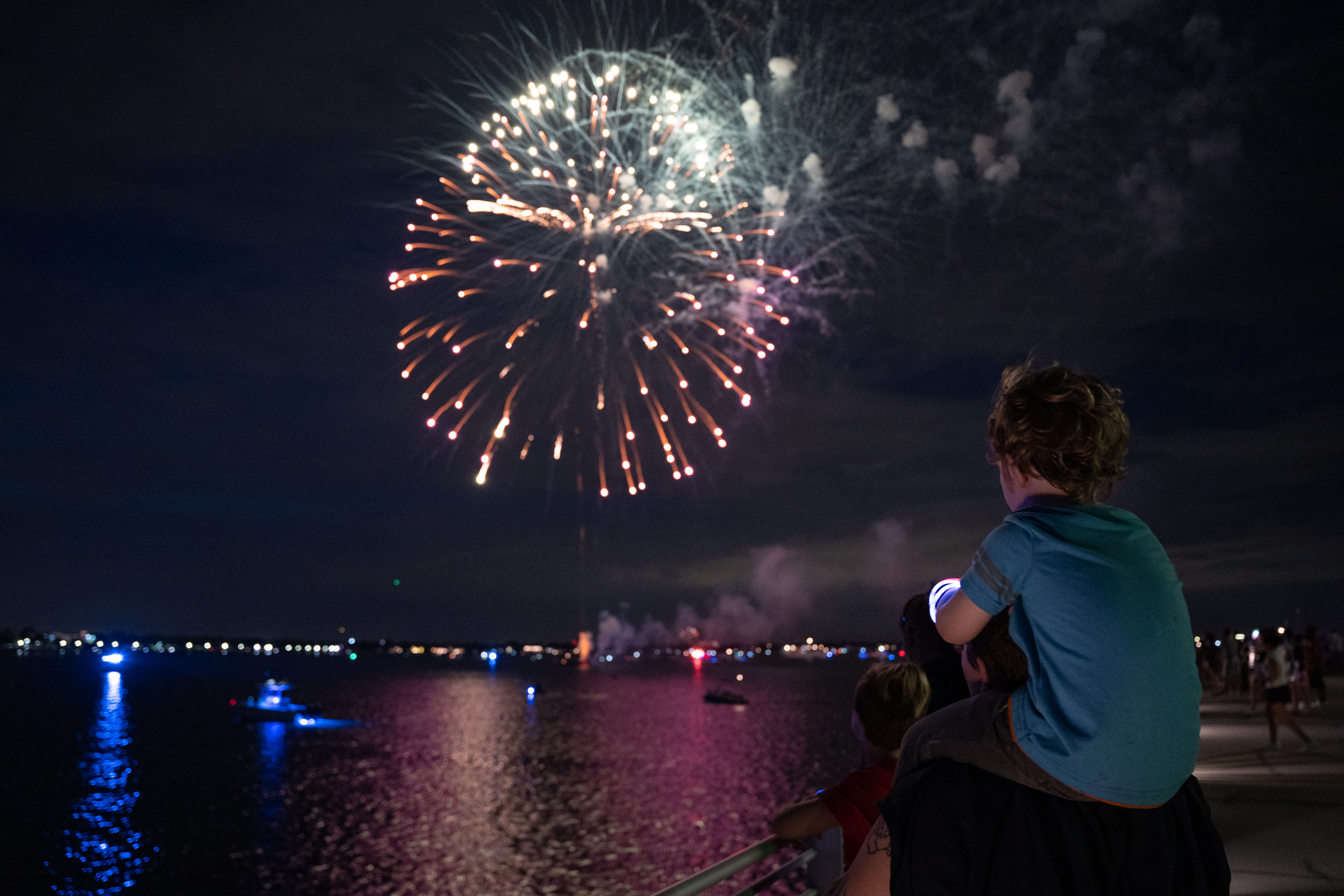
Ringing in the New Year: New Year’s Eve and New Year’s Day
New Year’s Eve and New Year’s Day often present the most extended windows for fireworks. On New Year’s Eve, it’s common for local ordinances to permit fireworks well past midnight, typically until 12:30 AM or 1 AM on New Year’s Day. Some areas might even allow limited discharge throughout the early hours of January 1st. This extended period acknowledges the celebratory nature of welcoming the New Year, with many people celebrating until the early morning.
Coastal communities like Clearwater Beach or South Beach in Miami are particularly vibrant on New Year’s Eve, with both private and public displays lighting up the oceanfront. If you’re staying at a hotel like The Don CeSar in St. Pete Beach or the Hard Rock Hotel Daytona Beach, you’ll find that their specific policies regarding guest use of personal fireworks will also align with or be stricter than local ordinances. Always check with your accommodation provider in advance if you plan to bring your own fireworks.
Safety First: Essential Tips for Personal Fireworks
While the thrill of setting off fireworks is undeniable, safety must always be the top priority. The beautiful, dry Florida climate, while perfect for tourism, also means a higher risk of wildfires. Moreover, injuries from fireworks are a serious concern. Observing strict safety protocols is not just a recommendation; it’s a necessity to protect yourself, your loved ones, your property, and the environment.
Prioritizing a Safe Celebration
- Adult Supervision is Non-Negotiable: Never allow children to handle or light fireworks. Even sparklers, which burn at extremely high temperatures, should only be used by adults or under direct, close adult supervision.
- Choose a Safe Location: Select a clear, open area away from homes, dry grass, brush, trees, vehicles, and other flammable materials. Beaches or large, empty paved lots (where permitted by local law) are often ideal. Be mindful of overhead obstructions like power lines.
- Keep Water Nearby: Have a bucket of water or a garden hose ready and accessible to extinguish stray sparks or duds.
- Proper Ignition: Light one firework at a time, and never hold a lit firework in your hand. Use a long-handled lighter or punk.
- Never Relight Duds: If a firework fails to ignite, do not try to relight it. Wait at least 20 minutes, then soak it in water before safely discarding it.
- Dispose Responsibly: After use, douse all spent fireworks thoroughly with water to prevent any smoldering and then dispose of them in a metal trash can, away from other combustible materials.
- Consider Your Neighbors and Pets: The loud noises can be distressing for veterans with PTSD, young children, and especially pets. Keep pets indoors and secure, and communicate with neighbors about your plans if possible.
- Respect Quiet Hours: Even within permitted hours, be mindful of noise levels, especially late at night.
Environmental and Community Responsibility
Beyond immediate safety, responsible fireworks use also considers broader environmental and community impacts. Fireworks contribute to noise pollution, which can disrupt local wildlife and peace for residents. The debris left behind can litter beaches and parks, impacting Florida’s delicate ecosystems and requiring extensive cleanup. Air quality can also be temporarily affected by the smoke and chemicals released.
Being a responsible celebrant means thinking beyond your immediate enjoyment to the well-being of the wider community and the preservation of Florida’s natural beauty, which is a key draw for tourists worldwide.
Beyond Backyard Blasts: Professional Displays and Tourist Attractions
For many visitors to Florida, the best and safest way to experience fireworks is through the spectacular professional displays put on by cities and major tourist attractions. These shows are expertly choreographed, dazzling, and executed by licensed professionals, ensuring maximum visual impact with minimal risk.
The Grandeur of Professional Shows
Florida is renowned for its world-class firework displays, particularly at its iconic theme parks. Walt Disney World offers nightly fireworks over Magic Kingdom, Epcot, and Hollywood Studios, which are truly unparalleled experiences. Similarly, Universal Studios Florida and SeaWorld Orlando often feature impressive pyrotechnic shows, especially during peak seasons and holidays. These displays are not only safe but also integrate music, projections, and elaborate storytelling, creating truly unforgettable moments that are a highlight of any Orlando vacation.
Beyond the theme parks, many Florida cities host incredible public firework displays for major holidays. Popular spots include:
- Downtown St. Petersburg: Known for its vibrant waterfront celebrations.
- Fort Lauderdale Beach: A stunning backdrop for coastal fireworks.
- Key West: Offering unique island charm with its celebrations.
- Port Canaveral: A great spot to combine fireworks with a view of cruise ships.
These professional shows are typically free to view from public areas, though some events may require tickets for prime viewing spots or special parties. Many hotels and resorts, particularly those in destination areas like Amelia Island, Sanibel Island, or Captiva Island, also offer special viewing events or rooms with balconies facing the displays, providing a luxurious and convenient way to enjoy the spectacle. Imagine watching the Fourth of July fireworks from your suite at The Breakers Palm Beach or Ritz-Carlton, Naples!

Planning Your Florida Getaway Around Fireworks
For travelers, incorporating firework viewing into a Florida itinerary can enhance the overall experience. If your trip coincides with Independence Day, New Year’s Eve, or New Year’s Day, plan your destination accordingly.
- Book Accommodation Early: Holiday weekends are extremely popular in Florida, so hotels, resorts, and vacation rentals book up quickly. Look for properties that advertise firework views or are within easy reach of major public displays. The Hyatt Regency Grand Cypress and the Waldorf Astoria Orlando are examples of hotels in the Orlando area known for their proximity to theme park fireworks.
- Check Local Event Calendars: Before your trip, consult the websites of the local tourism boards, such as Visit Florida, or specific city tourism sites (e.g., Visit Gainesville, Tallahassee tourism) for schedules of professional displays and associated events. Many cities will have specific viewing points designated, often with family-friendly activities leading up to the main event.
- Consider Theme Park Packages: If you’re visiting Walt Disney World or Universal Orlando Resort during a holiday, look into special event tickets or dining packages that offer prime viewing locations for their fireworks spectaculars. Remember that parks like Busch Gardens Tampa Bay and LEGOLAND Florida Resort also host unique seasonal fireworks events, especially for kids.
- Explore Unique Viewing Experiences: Beyond the main venues, consider a boat tour in Islamorada or Coral Gables for a unique perspective of coastal fireworks, or find a rooftop bar in a city like Delray Beach or Vero Beach that offers elevated views. Even places like the Kennedy Space Center Visitor Complex might have special holiday events with a patriotic flair.
In conclusion, setting off personal fireworks in Florida is now legally permissible on New Year’s Eve, New Year’s Day, and the Fourth of July. However, the critical caveat remains: always check local city and county ordinances for specific time restrictions and prohibited areas. Prioritize safety above all else, and remember that Florida also offers an abundance of professional firework displays that provide breathtaking entertainment without the personal risk. By understanding and respecting these guidelines, you can ensure your Florida celebration is both dazzling and responsible, leaving you with nothing but glowing memories.
LifeOutOfTheBox is a participant in the Amazon Services LLC Associates Program, an affiliate advertising program designed to provide a means for sites to earn advertising fees by advertising and linking to Amazon.com. Amazon, the Amazon logo, AmazonSupply, and the AmazonSupply logo are trademarks of Amazon.com, Inc. or its affiliates. As an Amazon Associate we earn affiliate commissions from qualifying purchases.