
Florida, often celebrated for its sun-drenched beaches, vibrant cities, and world-class theme parks, harbors a lesser-known but equally captivating natural treasure: an astonishing abundance of lakes. While the precise number can be surprisingly elusive, depending on how one defines a “lake,” it is unequivocally a state teeming with freshwater bodies. This intricate network of lakes not only defines much of Florida’s unique geography and ecology but also plays a pivotal role in its tourism, lifestyle, and overall allure. For travelers and nature enthusiasts seeking to explore beyond the coastline, understanding the sheer scale and diversity of these inland waters is essential.
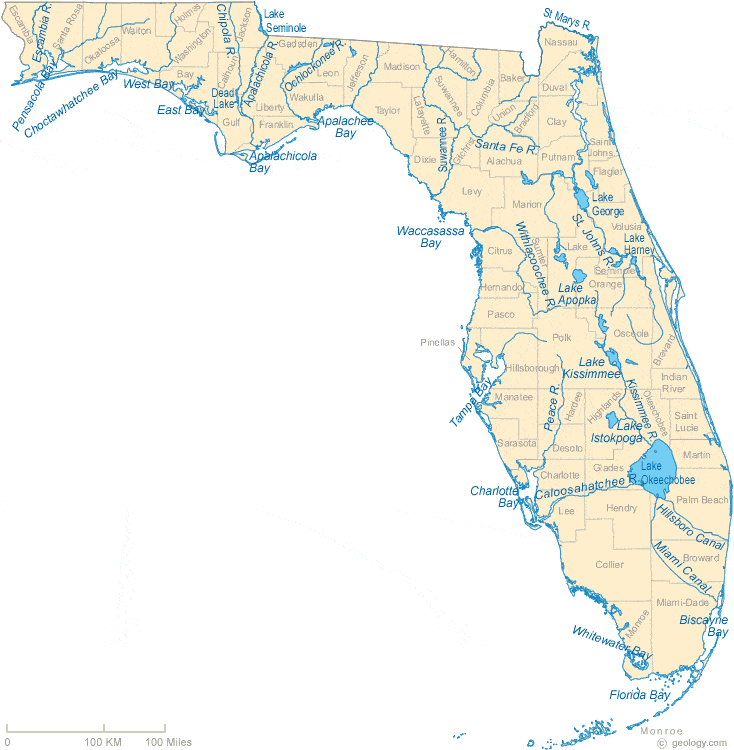
The quest to pinpoint an exact figure for the number of lakes in Florida is met with various interpretations and methodologies. Some official sources cite a figure well over 7,700, while others, employing broader definitions that include smaller ponds and artificial water bodies, push that number significantly higher, potentially exceeding 30,000. This discrepancy highlights the fluid nature of geographical classification, but regardless of the exact count, one truth remains clear: Florida is a land profoundly shaped by its freshwaters. From vast inland seas that dominate the landscape to secluded, cypress-lined havens, these lakes offer a diverse array of experiences, contributing immensely to the state’s appeal as a premier travel destination and a haven for nature lovers.
Defining a Lake: The Nuances of Florida’s Waters
Before diving into specific numbers, it’s crucial to understand what constitutes a “lake” in the context of Florida’s unique hydrography. Unlike many other regions, Florida’s flat topography and porous limestone bedrock lead to a dynamic interaction between surface water and groundwater, often blurring the lines between lakes, ponds, and wetlands.
The most commonly accepted definition for a “lake” in scientific and governmental contexts, particularly by the U.S. Geological Survey (USGS) and the St. Johns River Water Management District, typically involves size. A body of water generally needs to be at least 10 acres in surface area to be considered a lake. This threshold helps distinguish larger, more permanent water bodies from smaller ponds or ephemeral wetlands that might dry up seasonally. Furthermore, lakes are generally defined by being distinct, non-flowing bodies of water, though many are interconnected by canals or rivers, forming intricate systems.
When considering all natural and man-made impoundments that hold water, regardless of size, the number skyrockets. These smaller water bodies, often referred to as ponds, borrow pits, or retention basins, are ubiquitous throughout Florida’s urban and suburban landscapes. While they might not fit the strict definition of a “lake,” they are vital for local ecosystems, stormwater management, and often provide local recreational opportunities. The sheer volume of these smaller bodies contributes to the perception of Florida as a “water-rich” state, far beyond the official lake count. Understanding this distinction is key to appreciating the full aquatic tapestry of the Sunshine State.
The Official Numbers and Broader Estimates
When adhering to the 10-acre minimum size criterion, the number of named lakes in Florida is widely cited as approximately 7,700 to 7,800. This figure comes from detailed surveys by governmental agencies like the U.S. Geological Survey (USGS) and various state water management districts. These figures are often updated as mapping technologies improve and new surveys are conducted.
However, if we expand the definition to include every named and unnamed body of freshwater, irrespective of size, the numbers become far more staggering. Some comprehensive mapping efforts and hydrological models suggest that Florida could be home to over 30,000 distinct freshwater bodies. This includes countless small ponds, stormwater retention areas, and even larger, permanent wetlands that might not fit the classic “lake” description but are critical components of the state’s hydrology.
Comparing this to other states, Florida stands out. While states like Minnesota are famously known as the “Land of 10,000 Lakes,” Florida’s official count of bodies over 10 acres actually surpasses that of Minnesota. This positions Florida as one of the most lake-dense states in the United States, a fact often overshadowed by its coastal reputation.
These bodies of water are not merely isolated features; they are interconnected, forming complex systems. Many lakes are karst lakes, formed by the dissolution of underlying limestone, and are deeply connected to Florida’s vast underground aquifer system. This interconnectedness means that the health of one lake can significantly impact others, emphasizing the ecological importance of preserving these freshwater resources.
Florida’s Lake Districts and Prominent Freshwater Gems
Florida’s lakes are not uniformly distributed. The highest concentration of lakes is found in Central Florida, an area often referred to as the “Lake District.” This region, characterized by its rolling hills and extensive citrus groves, is dotted with thousands of lakes, making it a prime destination for freshwater recreation and living. These lakes vary greatly in size, depth, and ecological characteristics, but many share common geological origins, primarily as sinkhole or basin lakes.
From the expansive shallow waters of the south to the clear spring-fed lakes further north, each major lake in Florida tells a unique story and offers distinct experiences. These bodies of water are not just geographical features; they are centers of biodiversity, economic engines for local communities, and beloved spots for recreation.
Lake Okeechobee: The Great Inland Sea
Undoubtedly the most famous and by far the largest lake in Florida is Lake Okeechobee. Spanning over 730 square miles (approximately 467,000 acres), it is the second-largest freshwater lake entirely within the United States (after Lake Michigan if considering only states within the US, or Lake Superior if considering the entire US portion). Known as “Florida’s Inland Sea,” its vast, shallow waters are a vital part of the state’s ecosystem, supplying water to agricultural areas and contributing to the health of the Everglades to the south via the historic Kissimmee River basin. Lake Okeechobee is a renowned destination for bass fishing and offers unique opportunities for birdwatching, with its extensive marshes providing habitat for countless species.
Lake Apopka: A Story of Revival
Once the second-largest lake in Florida, Lake Apopka in Orange County has a compelling history of environmental degradation and subsequent revival. Historically, it was a pristine lake renowned for its fishing. However, decades of agricultural runoff and pollution severely impacted its health, leading to a dramatic decline in water quality and biodiversity. Thanks to concerted restoration efforts by the St. Johns River Water Management District and other agencies, Lake Apopka is undergoing a remarkable recovery. It is now a prime destination for birdwatching, part of the Great Florida Birding and Wildlife Trail, and its once-threatened ecosystem is slowly but surely returning to life, offering a powerful testament to successful conservation.
Lake George: A Link in the St. Johns River System
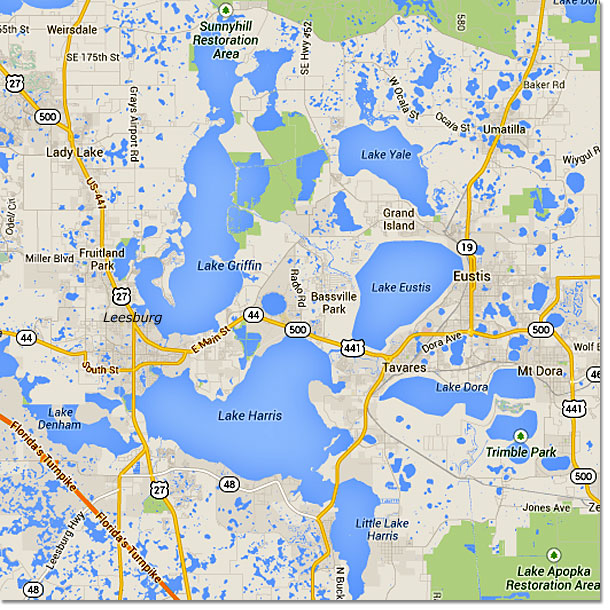
Lake George, located southwest of Daytona Beach, is the second-largest lake in Florida at approximately 46,000 acres. This expansive lake is unique because it is a wide spot in the St. Johns River, Florida’s longest river, which famously flows north. Its waters are brackish due to ancient saltwater intrusion, supporting a unique ecosystem that includes striped bass and various marine-influenced species. Lake George is a significant recreational area for boating, fishing, and wildlife viewing, particularly manatees who seek warmer waters in nearby springs during winter months.
The Kissimmee Chain of Lakes: Angler’s Paradise
The Kissimmee Chain of Lakes, which includes prominent lakes like Lake Kissimmee and Lake Tohopekaliga (often referred to as Lake Toho), forms a vital part of the upper Everglades ecosystem. These lakes, situated largely within Osceola County near the city of Kissimmee, are world-renowned for their bass fishing. Their expansive marshy edges and hydrilla beds provide ideal habitats for large mouth bass, making them a magnet for professional and amateur anglers alike. Beyond fishing, these lakes offer superb opportunities for airboat tours, kayaking, and experiencing authentic Florida wildlife, including alligators and diverse birdlife.
Lake Weir: A Gem in Marion County
Lake Weir, situated in Marion County near Ocala and the Ocala National Forest, is one of Florida’s largest and clearest spring-fed lakes. Covering approximately 5,600 acres, its remarkably clean and clear waters make it exceptionally popular for swimming, snorkeling, scuba diving, and a variety of watersports. Unlike some of Florida’s more tannin-stained lakes, Lake Weir’s inviting transparency draws visitors seeking refreshing aquatic activities, offering a distinct contrast to the brackish waters of coastal areas.
The Butler Chain of Lakes: Orlando’s Exclusive Waterfront
In the heart of Orange County, west of Orlando, lies the Butler Chain of Lakes. This chain consists of 11 interconnected lakes, including Lake Butler, Lake Tibet, and Lake Down, known for their exceptional water clarity and luxurious lakeside communities like Windermere and Isleworth. The chain is highly valued for boating, wakeboarding, and bass fishing, attracting residents and visitors who appreciate a refined waterfront lifestyle. Its natural beauty, coupled with its proximity to Orlando’s attractions, makes it a premier location for both lavish homes and recreational pursuits.
Chain of Lakes Winter Haven: A Watersports Wonderland
Another notable chain of lakes is found in Winter Haven, Polk County. This system comprises 16 interconnected lakes on the northern chain and 9 on the southern, all navigable via canals. The Chain of Lakes Winter Haven is famous as the “Water Ski Capital of the World,” home to numerous professional water skiers and enthusiasts. It offers unparalleled opportunities for water skiing, wakeboarding, paddleboarding, and kayaking. Its family-friendly atmosphere is further enhanced by its proximity to Legoland Florida Resort, making it a comprehensive destination for both adrenaline junkies and families seeking aquatic fun.
The Ecological and Recreational Significance of Florida’s Lakes
The immense number of lakes in Florida contributes profoundly to both its ecological health and its appeal as a global travel destination. These freshwater ecosystems are not merely static bodies of water; they are dynamic habitats teeming with life and crucial for human well-being.
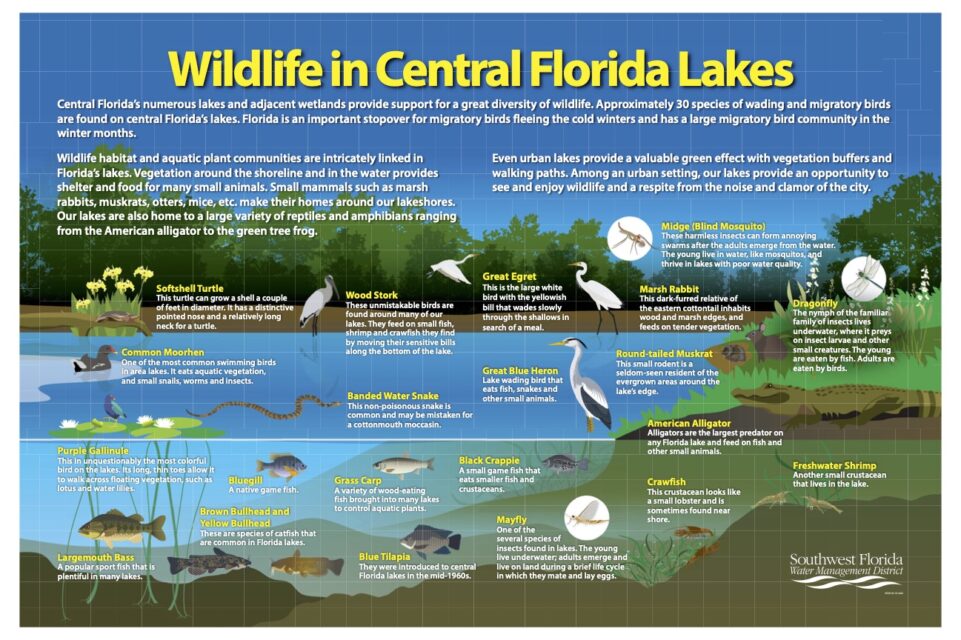
Ecologically, Florida’s lakes are biodiversity hotspots. They serve as critical habitats for a vast array of wildlife, including iconic Florida species such as alligators, manatees, otters, and countless species of fish, including the prized largemouth bass. The avian diversity around these lakes is equally impressive, attracting avid birdwatchers seeking everything from majestic ospreys and bald eagles to vibrant wading birds like great blue herons, roseate spoonbills, and various egrets. The lush cypress swamps and wetlands surrounding many lakes act as natural filters, improving water quality, and providing essential breeding grounds for amphibians and reptiles. Furthermore, these lakes are indispensable components of the regional water supply, serving as sources of drinking water for many communities and contributing to flood control by absorbing excess rainfall.
From a tourism and lifestyle perspective, the lakes unlock a treasure trove of recreational opportunities. They provide a vital counterpoint to the coastal attractions, offering a different kind of aquatic adventure.
- Boating and Watersports: Whether it’s powerboating on Lake George, water skiing on the Chain of Lakes Winter Haven, or paddleboarding on a serene smaller lake, there’s an activity for every enthusiast. Rental options for boats, kayaks, and paddleboards are widely available.
- Fishing: Florida is often dubbed the “Fishing Capital of the World,” and its freshwater lakes are a primary reason. Anglers flock to lakes like Okeechobee and the Kissimmee Chain of Lakes in pursuit of trophy largemouth bass, speckled perch, and other freshwater species.
- Wildlife Viewing and Photography: The tranquil shores and open waters are ideal for spotting diverse wildlife. Airboat tours, particularly around the Kissimmee area, offer thrilling encounters with alligators and other marsh inhabitants.
- Lakeside Parks and Trails: Many lakes are enveloped by state parks, county parks, and natural preserves, providing amenities like picnic areas, hiking and biking trails, and designated swimming spots. These areas allow visitors to enjoy the beauty of the lakes from shore, offering serene escapes and active recreation alike.
- Accommodation and Lifestyle: The presence of so many lakes has fostered unique accommodation experiences, from rustic lakeside cabins to luxurious waterfront resorts and vacation rentals, particularly around popular chains like the Butler Chain of Lakes in Orlando. Many visitors seek out lakeside living for its tranquility and access to nature, contributing to a distinct Florida lifestyle.
Planning Your Lake-Centric Florida Adventure
For travelers accustomed to Florida’s beaches, exploring its lakes offers a fresh perspective on the state’s natural beauty and recreational diversity. When planning a lake-centric trip, consider a few key aspects to maximize your experience.
First, identify your primary interest. If you’re an avid angler, target the renowned bass fishing destinations like Lake Okeechobee or the Kissimmee Chain of Lakes. For watersports and family fun, the Chain of Lakes Winter Haven is an excellent choice, especially with Legoland Florida Resort nearby. If seeking clear waters for swimming and snorkeling, Lake Weir or the spring-fed rivers like the Wekiva River and Ocklawaha River offer pristine conditions. Birdwatchers and nature photographers will find Lake Apopka and many state parks bordering lakes particularly rewarding.
Accommodation options abound, from luxury resorts and private villas on lakes like the Butler Chain of Lakes to more budget-friendly hotels and vacation rentals in cities like Kissimmee or Winter Haven. Many lakeside communities also offer charming bed and breakfasts or campgrounds within state parks for those seeking a more immersive nature experience. Consider booking accommodations with direct lake access or proximity to marinas for easy boat rentals and launching.
Timing your visit can also enhance your trip. While Florida is a year-round destination, the cooler, drier months from November to April are often ideal for outdoor activities, offering comfortable temperatures and less humidity. However, the warmer months are perfect for swimming and cooling off in the lakes. Always be mindful of local weather patterns, especially during hurricane season (June to November), and check for any local advisories regarding water levels or conditions.
In conclusion, while the question “How many lakes are in Florida?” may have a complex answer, the undeniable truth is that the state is blessed with an extraordinary number of freshwater treasures. These lakes are more than just geographical features; they are vibrant ecosystems, hubs of recreation, and integral to the Florida lifestyle. From the mighty Okeechobee to the charming chains in Winter Haven and Orlando, Florida’s lakes invite exploration, offering unforgettable experiences for every type of traveler.
LifeOutOfTheBox is a participant in the Amazon Services LLC Associates Program, an affiliate advertising program designed to provide a means for sites to earn advertising fees by advertising and linking to Amazon.com. Amazon, the Amazon logo, AmazonSupply, and the AmazonSupply logo are trademarks of Amazon.com, Inc. or its affiliates. As an Amazon Associate we earn affiliate commissions from qualifying purchases.