
Florida, the Sunshine State, is a beacon for travelers worldwide, renowned for its pristine beaches, vibrant cities, and unparalleled tourism industry. From the sun-drenched shores of Miami Beach to the magical theme parks of Orlando and the historic charm of Key West, millions flock to experience its unique lifestyle. This influx of visitors fuels a colossal hospitality sector, encompassing everything from luxury resorts and boutique hotels to world-class restaurants and bustling nightclubs. For any entrepreneur eyeing a slice of this lucrative market, especially one involving the sale of alcoholic beverages, understanding the intricacies and costs associated with obtaining a liquor license in Florida is not just important – it’s absolutely critical.

The question “How much is a liquor license in Florida?” is deceptively simple, often met with an answer that can range from a few hundred dollars to well over a million. This vast disparity underscores the complex nature of Florida’s alcoholic beverage regulations, which are meticulously managed by the Florida Division of Alcoholic Beverages and Tobacco (ABT). For anyone looking to open a new establishment, expand an existing hotel or resort, or simply understand the market value of these essential permits, delving into the specifics is paramount. This comprehensive guide will break down the types of licenses available, the significant cost variables, the application process, and the strategic implications for businesses operating within Florida’s thriving economy.
Navigating the Complexities of Florida Liquor Licensing
The Florida liquor licensing system is unique and often challenging, designed to regulate the sale and distribution of alcoholic beverages meticulously. The primary objective is to maintain public safety and order, ensuring that businesses adhere to strict guidelines. For those venturing into the hospitality space, whether it’s a quaint bed and breakfast in St. Augustine, a sprawling Orlando resort, or a high-end restaurant in South Beach Miami, the appropriate liquor license is often the cornerstone of their business model.
Understanding the Core License Types in Florida
The ABT issues various types of licenses, each tailored to specific business operations. Broadly, these can be categorized by the type of alcohol sold and whether it’s for consumption on or off the premises. The distinction is crucial for understanding the application process and, more importantly, the cost.
- 2COP (Beer and Wine On-Premises/Off-Premises): This is generally the most accessible and least expensive license type. It permits the sale of beer and wine for consumption on the premises (e.g., at a cafe or a small restaurant) or for consumption off the premises (e.g., at a grocery store or convenience store). Many casual dining spots, delis, and small eateries find this license sufficient to complement their food offerings. The application process is typically less rigorous, and the annual state fees are relatively modest.
- 4COP (Quota Liquor License – Consumption On-Premises): This is the holy grail for many bars, full-service restaurants, and nightclubs in Florida. A 4COP license allows the sale of beer, wine, and spirits for consumption on the premises. The critical distinction here is the “quota” system. Florida limits the number of 4COP licenses available in each county based on population. Specifically, one new quota license is issued for every 7,500 residents. This scarcity is the primary driver of their astronomical cost, as they are often bought and sold on a secondary market.
- Hotel/Motel Licenses (Special Provisions): Recognizing the importance of the hotel and resort industry to Florida’s economy, the state offers specific exemptions that can significantly impact the cost and availability of liquor licenses for these establishments. For instance, hotels or motels with 50 or more guest rooms and at least 51% of their gross revenue derived from room rentals and food sales (excluding alcohol) can often obtain a “Special Hotel License” which is exempt from the quota system. This is a tremendous advantage for new developments or existing properties seeking to enhance their guest experience with full liquor service without incurring the immense cost of a quota license. For larger resorts with multiple dining outlets and bars, this provision is a game-changer.
- Specialty Licenses: Beyond these primary categories, Florida offers various specialized licenses for caterers, distributors, manufacturers (breweries, distilleries, wineries), and package stores (SFS – Seller of Food Stuffs). Each has its own set of requirements and fee structure.
The Financial Landscape: Deconstructing the Cost of a Florida Liquor License
When asking about the cost, it’s essential to distinguish between the various components that contribute to the total investment. It’s rarely a single, straightforward fee.
State Fees and Annual Renewals
Every liquor license in Florida begins with an application process that includes non-refundable state fees. Once approved, there are annual renewal fees that must be paid to the ABT to keep the license active.
- Application Fees: These are generally modest, ranging from a few hundred to a couple of thousand dollars, depending on the license type. They cover the administrative costs of processing the application, conducting background checks, and reviewing documentation.
- Annual License Fees: These fees vary significantly based on the type of license, the county’s population, and the alcohol content. For a 2COP beer and wine license, annual fees might be a few hundred dollars. For a full 4COP liquor license, these fees can range from approximately $1,300 in smaller counties to over $1,800 in the most populous counties like Miami-Dade, Broward, or Orange County. While these are recurring costs, they represent a relatively small portion of the overall investment for a full liquor license.
The Market Value of Quota Licenses: The Primary Cost Driver
The single largest and most variable expense for obtaining a 4COP quota liquor license in Florida is its market value on the secondary market. Because the number of these licenses is strictly limited by population, they become a commodity. Each year, the ABT conducts a lottery for new quota licenses that have become available due to population growth. However, the chances of winning this lottery are slim, making the secondary market the primary route for most businesses.
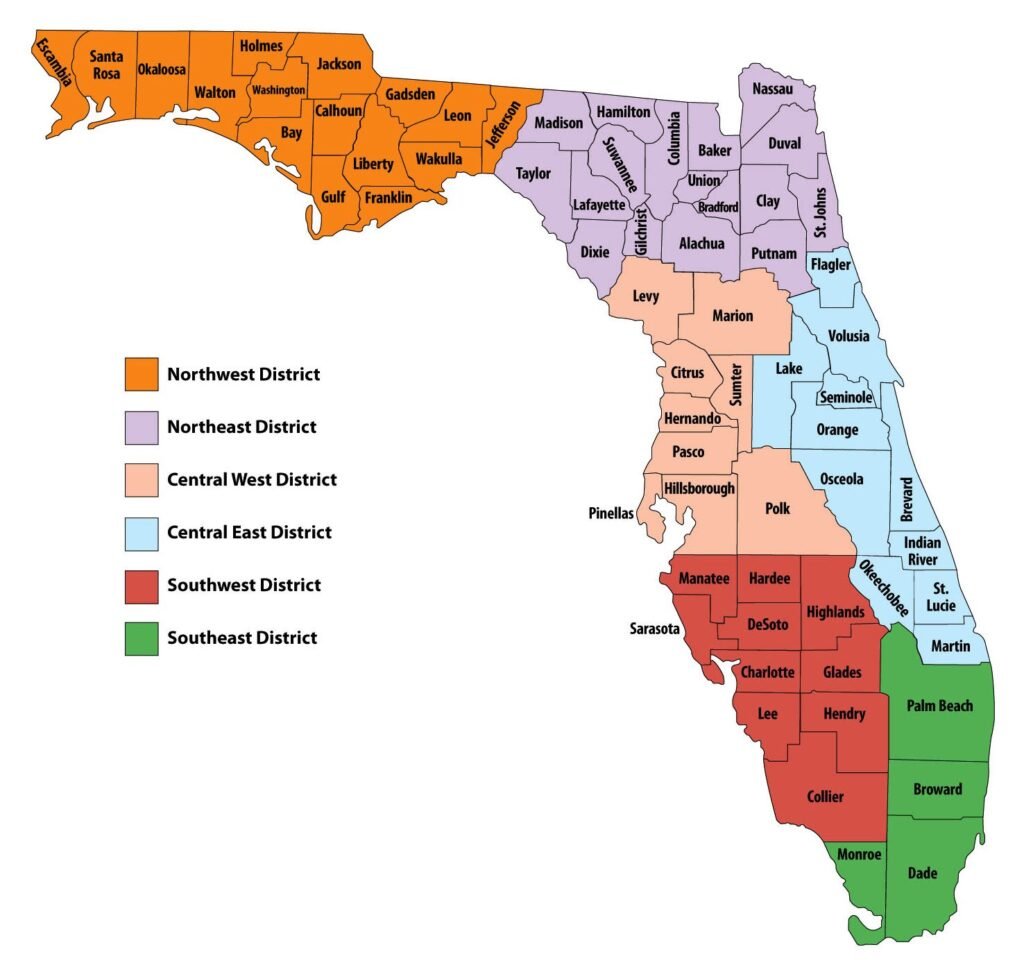
- County-Specific Pricing: The value of a quota license is highly dependent on the county. In areas with high demand and limited supply, particularly tourist hotspots and major metropolitan areas, prices can skyrocket. For example:
- In Miami-Dade County (encompassing Miami, Miami Beach, and Coral Gables), where the hospitality industry thrives, a 4COP license can command prices ranging from $300,000 to well over $600,000, and in some prime locations, even higher.
- In Orange County (Orlando), home to world-famous theme parks and countless resorts, prices are similarly robust, often in the $250,000 to $500,000 range.
- Counties like Broward County (Fort Lauderdale), Hillsborough County (Tampa), and Monroe County (Key West) also see high valuations, typically in the multi-hundred-thousand-dollar range.
- In less populated or rural counties, the prices are significantly lower, potentially ranging from $30,000 to $150,000.
- Factors Influencing Market Value:
- Supply and Demand: The core economic principle at play. High population density, robust tourism, and a thriving nightlife increase demand and price.
- Economic Conditions: General economic health, tourism numbers, and new business development all impact license values.
- Recent Sales: The price of comparable licenses sold recently in the same county often sets the benchmark.
Beyond the License Itself: Hidden Costs and Related Expenses
While the state fees and the market value of a quota license are the primary figures, several other costs can quickly add up, making the overall investment substantial.
- Legal and Brokerage Fees: Given the complexity of Florida’s liquor laws and the nature of the secondary market, most businesses engage specialized attorneys and liquor license brokers. These professionals help navigate the application process, conduct due diligence on sellers (for secondary market purchases), draft purchase agreements, and ensure compliance. Their fees can range from several thousand to tens of thousands of dollars.
- Escrow Services: When purchasing a quota license on the secondary market, funds are typically held in escrow until the transfer is complete and approved by the ABT. Escrow fees are an additional cost.
- Local Permitting and Zoning: Before the state issues a license, the business must comply with all local ordinances. This includes obtaining zoning approval, building permits, health department permits, and local business tax receipts. Each municipality and county has its own set of regulations and associated fees, which can be time-consuming and costly to navigate.
- Federal Permits: Businesses involved in the manufacturing, importing, or wholesaling of alcoholic beverages will also need permits from the Alcohol and Tobacco Tax and Trade Bureau (TTB). While these are separate from state permits, they are a necessary part of the overall regulatory framework for certain types of operations.
- Surety Bonds: Depending on the license type, a surety bond may be required by the state as a guarantee of compliance with tax payments and regulations.
- Business Setup Costs: While not directly license costs, factors like tenant improvements to meet regulatory standards (e.g., kitchen requirements for a 4COP SRX license), security systems, and initial inventory are significant investments that go hand-in-hand with obtaining a liquor license.
The Application Journey: A Step-by-Step Guide for Florida Businesses
The process of obtaining a Florida liquor license is meticulous and requires patience. It’s not a transaction that can be completed overnight, especially for a quota license.
Essential Requirements and Documentation
Applicants must provide a comprehensive array of documents and undergo thorough scrutiny. Key requirements typically include:
- Application Forms: The official DLGR (Division of Alcoholic Beverages and Tobacco) application forms must be completed accurately and in full.
- Background Checks: All individuals with an ownership interest (typically 10% or more), officers, and managers will undergo extensive state and federal background checks, including fingerprinting. A clean criminal record is essential.
- Financial Disclosures: Applicants must demonstrate financial stability and the legal source of funds used to acquire the license and operate the business. This often involves providing bank statements, tax returns, and loan agreements.
- Proof of Property Ownership or Lease: Documentation proving legal access to the premises where alcohol will be sold is required.
- Zoning Approval: A letter from the local zoning authority confirming that the proposed business type (e.g., restaurant, bar, hotel) and the sale of alcohol are permitted at that specific location.
- Diagrams of Premises: Detailed floor plans and site plans illustrating the layout of the establishment, including entrances, exits, bars, and dining areas.
- Federal Employer Identification Number (FEIN): Required for all businesses.
- Florida Department of Revenue Sales Tax Number: Essential for collecting and remitting sales tax.
- DBPR Registration: If the establishment involves food service or accommodation (like a restaurant or hotel), it must be licensed by the Florida Department of Business and Professional Regulation’s (DBPR) Division of Hotels and Restaurants.
The Timeline and Potential Roadblocks
The application process can be lengthy, often taking anywhere from 60 days to six months, or even longer if issues arise. Common roadblocks include:
- Incomplete Applications: Missing documentation or errors can cause significant delays.
- Background Check Delays: Processing federal background checks can sometimes take longer than anticipated.
- Zoning Conflicts: If the proposed location is not properly zoned for alcohol sales, resolving this can be a complex and lengthy process involving local government.
- Financial Scrutiny: Any inconsistencies in financial disclosures can trigger additional investigation.
- Protests: Existing licensees or local residents can formally protest a new license application, leading to administrative hearings and further delays.
Patience, meticulous attention to detail, and a proactive approach to addressing potential issues are vital for a smooth application process.
Strategic Implications for Florida’s Hospitality and Tourism Sector
For businesses deeply embedded in Florida’s vibrant tourism and hospitality industries, understanding the nuances of liquor licensing is more than just a regulatory hurdle – it’s a strategic business decision.
Impact on Hotel Development and Resort Operations
The special provisions for hotels and motels with 50 or more rooms significantly impact development decisions. Developers planning new resorts in prime Florida destinations like Orlando, Miami, or Tampa often design their properties to meet the 50-room threshold, specifically to qualify for a non-quota liquor license. This allows them to offer full-service bars, fine dining, and event catering without the exorbitant upfront cost of purchasing a quota license.
For existing hotels and resorts, a liquor license is not just a revenue generator; it’s a fundamental part of the guest experience. It enables them to offer a complete package of amenities, from poolside cocktails to sophisticated wine lists in their restaurants, enhancing their competitive edge in a crowded market. The ability to host weddings, corporate events, and conferences with full beverage service is often contingent on having the appropriate license, directly impacting their event-based revenue streams.
Enhancing the Visitor Experience and Local Economy
A thriving ecosystem of licensed establishments directly contributes to Florida’s appeal as a global travel destination. From independent craft breweries to chic Miami nightclubs and family-friendly restaurants near Disney World, these businesses create jobs, pay taxes, and enrich the local culture. They offer diverse culinary and entertainment experiences that cater to a wide range of lifestyles and preferences, from luxury travelers seeking exclusive dining to budget-conscious families looking for a casual meal.
Understanding the market dynamics of liquor licenses is also crucial for investors. Acquiring an existing business with a valuable quota license can be a strategic move, as the license itself often represents a significant portion of the business’s overall valuation. For those looking to invest in Florida’s booming hospitality real estate, factoring in the cost and availability of a liquor license is a fundamental part of their financial modeling and due diligence.
In conclusion, the cost of a liquor license in Florida is far from a simple figure. It is a multi-faceted investment that reflects the state’s rigorous regulatory environment, the dynamics of a competitive market, and the immense value placed on the ability to serve alcoholic beverages in a state driven by tourism and hospitality. For any aspiring business owner or investor in the Sunshine State, a thorough understanding of these costs and processes, often aided by expert legal and brokerage advice, is indispensable for success.
LifeOutOfTheBox is a participant in the Amazon Services LLC Associates Program, an affiliate advertising program designed to provide a means for sites to earn advertising fees by advertising and linking to Amazon.com. Amazon, the Amazon logo, AmazonSupply, and the AmazonSupply logo are trademarks of Amazon.com, Inc. or its affiliates. As an Amazon Associate we earn affiliate commissions from qualifying purchases.