
Florida, often hailed as the “Boating Capital of the World,” offers unparalleled opportunities for marine exploration. From the crystal-clear waters of the Florida Keys to the sprawling coastlines along the Gulf of Mexico and the Atlantic Ocean, navigating Florida’s waterways by boat is a quintessential experience. However, to safely and legally captain a vessel in the Sunshine State, obtaining a Florida Boating Certificate is a mandatory and sensible step. This guide will walk you through the straightforward process, ensuring you’re well-prepared to embrace the freedom and adventure that comes with being on the water.

Understanding Florida’s Boating Regulations
Florida law mandates that individuals born after January 1, 1988, must hold a valid Florida Boating Certificate to operate a vessel of 10 horsepower or more. This regulation is in place to promote boating safety and reduce accidents. The certificate, often colloquially referred to as a “boating license,” is proof that you have successfully completed a boating safety education course. It’s not a driver’s license in the traditional sense, but rather an endorsement of your knowledge regarding safe boating practices, navigation rules, and emergency procedures.
Who Needs a Florida Boating Certificate?
The primary requirement for obtaining a Florida Boating Certificate applies to anyone born on or after January 1, 1988, who intends to operate a motorized vessel in Florida waters. This includes a wide range of watercraft, from small fishing boats and personal watercraft (like Jet Skis) to larger recreational powerboats. Regardless of whether you own the boat or are renting one for a day of fun in destinations like Miami or Key West, this certification is essential.
There are a few exceptions to this rule:
- Individuals born before January 1, 1988: These individuals are exempt from the mandatory course requirement. However, it is highly recommended that everyone, regardless of age, complete a boating safety course to enhance their knowledge and ensure safe operation of a vessel.
- Individuals operating under the supervision of a certified person: A person who is at least 18 years old and holds a valid Florida Boating Certificate can supervise a person who is not certified, provided the certified individual is onboard and in a position to take immediate control of the vessel if necessary.
- Out-of-state residents with a valid certificate: If you hold a valid boating safety identification card or certificate issued by another state that meets the National Association of Boating Law Administrators (NASBLA) standards, it will generally be recognized in Florida.
- Commercial fishermen and licensed charter captains: These individuals operate under different licensing and regulatory frameworks.
It’s crucial to understand that operating a vessel without meeting these requirements can result in citations and penalties. Therefore, prioritizing the acquisition of your certificate is paramount before you set sail.
The Importance of Boating Safety Education
The Florida Boating Certificate is not merely a bureaucratic hurdle; it is a testament to your commitment to responsible boating. The courses required to obtain this certificate cover a comprehensive range of vital topics. You will learn about the rules of the nautical road, understanding right-of-way, proper anchoring techniques, and navigation aids. Crucially, you will also gain knowledge about vessel safety equipment, including life jackets, fire extinguishers, and visual distress signals, and when and how to use them.
Furthermore, the education delves into topics such as navigation in various conditions, adverse weather awareness, and man overboard procedures. Understanding potential hazards, such as submerged objects, changing tides, and the behavior of other vessels, is also a key component. For those planning to explore areas like the Everglades National Park or the waters around St. Augustine, this knowledge is invaluable for both safety and enjoyment. A well-educated boater is a safer boater, contributing to the overall safety and enjoyment of Florida’s waterways for everyone.
Steps to Obtaining Your Florida Boating Certificate
The process of getting your Florida Boating Certificate is designed to be accessible and educational. It primarily involves completing an approved boating safety course and passing a final exam. The Florida Fish and Wildlife Conservation Commission (FWC) oversees the boater education program and approves various course providers.
Choosing an Approved Boating Safety Course
Florida offers a variety of course formats to suit different learning styles and schedules. You can choose between classroom-based courses, online courses, or home-study materials.
- Online Courses: These are the most popular option due to their flexibility. You can complete them at your own pace, from the comfort of your home, or even on the go. Numerous FWC-approved providers offer comprehensive online courses. These courses typically include interactive modules, videos, and quizzes to reinforce learning. Upon completion, you will usually be able to print a temporary certificate immediately and will receive your official certificate by mail.
- Classroom Courses: For those who prefer a more structured learning environment and direct interaction with an instructor, classroom courses are available throughout the state. These courses are often held at local community centers, libraries, or marine facilities. They provide an opportunity to ask questions directly and engage with other aspiring boaters.
- Home Study Courses: This option allows you to study the material at your own pace using study guides and manuals. You will then need to schedule a proctored exam at a designated testing site.
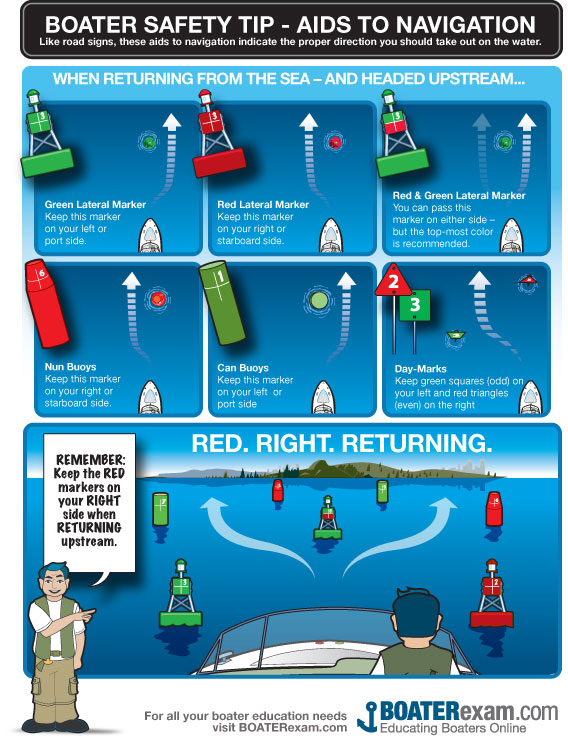
When selecting a course, ensure that the provider is FWC-approved. A quick search on the FWC website will provide a list of authorized course providers, helping you avoid unofficial or unapproved programs. The cost of these courses can vary, but they are generally affordable, representing a worthwhile investment in your boating future.
Completing the Course and Passing the Exam
Once you have enrolled in an approved course, the next step is to diligently work through the material. The content will cover all the essential aspects of safe boating discussed earlier. Pay close attention to details, as the final exam will test your comprehension of these critical safety principles.
The final exam typically consists of multiple-choice questions. The passing score is usually around 80%, though this can vary slightly depending on the provider. If you choose an online course, you can often take the exam online immediately after completing the course modules. For classroom or home-study courses, you will typically take a proctored exam at the end of the course or at a scheduled appointment.
If you do not pass the exam on your first attempt, most providers allow you to retake it, sometimes after a waiting period or a review of the material. The goal of the exam is to ensure you have absorbed the essential safety knowledge, not to trick you. Once you successfully pass, you will be issued your Florida Boating Certificate. This certificate is valid for life, meaning you do not need to renew it.
Practical Considerations for Florida Boaters
Beyond obtaining your boating certificate, there are several practical aspects to consider for a safe and enjoyable experience on Florida’s waterways. Understanding these nuances will enhance your confidence and preparedness when you take the helm.
Understanding Vessel Registration and Titling
While your boating certificate allows you to operate a vessel, the vessel itself must also be legally registered and titled in Florida, unless it meets certain exemption criteria (e.g., non-motorized vessels or those under a certain length). The Florida Department of Highway Safety and Motor Vehicles (FLHSMV) handles vessel registration. You will need to provide proof of ownership and pay applicable fees. Properly registered vessels display a unique identification number (e.g., FL1234AB) and require decals that must be renewed annually. This registration process ensures accountability and aids in the recovery of stolen vessels.
Essential Safety Equipment for Your Vessel
Having the correct safety equipment onboard is not just a requirement; it’s a life-saving necessity. Every vessel operating in Florida waters must carry specific safety gear, the quantity and type of which depend on the size of the vessel and the number of people aboard.
Key items include:
- Personal Flotation Devices (PFDs): At least one U.S. Coast Guard-approved PFD for each person on board, and one throwable device (ring buoy or cushion) for vessels 16 feet or longer. Children under 6 years of age must wear a PFD at all times when on a vessel.
- Visual Distress Signals (VDS): Required for all vessels operating on coastal waters. This can include flares, flags, or other signaling devices.
- Fire Extinguisher: Required on vessels equipped with an engine, fixed or in-board, and on vessels less than 26 feet in length with a capacity to enclose the engine or fuel tanks.
- Sound-Producing Device: A whistle, horn, or bell to signal your presence, especially in areas with reduced visibility.
- Navigation Lights: Required for operation between sunset and sunrise or during periods of restricted visibility.
- Ventilation: For gasoline-powered engine and fuel tank compartments.
Familiarize yourself with the specific requirements for your type and size of vessel. The FWC provides detailed checklists and guidelines to ensure you are compliant. Regularly inspect your equipment to ensure it is in good working order.

Navigating Florida’s Waterways Responsibly
Florida‘s extensive coastline, numerous lakes, and intricate canal systems offer a diverse boating landscape. Responsible navigation is key to enjoying these waters safely. This includes:
- Understanding Navigational Rules: Familiarize yourself with the “Rules of the Road” (COLREGs), including right-of-way for different types of vessels, speed restrictions in marked zones, and proper signaling.
- Weather Awareness: Always check the marine forecast before heading out and be aware of changing weather conditions. Tropical storms and sudden thunderstorms can develop quickly in Florida.
- Maintaining a Safe Distance: Keep a safe distance from other vessels, swimmers, and fixed objects. Be mindful of wake effects, especially in crowded areas or near shorelines.
- Respecting No-Wake Zones: These zones are established to protect shorelines, reduce erosion, and ensure the safety of swimmers and moored vessels. Adhering to them is a sign of a considerate boater.
- Avoiding Alcohol and Drugs: Operating a vessel under the influence of alcohol or drugs is a serious offense with severe consequences, just like drunk driving on land. Designate a sober operator if you plan to consume alcohol.
By obtaining your Florida Boating Certificate and embracing responsible boating practices, you unlock a world of maritime adventure. Whether you’re exploring the vibrant coral reefs near Dry Tortugas National Park, fishing in the bountiful waters of the Gulf of Mexico, or simply cruising along the scenic coastline, your journey will be safer, more enjoyable, and fully compliant with Florida law.
LifeOutOfTheBox is a participant in the Amazon Services LLC Associates Program, an affiliate advertising program designed to provide a means for sites to earn advertising fees by advertising and linking to Amazon.com. Amazon, the Amazon logo, AmazonSupply, and the AmazonSupply logo are trademarks of Amazon.com, Inc. or its affiliates. As an Amazon Associate we earn affiliate commissions from qualifying purchases.