
Embarking on an adventure in the Sunshine State, whether for a fleeting vacation, an extended stay, or a new chapter of residency, often brings with it the practical consideration of official documentation. While the allure of Florida’s pristine beaches, vibrant cities, and captivating natural wonders is undeniable, understanding how to navigate the process of acquiring a Florida license is a crucial step for seamless travel, exploration, and integration into the local lifestyle. Beyond the obvious need for a driver’s license to cruise along scenic routes or navigate bustling urban centers, various recreational licenses can unlock unparalleled experiences, from fishing in the Gulf to boating across crystal-clear springs.
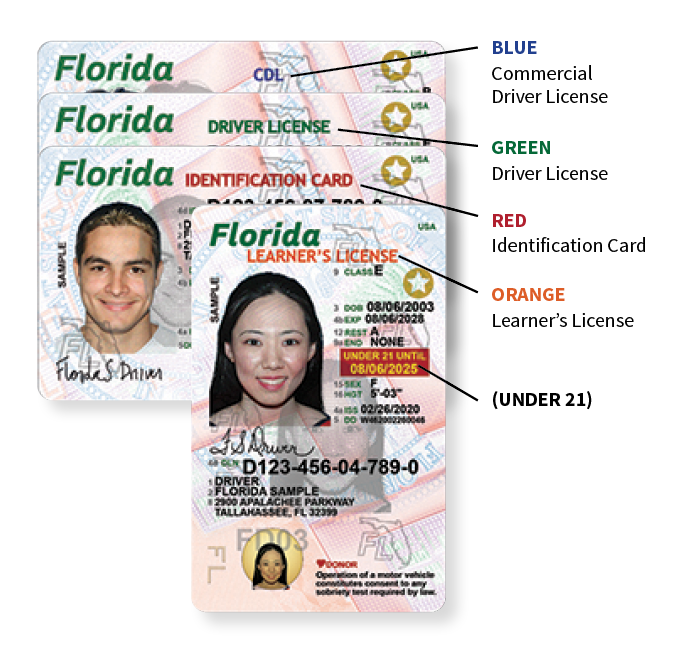
This comprehensive guide will demystify the process, focusing on the licenses most relevant to visitors and new residents alike. From the essential identification a driver’s license provides to the permits that enhance your engagement with Florida’s unique environment, we’ll cover what you need to know to ensure your time in this captivating state is as smooth and enjoyable as possible. A proper Florida license isn’t just a piece of paper; it’s a key to unlocking greater freedom, access, and immersion in all that the state has to offer, impacting everything from your ability to book accommodation and rent vehicles to experiencing local tourism activities.
Understanding the Types of Florida Licenses Relevant to Your Stay
Before diving into the specifics of application, it’s helpful to differentiate between the primary types of licenses that most often concern individuals relocating to or spending significant time in Florida. Each serves a distinct purpose, offering unique benefits for both practical daily living and enriching leisure activities. Understanding which license applies to your situation is the first step toward a hassle-free experience in the state.
The Florida Driver’s License or State ID Card: Crucial for Mobility and Identification
For anyone planning to drive in Florida, a valid driver’s license is indispensable. While visitors from other United States states or certain countries may use their home country license for a temporary period, establishing residency or planning a long-term stay necessitates obtaining a Florida driver’s license. This is particularly true for those who intend to call Florida home for more than 30 days or who enroll their children in public school.
Beyond driving privileges, a Florida driver’s license, or a non-driving State ID card, serves as a primary form of identification accepted statewide and nationally. This identification is vital for numerous transactions and situations:
- Vehicle Rentals: Streamlining the process of renting a car, which is often essential for exploring the vast and diverse landscapes of Florida.
- Hotel Check-ins: Facilitating smooth check-ins at hotels, resorts, and other accommodation types across the state.
- Domestic Flights: Serving as an acceptable form of ID for domestic air travel within the United States, including flights between Florida’s various regional airports.
- Age Verification: For purchasing age-restricted items or entering venues.
- Banking and Official Business: Required for opening bank accounts, signing leases, or engaging in other formal procedures.
For new residents, acquiring a Florida driver’s license quickly helps in establishing residency, which can be beneficial for insurance purposes, in-state tuition fees (if applicable), and voting. It signifies your integration into the Florida lifestyle.
Navigating Recreational Licenses for Florida Adventures: Enhancing Your Tourism Experience
Florida’s abundant natural resources make it a haven for outdoor enthusiasts. To fully immerse yourself in these experiences responsibly and legally, various recreational licenses are required. These are particularly relevant for tourists and those embracing an active outdoor lifestyle.
-
Fishing Licenses (Freshwater and Saltwater): If reeling in a trophy bass from a tranquil freshwater lake or battling a snook in the saltwater flats sounds appealing, a Florida fishing license is a must. Separate licenses exist for freshwater and saltwater fishing, and options for short-term (e.g., 3-day, 7-day) or annual licenses are available, catering to both casual visitors and dedicated anglers. Children and seniors may have exemptions, so it’s always wise to check the specific regulations of the Florida Fish and Wildlife Conservation Commission (FWC). Many local bait shops and sporting goods stores, as well as the FWC website, offer convenient ways to purchase these licenses.
-
Boating Licenses/Safety Courses: While there isn’t a “boating license” in the same way as a driver’s license, Florida law requires anyone born on or after January 1, 1988, to complete a boating safety course approved by the National Association of State Boating Law Administrators (NASBLA) and possess a Boating Safety Education Identification Card to operate a motorboat of 10 horsepower or more. This is particularly important for visitors planning to rent a boat to explore the intricate waterways, coastal areas, or the stunning Florida Keys. Even if not legally required, completing a safety course is highly recommended for anyone unfamiliar with Florida’s diverse marine environments, ensuring a safe and enjoyable experience on the water.
These recreational licenses not only ensure compliance with state laws but also contribute to the conservation efforts that protect Florida’s incredible biodiversity, making your tourism experiences sustainable for future generations.
The Step-by-Step Process for Obtaining a Florida Driver’s License/ID
Acquiring a Florida driver’s license or state identification card involves a clear process designed to verify identity, residency, and driving competency. While it might seem daunting, breaking it down into manageable steps makes the journey much smoother. The primary agency responsible is the Florida Department of Highway Safety and Motor Vehicles (DHSMV), which operates various service centers throughout the state.
Gathering Your Essential Documents: What You Need to Prove
The most critical part of the application process is compiling the correct documentation. Florida has strict requirements to prevent fraud and ensure that only eligible individuals receive licenses. You’ll need to present original documents (not photocopies) from specific categories:
-
Proof of Identity: You’ll need one document from this category. Acceptable forms include a certified United States birth certificate, a valid United States passport, or a valid foreign passport with an appropriate visa and I-94 form if you’re not a United States citizen. For non-U.S. citizens, specific immigration documents will be required to prove legal presence.
-
Proof of Social Security Number (SSN): One document showing your full Social Security Number is required. This could be your Social Security card, a W-2 form, or a pay stub that clearly displays your full SSN. If you have never been issued an SSN, you’ll need to provide an affidavit attesting to this.
-
Proof of Residential Address: This is where you’ll typically need two different documents, showing your current Florida residential address. Examples include a utility bill (electric, water, gas), a cable or internet bill, a deed, mortgage, or lease agreement, a vehicle registration or title, a homeowner’s or renter’s insurance policy, or an affidavit of domicile. If you’re staying at a hotel or with a friend temporarily, alternative proofs may be accepted, but establishing a clear residential address is preferred for new residents.
- Proof of Legal Presence (for non-U.S. citizens): If you are not a United States citizen, you will need to provide documentation proving your legal presence in the United States. This typically includes a valid foreign passport with the appropriate visa and an I-94 form, a Permanent Resident Card (Green Card), or an Employment Authorization Document (EAD). The validity period of your license will often be tied to the expiration date of your legal presence documents.
It is crucial to check the most current requirements on the official Florida DHSMV website before your visit, as regulations can change. Having all your documents in order before you arrive at the service center will significantly speed up the process and prevent multiple trips.
Scheduling Your Visit to the DHSMV: Department of Highway Safety and Motor Vehicles
Once your documents are ready, the next step is to visit a DHSMV service center or a tax collector’s office that provides driver’s license services.
-
Appointments vs. Walk-ins: Many DHSMV offices strongly encourage or even require appointments, which can be scheduled online through the DHSMV website. This is highly recommended to minimize wait times, especially in popular tourist areas or larger cities like Miami, Orlando, or Tampa. While some locations may accept walk-ins, be prepared for potentially long waits.
-
Finding the Nearest Office: The DHSMV website provides a convenient locator tool to find the service center closest to your accommodation or intended residence. Consider checking reviews or peak hours for different locations, as some may be busier than others.
-
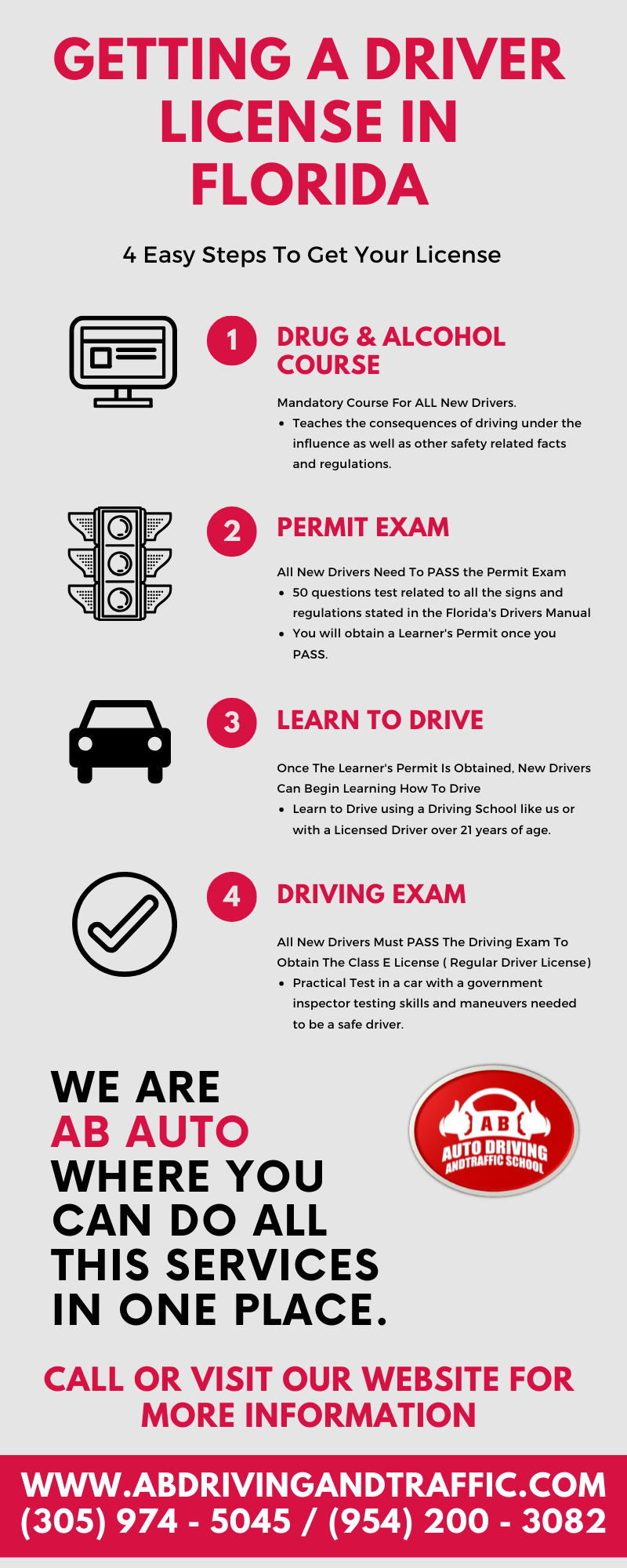
What to Expect at the Office: Upon arrival (with or without an appointment), you will check in and present your documents. The process typically involves:
- Vision Test: A basic eye exam is administered to ensure you meet the minimum vision requirements for driving.
- Written Knowledge Exam: If you are a new driver to Florida without a valid license from another U.S. state, or if your out-of-state license has been expired for too long, you might need to pass a written test on Florida traffic laws and road signs. This test can often be taken online beforehand through approved third-party providers.
- Road Skills Test: Similarly, if you’re a new driver or transferring an expired license, you may be required to complete a practical driving test. However, most individuals transferring a valid, unexpired driver’s license from another U.S. state, U.S. territory, or specific foreign countries are exempt from the road test.
- Photo and Signature: Your photo will be taken for the license, and you will provide your signature.
- Fees: Be prepared to pay the applicable fees for your license, which can vary based on the type of license and its duration.
After successfully completing these steps, you will typically receive a temporary paper license, with the official plastic card mailed to your residential address within a few weeks. This temporary license is usually valid for driving until your permanent card arrives.
Integrating Your Florida License with the Sunshine State Lifestyle
Obtaining your Florida license, whether it’s a driver’s license or a recreational permit, is more than just a bureaucratic hurdle; it’s a gateway to fully experiencing the unique lifestyle and endless possibilities that the state offers. From seamless travel to establishing roots, your license plays a pivotal role.
Enhanced Travel and Exploration: Freedom to Discover Florida’s Destinations
With a valid Florida driver’s license, the entire state opens up for exploration. The freedom of personal transportation significantly enhances your ability to discover hidden gems and major landmarks at your own pace.
-
Driving to Iconic Cities: Imagine the ease of driving from the theme park capital of Orlando to the vibrant nightlife and beautiful beaches of Miami, or heading west to the cultural hubs of Tampa and St. Petersburg. Each city, like historic St. Augustine or the charming Key West, offers distinct attractions and experiences that are best accessed by car. A Florida license makes renting vehicles straightforward, from compact cars for urban exploration to SUVs for family trips to the Everglades National Park.
-
Exploring Natural Wonders: Venture off the beaten path to pristine state parks, wildlife refuges, and the scenic Gulf Coast beaches. A car allows you to explore diverse ecosystems, from the unique wetlands of the Everglades to the crystal-clear springs of Central Florida or the quiet charm of the Forgotten Coast.
-
Benefits for Booking Hotels and Accommodations: While not directly required for booking, having a local ID can sometimes streamline processes, especially for long-term accommodation or specific resident discounts offered by certain hotels or resorts. It provides a readily accepted form of identification for any security deposits or contractual agreements.
For recreational pursuits, your fishing or boating licenses mean you can freely participate in Florida’s most cherished outdoor activities, whether it’s deep-sea fishing off the Atlantic Coast or navigating a kayak through a mangrove tunnel. These licenses ensure you can engage in tourism experiences that are deeply embedded in the state’s identity.
Considerations for Long-Term Stays and Relocation: Making Florida Home
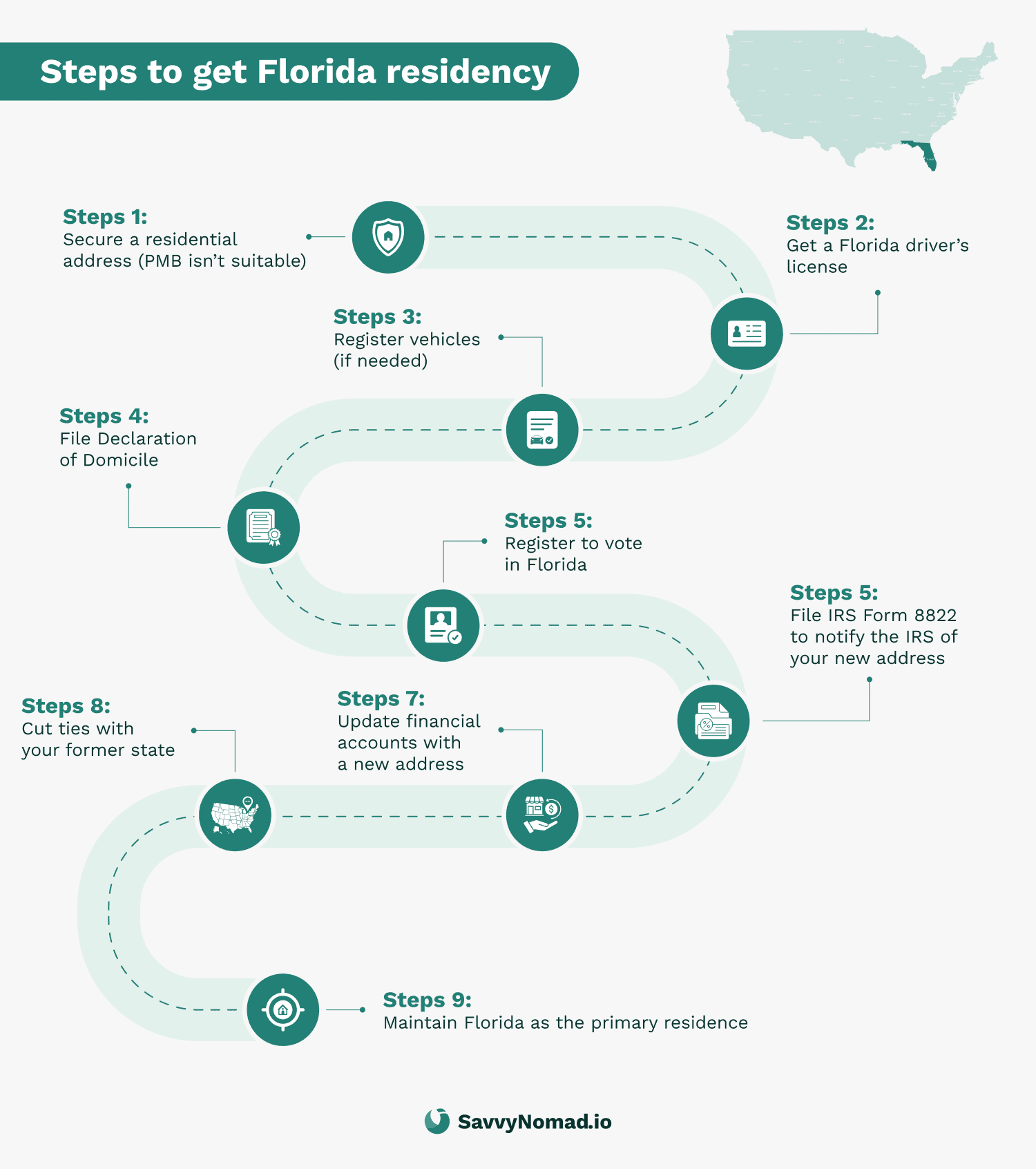
For those considering a long-term stay or full relocation to Florida, obtaining a Florida license marks a significant step towards fully integrating into the community and enjoying the practical benefits of residency.
-
Vehicle Registration and Insurance: Once you have your Florida driver’s license, you’ll need to register your vehicle(s) in Florida and obtain Florida auto insurance. These are often intertwined processes, and having a local license simplifies these administrative tasks. Florida has specific requirements for vehicle inspections and emissions, so familiarizing yourself with these is important.
-
Establishing Residency for Other Benefits: A Florida driver’s license is a key document for proving residency, which can unlock various benefits, including in-state tuition at public universities, homestead exemptions on property taxes, and participation in local elections. It’s a foundational element for truly making Florida your permanent home.
-
Connecting with Local Culture and Community: While not a direct consequence of a license, the process of obtaining one signifies a commitment to the state. It allows for smoother day-to-day interactions, from opening library accounts to joining local clubs and organizations. Embracing the local culture, whether through volunteering, attending community events, or simply frequenting local businesses, becomes more effortless when you’re fully integrated with the necessary local identification. This contributes to a richer and more authentic lifestyle experience, moving beyond just being a visitor to becoming a part of the Florida fabric.
In conclusion, securing the appropriate Florida license is a foundational step for anyone looking to fully embrace the myriad opportunities the state presents. Whether it’s the practicality of navigating its roads with a driver’s license or the joy of engaging with its natural beauty through recreational permits, these official documents are not merely formalities. They are essential tools that enhance your travel, deepen your tourism experiences, simplify accommodation logistics, and ultimately enrich your overall lifestyle in the captivating Sunshine State. By understanding the requirements and following the outlined steps, you’ll be well on your way to a seamless and unforgettable Florida adventure.
LifeOutOfTheBox is a participant in the Amazon Services LLC Associates Program, an affiliate advertising program designed to provide a means for sites to earn advertising fees by advertising and linking to Amazon.com. Amazon, the Amazon logo, AmazonSupply, and the AmazonSupply logo are trademarks of Amazon.com, Inc. or its affiliates. As an Amazon Associate we earn affiliate commissions from qualifying purchases.