
For many, Florida represents more than just a place on the map; it’s a destination synonymous with vibrant lifestyles, breathtaking beaches, and endless possibilities for adventure and relaxation. Whether you’re a snowbird enjoying extended stays in the Sunshine State, an international traveler with investment properties in Miami or Orlando, a family planning an unforgettable trip to Disney World, or a digital nomad enjoying the lifestyle freedom of remote work from a St. Petersburg apartment, managing your affairs can sometimes feel complex, especially when you’re not physically present or if unforeseen circumstances arise. This is where the concept of a Power of Attorney (POA) becomes not just a legal formality but an indispensable tool for peace of mind, allowing you to truly embrace the “life out of the box” philosophy without worrying about your assets and well-being.
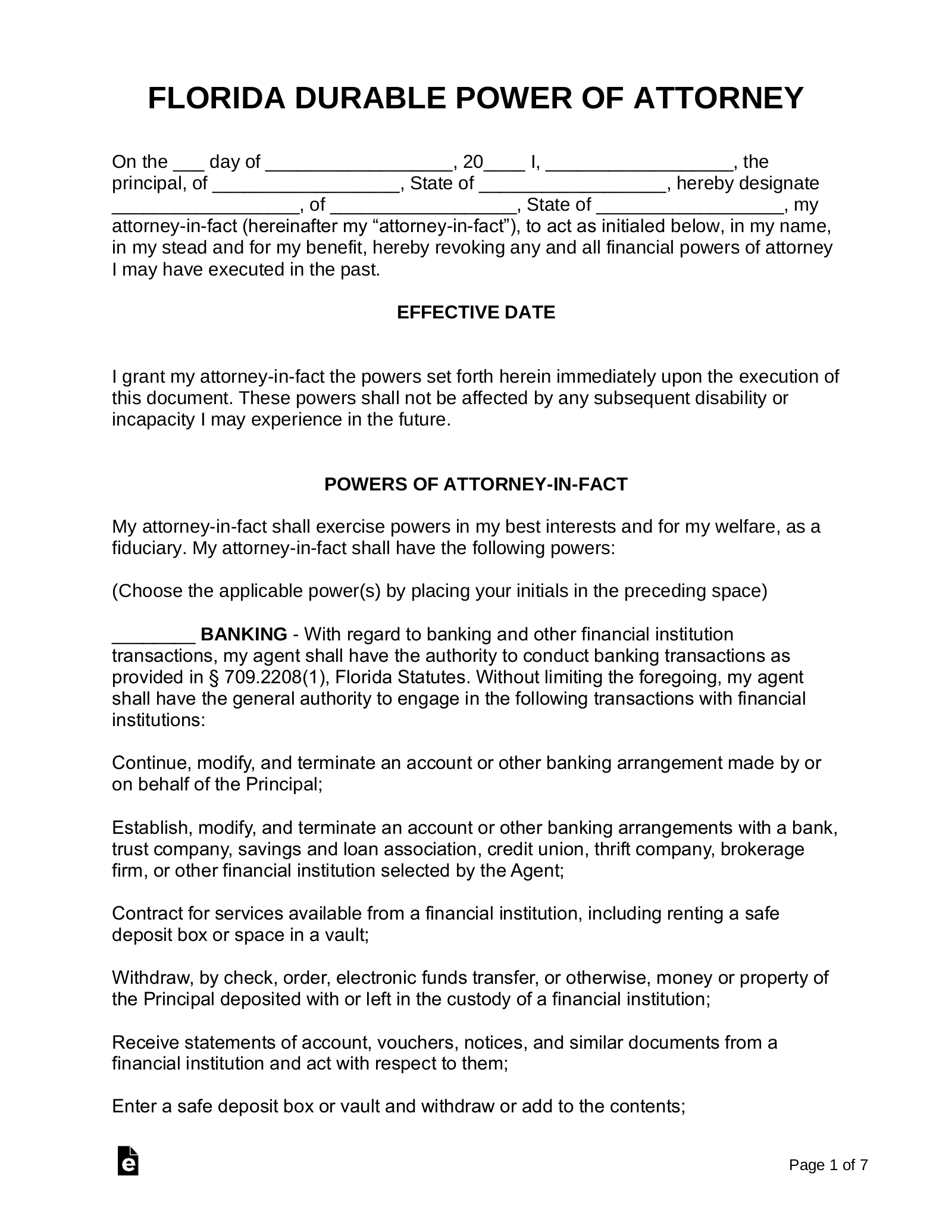
A Power of Attorney in Florida empowers you to designate a trusted individual to act on your behalf in financial, legal, or healthcare matters. This crucial legal document ensures that your affairs are managed according to your wishes, even if you’re exploring ancient ruins in Europe, enjoying a cruise through the Caribbean, or simply recuperating from an unexpected illness. Understanding how to establish a Power of Attorney in Florida is vital for anyone who values flexibility, security, and the freedom to travel or live life on their own terms. This comprehensive guide will walk you through the nuances of Florida POA, tailored specifically for those with a dynamic lifestyle and a keen interest in maintaining control over their Florida interests, no matter where their adventures take them.
What is a Power of Attorney and Why is it Essential for Your Florida Lifestyle?
The idea of delegating control over your personal affairs might sound daunting, but a Power of Attorney is designed to provide security and flexibility, not to relinquish control entirely. For individuals who frequently travel, own property in multiple locations, or have an adventurous spirit, a POA is a cornerstone of responsible planning.
Defining the Document: Your Financial and Healthcare Voice
At its core, a Power of Attorney is a legal document that grants one person (the “agent” or “attorney-in-fact”) the authority to act on behalf of another person (the “principal”). This authorization can be broad or very specific, covering decisions related to finances, property, investments, and even healthcare. In Florida, the specifics of what an agent can and cannot do are clearly outlined in the document itself, making it a highly customizable tool for managing your personal affairs. For instance, if you own a vacation rental in Naples and are on an extended trip to Asia, a POA can empower your agent to manage tenants, handle maintenance issues, pay property taxes, or even sell the property if necessary, all without your physical presence.
The agent acts as your proxy, making decisions and signing documents as if they were you. This fiduciary relationship demands trust, as the agent is legally obligated to act in your best interests. This is particularly relevant for those who spend significant time away from Florida, knowing that someone reliable is looking after their concerns back home.
Peace of Mind for the Adventurous and the Afar
Imagine embarking on a thrilling safari in Africa or a serene retreat in the Swiss Alps. While these experiences are enriching, they also highlight the importance of being prepared for the unexpected. What if you encounter a medical emergency abroad? What if a sudden issue arises with your Florida bank accounts, or a bill needs to be paid urgently? Without a Power of Attorney, your family or loved ones might face significant legal hurdles to gain the authority to act on your behalf, potentially leading to delays, financial strain, and increased stress during an already difficult time.
A properly executed Florida Power of Attorney provides a robust safety net. It ensures that your financial obligations continue to be met, your properties are managed, and your healthcare decisions can be made by someone you trust, regardless of your physical location or mental capacity. For snowbirds dividing their time between Florida and another state, or international residents with ties to the Sunshine State, this legal instrument offers unparalleled security, allowing them to truly enjoy their chosen lifestyle without constant worry. It’s an essential part of any comprehensive travel planning and estate planning strategy for the modern global citizen.
Navigating the Types of Power of Attorney in Florida
Understanding the different types of Power of Attorney is crucial because each serves a distinct purpose and carries specific implications for the scope of authority granted. Florida law provides several options, allowing you to tailor the document precisely to your needs and lifestyle.
General vs. Limited Power of Attorney: Tailoring Your Control
A General Power of Attorney grants your agent broad authority to act on your behalf in almost any financial or legal matter. This could include managing bank accounts, selling property, entering into contracts, filing taxes, and making investment decisions. For individuals who frequently travel or live abroad, a general POA can be incredibly useful, allowing a trusted agent to manage all their Florida affairs seamlessly. However, because of its extensive scope, it requires immense trust in your chosen agent.
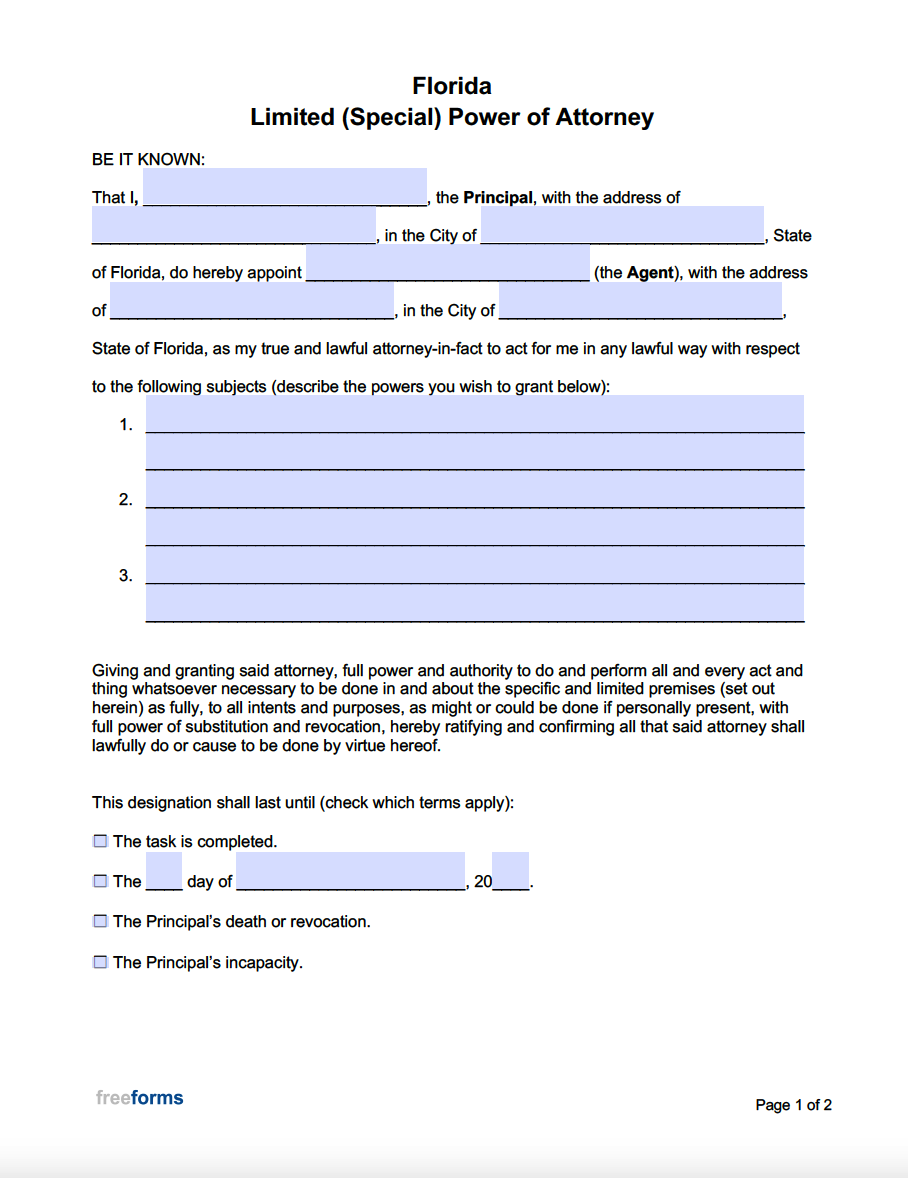
In contrast, a Limited (or Special) Power of Attorney restricts the agent’s authority to specific actions or a defined period. For example, you might grant a limited POA solely to allow an agent to sign documents for the sale of your condominium in Fort Lauderdale while you are on a cruise, or to manage a specific investment portfolio for a few months. This type is ideal for specific transactions or temporary needs, offering precise control over the agent’s powers.
Durable Power of Attorney: The Traveler’s Safeguard
Perhaps the most critical type for individuals with a dynamic lifestyle or those who are concerned about future incapacity is the Durable Power of Attorney. A standard POA automatically terminates if the principal becomes incapacitated (e.g., due to illness, accident, or cognitive decline). A durable POA, however, includes specific language stating that the agent’s authority continues even if the principal becomes mentally or physically incapacitated.
For a globetrotter, a snowbird, or someone with a vacation home in Key West, a durable POA is an absolute necessity. If you were to suffer an unexpected injury during a trek in the Andes or develop a serious health condition during an extended stay in Florida, this document ensures that your chosen agent can continue to manage your finances, pay your bills, and make critical decisions without the need for court intervention, which can be time-consuming and expensive. It is the ultimate safeguard for maintaining continuity in your personal and financial affairs when you are unable to do so yourself.
Springing Power of Attorney: Conditional Protection
A Springing Power of Attorney is another variation where the agent’s authority only “springs” into effect upon the occurrence of a specific event or condition. This condition is usually the principal’s incapacitation, often requiring certification from one or more physicians. The advantage of a springing POA is that it allows you to retain full control over your affairs until a defined need arises.
While this might seem appealing, it can also lead to delays and potential disputes if the conditions for “springing” are not clearly defined or if there’s disagreement about the principal’s capacity. For the frequent traveler, the delay in activation could be problematic in urgent situations. Therefore, while an option, many prefer a durable POA that is effective immediately, providing continuous protection without the need for a triggering event to be certified.
Healthcare Power of Attorney (Designation of Healthcare Surrogate): Beyond Finances
Separate from financial POAs, Florida law recognizes a Designation of Healthcare Surrogate (often informally referred to as a Healthcare Power of Attorney). This document allows you to appoint an agent (your “surrogate”) to make medical decisions on your behalf if you become unable to do so yourself. This is distinct from a financial POA, though you can appoint the same person as agent for both.
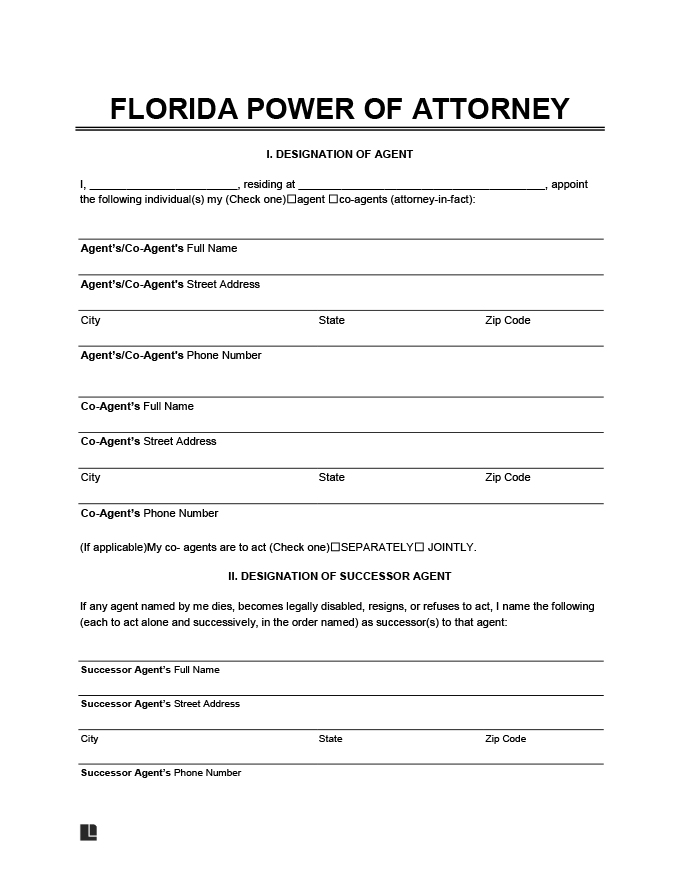
For anyone spending time in Florida, whether as a permanent resident or an occasional visitor, a healthcare surrogate is incredibly important. Imagine suffering an accident while exploring Everglades National Park or experiencing a sudden illness during a stay at a resort in Palm Beach. This document ensures that your medical wishes, including decisions about treatment, surgery, and end-of-life care, are respected and communicated by a trusted individual who understands your values and preferences. It complements an advance directive (living will) by providing a voice for your immediate medical care.
Key Requirements and Steps to Obtain a Power of Attorney in Florida
Obtaining a Power of Attorney in Florida is a straightforward process, but it requires adherence to specific legal formalities to ensure its validity and enforceability. Skipping any step can render the document ineffective when it’s most needed.
Who Can Be a Principal and an Agent?
To be a principal in Florida, you must be at least 18 years old and of sound mind (i.e., have the mental capacity to understand the document’s purpose and effect). This means you must be able to make reasoned decisions when you sign the POA.
The agent you choose must also be at least 18 years old. They should be someone you trust implicitly – a family member, a close friend, or even a professional fiduciary. For those with international ties or who frequently travel, choosing an agent who resides in Florida or can easily access your Florida assets can be practical. It’s also wise to name one or more successor agents, in case your primary agent is unable or unwilling to serve. Remember, the agent’s role is a significant responsibility, and they will be managing your affairs as if they were you, often in your absence.
Essential Elements of a Valid Florida POA
For a Power of Attorney to be legally valid in Florida, it must meet several stringent requirements:
- In Writing: The document must be written and signed by the principal. Oral declarations are not sufficient.
- Signature: The principal must sign the document. If the principal is physically unable to sign, another person can sign on their behalf, but only in the principal’s presence and at their direction.
- Witnesses: The principal’s signature must be witnessed by two subscribing witnesses. These witnesses must be present when the principal signs the document, and they must sign the document in the principal’s presence and in each other’s presence.
- Notarization: The principal’s signature must be acknowledged before a notary public. The notary public must also be present when the principal signs the document.
The content of the POA must also clearly state the powers being granted to the agent. Florida statutes outline specific language for certain powers, and using this statutory language or clearly defining the powers ensures clarity and enforceability. For instance, if you want your agent to be able to sell your property in Tampa, this power must be explicitly granted in the document.
The Process: From Drafting to Execution
The process of obtaining a Florida Power of Attorney generally involves these steps:
- Determine Your Needs: Consider what specific powers you want to grant and under what circumstances. Think about your Florida assets, your travel plans, and any potential future incapacitation. Do you need a general, limited, or durable POA? Will you also need a healthcare surrogate?
- Choose Your Agent(s): Select a trustworthy individual (and at least one successor agent) who understands their responsibilities and is willing to serve. Discuss your wishes and expectations with them.
- Draft the Document: While generic forms are available, it is highly recommended to consult with a Florida estate planning attorney. An attorney can ensure the document is legally sound, tailored to your unique circumstances (especially if you have complex assets or a multi-jurisdictional lifestyle), and includes all necessary statutory language to withstand challenges. They can also advise on avoiding common pitfalls.
- Execute the Document: Sign the Power of Attorney in the presence of two witnesses and a notary public, ensuring all legal formalities are strictly observed. It’s vital that everyone is physically present for this signing ceremony.
- Store and Distribute Copies: Keep the original document in a safe, accessible place. Provide copies to your agent, successor agents, and perhaps your attorney. Inform your bank, financial institutions, and relevant professionals (like your property manager in Sarasota) about the existence of the POA and who your agent is.
Integrating Power of Attorney into Your Florida Lifestyle and Estate Planning
A Power of Attorney is not a standalone document; it’s an integral part of a comprehensive estate planning strategy that supports a flexible and adventurous lifestyle.
Managing Your Florida Properties and Investments from Anywhere
For the individual who owns a luxury villa in South Florida, an investment portfolio managed in Jacksonville, or even a timeshare in Orlando, a Power of Attorney is indispensable. It allows your appointed agent to:
- Handle property sales or purchases.
- Manage rental agreements and tenant issues.
- Pay property taxes and homeowner association fees.
- Oversee repairs and maintenance, ensuring your assets are protected even while you’re thousands of miles away.
- Access bank accounts and transfer funds as needed.
- Make investment decisions according to your guidelines.
This capability empowers you to explore the world without fear that your Florida interests will suffer from neglect or become unmanageable.
Ensuring Care for Loved Ones Living in Florida
A POA can also extend its protective umbrella to your family. If you have elderly parents or other dependents living in Florida and you reside elsewhere or frequently travel, a POA can be set up for them (if they have the capacity to grant it) to allow you or another trusted individual to manage their financial and healthcare needs. Alternatively, if you are the one caring for a loved one in Florida, having your own POA in place ensures that your ability to provide that care is not interrupted if something happens to you. This reciprocal protection offers peace of mind for the entire family unit, especially for those who cherish frequent family trips or shared accommodations in the Sunshine State.
Periodic Review and Revocation: Keeping Your Document Current
Life happens, and circumstances change. Your choice of agent, your financial situation, your travel patterns, or even your relationship with your appointed agent may evolve over time. Therefore, it is crucial to periodically review your Power of Attorney – typically every 3-5 years, or whenever a major life event occurs (e.g., marriage, divorce, birth of a child, purchase or sale of significant property, or an extended move to a new country).
If you decide your current POA no longer reflects your wishes, you can revoke it. Revocation must be done in writing, clearly stating your intention to revoke the previous document. It should then be signed, witnessed, and notarized, much like the original POA. It’s also vital to inform your former agent and any institutions that had a copy of the original POA about the revocation to prevent any unintended actions. Maintaining an up-to-date Power of Attorney is as important as having one in the first place, ensuring your legal protections align with your current lifestyle and future aspirations.
In conclusion, securing a Power of Attorney in Florida is a proactive step towards ensuring your personal and financial well-being, especially for those embracing a mobile or adventurous lifestyle. It provides an essential layer of protection, offering peace of mind that your affairs will be managed competently and according to your wishes, no matter where your journey takes you. By understanding the types, requirements, and best practices for creating and maintaining a Florida Power of Attorney, you empower yourself to live a truly “life out of the box” experience, free from unnecessary worries.
LifeOutOfTheBox is a participant in the Amazon Services LLC Associates Program, an affiliate advertising program designed to provide a means for sites to earn advertising fees by advertising and linking to Amazon.com. Amazon, the Amazon logo, AmazonSupply, and the AmazonSupply logo are trademarks of Amazon.com, Inc. or its affiliates. As an Amazon Associate we earn affiliate commissions from qualifying purchases.