
The Sunshine State of Florida is renowned globally as a premier destination for vibrant vacations, luxurious long-term stays, and unforgettable family trips. Millions flock to its pristine beaches, world-class theme parks like the Walt Disney World Resort and Universal Orlando Resort, and sophisticated cities such as Miami and Orlando, seeking leisure, adventure, and relaxation. From opulent resorts with lavish amenities in Fort Lauderdale to charming beachfront villas in Key West, Florida offers diverse accommodation options catering to every lifestyle. However, even in the most picturesque settings, life’s inevitable challenges can arise. The unfortunate reality is that sometimes, a journey to Florida can take an unexpected turn, leading to the passing of a loved one far from home.
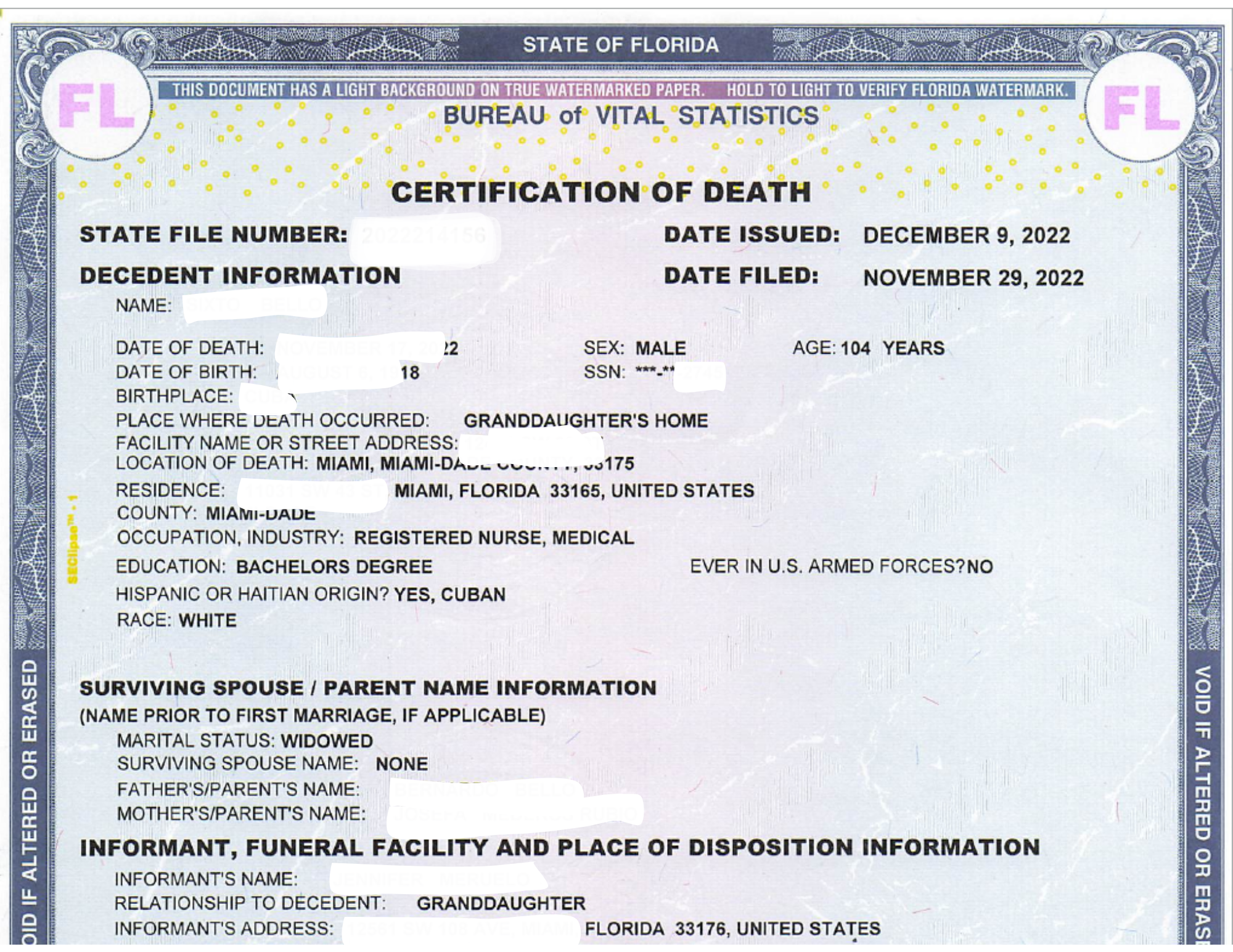
Dealing with the loss of a family member or friend is an profoundly difficult experience, made even more complex when it occurs while traveling or residing temporarily in an unfamiliar location. For those visiting or snowbirding in Florida, understanding the procedural steps for obtaining a death certificate is not merely an administrative task; it’s a critical component of navigating a crisis, managing logistics from afar, and ultimately finding closure. This guide aims to demystify the process for obtaining a death certificate in Florida, specifically tailored to the unique circumstances of travelers, long-term visitors, and individuals managing affairs remotely, ensuring that crucial documentation is secured efficiently during a period of grief and transition.
Understanding the Crucial Role of a Death Certificate in Travel & Estate Management
A death certificate is far more than a simple piece of paper; it is a foundational legal document that underpins nearly every step following a person’s passing. For someone who dies in Florida – whether a tourist enjoying the beaches of Clearwater Beach, a business traveler attending a conference in Tampa, or a retiree enjoying a long-term stay in Sarasota – this certificate becomes indispensable for managing both immediate travel-related issues and long-term estate matters. Understanding its significance is the first step in preparing for or navigating such an unforeseen event.
Beyond a Mere Document: Facilitating Repatriation and Travel Adjustments
When a loved one passes away while away from their primary residence, one of the most immediate and often distressing concerns is the repatriation of their remains. Whether it’s an interstate transfer within the United States or an international journey back to a home country, a certified death certificate is an absolute requirement. This document provides official proof of death, necessary for funeral homes to secure permits for transporting human remains, liaise with airlines, and navigate customs regulations. Without it, the process of bringing a loved one home can face significant, heartbreaking delays, adding immense stress to an already sorrowful situation.
Furthermore, a death certificate is crucial for addressing the logistical aftermath of an unexpected loss. Consider the myriad travel plans that suddenly become irrelevant: cancelled flight tickets, unused hotel bookings, pre-paid resort stays, and even cruise experiences. Many airlines, hotels, and tour operators require official documentation of a death to process refunds or waive cancellation fees, especially for non-refundable bookings. For families facing such a tragedy, having easy access to this document can alleviate financial burdens and administrative headaches, allowing them to focus on grieving rather than battling with booking agents. This directly ties into the Accommodation and Travel aspects of planning for contingencies. Comprehensive travel insurance, often a smart choice for any traveler, will also invariably require a certified death certificate to process claims for medical emergencies, trip cancellations, or repatriation expenses. Ensuring this document is obtained promptly can significantly streamline these critical financial processes.
Essential for Financial and Legal Closure, Especially for Out-of-State Residents
Beyond immediate travel concerns, the death certificate serves as the cornerstone for all subsequent legal and financial actions. For out-of-state residents or international visitors who pass away in Florida, this document is essential for initiating probate proceedings, whether they occur in Florida (if the decedent owned property or assets there) or in their home state/country. It is the primary proof required to settle an estate, which includes accessing bank accounts, transferring property, resolving debts, and managing investments.
Moreover, the death certificate is indispensable for notifying various government agencies and financial institutions. This includes applying for life insurance benefits, processing pension claims, discontinuing Social Security payments, and closing utility accounts for individuals who maintained a long-term residence or seasonal home in Florida. Without this official record, beneficiaries may face substantial hurdles and delays in receiving funds or resolving the deceased’s financial affairs. For those managing a loved one’s estate from a distance, obtaining multiple certified copies of the death certificate is often recommended, as various institutions will require their own original copies for processing. This foresight can prevent further complications and facilitate a smoother transition during a challenging period, allowing families to move towards closure with greater ease.
The Step-by-Step Process: Obtaining a Death Certificate in Florida for Travelers and Residents Alike
Navigating the administrative aspects of a loved one’s passing, particularly in an unfamiliar place like Florida, can feel overwhelming. However, by understanding the precise steps involved in obtaining a death certificate, families and legal representatives can approach the task with greater clarity and efficiency. The process is designed to ensure accuracy and protect privacy, requiring specific individuals to make requests and adherence to established protocols.
Who Can Request This Vital Document? Navigating Relationships and Legal Standing
To safeguard personal information and prevent fraudulent activity, access to certified copies of death certificates in Florida is restricted. Generally, only specific individuals with a direct and legitimate interest can obtain a certified copy. These typically include:
- Next of Kin: Immediate family members such as the decedent’s spouse, parent, child, or sibling. Proof of this relationship (e.g., a marriage certificate, birth certificate) will be required.
- Legal Representative: An attorney representing the deceased’s estate or a family member can request the certificate, often with a court order or documentation proving their legal authority.
- Funeral Director: Most commonly, the funeral home handling the arrangements for the deceased will obtain the initial certified copies of the death certificate on behalf of the family. This is a standard service and often the most convenient method for families, especially those traveling or managing affairs remotely.
- Individuals with a Documented Legal Interest: This can include beneficiaries of insurance policies or others who can demonstrate a legal right to the document.
For those on a family trip to Florida when tragedy strikes, identifying the next of kin is usually straightforward. However, for business stays or individuals traveling alone, emergency contacts and legal representatives become crucial. It’s advisable for travelers, especially those embarking on long journeys or with pre-existing health conditions, to ensure their emergency contacts are aware of their wishes and can act on their behalf if needed.
Where to Submit Your Request: Local Health Departments vs. State Bureau
In Florida, death certificates are primarily managed by the Florida Department of Health through its Bureau of Vital Statistics. The Bureau of Vital Statistics is located in Jacksonville and maintains records for all deaths that have occurred in the state.

Requests can typically be made through several channels:
- Online: For convenience, especially for those managing the process from outside Florida, the Florida Department of Health often provides an online portal for ordering certified copies. This typically involves using a third-party service provider authorized by the state, which may incur additional processing fees.
- Mail: You can submit a written application by mail to the Florida Bureau of Vital Statistics. This method is suitable for those not requiring urgent delivery but still operating from a distance.
- In-Person: If you are physically in Florida or have a representative there, you may be able to obtain a certified copy in person. While the state Bureau of Vital Statistics is located in Jacksonville, some county health departments, such as those in Miami-Dade County, Orange County (serving the Orlando area), or Broward County (serving Fort Lauderdale), may also be able to issue certificates for deaths that occurred in their respective jurisdictions. This option is often the quickest for obtaining documents, crucial for individuals under time constraints related to travel or urgent legal matters. It is always best to check with the specific county health department beforehand, as policies can vary.
Required Information and Documentation: Preparing Your Application from Afar
To ensure a smooth application process, especially when dealing with the emotional toll of loss and the logistical complexities of being away from home, it’s vital to have all necessary information and documentation prepared. The application form will typically require:
- Information about the Decedent: Full legal name, date of death, place of death (city, county), date of birth, and possibly the last known address.
- Information about the Applicant: Your full legal name, current address, phone number, and email.
- Relationship to the Decedent: Clearly state your relationship (e.g., spouse, child, legal representative).
- Valid Photo Identification: A clear photocopy of a valid government-issued photo ID (e.g., driver’s license, passport, state ID card) of the applicant is mandatory. For international visitors, a passport is typically the most appropriate form of identification.
- Proof of Relationship: Documents like a birth certificate (to prove you are a child or parent of the deceased) or a marriage certificate (to prove spousal relationship) may be required.
- Reason for Request: While sometimes implied by your relationship, a brief statement of purpose for needing the certificate might be requested.
Before submitting any application, whether online, by mail, or in person, it is highly recommended to visit the official Florida Department of Health website or contact their Bureau of Vital Statistics directly. Requirements can occasionally change, and specific instructions may vary, particularly for international applicants or those needing expedited services. A small delay in gathering proper documentation can unfortunately compound the stress during an already difficult time.
Practical Considerations and Support for Grieving Travelers
Beyond the direct administrative steps of obtaining a death certificate, individuals facing a loss in Florida must navigate a range of practical considerations. These considerations often intersect with the website’s themes of travel, accommodation, and lifestyle, highlighting the broader impact of such an event on a person’s journey. Having foresight and knowing what resources are available can significantly ease the burden during a time of immense grief.
Fees, Processing Times, and Expedited Services: Planning for the Unexpected
Obtaining certified copies of a death certificate in Florida involves a fee per copy. The standard fee for a certified copy is typically around $10, with additional fees for extra copies or expedited processing. Payment methods can vary but usually include credit/debit cards (for online or in-person), money orders, or certified checks (for mail-in requests). Personal checks are generally not accepted.
Standard processing times for mailed requests can range from a few business days to several weeks, depending on the volume of requests and the specific circumstances. For travelers who need to return home, or for those managing urgent estate matters, such delays can be impractical. Fortunately, expedited services are usually available for an additional fee. These services can significantly reduce processing and mailing times, often getting documents delivered within a few days. While an added expense, the peace of mind and the ability to move forward with essential travel or legal arrangements often make expedited processing a worthwhile investment. Always inquire about the current fees and estimated timelines when submitting your request to manage expectations and plan accordingly for your journey home or continued stay.
Leveraging Local Resources: Funeral Homes and Support Services in Florida
One of the most invaluable resources available to families facing a loss in Florida is the local funeral home. These professionals are intimately familiar with Florida state regulations and can act as a crucial liaison between grieving families and the complex administrative process. A funeral director will typically:
- Manage Logistics: Handle the care of the deceased, preparation of remains, and coordination of memorial services or funeral arrangements.
- Liaise with Authorities: Work directly with medical examiners, coroners, and the Bureau of Vital Statistics to ensure the death is properly registered and the initial death certificate is issued.
- Obtain Certificates: Most importantly, funeral homes routinely order multiple certified copies of the death certificate on behalf of the family, ensuring they have the necessary documents for all subsequent legal and financial processes.
- Assist with Repatriation: For out-of-state or international deaths, they can guide families through the intricate process of interstate or international transport of remains, working with relevant authorities and airlines.
Beyond logistical support, many Florida funeral homes can connect families with local grief counseling services or support groups. Experiencing loss in an unfamiliar environment can amplify feelings of isolation, and accessing local support networks can be immensely beneficial. While hotels or resorts generally cannot assist with legal processes, reputable establishments might offer small courtesies, such as extending accommodation stays, providing local transportation options, or directing guests to reliable local funeral services, demonstrating a commitment to guest welfare beyond typical vacation experiences.
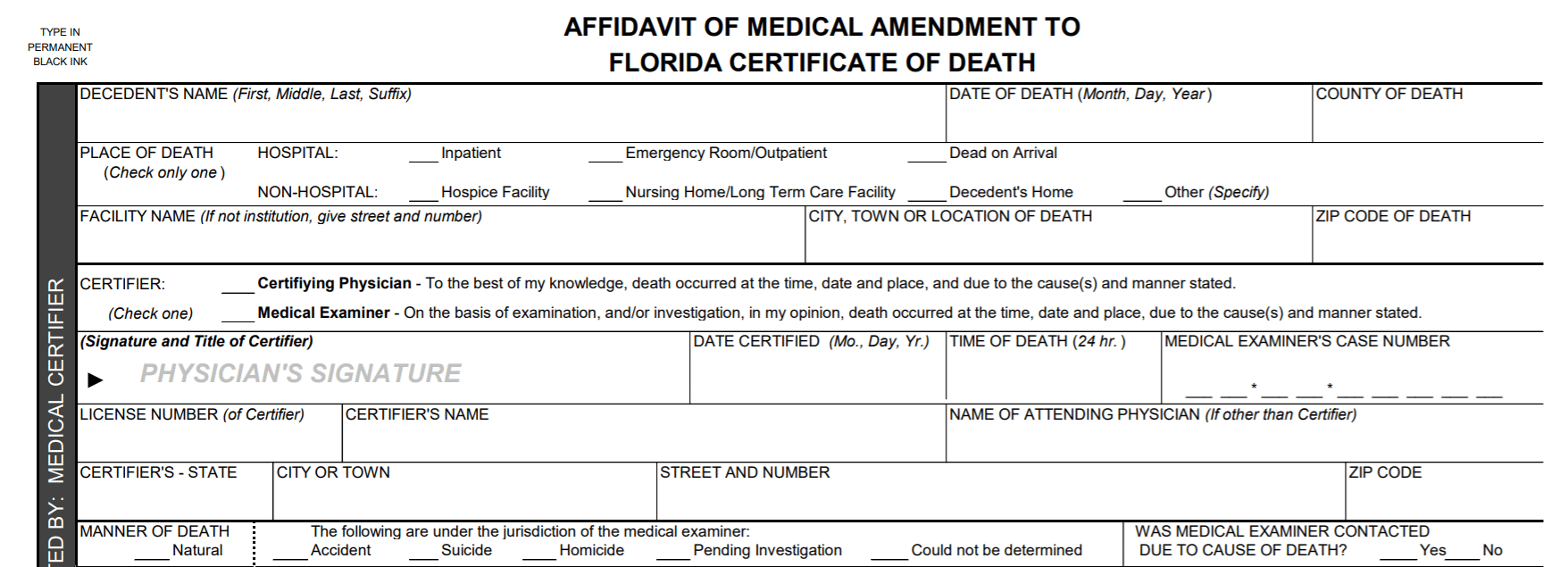
The Importance of Preparedness: Travel Insurance and Emergency Planning
While no one wishes to contemplate such a scenario, preparedness is a cornerstone of responsible lifestyle management, especially for frequent travelers or those enjoying extended long-term stays in Florida. Comprehensive travel insurance is perhaps the single most important tool in mitigating the financial and logistical fallout of an unexpected death while away from home. Policies that cover medical emergencies, trip interruption, and especially repatriation of remains can provide a vital safety net, covering costs that can quickly escalate into tens of thousands of dollars.
Beyond insurance, simple emergency planning can make a significant difference:
- Emergency Contacts: Ensure multiple emergency contacts are easily accessible, both in physical form and digitally, and that these contacts are aware of your travel plans and any specific wishes.
- Important Documents: Keep copies of passports, visas (for international travelers), insurance policies, and any medical information in a secure, accessible location. Consider digital backups stored in a secure cloud service.
- Legal Documents: For those with substantial assets or complex family situations, having a basic will or power of attorney in place, even if only temporary for the duration of a trip, can streamline processes.
- Local Embassy/Consulate: International visitors should know the location and contact information for their country’s embassy or consulate in the United States, as they can provide invaluable assistance with administrative and logistical challenges.
Whether you’re exploring the historic streets of St. Petersburg, kayaking through Everglades National Park, relaxing on South Beach, or experiencing the wonders of the Kennedy Space Center Visitor Complex, responsible travel includes preparing for the unforeseen.
In conclusion, while the topic of obtaining a death certificate is somber, understanding the process is an empowering act of preparedness. Florida’s warm hospitality, stunning landmarks, and diverse destinations continue to draw visitors from across the globe. Should you or a loved one face the unexpected, knowing how to navigate the official channels for obtaining this vital document will significantly ease the burden, allowing you to focus on remembrance and healing. Always refer to the official Florida Department of Health website or consult with a qualified legal professional for the most current and accurate information.
LifeOutOfTheBox is a participant in the Amazon Services LLC Associates Program, an affiliate advertising program designed to provide a means for sites to earn advertising fees by advertising and linking to Amazon.com. Amazon, the Amazon logo, AmazonSupply, and the AmazonSupply logo are trademarks of Amazon.com, Inc. or its affiliates. As an Amazon Associate we earn affiliate commissions from qualifying purchases.