
Florida, often dubbed the “Sunshine State,” evokes images of swaying palm trees, pristine white-sand beaches, and crystal-clear turquoise waters. For many, this immediately translates to a tropical paradise. While certain regions of Florida undeniably embody the quintessential tropical experience, the state’s diverse geography and climate tell a more nuanced story. Understanding Florida’s climatic zones, unique ecosystems, and regional characteristics is key to appreciating its multifaceted allure for travelers seeking everything from sun-drenched relaxation to adventurous exploration.
Unpacking Florida’s Climate: A Spectrum of Warmth
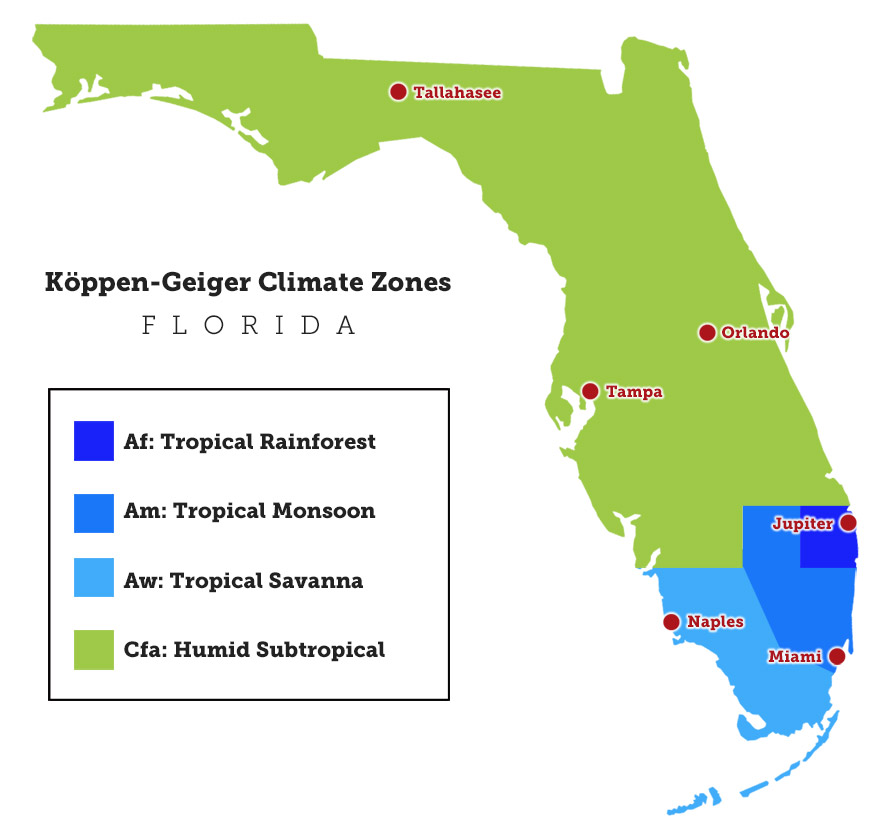
The question of whether Florida is tropical hinges largely on its climate classification. Geographically, much of the state lies within the subtropics, while its southernmost reaches genuinely cross into the tropics. This distinction profoundly influences everything from the vegetation to the recommended travel seasons, making Florida a destination that offers a range of experiences depending on where and when you visit.
The Allure of South Florida: Truly Tropical
When most people envision tropical Florida, they are likely thinking of South Florida. This region, encompassing vibrant cities like Miami and the charming string of islands known as the Florida Keys, falls within the true tropical zone. Here, the climate is characterized by warm temperatures year-round, with average monthly temperatures rarely dipping below 64°F (18°C). The distinction between seasons is minimal, primarily marked by a wet season (roughly May to October) and a drier season (November to April).
The influence of the warm Atlantic Ocean and the Gulf of Mexico is paramount in South Florida, providing the humidity and moisture necessary for a lush, verdant landscape. Rainfall, often in the form of spectacular afternoon thunderstorms during the wet season, contributes to the area’s incredible biodiversity. This consistent warmth fosters an environment where tropical flora thrives, from towering royal palms to vibrant bougainvillea and the iconic mangrove forests that line the coastlines.
For travelers, this means year-round opportunities for beach escapes, water sports, and outdoor activities. Miami offers a dynamic blend of cosmopolitan flair and relaxed beach culture. Its famous South Beach is a beacon for sun-worshippers, while the Art Deco Historic District provides a unique architectural backdrop to its bustling lifestyle. Accommodation in Miami ranges from opulent five-star resorts like The Breakers Palm Beach to chic boutique hotels, catering to luxury travel and discerning guests. Moving further south, the Florida Keys, with gems like Key Largo, Islamorada, Marathon, and the famed Key West, offer a distinctly laid-back, Caribbean-infused atmosphere. Here, snorkeling, diving, fishing, and simply enjoying the sunsets are paramount. The lifestyle is unhurried, emphasizing outdoor living and fresh seafood. Hotels here often comprise charming guesthouses, quaint resorts, and boutique stays, perfect for an authentic Key West experience.
Central Florida’s Subtropical Charms
Venturing northward into Central Florida, home to popular destinations like Orlando and Tampa, the climate transitions to subtropical. This means while winters are generally mild and pleasant, occasional cold fronts can bring cooler temperatures, sometimes even touching freezing points, though rarely for extended periods. Summers, however, are long, hot, and humid, mirroring the tropical wet season with frequent afternoon thunderstorms.
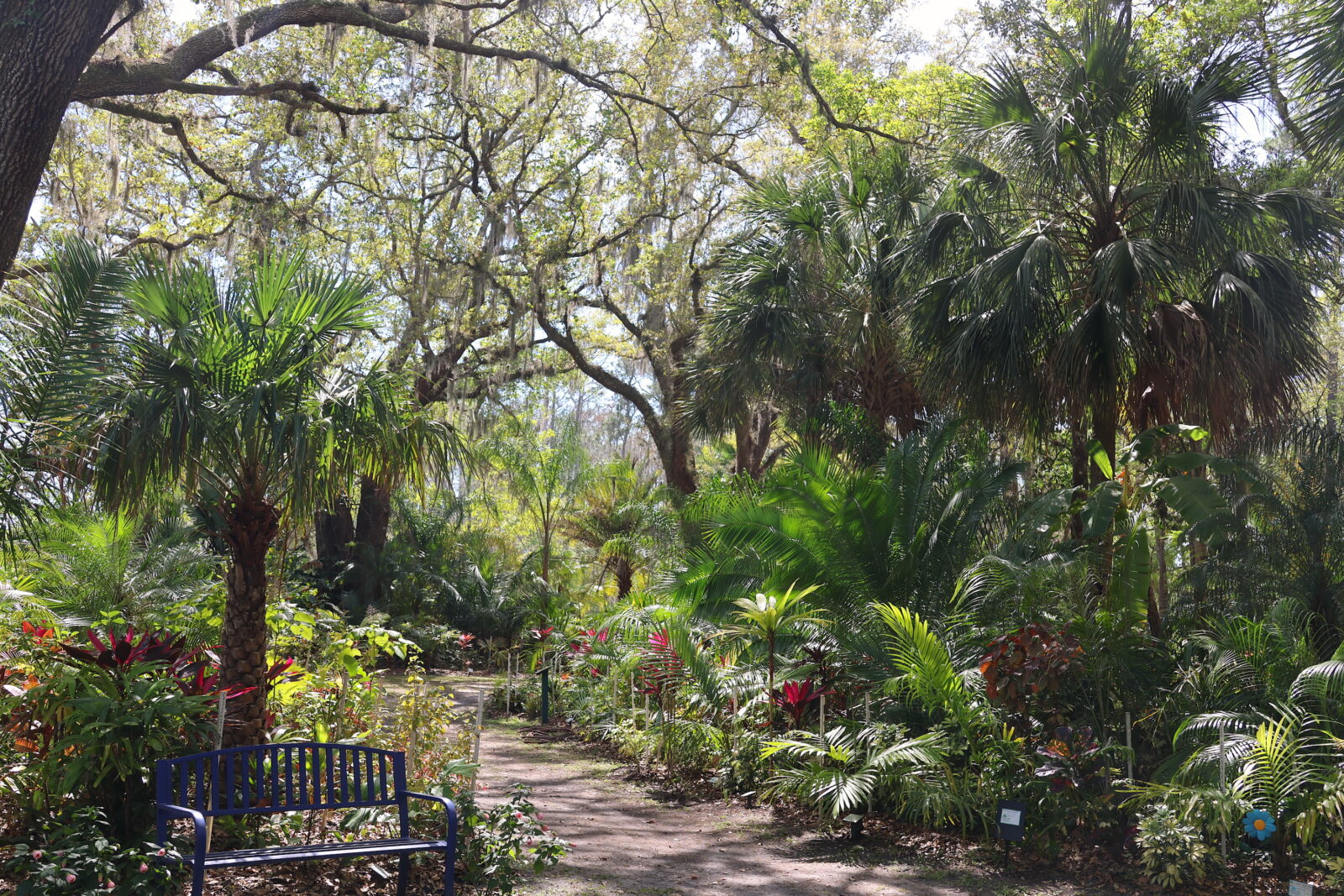
The subtropical climate of Central Florida supports a mix of tropical and temperate vegetation. Palm trees are abundant, but you’ll also find pines, oaks, and other trees more commonly associated with temperate zones. This region is a major draw for family trips and tourism, primarily due to its world-renowned theme parks. Orlando, the theme park capital of the world, hosts Walt Disney World (including Magic Kingdom, EPCOT, Hollywood Studios, and Animal Kingdom), and Universal Orlando Resort (featuring Universal Studios Florida, Islands of Adventure, and Volcano Bay), along with attractions like SeaWorld Orlando and Discovery Cove. Many resorts and hotels in Orlando are designed with a tropical theme, offering elaborate pools, lush landscaping, and amenities that enhance the vacation experience. Properties like the Margaritaville Resort Orlando fully embrace this laid-back, tropical-inspired lifestyle.
Tampa, on the Gulf Coast, also enjoys a subtropical climate, benefiting from its coastal proximity. It blends urban attractions with easy access to beautiful beaches. The Tampa Riverwalk offers scenic views and access to cultural landmarks, while Busch Gardens Tampa Bay provides another thrilling adventure park experience. The nearby beaches of St. Pete Beach and Clearwater Beach are famous for their soft sands and stunning sunsets, offering more traditional beach resort accommodation.
North Florida’s Temperate Touch
As you travel even further north to destinations like Jacksonville, St. Augustine, and the Florida Panhandle, the climate becomes decidedly more temperate. While still warmer than much of the continental United States, these areas experience distinct four seasons, including cooler winters with occasional frosts and even rare freezes. Summers are hot and humid, similar to Central Florida, but the subtropical feel diminishes considerably outside of the peak summer months.
The vegetation in North Florida reflects this temperate influence, with fewer true tropical species and a greater prevalence of pine forests and deciduous trees. This region is rich in history and natural beauty, offering a different kind of Florida experience. St. Augustine, the nation’s oldest continuously inhabited European-established settlement, boasts historical landmarks, charming streets, and a relaxed coastal vibe. Amelia Island offers pristine beaches and a more upscale, tranquil atmosphere. The Florida Panhandle, particularly the Emerald Coast with towns like Destin and Panama City Beach, is renowned for its unbelievably clear, emerald-green waters and sugar-white sands, attracting visitors primarily during the warmer months for beach holidays and water sports. While not strictly tropical, the sensation of being by these beautiful waters creates a vacation experience that feels deeply relaxing and idyllic. Accommodation here ranges from large family resorts to beachfront vacation rentals and apartments, ideal for longer stays.
Lush Landscapes and Unique Ecosystems
Beyond climate, the presence of distinct flora and fauna contributes significantly to the perception of a tropical environment. Florida’s ecosystems are incredibly diverse, a testament to its unique geographical position.
Biodiversity Hotspots: From Mangroves to Pine Flatwoods
The state is a biological crossroads where species from the temperate north meet those from the tropical south. This confluence has created several biodiversity hotspots, particularly in the southern half of the state.
One of the most iconic tropical ecosystems in Florida is the mangrove forest. These salt-tolerant trees form dense coastal thickets, acting as natural storm barriers and providing critical habitats for juvenile fish, crustaceans, and birds. They are particularly prominent in the Florida Keys and the Everglades National Park. The Everglades itself is a unique “river of grass,” a vast wetland system that supports an incredible array of wildlife and is recognized as a UNESCO World Heritage Site. Biscayne National Park, primarily an aquatic park near Miami, also showcases stunning coral reefs and mangrove shorelines.
Further inland, especially in Central Florida, you’ll find pine flatwoods, cypress swamps, and freshwater springs that offer a different, but equally captivating, natural experience. These areas are home to a variety of wildlife, from alligators and various bird species to the elusive Florida panther. The blend of these ecosystems highlights Florida’s transitional nature, supporting both tropical and subtropical life forms.
Iconic Flora and Fauna
The plants and animals found in Florida frequently reinforce its tropical image. Palm trees, in their myriad varieties, are ubiquitous, especially in the southern and central parts of the state. Beyond the common date and royal palms, travelers can spot coconut palms, sabal palms (the state tree), and other exotic species, particularly in botanical gardens like Harry P. Leu Gardens in Orlando or Naples Botanical Garden in Naples.

Tropical flowering plants like hibiscus, bougainvillea, orchids, and bromeliads burst with color, adding to the exotic ambiance. Citrus groves, while not strictly tropical, are a hallmark of Florida’s agricultural landscape and thrive in the subtropical climate.
Wildlife is another major draw. Alligators and crocodiles (the latter found exclusively in South Florida within the United States) are emblematic of Florida’s wild side. Manatees, gentle giants of the sea, are a unique and cherished part of Florida’s aquatic life, often sought out by eco-tourists in places like Crystal River. The state is also a birdwatcher’s paradise, with a stunning array of resident and migratory species, including flamingos (especially in South Florida), pelicans, and various wading birds. The presence of these species strongly contributes to the perception of Florida as a vibrant, natural haven, often associated with tropical climes.
Tropical Vibes and Diverse Destinations
The “tropical feel” of Florida is not just about climate and ecology; it’s also about the cultural influences, the activities available, and the very ambiance of its popular destinations.
Miami and the Florida Keys: The Quintessence of Tropical Living
Miami is arguably the most recognizably tropical city in Florida. Its vibrant Art Deco Historic District, palm-lined boulevards, and dynamic nightlife create an atmosphere distinct from anywhere else in the United States. The city’s strong Caribbean culture and Latin American influences, evident in its cuisine, music, and neighborhoods like Little Havana or the street art of Wynwood Walls, enhance its exotic appeal. Luxury travel is prominent here, with high-end resorts such as Loews Miami Beach Hotel and a plethora of designer boutiques and gourmet restaurants. The experiences here are diverse, from thrilling boat tours and jet-skiing off South Beach to exploring cultural museums.
The Florida Keys offer a different, more rustic tropical experience. The journey down US-1, hopping from key to key, is an attraction in itself. Each key, from the diving paradise of Key Largo to the eclectic charm of Key West, offers unique attractions and a slower pace of life. Accommodations here are often charming, independent hotels and guesthouses, reflecting the relaxed lifestyle. The focus is on the ocean: snorkeling in coral reefs, deep-sea fishing, and enjoying fresh local delicacies like Key lime pie and stone crab. Key West’s vibrant sunsets at Mallory Square and its quirky history contribute to a distinct, undeniably tropical atmosphere that has captivated artists and free spirits for generations. Further out, Dry Tortugas National Park offers secluded beaches and historical forts accessible only by boat or seaplane, epitomizing remote tropical beauty.
Orlando’s Theme Park Paradise with a Tropical Twist
While Orlando might be known globally for its theme parks, the developers have masterfully integrated tropical landscaping and themes into their resorts and attractions. Walking through Walt Disney World’s Animal Kingdom or Universal’s Volcano Bay feels distinctly tropical, with lush vegetation, themed water features, and architectural styles reminiscent of distant, exotic lands. Many of Orlando’s resorts are designed as destinations in themselves, featuring expansive pool complexes, artificial beaches, and palm-filled grounds, offering a resort lifestyle that complements the exciting theme park adventures. These accommodations cater extensively to family trips and long-term stays, with options ranging from luxury suites to spacious apartments. Beyond the parks, attractions like the Kennedy Space Center offer a different kind of adventure, blending technological marvel with Florida’s natural landscapes.
Gulf Coast Gems and the Panhandle’s Pristine Shores
Florida’s Gulf Coast, from Fort Myers and Naples up to Sarasota and Tampa, offers a blend of natural beauty and upscale amenities. Islands like Sanibel Island and Captiva Island are renowned for their shelling opportunities and tranquil beaches, providing a quieter, more relaxed beach experience. Resorts such as Ritz-Carlton, Naples offer luxurious stays amidst beautiful natural settings. Siesta Key Beach, near Sarasota, frequently ranks among the best beaches in the world for its incredibly soft, quartz-sand. While perhaps not “tropical” in the same exact climatic sense as Key West, the stunning beaches and warm waters create a deeply relaxing and idyllic atmosphere, attracting millions of tourists.
Even the Florida Panhandle, with its Emerald Coast beaches in Destin and Panama City Beach, provides a powerful sense of escape. Though the temperatures cool significantly in winter, the summer months bring conditions perfect for swimming, boating, and enjoying the vibrant beach culture. The pristine white sand and clear waters certainly create a visual impact reminiscent of a tropical paradise. These destinations are popular for family vacations and budget travel, offering a wide range of accommodation from condos to hotels.
Embracing the Florida Lifestyle: Activities and Accommodation
The tropical and subtropical nature of Florida directly shapes the lifestyle and array of activities available, making it a dream destination for various types of travelers.
Sun-Kissed Adventures and Water Sports
Florida’s warm waters are an invitation to endless aquatic adventures. Snorkeling and scuba diving in the vibrant coral reefs off the Florida Keys or exploring shipwrecks are world-class experiences. Kayaking and paddleboarding through serene mangrove tunnels or across calm bay waters offer a peaceful way to connect with nature. Boating, sailing, and fishing are deeply ingrained in the local culture, with charters readily available from nearly any coastal town, from Fort Lauderdale to Pensacola Beach. For adrenaline seekers, jet-skiing, parasailing, and kiteboarding are popular options along the more active beaches.
Beyond the ocean, Florida’s numerous springs, particularly in Central Florida, offer unique opportunities for swimming, tubing, and even cave diving in crystal-clear, cool waters, often surrounded by lush vegetation. Eco-tourism flourishes, with airboat tours through the Everglades National Park providing thrilling encounters with alligators and a deep dive into the unique ecosystem.
Culinary Delights and Cultural Immersion
The tropical and multicultural influences also extend to Florida’s culinary scene. Fresh seafood is paramount, with specialties like stone crab, mahi-mahi, and grouper being staples. The Cuban and Latin American heritage, especially prominent in Miami and Tampa’s Ybor City, brings flavorful dishes like Cuban sandwiches and strong Cuban coffee. Tropical fruits like mangoes, papayas, and starfruit are readily available, especially during their seasons, contributing to a vibrant, fresh-food culture. The iconic Key lime pie, a tart and sweet dessert, is a must-try for any visitor to the Florida Keys. Food tours and culinary experiences are popular ways to delve into the local culture and taste the influences of its diverse population, including those from Cuba, Mexico, and the wider Caribbean.
Finding Your Perfect Tropical Haven: Accommodation Options
Florida’s diverse appeal is matched by an equally diverse range of accommodation options. From ultra-luxury resorts in Palm Beach and Miami that offer every imaginable amenity, to charming guesthouses in Key West and family-friendly villas near Orlando’s theme parks, there is something for every budget and travel style. Beachfront hotels in locations like Clearwater Beach or Mexico Beach provide direct access to the sand and surf. For those seeking a more immersive nature experience, rustic cabins or eco-lodges are available near state parks and preserves. Long-term stay apartments and vacation rentals are popular choices for snowbirds and families planning extended trips, offering more space and a home-away-from-home feel. The selection caters to all, whether it’s a romantic getaway, a business stay with leisure, or a lively family adventure.
The Verdict: More Than Just a State of Mind
So, is Florida tropical? The answer is a resounding “yes,” but with important geographical caveats. South Florida and the Florida Keys are unequivocally tropical, boasting a climate, flora, fauna, and cultural ambiance that perfectly align with the definition. Central Florida embraces a subtropical climate, allowing for tropical-themed experiences and landscapes, especially during its long, hot summers. North Florida, while not truly tropical, offers stunning beaches and natural beauty that can certainly evoke a sense of paradise, particularly when the weather is warm.
Ultimately, Florida’s unique position at the edge of the tropics gives it an unparalleled diversity. Travelers can find everything from bustling cosmopolitan centers with a distinct Caribbean flavor, to pristine wilderness areas teeming with exotic wildlife, to world-class beaches that rival any tropical destination. Whether you’re seeking a genuinely tropical escape or simply a warm, sun-drenched getaway with a touch of the exotic, Florida delivers on its promise of sunshine and adventure, making it a prime destination for every kind of traveler.
LifeOutOfTheBox is a participant in the Amazon Services LLC Associates Program, an affiliate advertising program designed to provide a means for sites to earn advertising fees by advertising and linking to Amazon.com. Amazon, the Amazon logo, AmazonSupply, and the AmazonSupply logo are trademarks of Amazon.com, Inc. or its affiliates. As an Amazon Associate we earn affiliate commissions from qualifying purchases.