
The sunshine state of Florida is renowned globally for its pristine beaches, vibrant cities, and world-class theme parks, drawing millions of tourists annually. From the magical realm of Walt Disney World Resort in Orlando to the art deco splendor of South Beach in Miami, the state promises an idyllic getaway for those seeking adventure, relaxation, or cultural immersion. However, beneath this shimmering facade, like many other popular destinations, Florida grapples with complex social issues, including homelessness. This raises a pressing question for both residents and visitors alike: “Is it illegal to be homeless in Florida?”
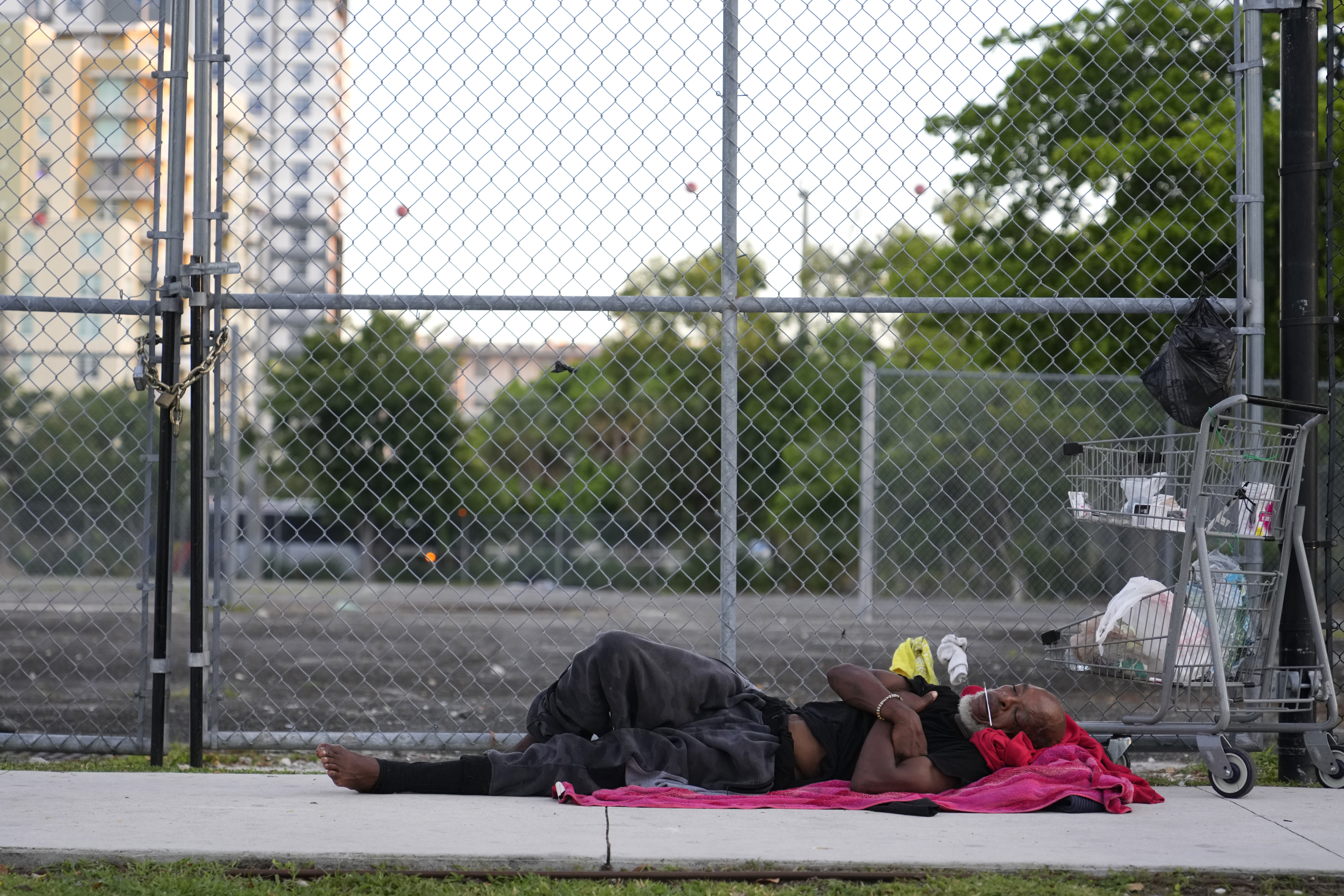
The simple answer is no; merely being homeless is not illegal anywhere in the United States, including Florida. The status of homelessness itself is not a crime. However, the legal landscape surrounding homelessness is far more nuanced, often intersecting with local ordinances and state laws that criminalize certain behaviors frequently associated with individuals experiencing homelessness. These behaviors, such as sleeping in public, panhandling, or storing personal belongings in public spaces, can lead to fines, arrests, and a perpetuation of the cycle of homelessness. Understanding this distinction is crucial for anyone interested in the local culture, societal challenges, and even the broader lifestyle dynamics of popular travel destinations like Florida.
The Legal Landscape: Ordinances, Laws, and Loopholes
While Florida state law does not outlaw homelessness, the legal framework is largely shaped by a patchwork of municipal ordinances. These local laws often reflect a city’s efforts to maintain public order, ensure cleanliness in tourist-heavy areas, and manage public spaces. Critics argue that many of these ordinances effectively criminalize homelessness by targeting the visible manifestations of poverty rather than addressing its root causes.
Statewide Stances vs. Local Ordinances
There is no overarching Florida statute that prohibits someone from being without a fixed address. Instead, individual cities and counties have enacted a variety of laws that impact people experiencing homelessness. These ordinances typically fall into several categories:
-
Anti-Camping Laws: These are among the most common and contentious regulations. Cities like Orlando, Miami, and St. Petersburg have ordinances that prohibit sleeping, lying down, or setting up temporary shelters in public parks, on sidewalks, under bridges, or on other public properties. The rationale often cited is public safety, sanitation, and the aesthetics of public spaces, particularly in areas frequented by tourists and businesses. Violations can result in fines or even misdemeanor charges.
-
Panhandling Regulations: Many Florida cities have enacted laws restricting where and how individuals can ask for money. These regulations often designate “aggressive panhandling” as illegal, defining it broadly to include actions that intimidate, harass, or impede pedestrian traffic. Some ordinances also create “buffer zones” around ATMs, bus stops, outdoor dining areas, or entrances to businesses where panhandling is prohibited. While these laws aim to protect residents and visitors from perceived harassment, they disproportionately affect those with no other means of income.
-
Public Loitering and Vagrancy Laws: While traditional vagrancy laws (which criminalized merely being idle without visible means of support) have largely been struck down by courts as unconstitutional, related ordinances persist. Laws against loitering, trespassing, or disorderly conduct in public spaces can be applied to individuals experiencing homelessness, especially if they are perceived as disrupting public order or occupying private property without permission.
-
Storage of Personal Property: Many municipalities prohibit the storage of personal belongings on public property. For someone experiencing homelessness, their few possessions often represent their entire life’s material accumulation. Confiscation of these items can be devastating, making it harder to survive and regain stability.
The legal validity of these ordinances has been challenged in various courts. A landmark case often cited, though directly applicable to the 9th Circuit Court of Appeals (which does not include Florida), is Martin v. Boise. This ruling established that cities cannot prohibit homeless individuals from sleeping in public places if there are no adequate alternatives (such as shelter beds) available. While not legally binding in Florida, the principles of this case have influenced legal discussions and advocacy efforts across the country, encouraging cities to consider the availability of resources before enforcing such bans. This ongoing legal debate underscores the tension between civic order and human rights, a balance that Florida cities, particularly those with significant tourism sectors, constantly navigate.
The Impact on Florida’s Communities and Tourism
Florida’s economy is heavily reliant on tourism. Its image as a sun-drenched paradise is a key asset, attracting visitors from around the globe seeking a premium travel experience, diverse accommodations ranging from luxury hotels to quaint villas, and memorable adventures. The visible presence of homelessness can complicate this image and present challenges for both local communities and the tourism industry.
Balancing Tourism Appeal with Social Challenges
For cities like Miami, Orlando, and St. Petersburg, managing the visible aspects of homelessness is a delicate balancing act. On one hand, maintaining clean, safe, and welcoming public spaces is paramount for attracting and retaining tourists. Areas around major attractions such as Universal Studios Florida, bustling downtown districts, and popular beaches like those in Sarasota are often priorities for enforcement of public order ordinances. The perception of disorder or unsafe conditions can deter visitors, impacting the local economy, including hotels, restaurants, and other tourism-related businesses.
On the other hand, a purely punitive approach to homelessness draws criticism for being inhumane and ineffective. It can also create a disconnect between the polished image presented to tourists and the underlying social realities. Travelers, increasingly conscious of ethical tourism and local cultures, may feel uncomfortable witnessing overt poverty or perceive local policies as harsh. This can influence their overall experience and willingness to return or recommend a destination. Cities are thus under pressure to find solutions that address the immediate concerns of public safety and aesthetics while also confronting the humanitarian aspects of homelessness. This often involves developing integrated strategies that combine enforcement with outreach and support services.
Local Responses and Solutions
Many Florida communities and non-profit organizations are actively working to address homelessness through a variety of initiatives, aiming for solutions that are both compassionate and effective. These efforts highlight a growing recognition that criminalizing homelessness is not a sustainable long-term strategy.
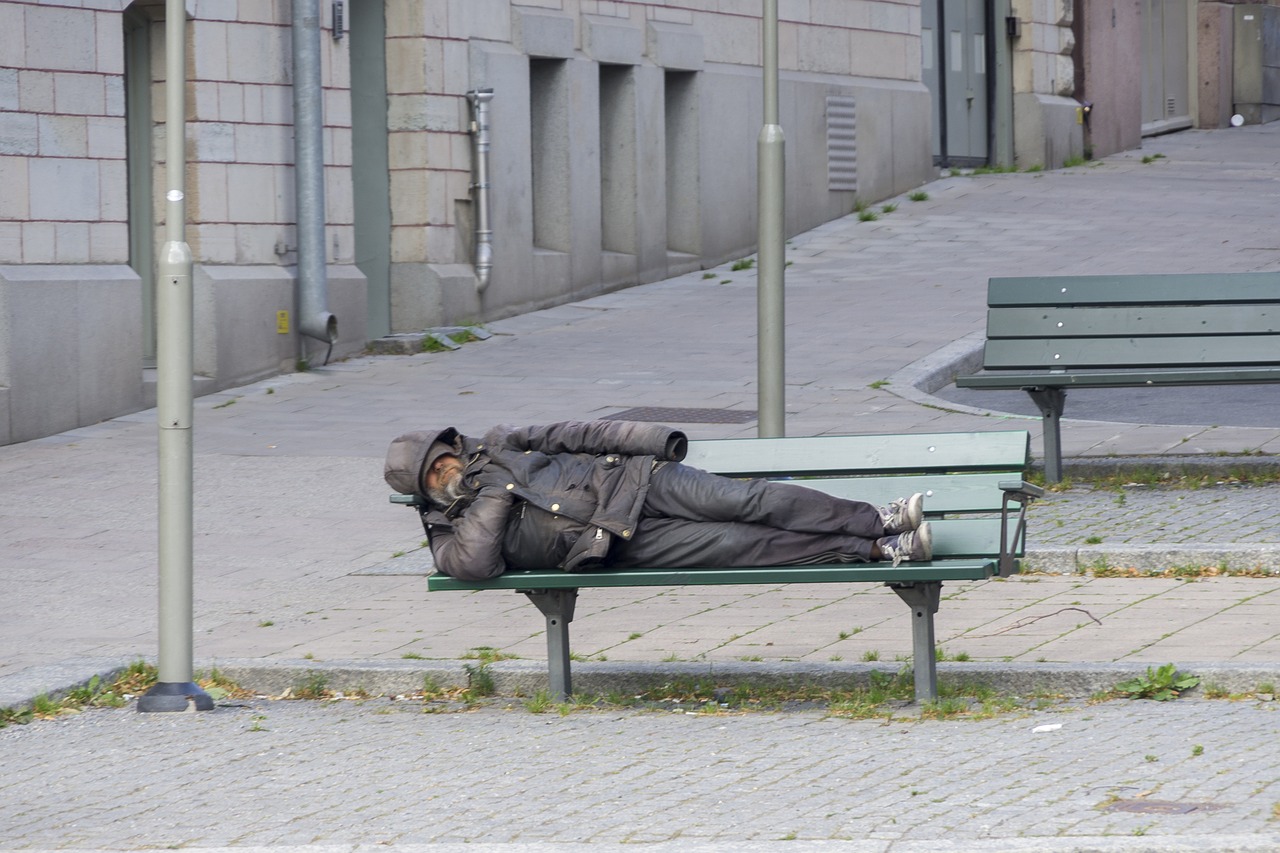
- Shelters and Support Services: Across the state, numerous organizations provide emergency shelters, transitional housing, and a range of support services. Groups like the Homeless Services Network of Central Florida in the Orlando area and the Broward Outreach Centers in South Florida offer not just a bed but also meals, case management, job placement assistance, and access to healthcare. These services are critical lifelines for individuals seeking to exit homelessness.
-
“Housing First” Initiatives: A growing number of cities and counties are adopting the “Housing First” model. This approach prioritizes providing immediate, stable housing to individuals experiencing chronic homelessness, without requiring them to address other issues like substance abuse or mental health conditions first. The philosophy is that stable housing provides the foundation necessary for individuals to then address other challenges more effectively. Research has shown “Housing First” to be a cost-effective and successful strategy in reducing chronic homelessness.
-
Community Outreach and Partnerships: Local governments, non-profits, faith-based organizations, and even business communities often collaborate on outreach programs. These teams engage with people experiencing homelessness on the streets, connect them to services, and build trust. Public-private partnerships are also crucial for securing funding, resources, and community buy-in for long-term solutions.
Despite these efforts, challenges remain. There is often a shortage of affordable housing, a critical factor in Florida where housing costs have soared. Funding for social services can be inconsistent, and communities sometimes face “Not In My Backyard” (NIMBY) sentiment when new shelters or housing initiatives are proposed. The stigma associated with homelessness also poses significant barriers to reintegration and societal support.
Beyond Legality: Understanding the Causes and Consequences
While the legal questions surrounding homelessness are important, a comprehensive understanding requires looking beyond the laws to the underlying causes and broader societal consequences. For those interested in lifestyle and cultural insights, recognizing these factors offers a deeper appreciation of the destinations they visit.
Root Causes of Homelessness
Homelessness is rarely the result of a single factor but rather a complex interplay of systemic issues, economic pressures, and personal crises. In a state like Florida, several key drivers contribute to its homeless population:
-
Lack of Affordable Housing: This is perhaps the most significant factor. Florida’s booming population and tourism industry have driven up rental and housing prices dramatically, making it increasingly difficult for low-income individuals and families to secure stable accommodation. Even those with jobs may find themselves unable to afford market-rate rents.
-
Economic Instability: Job loss, underemployment, low wages that don’t keep pace with the cost of living, and lack of adequate safety nets (such as unemployment benefits or welfare programs) can quickly push individuals and families into homelessness. Many service industry jobs, prevalent in Florida, often offer wages insufficient for independent living.
-
Mental Illness and Substance Abuse: These health issues are both causes and consequences of homelessness. Without access to adequate mental healthcare and addiction treatment, individuals can struggle to maintain employment, stable relationships, and housing. The stress and trauma of homelessness can also exacerbate existing conditions or trigger new ones.
-
Personal Crises: Domestic violence, family breakdowns, medical emergencies, or natural disasters (such as hurricanes, which frequently impact Florida) can suddenly displace individuals and families, leaving them without a home and often without a support network.
-
Lack of Support Services: Insufficient funding for social services, affordable healthcare, and housing assistance programs means that many individuals lack the resources needed to prevent or exit homelessness.
The Traveler’s Perspective and Responsible Engagement
For travelers exploring Florida’s diverse offerings, from its luxury resorts and suites to its vibrant local culture and cuisine, encountering homelessness can be a sobering experience. It prompts reflection on the stark contrast between their comfortable accommodations and the harsh realities faced by others.
Responsible travel involves more than just booking the right hotel or finding the best attractions; it also means engaging with a destination thoughtfully and ethically. When travelers observe homelessness in [Florida](https://lifeoutofthebox.com/florida] or any other destination, they can choose to respond in ways that are both empathetic and constructive:
- Educate Yourself: Understanding the complex causes of homelessness and the local laws governing it can help travelers avoid making snap judgments or perpetuating stereotypes.
- Support Local Initiatives: Instead of direct monetary handouts on the street, consider donating to reputable local charities and non-profit organizations that provide direct services to the homeless. Many cities have well-established homeless shelters, food banks, and outreach programs that can effectively utilize resources.
- Be Respectful: Treat individuals experiencing homelessness with dignity and respect, as you would any other person. A simple acknowledgment or a kind word can make a difference.
- Patronize Socially Responsible Businesses: Some businesses in Florida actively support homeless initiatives or employ individuals transitioning out of homelessness. Supporting these businesses can contribute to positive change within the community.
- Advocate for Change: For those passionate about social justice, engaging with advocacy groups or learning about systemic solutions can be a way to contribute to long-term change, even from afar.

Conclusion
In conclusion, simply being homeless is not illegal in Florida. However, the legal framework in the state, largely dictated by city and county ordinances, often criminalizes behaviors associated with homelessness, such as sleeping in public or panhandling. This creates a challenging environment for individuals experiencing homelessness, who may face fines or arrest simply for existing in public spaces when they have no other options.
This complex issue has significant implications for Florida’s communities and its vital tourism industry. Cities strive to balance the need for public order and an appealing environment for visitors with the humanitarian imperative to address the needs of their most vulnerable residents. Solutions involve a multifaceted approach, combining law enforcement with social services, “Housing First” initiatives, and strong community partnerships.
For those who travel to and appreciate the diverse offerings of Florida, from its luxurious accommodations to its vibrant local culture, understanding the nuances of homelessness and its legal and social context enriches the travel experience. It encourages a more thoughtful engagement with destinations, prompting reflection on social equity and the responsibility we all share in fostering more inclusive and compassionate communities. Ultimately, addressing homelessness in Florida—and elsewhere—requires moving beyond punitive measures to focus on humane, effective solutions that tackle the root causes and provide genuine pathways to stability and dignity.
LifeOutOfTheBox is a participant in the Amazon Services LLC Associates Program, an affiliate advertising program designed to provide a means for sites to earn advertising fees by advertising and linking to Amazon.com. Amazon, the Amazon logo, AmazonSupply, and the AmazonSupply logo are trademarks of Amazon.com, Inc. or its affiliates. As an Amazon Associate we earn affiliate commissions from qualifying purchases.