
As hurricane season descends upon the Atlantic, the specter of powerful storms like Hurricane Milton inevitably casts a shadow across popular travel destinations and beloved communities. For many, Florida is synonymous with sunshine, pristine beaches, and world-class attractions, making it a prime location for vacations, family trips, and even long-term stays. However, its geographical position also places it squarely in the path of tropical cyclones. When news of a major hurricane developing surfaces, the immediate concern for residents and prospective travelers alike is safety. Specifically, the question arises: is Lakeland, Florida, a charming city nestled in the heart of the Sunshine State, safe from the potential wrath of Hurricane Milton?
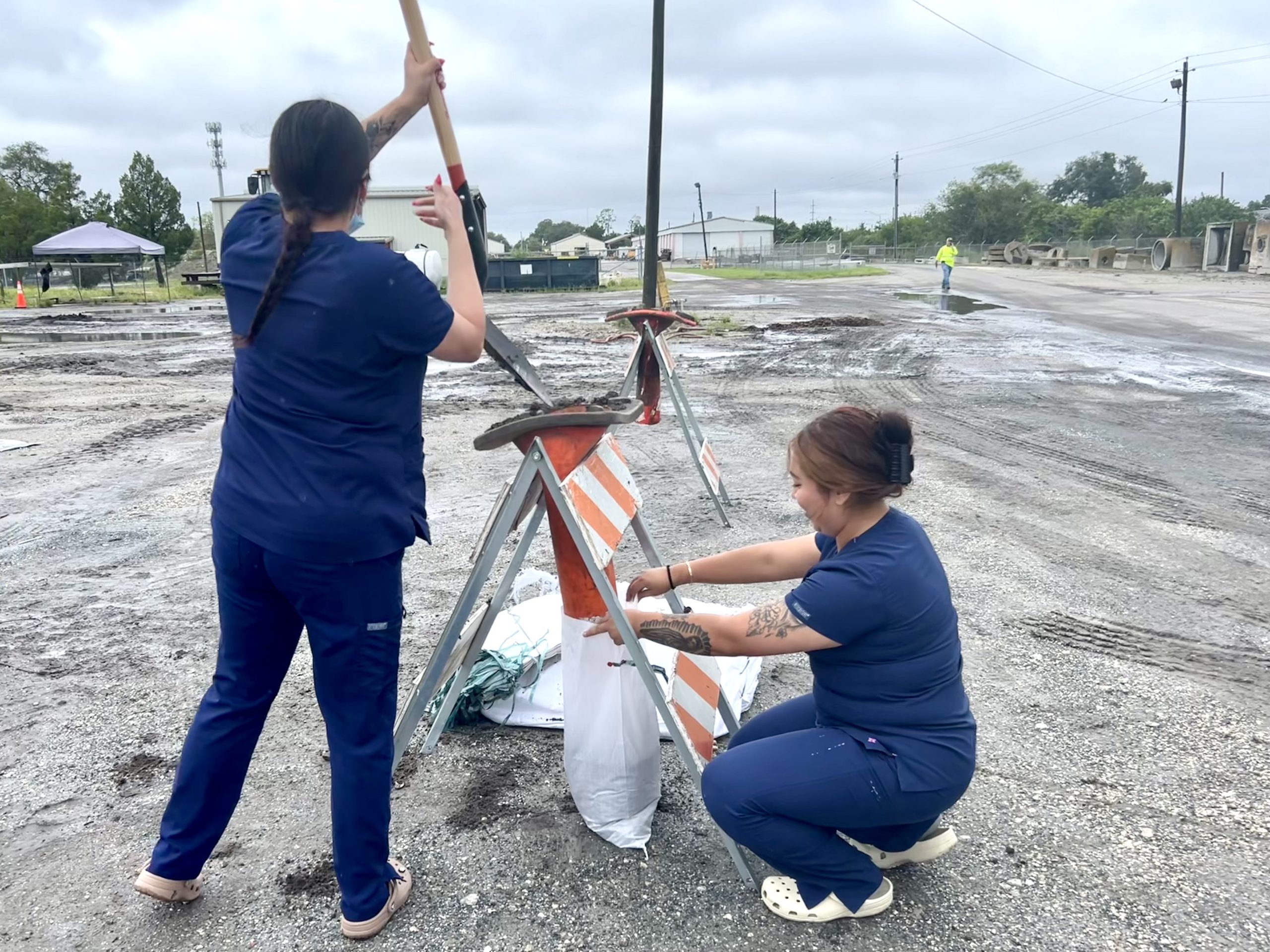
This article delves into Lakeland’s unique characteristics, its historical resilience, and the essential preparations that can help residents and visitors navigate hurricane threats. We will explore how Lakeland’s inland location offers a degree of protection, while also emphasizing that no place in Florida is entirely immune to the impacts of a significant storm. Understanding these dynamics is crucial for anyone planning a visit, seeking accommodation, or simply living in this vibrant Central Florida city during hurricane season. Our aim is to provide comprehensive insights, ensuring that your travel experiences, whether for luxury travel or budget travel, remain as safe and enjoyable as possible, even when Mother Nature flexes her muscles.
Understanding Lakeland’s Unique Position
Lakeland, Florida, is a city defined by its distinctive landscape, rich history, and vibrant local culture. Unlike the coastal cities often highlighted in hurricane forecasts, Lakeland lies approximately 60 miles east of the Gulf of Mexico and 60 miles west of the Atlantic Ocean. This inland location is a critical factor when assessing its safety during a hurricane. While no part of Florida is entirely immune, the distance from the coast significantly alters the nature and intensity of impacts experienced.
Lakeland is famous for its numerous lakes, including Lake Mirror, Lake Morton, and Lake Hollingsworth, which are not only picturesque attractions but also integral to the city’s stormwater management system. The city’s downtown area, with its historic architecture and pedestrian-friendly design, is a hub for tourism and local activities. Landmarks like the architecture of Florida Southern College, designed by Frank Lloyd Wright, and the serene Hollis Garden draw visitors year-round, contributing to Lakeland’s appeal as a destination.
The Inland Advantage: A Closer Look at Geography
The primary advantage of Lakeland’s location during a hurricane is its distance from the storm surge, often the most destructive and deadly component of a coastal hurricane. Storm surge, an abnormal rise of water generated by a storm, primarily affects coastal areas and estuaries. By the time a hurricane reaches inland cities like Lakeland, its intensity typically diminishes as it moves over land and loses its energy source (warm ocean water).
However, “diminishes” does not mean “disappears.” Lakeland can still experience significant impacts. The most common threats include:
- Strong Winds: While coastal areas might face Category 3 or 4 winds, Lakeland might see winds equivalent to a Category 1 or tropical storm strength. These winds are still powerful enough to cause structural damage, knock down trees, and lead to widespread power outages.
- Heavy Rainfall and Inland Flooding: This is often the most pressing concern for inland cities. Hurricanes carry immense amounts of moisture, and prolonged heavy rainfall can lead to flash flooding, river flooding, and urban street flooding. Lakeland’s numerous lakes and interconnected water systems, while designed for water management, can become overwhelmed during extreme rain events. Basements, low-lying areas, and poorly drained streets are particularly vulnerable.
- Tornadoes: Hurricanes and tropical storms can spawn tornadoes, especially in their outer bands. These localized, intense vortices can cause significant damage in small areas, often with little warning.
- Power Outages: Strong winds and falling trees are major culprits for damaging power lines, leading to widespread and potentially prolonged electricity outages. This can affect everything from air conditioning in hotels and resorts to communication systems, impacting both residents and travelers dependent on modern amenities.
For travelers, understanding these specific threats is crucial when booking accommodation, whether it’s suites, resorts, or apartments. In a situation like Hurricane Milton, a hotel with backup generators can be a lifeline for comfort and safety.
Historical Resilience and Preparedness
Lakeland has a long history of dealing with hurricanes and tropical storms. Over the decades, the city and Polk County have developed robust emergency management protocols. Local authorities, in coordination with state and federal agencies like the Florida Division of Emergency Management and FEMA, continuously refine their plans for preparedness, response, and recovery.
This includes:
- Emergency Shelters: Identifying and activating public shelters for those who need to evacuate their homes.
- Evacuation Routes: Clear signage and public information campaigns regarding primary and secondary evacuation routes, particularly for those who might be in coastal areas and head inland.
- Public Information: Utilizing various channels (local news, social media, government websites) to disseminate critical information before, during, and after a storm.
- Infrastructure Improvements: Ongoing projects to strengthen infrastructure, including power grids, drainage systems, and building codes designed to withstand hurricane-force winds. Many newer hotels and resorts are built to these higher standards, offering guests peace of mind.
This historical experience and proactive approach contribute significantly to Lakeland’s overall safety profile, even in the face of a formidable storm like Hurricane Milton. For visitors, this means that even if a storm impacts the area, there are established systems in place to minimize risks and facilitate recovery.
Navigating Hurricane Season: What Travelers Need to Know
For those planning to visit Lakeland during hurricane season (typically June 1st to November 30th), especially when a storm like Hurricane Milton is active, proactive planning is paramount. Whether it’s a family trip, a business stay, or a leisurely exploration of local culture and attractions, being prepared can make all the difference. Tourism in Florida continues year-round, but an awareness of potential weather events is a key tip for a smooth experience.

Essential Preparations for Visitors and Residents
- Stay Informed: The most crucial step is to continuously monitor official weather forecasts and advisories. Rely on credible sources such as the National Hurricane Center (NHC), local news channels, and the official Polk County Emergency Management website. These resources provide real-time updates on storm tracks, intensity, and potential impacts.
- Emergency Kit: Have a basic emergency kit ready. For travelers, this might mean a small bag with non-perishable snacks, bottled water, a flashlight, a battery-powered radio, extra batteries, a first-aid kit, copies of important documents, and any necessary medications. Power banks for charging mobile devices are also invaluable, especially if power outages occur.
- Communication Plan: Ensure family members or travel companions know how to reach each other. Keep phone numbers written down, as digital contacts might be inaccessible if phone batteries die. Inform someone outside the affected area of your travel plans and contact information.
- Know Your Evacuation Zone/Shelter: While Lakeland is unlikely to be in a mandatory coastal evacuation zone, it’s wise to understand if your specific accommodation is in a low-lying area prone to flooding. Know the location of designated public shelters, though these should be a last resort. Your hotel management can provide guidance on their specific emergency plans.
- Vehicle Preparedness: Keep your vehicle’s fuel tank full, as gas stations may experience shortages or power outages that prevent pumping during and immediately after a storm. Have an emergency roadside kit.
Accommodation and Travel Planning During Storm Threats
When a major hurricane threat looms, accommodation and travel plans can be significantly impacted. Here’s what to consider:
- Booking Flexibility: Look for hotels (suites, resorts, apartments) that offer flexible cancellation policies. Many major hotel chains, like Marriott or Hilton, often issue waivers for cancellation fees during declared emergencies. Always check the specific policy of your booking, whether through a travel agent or directly with the hotel.
- Hotel Amenities and Preparedness: Inquire about a hotel’s hurricane preparedness plan. Does it have a backup generator to maintain power for essential services (lighting, elevators, air conditioning, refrigeration)? Are there provisions for food and water if outside access is limited? Some luxury resorts will have more robust plans than smaller motels.
- Communication with Accommodation Providers: Stay in direct contact with your hotel or resort. They will be the first to know about local conditions, potential closures, or changes to their services. They can provide valuable tips and guidance for guests.
- Travel Insurance: Consider purchasing travel insurance, especially if traveling during hurricane season. Policies vary, but comprehensive plans often cover losses due to trip cancellations, delays, or interruptions caused by natural disasters. Read the fine print carefully to understand what is covered.
- Transportation: Be aware that flights into and out of nearby airports like Tampa International Airport (TPA) or Orlando International Airport (MCO) can be canceled or severely delayed. Road closures due to flooding or debris are also possible. If you need to fly out, do so well in advance of the storm’s arrival.
While Lakeland typically avoids the most catastrophic coastal impacts, it’s essential to recognize that a significant storm like Hurricane Milton can still disrupt travel, cause uncomfortable conditions, and pose safety risks. Prioritizing safety and preparedness ensures that your focus remains on an enriching experience rather than navigating unforeseen challenges.
Exploring Lakeland: Beyond the Storm
While the threat of Hurricane Milton prompts necessary precautions, it’s equally important to remember that Lakeland is a fantastic destination, offering diverse attractions and a welcoming lifestyle outside of severe weather events. For those considering visiting outside of peak hurricane season, or those who find themselves in Lakeland after a storm has passed and services have been restored, there’s a wealth of experiences awaiting.
The city perfectly blends historical charm with modern amenities, making it ideal for various types of travelers—from those seeking local culture and history to families looking for engaging activities. The accessibility from major cities like Tampa and Orlando also makes it an attractive hub for day trips or longer stays, appealing to both luxury travel enthusiasts and those on a budget.
Top Attractions and Lifestyle Offerings
Once Hurricane Milton has passed and conditions are safe, Lakeland truly shines. The city’s landmarks and natural beauty offer ample opportunities for exploration:
- Frank Lloyd Wright Architecture at Florida Southern College: A UNESCO World Heritage Site nominee, this campus boasts the largest single-site collection of Frank Lloyd Wright architecture in the world. Guided tours provide fascinating insights into his “Child of the Sun” vision. This is a must-see for architecture and history buffs.
- Hollis Garden: Located in downtown Lakeland, this formal botanical garden features neo-classical architecture, fountains, and a stunning array of flora. It’s a serene escape and a beautiful example of nature-focused landmarks.
- Lake Mirror Promenade: A picturesque stroll around Lake Mirror offers scenic views, historic architecture, and access to Hollis Garden. It’s perfect for a leisurely afternoon or an evening walk.
- Lakeland Public Library: Beyond its primary function, the library often hosts local events and cultural activities, contributing to the city’s vibrant community life.
- Safari Wilderness Ranch: For a unique wildlife experience, this ranch offers guided safaris with exotic animals, a fantastic option for family trips and animal lovers.
- Downtown Lakeland: The revitalized downtown area is bustling with independent boutiques, art galleries, and diverse restaurants, offering a taste of local food and vibrant nightlife. This area truly encapsulates Lakeland’s distinct culture and community.
- Annual Events: Throughout the year, Lakeland hosts various festivals and events, from art festivals to seasonal markets, showcasing the local talent and community spirit.
For those interested in accommodation, Lakeland offers a range of options, from charming boutique hotels in the downtown area to well-known chain hotels and extended-stay apartments suited for both short visits and long-term stays. Whether you prefer luxury suites or more budget-friendly options, the city’s lodging caters to diverse preferences and travel styles.

Planning Your Ideal Lakeland Getaway
When planning your visit to Lakeland, consider these aspects:
- Best Time to Visit: To minimize hurricane concerns, consider visiting outside of peak hurricane season (late summer to early fall). The winter and spring months offer pleasant weather, ideal for exploring outdoor attractions and enjoying the city’s parks and lakes.
- Accommodation Choices: Research hotels, resorts, and apartments based on your preferences. Reading reviews, comparing amenities, and checking booking platforms can help you find the perfect fit. Some accommodations offer special packages for family trips or business stays.
- Activities and Guides: Utilize online guides and local tourism resources to plan your itinerary. Discover hidden gems, find the best local food spots, and explore unique experiences.
- Transportation: While a car is recommended for exploring the wider Polk County area, downtown Lakeland is quite walkable, and ride-sharing services are available.
In conclusion, while Lakeland, Florida, benefits from its inland position, offering a greater degree of safety from direct coastal impacts and storm surge, it is not entirely immune to the effects of a strong hurricane like Milton. Heavy rainfall, strong winds, and power outages remain significant concerns. However, the city’s proactive preparedness, combined with informed decision-making by travelers and residents, can mitigate these risks. By staying updated with official advisories, understanding your accommodation’s emergency plans, and taking personal precautions, you can navigate hurricane season safely. Beyond the immediate concerns of a storm, Lakeland remains a captivating destination, rich in culture, history, and natural beauty, ready to welcome visitors seeking memorable travel experiences throughout the year.
LifeOutOfTheBox is a participant in the Amazon Services LLC Associates Program, an affiliate advertising program designed to provide a means for sites to earn advertising fees by advertising and linking to Amazon.com. Amazon, the Amazon logo, AmazonSupply, and the AmazonSupply logo are trademarks of Amazon.com, Inc. or its affiliates. As an Amazon Associate we earn affiliate commissions from qualifying purchases.